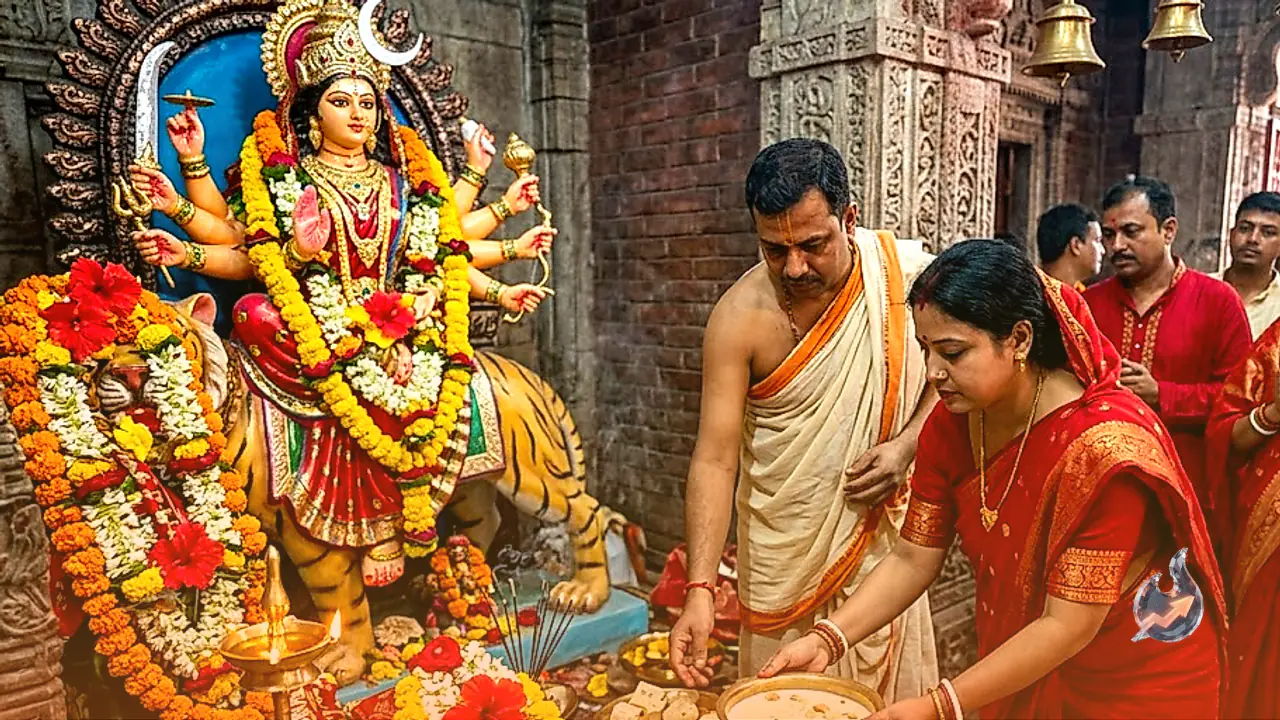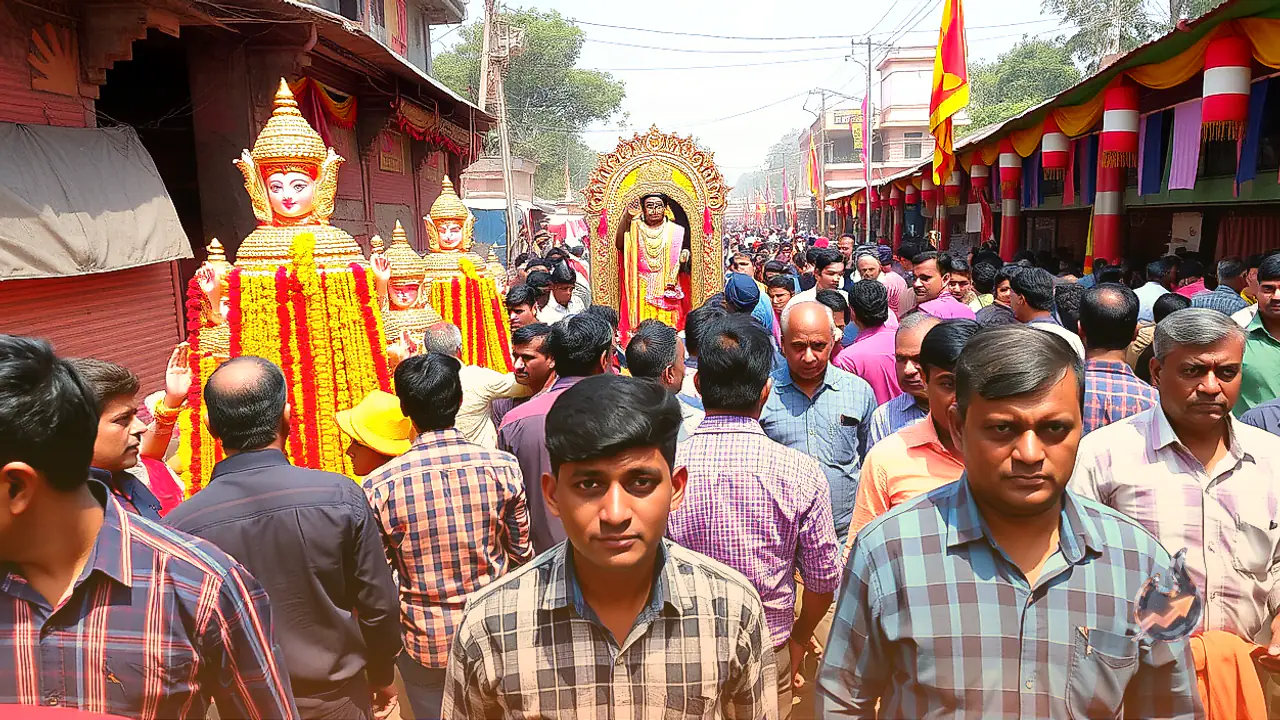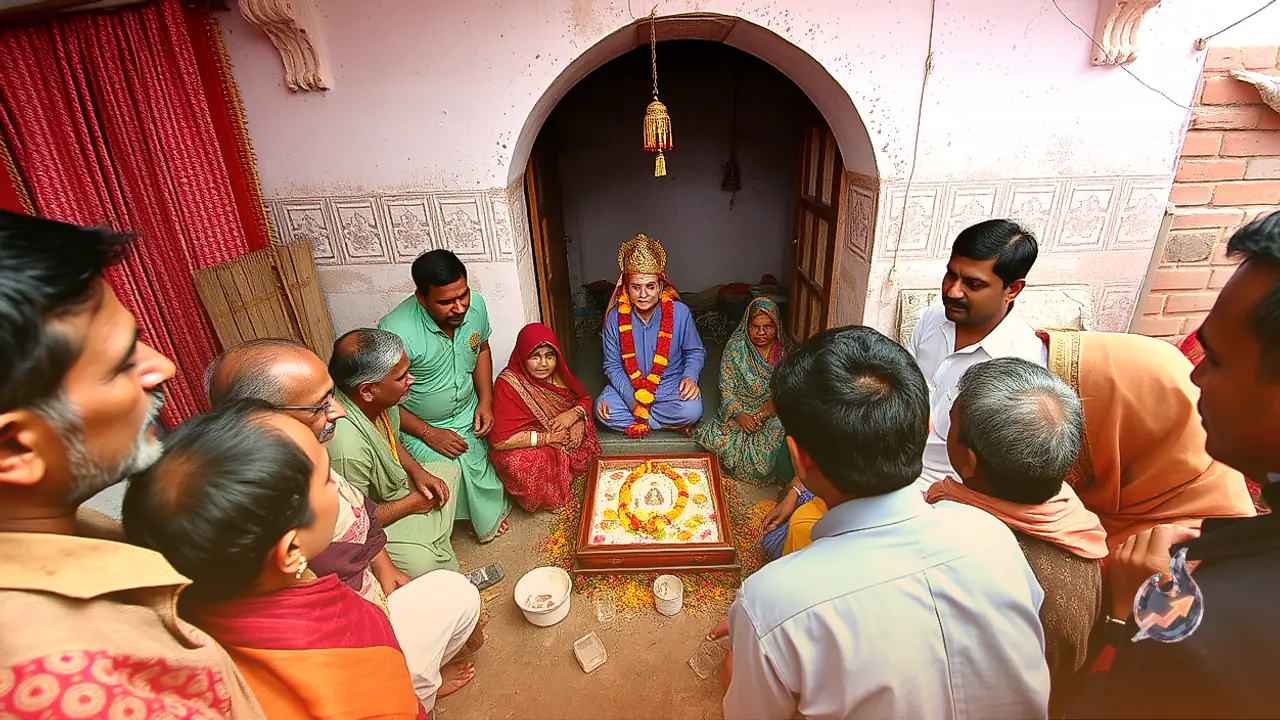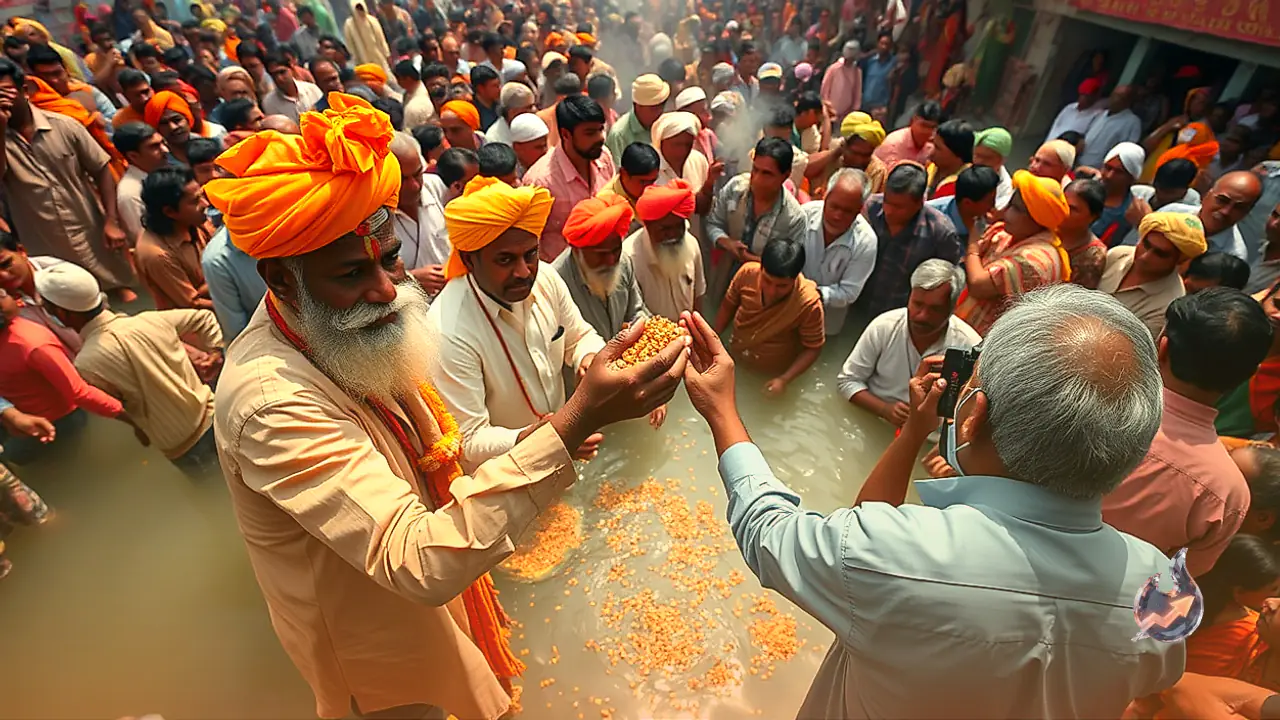
























The Shri Dev Bhuteshwar Mahadev Temple located in Sagar district of Madhya Pradesh stands out across the region for its rich heritage and distinctive spiritual customs. During the holy month of Sawan, a unique religious ritual named the 'Asadhya Rog Shanti Aushadhi Abhisheka' is being celebrated at the shrine. Throughout this period, the sacred Shivling is anointed daily not only with customary water and milk but also with more than twenty varieties of Ayurvedic herbs and medicinal concoctions. In Hindu tradition, Lord Shiva is regarded as the supreme deity presiding over all natural remedies, and this medicinal bath is believed to mitigate chronic physical ailments, foster mental equilibrium, and instill strong positive energy among worshippers. Large crowds of devotees from Sagar city and surrounding rural areas are visiting the temple complex to participate in these daily observances.
A Millennium-Old Legend and the Rare North-Facing Shivling
This holy shrine holds a distinct position as the only temple in the entire Sagar district featuring a north-facing (Uttar Mukhi) Shivling. In traditional Hindu iconography and ritual texts, a north-facing Shivling is considered exceptionally auspicious and spiritually beneficial for seekers. While formal historical records documenting the precise origin of the shrine remain unavailable, architectural clues and historical evidence linked to the Nath sect suggest that the temple was established approximately 1,000 years ago.
The unique title of the deity, 'Bhuteshwar', carries a fascinating historical story. In ancient times, the surrounding locality was a dense and deserted forest, with a cremation ground (shamshan ghat) positioned right beside the temple premises. Due to its isolated location, local residents were hesitant to venture near the site after dusk and associated the desolate area with spirits. Consequently, people began referring to the installed deity as the 'Lord of Ghosts' or Bhuteshwar Mahadev. Over the centuries, what began as a colloquial local description transformed into the revered official identity of the shrine, which continues to attract deep faith from believers today.
Over 20 Herbal and Natural Ingredients Used in Daily Rituals
Every morning during the month of Sawan, the temple echoes with sacred Vedic chants as priests prepare the elaborate herbal bath. To perform this specialized ritual aimed at curing stubborn health conditions and promoting well-being, priests combine more than 20 distinct plant products and Ayurvedic formulations. The key ingredients include Giloy, cannabis (Bhang), Amarbel, Banyan leaves, Peepal leaves, Neem, curry leaves (Meethi Neem), betel leaves, raw turmeric, pure honey, Triphala, Bala, Atibala, Ashwagandha, Nirgundi, Vach, Jatamansi, Punarnava, Daruhaldi, Shilajit, Arjun tree bark, Kachnar, fresh fruit juices, and Madhuras.
The ceremonial combination of these natural substances in the sanctum creates an atmosphere believed to be highly purifying. For devotees wishing to personally sponsor or perform this Ayurvedic bath, the temple management has instituted a smooth reservation system. Worshippers can register a day in advance by obtaining an official receipt at the shrine, allowing them to perform the complete herbal abhisheka under the guidance of learned priests reciting Vedic mantras.
Distribution of Medicinal Prasad and Focus on Eco-Conservation
Following the completion of the morning abhisheka ritual, all the herbal materials and liquids used during the ceremony are carefully gathered under clean and hygienic conditions. According to representatives of the temple committee, these sacred ingredients are treated with great reverence and are never discarded as waste. Instead, the collected herbal mixture is packaged and distributed among visiting devotees as blessed healing prasad, enabling worshippers to consume it for health benefits.
Furthermore, a portion of the herbal seeds and plant cuttings collected during the rituals is used for plantation drives across the temple premises. This green initiative aims to educate society about the vital importance of Ayurvedic vegetation while promoting environmental conservation. Vikas Tiwari, the treasurer of the temple committee, emphasized that this annual practice goes far beyond ordinary ritualism, serving as a powerful illustration of the deep alignment between nature, traditional medicine, and spiritual practices in Indian culture.
Historical Treasures: Mastram Baba Samadhi, Ancient Stepwell, and 30-Year Chanting
Beyond its unique Sawan rituals, the Shri Dev Bhuteshwar Temple grounds house several historical landmarks. Within the complex lies the 400-year-old samadhi of Mastram Baba, a revered ascetic who resided at the site centuries ago. Additionally, the premises contain an ancient stepwell (bawdi) estimated to be around 700 years old, which offers a glimpse into the region's historic water architecture.
Another remarkable feature of the temple complex is its unbroken tradition of devotional singing that has continued without interruption for three decades. For the past 30 years, continuous 24-hour chanting of 'Akhand Gauri Shankar Sitaram' has resonated through the complex day and night. Devotees from all parts of Sagar city continuously take turns participating in the non-stop kirtan, keeping the sacred chant alive round the clock.
Grand Reconstruction Project Using Dholpur Stones
To accommodate the growing influx of pilgrims and enhance the temple's structural grandeur, extensive reconstruction work is currently underway under the direction of the Gulab Baba Trust. The comprehensive renovation project began four years ago and is slated to take another four years to complete, making it an eight-year transformation program in total.
The new structure is being crafted using premium pink Dholpur stones from Rajasthan, bringing a traditional architectural elegance to the complex. A major focus of the renovation is the expansion of the sanctum sanctorum (garbhagriha). The original inner sanctum measures just 9 feet by 9 feet, which often leads to severe congestion during major festivals. Under the new layout, the sanctum sanctorum is being expanded to 18 feet by 18 feet, ensuring that future visitors can offer prayers and obtain darshan with ease and comfort.