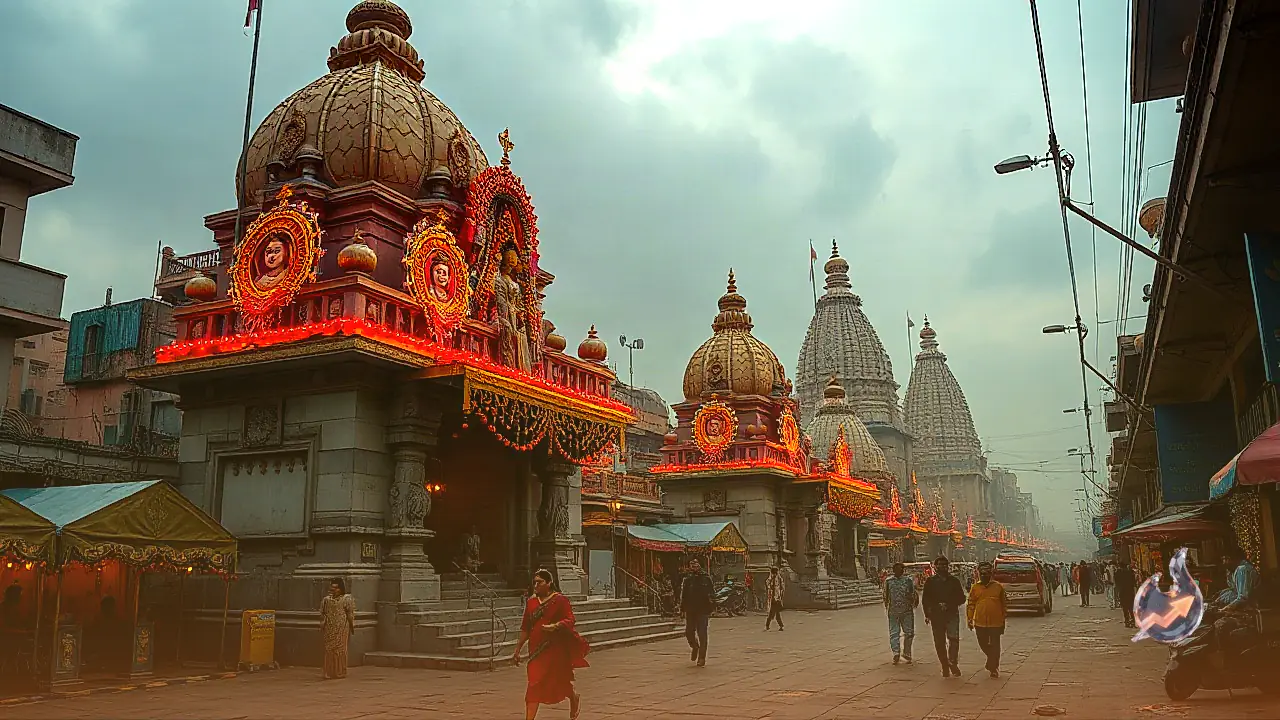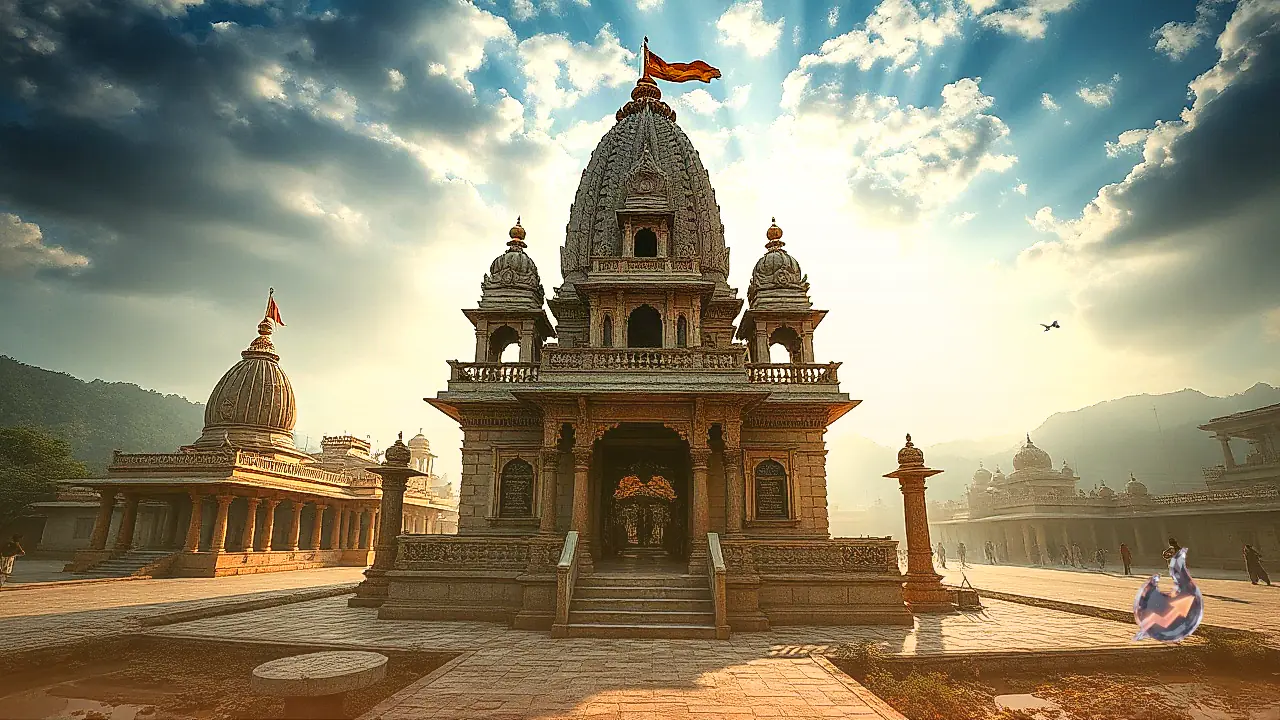





















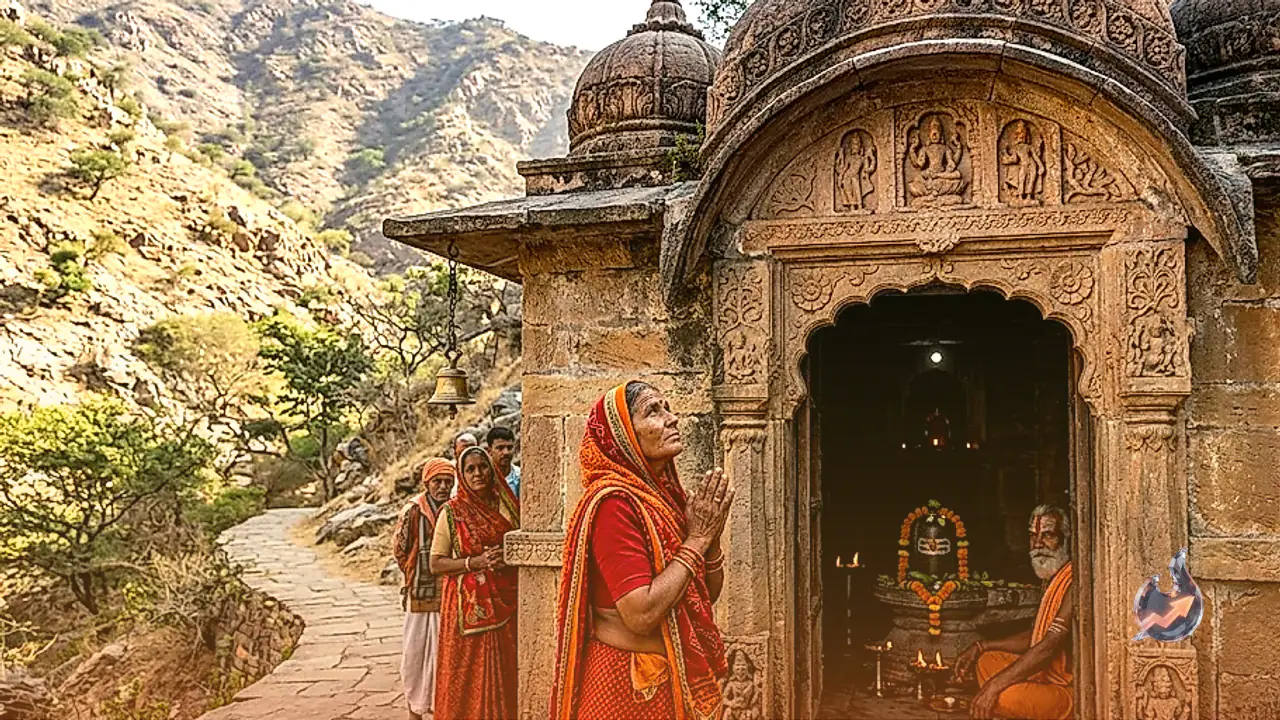

Tucked away within the rugged folds of the Aravali mountain range in the Abu Raj region of Rajasthan's Sirohi district lies an ancient spiritual sanctuary known as the Omni Bhuteshwar Mahadev temple. While modern pilgrims frequently refer to this revered site as the Karnikeshwar Mahadev temple, its historical identity remains anchored to its traditional name, Bhuteshwar Mahadev. This distinctive designation originally arose due to its immediate proximity to an old cremation ground. According to long-standing local lore, the presence of spirits during nocturnal hours created an eerie aura, leading villagers and devotees to avoid visiting the secluded forested premises after dusk.
Centuries of Heritage and Living History
A resident devotee named Nikhil Kumar notes that despite the modern prevalence of the name Karnikeshwar Mahadev, the heritage of the site is unmistakably preserved at the threshold, where the ancient title Bhuteshwar Mahadev remains visibly inscribed upon the main entrance gate. While the sacred roots of the landscape trace back thousands of years through folklore, the architectural structure standing today is estimated to be roughly 700 to 800 years old. Over the centuries, successive generations have maintained the complex through periodic renovations and conservation efforts to preserve its structural integrity.
Forest Enclosure, Wildlife and Neglected Stepwell
Directly facing the shrine stands a historic stepwell accompanied by several smaller secondary shrines. Due to inadequate upkeep over recent years, these historic water structures and subsidiary temples have become overgrown with wild bushes and dense foliage. The location sits deep within wilderness terrain, making nocturnal encounters with local fauna a common occurrence. Sloth bears are frequently witnessed roaming the temple compound after dark, whereas langurs and other forest creatures are seen moving openly throughout daylight hours. This sanctified belt carries immense monastic significance, situated close to the notable Rishikesh temple and Sanka Mahadev temple, while historically serving as an active seat of penance for ascetic monks affiliated with the Juna Akhara.
Mahabharata Connections and Natural Shivalingas
According to the temple priest, the sanctum holds a lineage reaching back to the epic era of the Mahabharata. During their period of incognito exile, the Pandavas spent time resting in this secluded wilderness retreat, marking the occasion by establishing a consecrated Shivalinga. Within the inner sanctum, devotees revere ancient sculpted idols alongside a self-manifested Shivalinga. Furthermore, a naturally formed Shivalinga continues to stand enshrined inside an adjacent smaller sanctum next to the principal temple. Throughout auspicious intervals, particularly the holy month of Shravan and the festival of Mahashivratri, large numbers of pilgrims travel from distant places to offer prayers at this venerable woodland retreat.