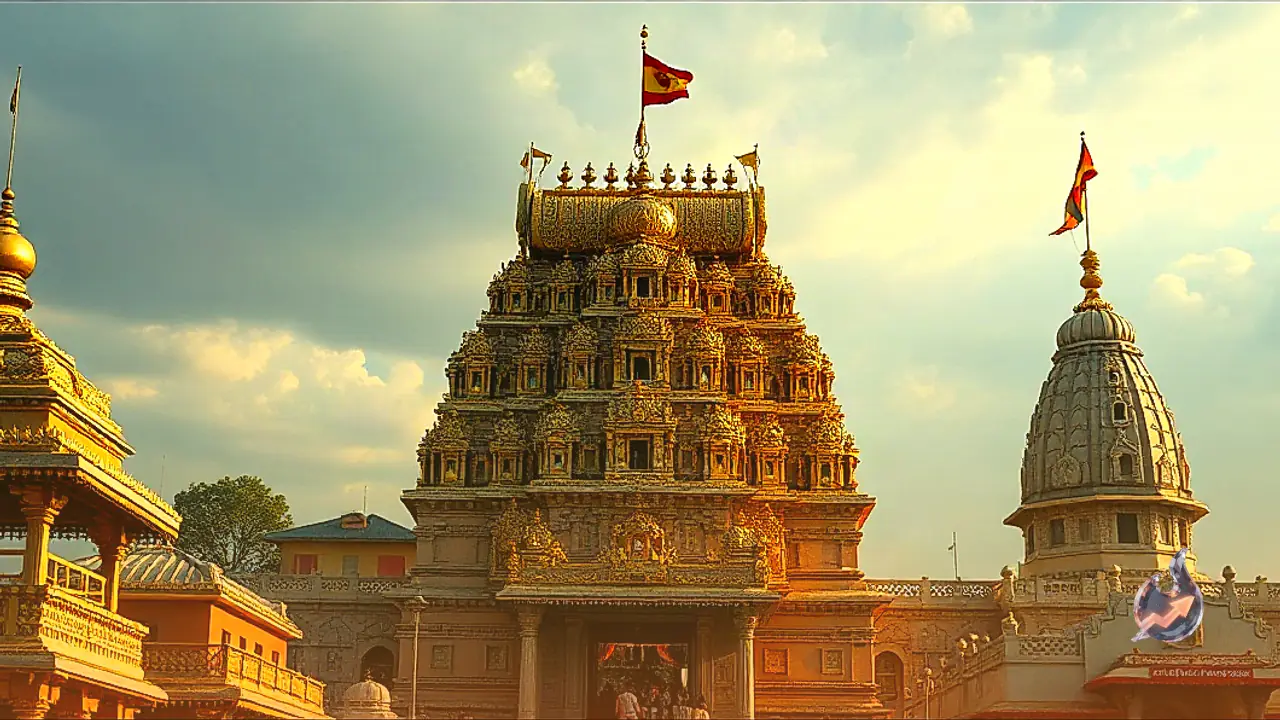
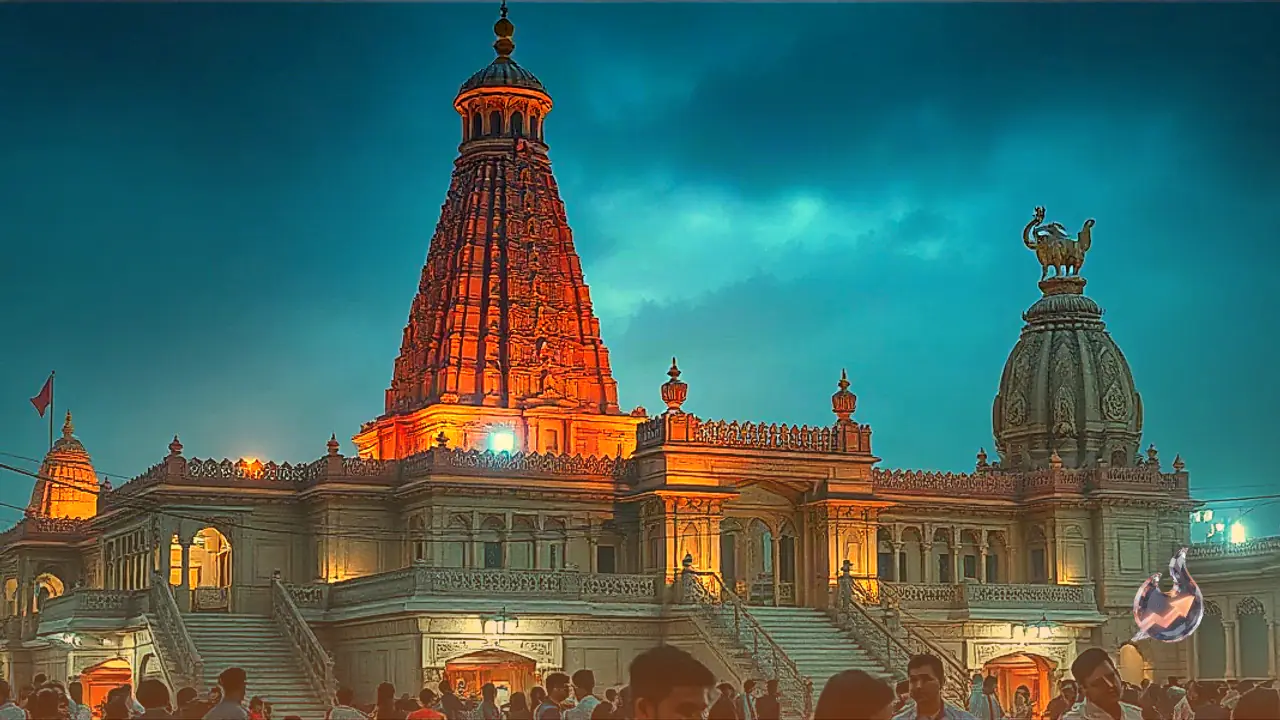















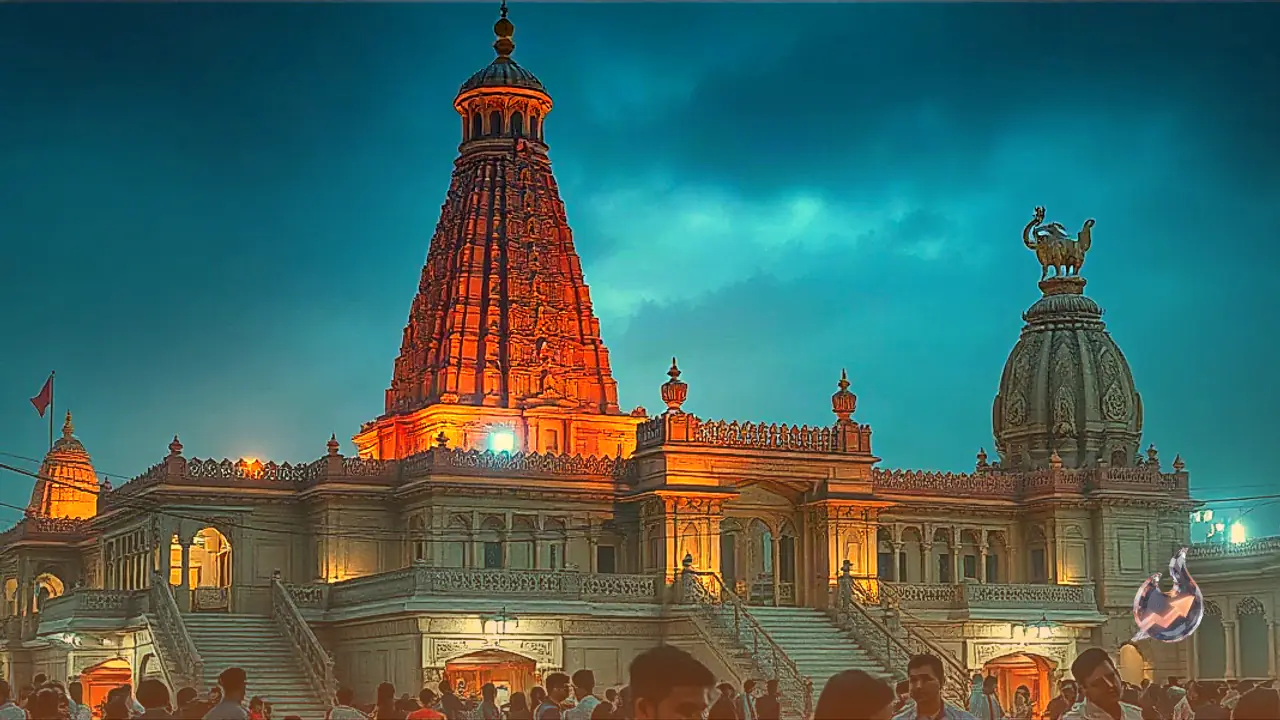
As the transition to the year 2026 approaches, the world-famous Shri Mahakaleshwar Temple in Ujjain is bracing for an unprecedented influx of spiritual seekers. Devotees from all over the country traditionally seek the blessings of Lord Shiva to usher in the new year, prompting local administrators and the temple management committee to implement a rigorous crowd control and security blueprint to manage the massive numbers safely. A high-level coordination meeting was conducted between civil administrators and senior police officers to review every operational aspect and prevent any logistical lapses during this major event.
Suspension of Paid Quick Darshan Pass
During the peak transit days of December 31 and January 1, the temple administration has decided to temporarily suspend the quick darshan (fast-track) facility, which usually costs Rs 250. This decision ensures that equity is maintained in the queue systems and crowd management is not compromised by multiple split lanes. The primary objective is to facilitate a uniform flow of devotees, thereby reducing congestion and eliminating any chaotic bottlenecks near the sanctum sanctorum. No special paid privileges will be active during these two days to keep the system fair and manageable for general visitors.
Anticipated Footfall and Logistic Strategy
Temple administrator Pratham Kaushik highlighted that around 10 lakh (one million) visitors are projected to descend upon Ujjain for the New Year 2026 celebrations. To handle this immense pressure, a comprehensive logistic framework has been established by the authorities. This detailed layout encompasses seamless management of the general queue, the early morning Bhasma Aarti, efficient packaging and distribution of the traditional laddu prasad, functioning of helpdesks, lighting, clean drinking water, and safe footwear stands. The ultimate goal is to offer every traveler a safe and well-organized spiritual experience.
Dynamic Routing Plan for High Crowd Volumes
Collector and Temple Management Committee President Roshan Kumar Singh outlined the contingency plan designed for high crowd density. If the footfall exceeds threshold levels, visitors will be channeled from Facility Center-1 straight to the Kartikeya Mandapam for their prayers. Roshan Kumar Singh stated, "In case of extreme crowds, devotees will be routed from Facility Center-1 straight to Kartikeya Mandapam and exited through Gate 10." Following their prayers, the crowds will be directed out of the premises using Gate 10 and the Nirmalya Gate. This dynamic pathway ensures that there is no counter-flow or dangerous intersection of arriving and departing crowds.
Parking Zones and Visitor Amenities
To accommodate the massive influx of private vehicles, several dedicated parking lots have been designated across the town. Visitors can park their cars and motorcycles at Karkraj, Bhil Samaj Dharamshala, Kalota Samaj Dharamshala, Kartik Mela Ground, Meghdoot parking area, and the vacant spaces underneath the Harifatak overbridge. Furthermore, massive shoe-keeping facilities are being set up right in front of the local museum and near the Chardham parking spot. Temporary desks will also be operational to dispense clean drinking water, provide primary medical aid, distribute laddu prasad, and address visitor queries.
Multi-Layered Security Protocol
Police Superintendent Pradeep Sharma emphasized that the safety of the visiting public remains paramount. A heavy deployment of police personnel alongside temple security guards will cover all major entry points and radial roads. Pradeep Sharma stated, "To bolster security, drones, CCTV cameras, intelligence teams, and bomb squads will remain actively deployed at various checkpoints." Aerial surveillance via high-definition drones will be paired with round-the-clock monitoring from a central CCTV control room. Specialist units including intelligence operatives, the dog squad, and the bomb disposal team will carry out regular sweep operations at designated searching spots to guarantee a peaceful experience.