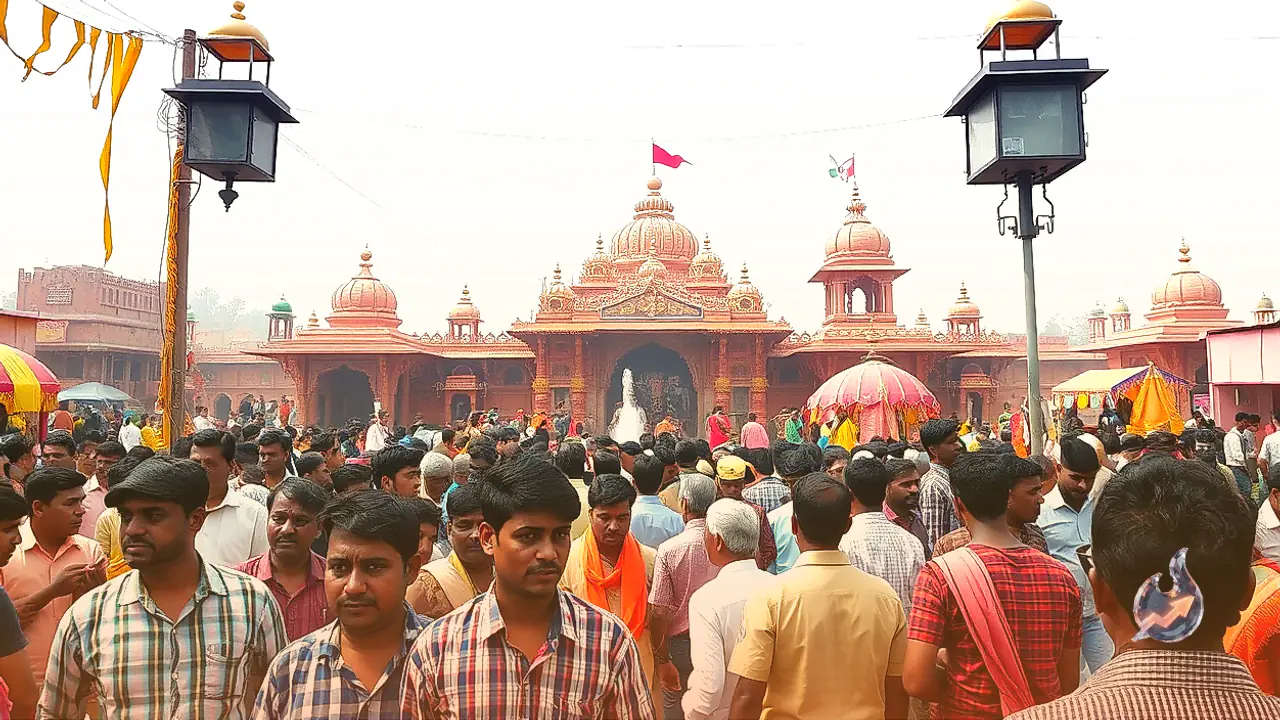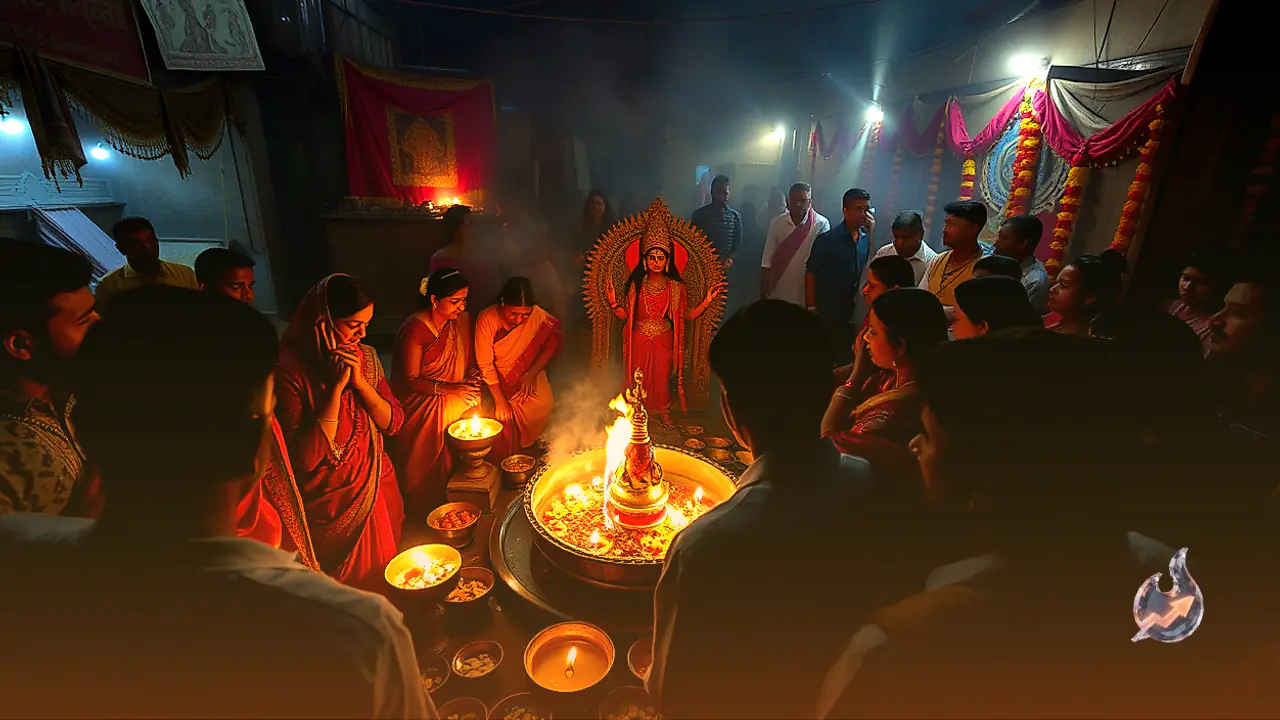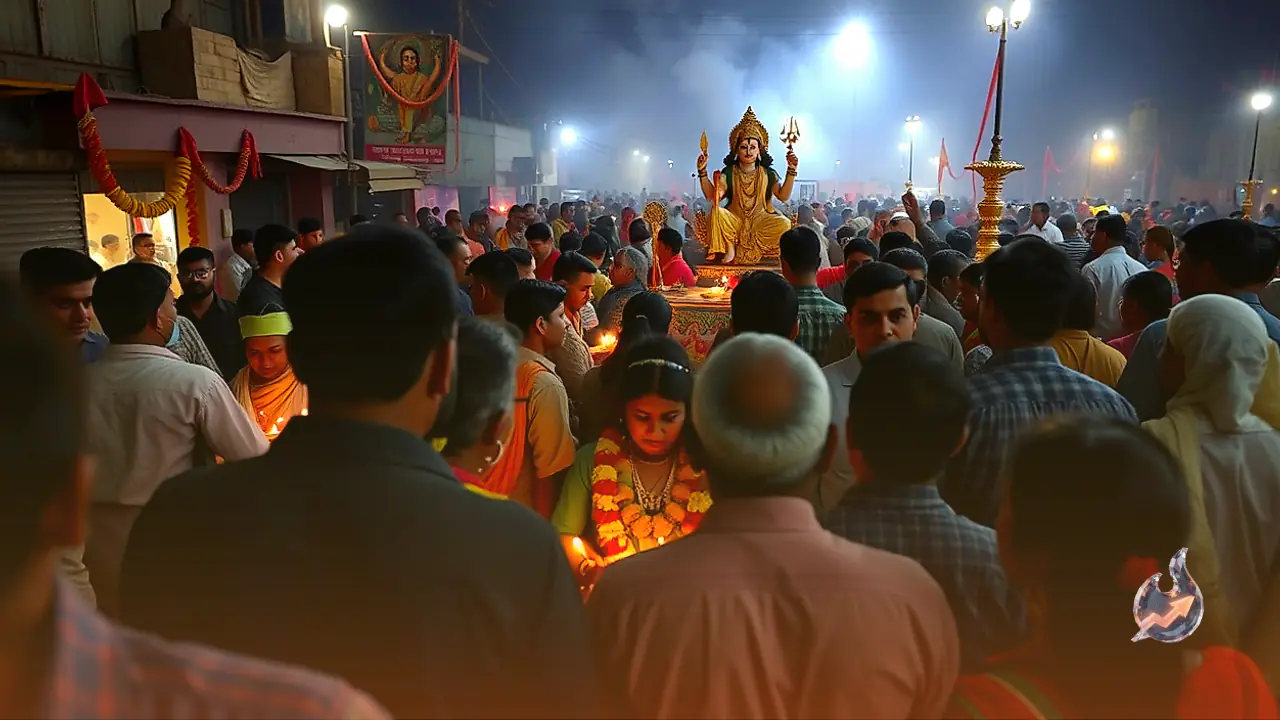



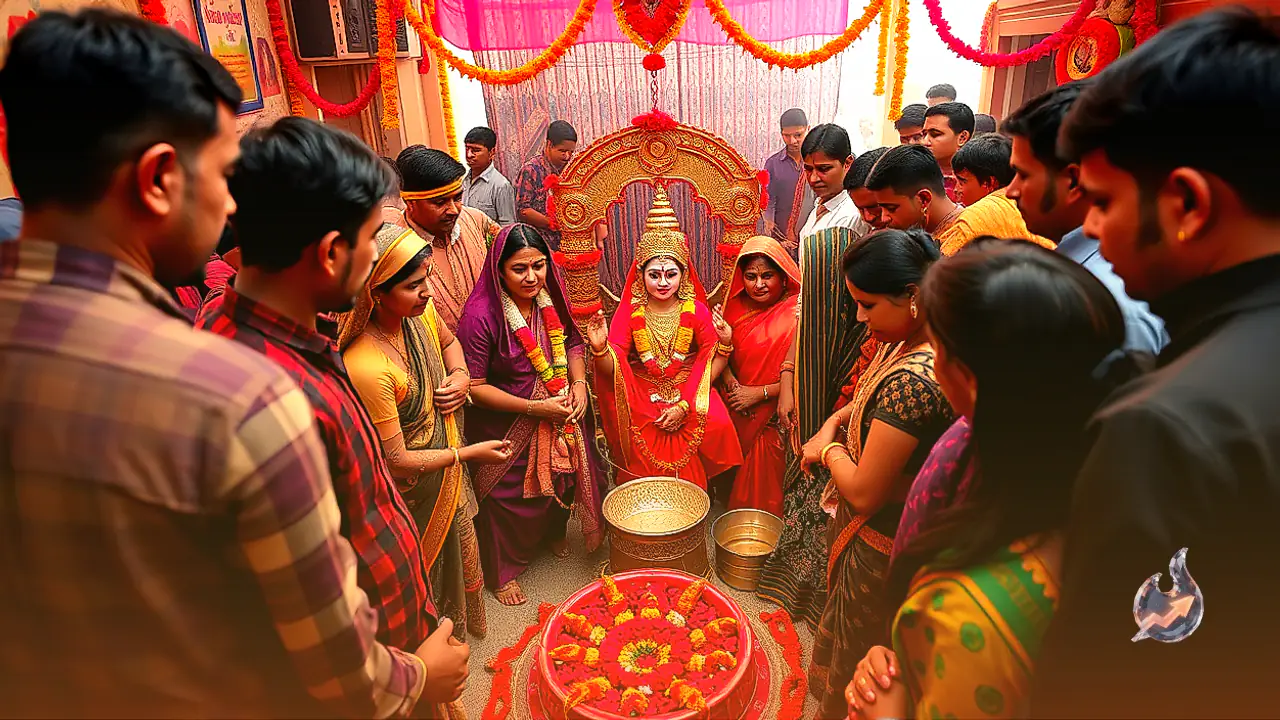



















Nestled at an elevation of 600 feet in the Kaimur district of Bihar, the Mundeshwari Temple offers visitors an extraordinary journey back in time, far removed from the 21st century. Widely recognized as one of the oldest active Hindu temples on the planet, official government records trace its construction back to the year 108 AD. Spanning a rich history of nearly 2000 years, the shrine holds the exceptional distinction of having never closed its doors for even a single day. Daily rituals and prayers have continued here without interruption across centuries.
Spiritual Ambience and Historical Preservation
Upon entering the temple complex, visitors are greeted by a deep sense of tranquility. The vibrant greenery stretching far across the surrounding landscape enhances the spiritual setting, allowing worshippers to feel closely connected with both nature and divinity. Historical records reveal that the temple was found buried under rubble in 1790. Remarkably, religious ceremonies persisted even during that phase, and the structure was officially excavated and preserved in the 20th century.
Octagonal Architecture and Sacred Deities
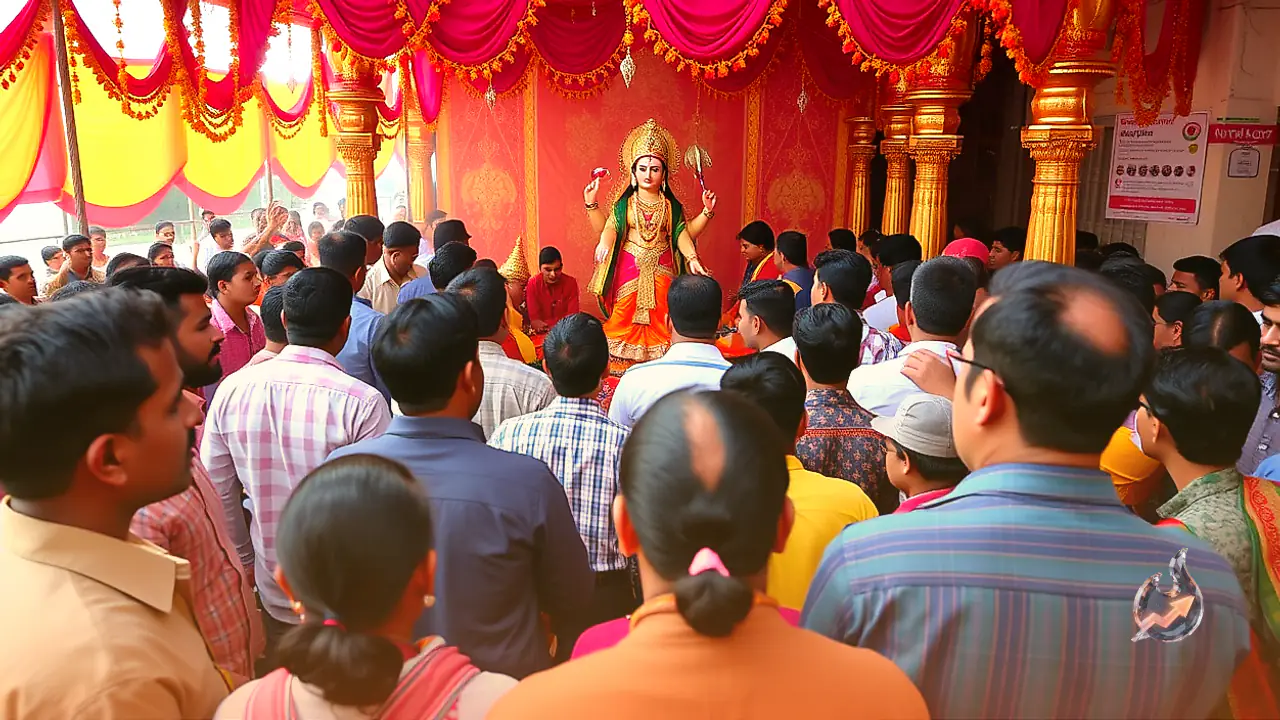
The architectural design of the Mundeshwari Temple is both rare and remarkable. Built entirely of stone, the structure features a unique eight-sided octagonal layout, serving as one of the earliest surviving examples of Nagara-style temple architecture in Bihar. The temple is designed with four entrance doors aligned with the four cardinal directions. Inside the sanctum, devotees offer prayers to both Maa Mundeshwari, an incarnation of Goddess Durga, and Lord Shiva. A notable highlight of the shrine is its four-faced Shivling, which serves as a central symbol of its spiritual identity.
The Unique Tradition of Bloodless Sacrifice
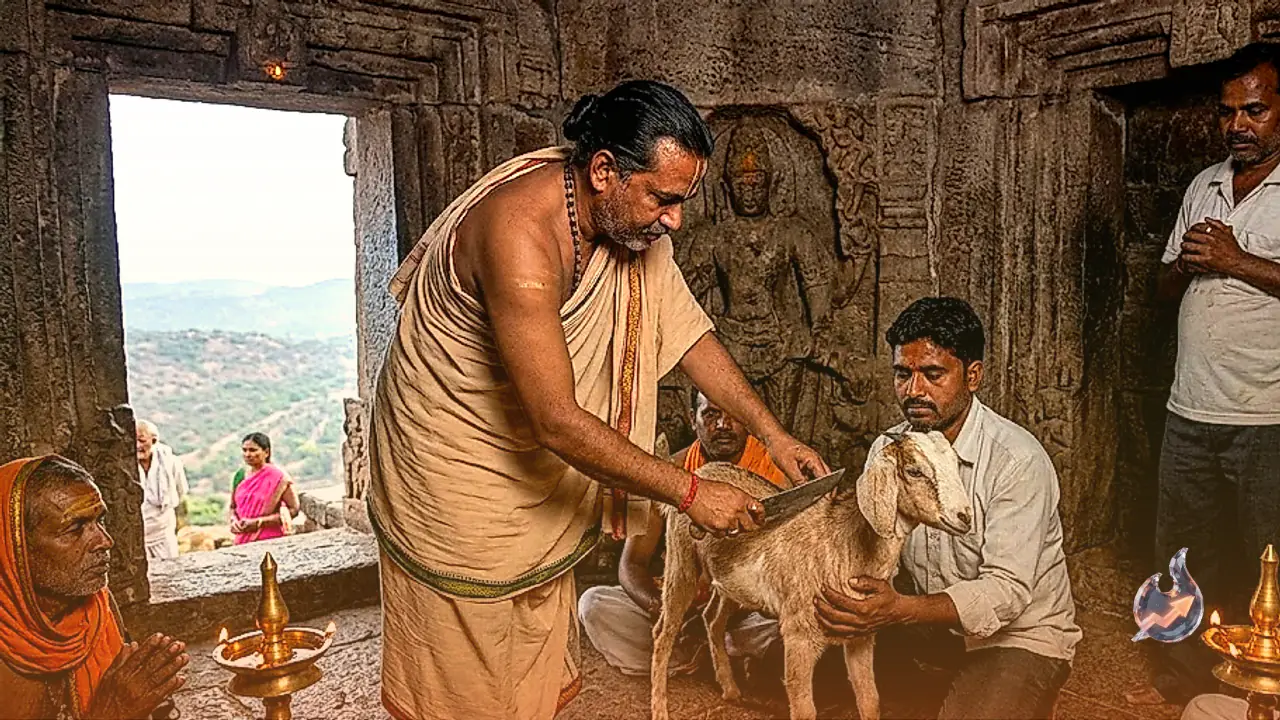
One of the most remarkable aspects of the shrine is its ritual tradition regarding animal sacrifice. Unlike conventional practices, no harm or bloodshed occurs during ceremonies here. Worshippers bring animals to the temple as part of their vows, and following the completion of sacred prayers, the animals are released unharmed in the name of the deity. This peaceful ritual is widely known as a bloodless sacrifice.
Travel Guide: How to Reach the Temple
Travelers planning a visit from Delhi or other long-distance locations are advised to set aside 4 to 5 days for a comfortable trip. For those traveling by train, the nearest railway stop is Bhabhua Road station, located approximately 23 kilometers from the temple grounds, from where local transport is readily available. Alternatively, air travelers can fly into Lal Bahadur Shastri International Airport in Varanasi and complete the remaining journey to the temple via road.