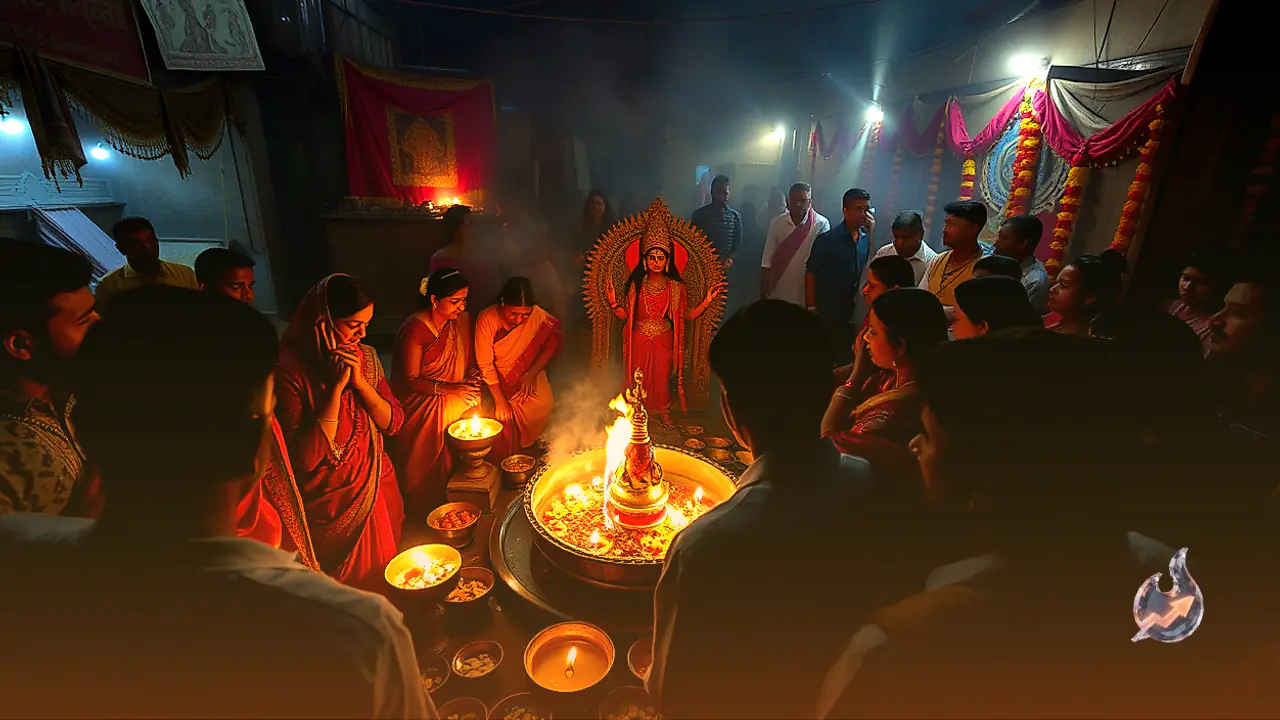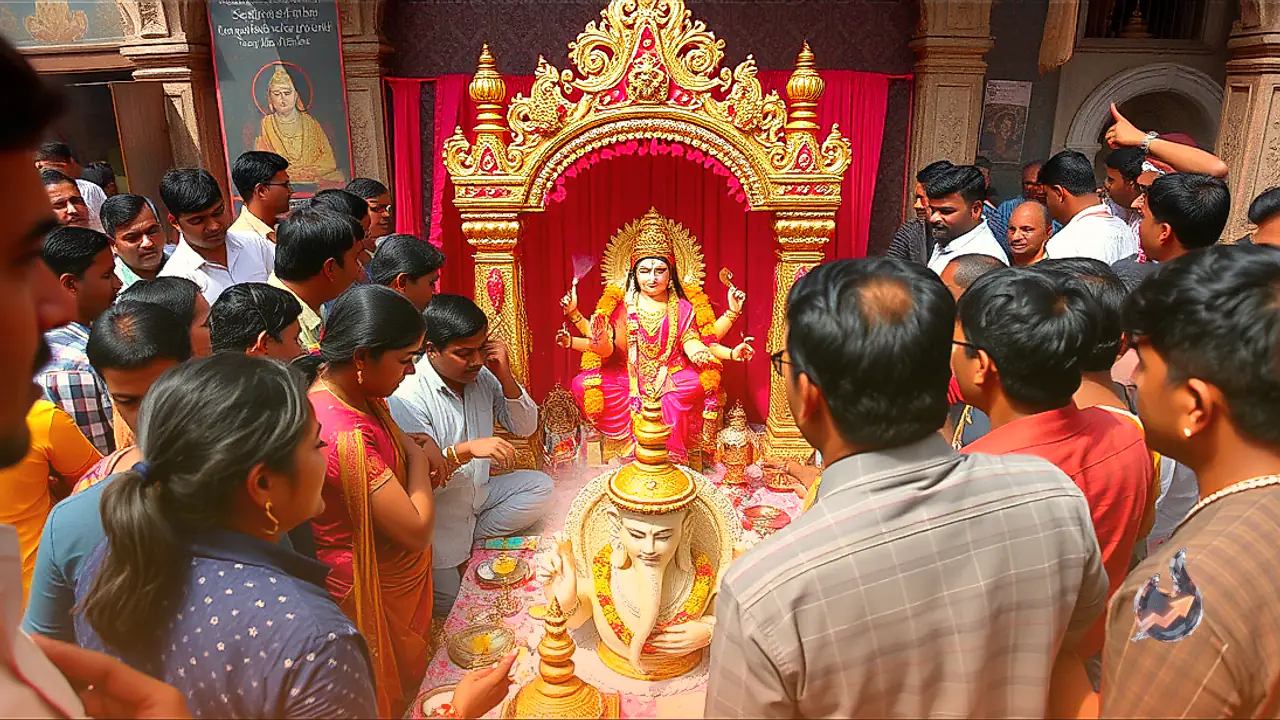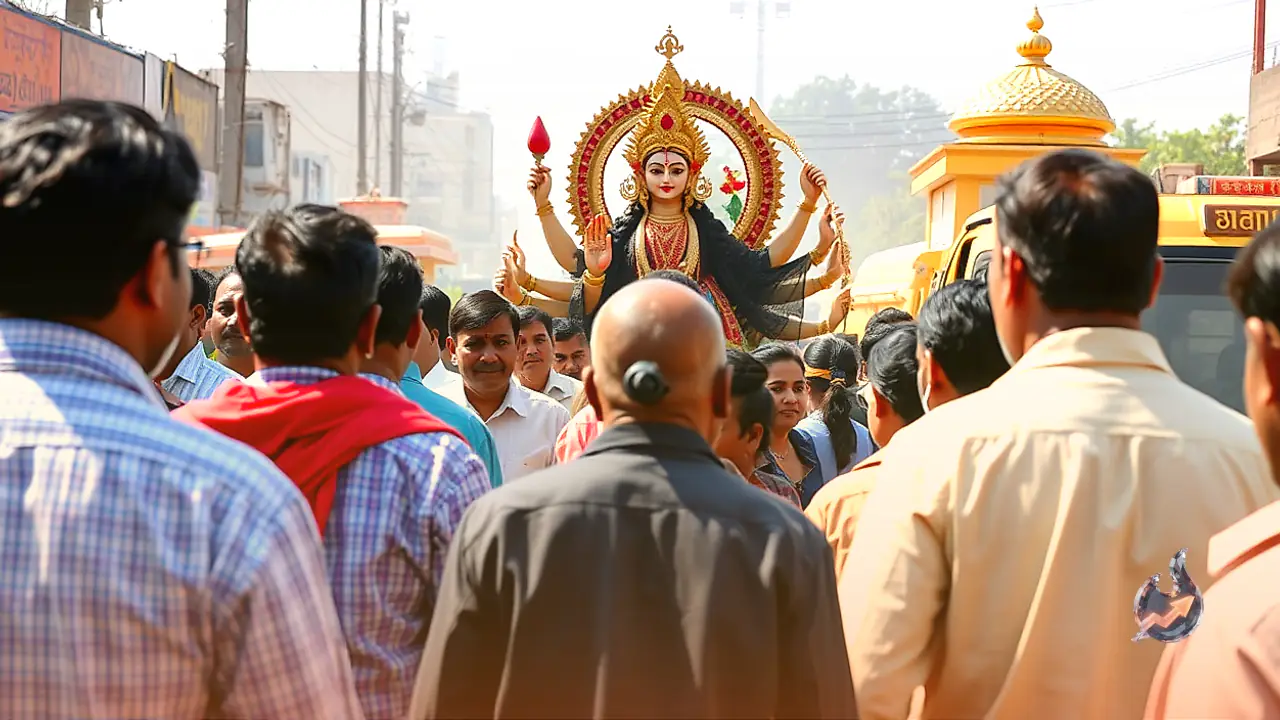



















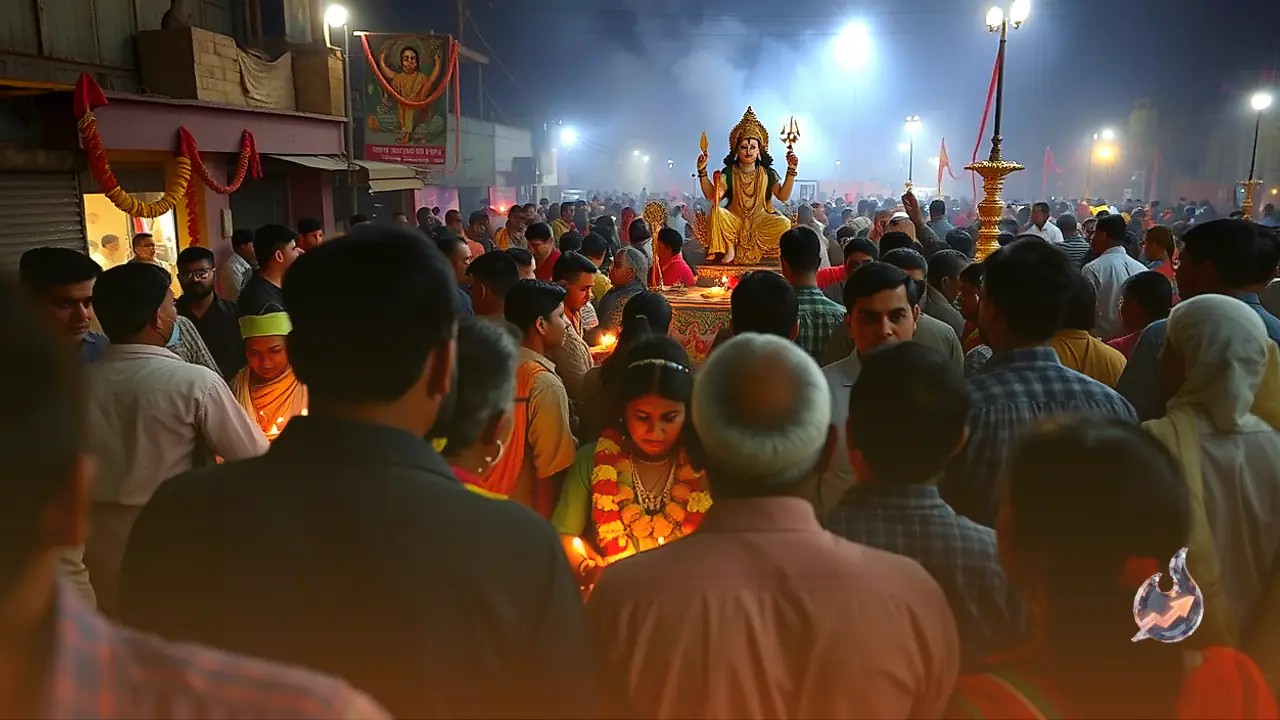

In Hindu traditions, several major festivals ranging from Mahashivratri to Navratri place special emphasis on nighttime worship, overnight vigils, and deep spiritual practice. Whether it is Mahashivratri dedicated to Lord Shiva or Navratri celebrated for the worship of Goddess Durga, the night holds a prominent place in these observances. Not just Shivratri or Navratri, but festivals like Diwali, Karwa Chauth, Krishna Janmashtami, and Sharad Purnima are also celebrated during the night hours. This raises the question of why nighttime prayers and religious rituals are given such high importance in Hindu culture, and whether there is a spiritual secret hidden behind this or if it relates to ancient traditions.
Why Special Prayers Happen at Night
During the day, our attention is constantly pulled in different directions due to work, daily responsibilities, and continuous noise. In contrast, the quiet environment of the night is considered conducive to meditation, spiritual practice, and self-reflection. The significance of nighttime vigils, chanting, and worship during festivals like Mahashivratri and Navratri can be understood through this spiritual perspective. Night worship is not merely about darkness, but represents an opportunity to turn inward. For devotees, this quiet time provides an opportunity to focus on prayer, discipline, and a deeper connection with the divine.
The Meaning of Night in Hindu Philosophy
In Sanskrit, ratri means night. In a spiritual context, night can be viewed as an opportunity to shift focus from external activities to inner consciousness. Darkness is not always a symbol of negativity, but can also evoke a sense of peace and introspection. The interpretation of the meaning and importance of night may vary across different religious traditions. Festivals such as Navratri, Mahashivratri, Diwali, Karwa Chauth, Krishna Janmashtami, and Sharad Purnima are celebrated at night, each holding its own spiritual significance.
Why Navratri Spans Over Nine Nights
The word Navratri is derived from two words, nav meaning nine and ratri meaning night. During Sharad Navratri and Chaitra Navratri, devotees worship the nine forms of Goddess Durga. This festival conveys the message of power, courage, knowledge, compassion, and the victory of good over evil. Navratri is not just an opportunity to worship the mother goddess, but also a chance to understand the energy of the entire universe. These nine nights offer an opportunity to connect with the powers of Goddess Bhavani, making the festival both a religious ritual and a period of personal introspection.
The Connection Between Power and Peace
In the Shakta tradition, Goddess Durga is worshipped as Aadi Shakti. Shakti symbolizes creation, preservation, and transformation, while peace helps stabilize the mind. This does not mean spiritual awakening can happen only at night. Rather, the contrast between silence and activity provides a useful way to think about inner transformation. Traditional Hindu culture also celebrates seasonal changes like religious festivals. Some modern spiritual interpretations link these changes to the idea of restoring inner balance, though the religious traditions of Navratri are rooted in the Hindu calendar and established beliefs.
Mahashivratri and Navratri
Both Mahashivratri and Navratri provide opportunities for devotion, spiritual practice, and self-reflection. While Mahashivratri is a special festival dedicated to the worship of Lord Shiva, Navratri is devoted to the power of Goddess Durga and her various forms. The message of these festivals is that amidst the busyness of life, some time should be carved out to improve one's mind, thoughts, and conduct.