















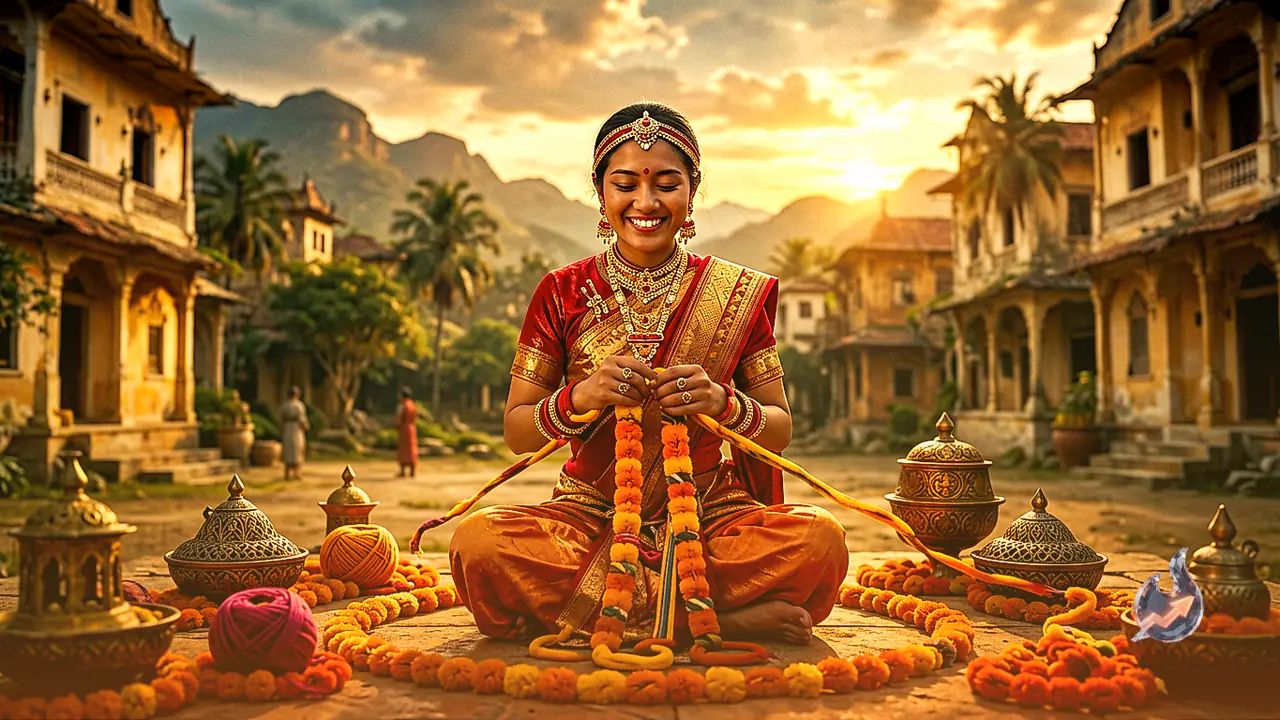

The sacred festival of Rakshabandhan will be celebrated across the nation on Friday, 28 August 2026. On this revered day, the auspicious timeframe or Shubh Muhurat for tying the sacred thread of rakhi begins at 05:57 AM in the morning and concludes at 10:46 AM. While modern tradition holds Rakshabandhan as a celebration of the unique emotional bond and protection between brothers and sisters, ancient scriptural history points to a fascinating origin story. According to the Bhavishya Purana, the very first protective thread or rakshasutra was not tied by a sister to a brother, but by a devoted wife to her husband to ensure his protection and victory on the battlefield.
The Ancient Legend of Indra and Indrani
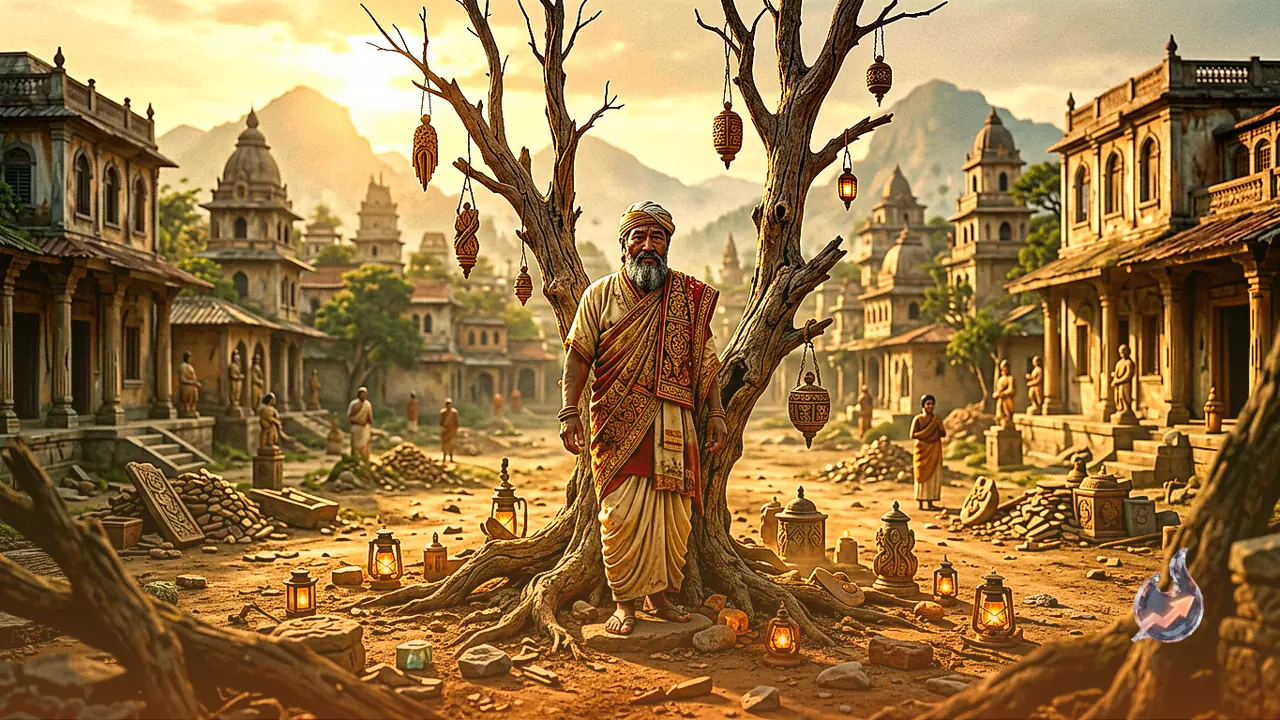
According to ancient Hindu scriptures, a devastating war erupted between the Devas (gods) and the Danavas (demons) in antiquity. This cosmic conflict raged relentlessly for 12 full years. As the conflict stretched over a decade, the demon forces gradually gained dominance, bringing the divine forces to the brink of defeat. Sensing their imminent downfall, Devraj Indra, the ruler of heaven, along with the other deities, became deeply distressed. Indra's wife Indrani grew equally anxious about her husband's safety and the survival of the celestial kingdom.
Determined to find a spiritual resolution, Indrani approached the divine preceptor Dev Guru Brihaspati for guidance. She sought a powerful remedy that could shield the gods and restore their victory. Dev Guru Brihaspati advised her to craft a sacred thread and consecrate it with Vedic mantras before tying it around Lord Indra's wrist. Following his instructions, Indrani prepared the blessed thread on Shravan Purnima and tied it onto her husband's right wrist. Fortified by the spiritual energy of this consecrated thread, Indra led his forces back into battle and achieved a decisive victory over the demons.
Evolution from Spousal Protection to a Sibling Celebration
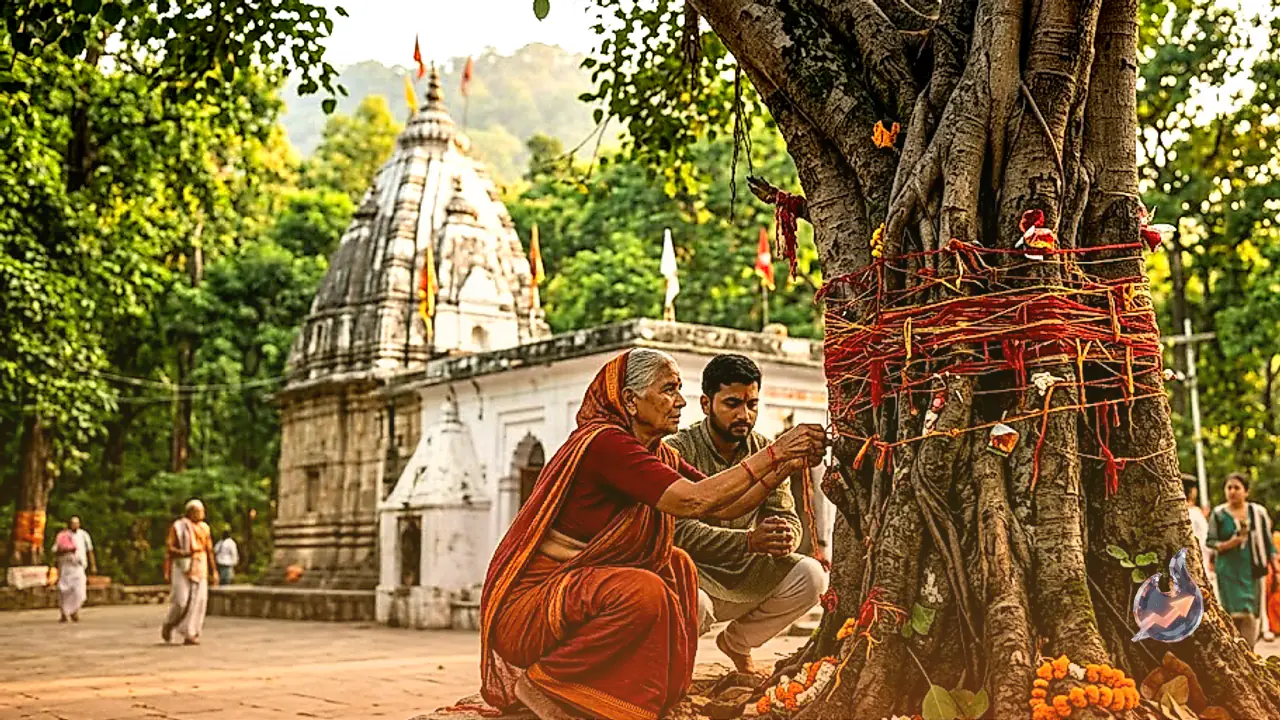
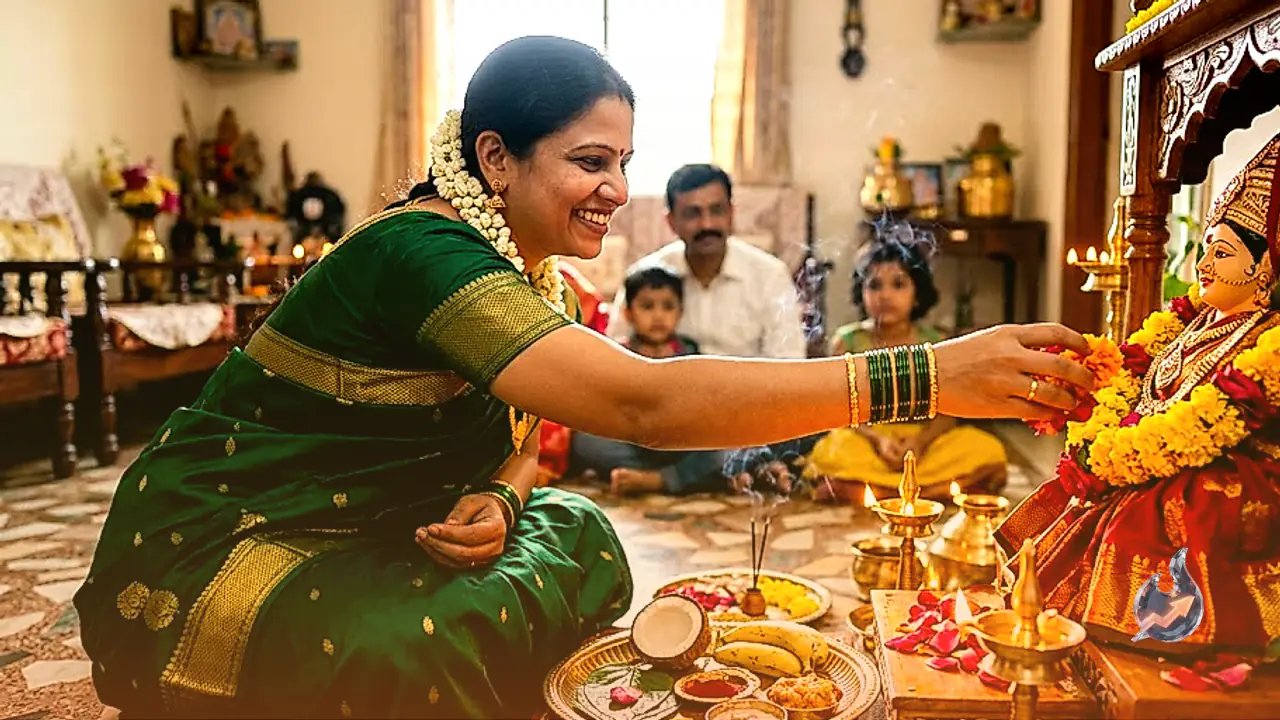
Following the event described in the Bhavishya Purana, tying a protective thread became a established spiritual custom for victory, well-being, and longevity. Historically, this protective ritual was performed for warriors heading to battle or individuals undertaking significant spiritual vows. Over centuries, this practice evolved into a broader familial festival, ultimately centering on the sacred relationship between brothers and sisters. Today, on Shravan Purnima, sisters tie decorative rakhis on their brothers' wrists to pray for their happiness and long life, while brothers pledge to protect them.
The Divine Connection of Goddess Lakshmi and King Bali
The festival of Rakshabandhan is also historically linked to Goddess Lakshmi and King Bali. Scriptural narratives state that when Lord Vishnu resided in the netherworld (Patal Lok) as King Bali's guardian, Goddess Lakshmi traveled there to bring her divine consort back to Vaikuntha. She tied a protective thread on King Bali's wrist, accepting him as her brother, and in return requested Lord Vishnu's release. This divine narrative remains another cherished origin story of the Rakshabandhan heritage.