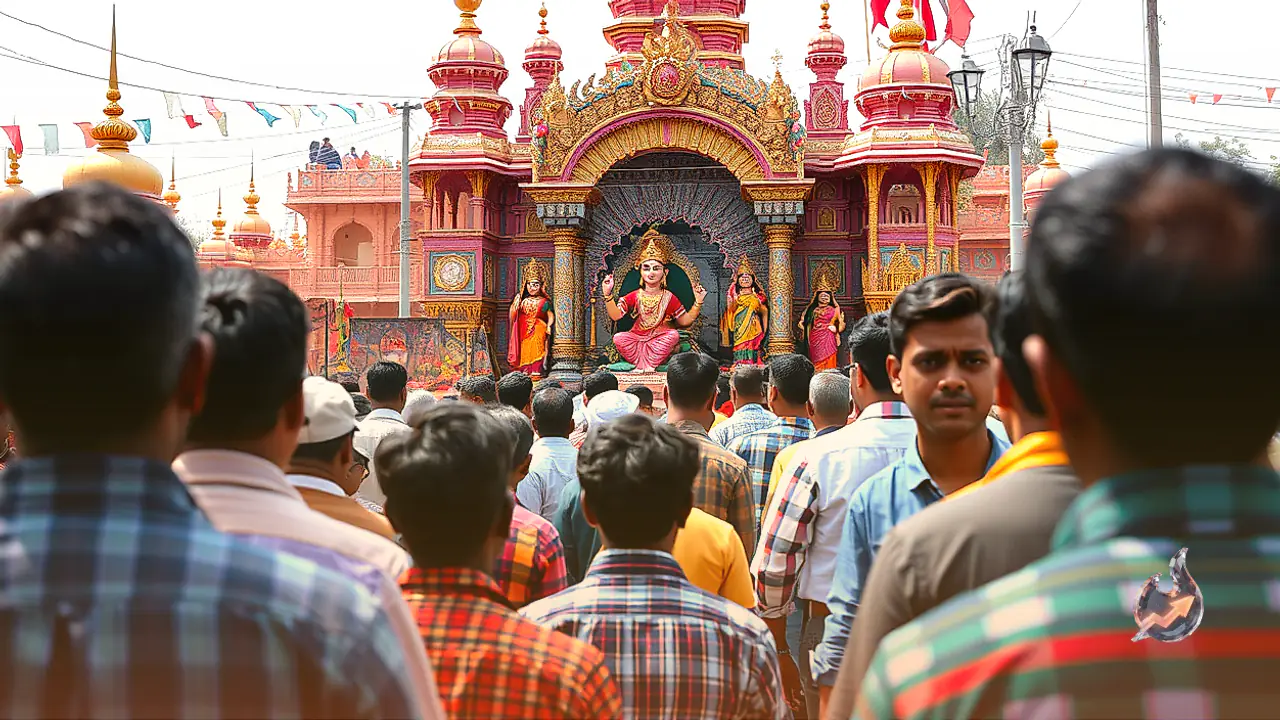























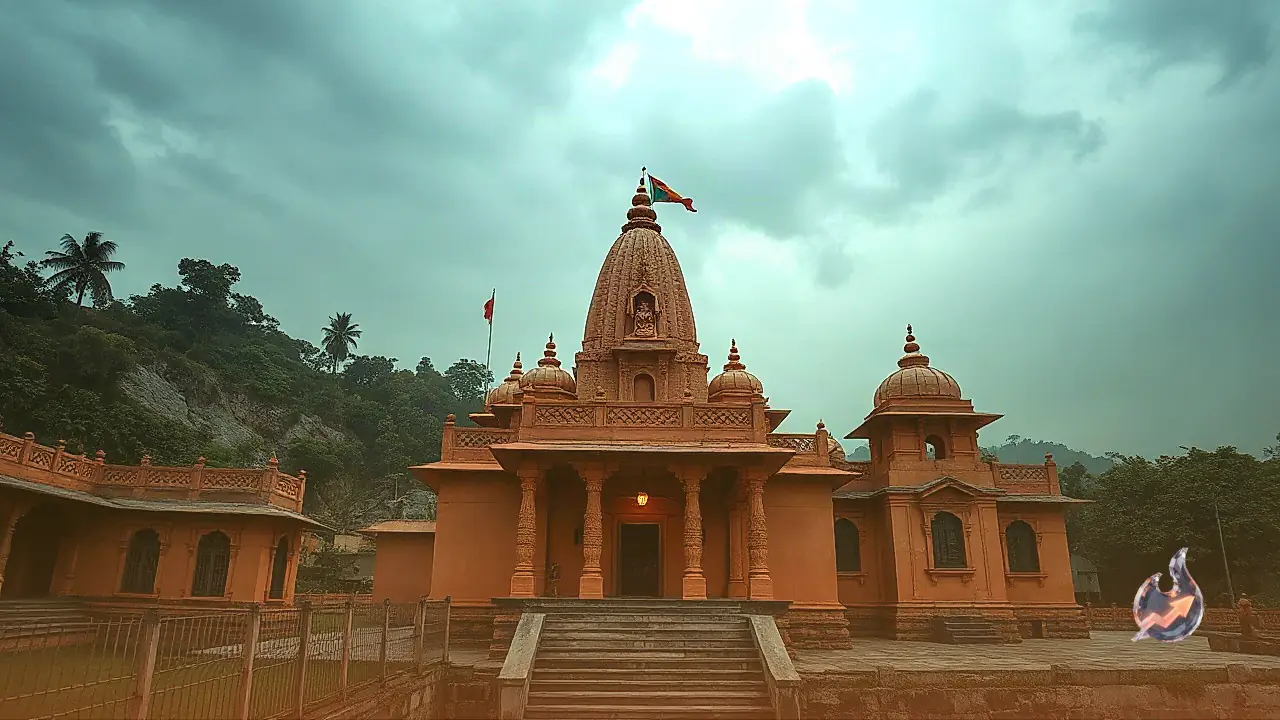

The city of Udaipur and its surrounding regions in Rajasthan are celebrated worldwide not only for their breathtaking landscapes and lakes, but also for their ancient spiritual destinations. Throughout this region, numerous sacred shrines showcase a seamless blend of natural beauty and deep religious devotion. Among these revered sites, the Tileshwar Mahadev Temple holds a prominent place in the hearts of pilgrims. Renowned for its unique geographical setting and the tradition of offering sesame seeds to Lord Shiva, this shrine draws visitors seeking both spiritual solace and scenic views.
Situated in a 100-Foot Natural Gorge Surrounded by Nature
Tileshwar Mahadev Temple is nestled in a serene natural environment marked by a striking geological feature, a natural depression or gorge approximately 100 feet deep. The temple sits amidst rugged rock formations and dense vegetation. During the monsoon season, the surrounding landscape undergoes a remarkable transformation. Rainwaters feed nearby streams and rivers, causing natural waterfalls to cascade down the rocky cliffs. Paying homage to Lord Shiva surrounded by vibrant green hills, towering rocks, and rushing streams offers devotees a distinct and memorable experience.
The Unique Tradition of Offering Sesame Seeds to Lord Shiva
The defining aspect of this sacred shrine lies in its unique ritualistic practice. Devotees traveling to the temple offer sesame seeds (known locally as til) to Lord Shiva while praying for the fulfillment of their personal wishes and desires. It is this long-standing tradition of offering til that gave the shrine its name, Tileshwar Mahadev. Throughout the year, and particularly during auspicious occasions, worshipping the deity with sesame seeds remains the central focus of the pilgrimage.
Surge in Devotees and Nature Lovers During the Sacred Sawan Month
The holy month of Sawan (Shravan) is dedicated to the worship of Lord Shiva, leading to a substantial surge in visitor footfall at Tileshwar Mahadev Temple. As heavy rains cover the neighboring hills in lush greenery and set natural waterfalls into motion, the site reaches the peak of its scenic charm. Visitors combine their religious rituals with sight-seeing, enjoying the tranquil environment. Consequently, the temple serves as a popular destination both for devout pilgrims and for nature lovers seeking a refreshing retreat.
Crucial Safety Precautions Required Near Deep Structure and Streams
While the monsoon enhances the visual appeal of the temple, it also introduces safety challenges that require strict vigilance from visitors. Because the shrine is located near a 100-foot-deep natural formation surrounded by rocks and swift water currents, navigating the terrain during heavy rainfall demands extra care. Slippery pathways and rising water levels pose potential hazards. Pilgrims and tourists are strongly advised to remain cautious around steep edges and flowing streams to ensure a safe and peaceful visit.