

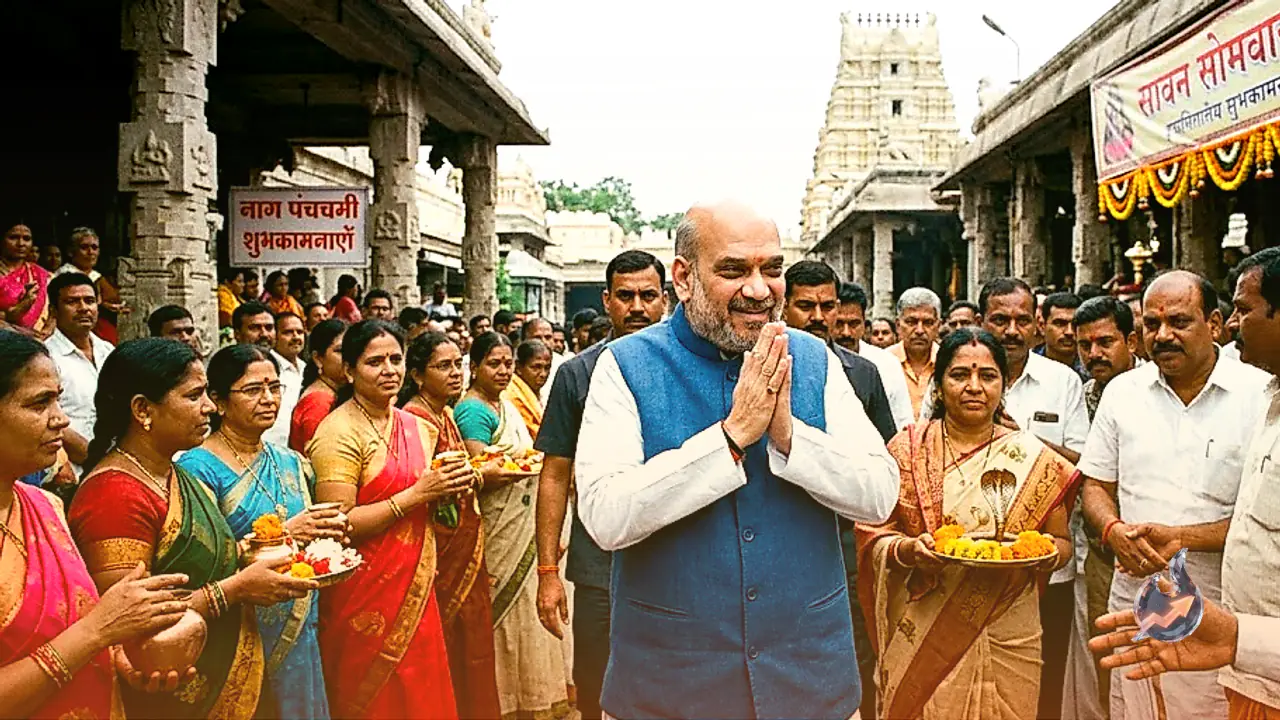
















For devotees of Lord Ganesha, Sankashti Chaturthi ranks among the most important monthly fasts of the year. Falling every month on the Chaturthi of the Krishna Paksha, the day is observed with a day-long fast, a special Ganesh puja and the worship of the Moon. On this day devotees pray for success, financial stability, good health and relief from the difficulties of life.
The fast is also known as Sankatahara Chaturthi or Sankat Chauth, and it carries deep religious weight among devotees across India. What makes it distinct is that the vrat is considered complete only after the Moon is sighted and Arghya is offered to it, which turns the moonrise into the most awaited moment of the day. Every month thousands of devotees head to Ganesh temples or perform detailed rituals at home, hoping to clear obstacles and invite positivity into their lives.
Date and Panchang
According to the Hindu Panchang, the Ashadha Sankashti Chaturthi will be observed on Friday, July 3, 2026. The Chaturthi Tithi begins at 11:20 AM on July 3 and ends at 12:40 PM on July 4, 2026. Since the vrat is kept in line with the moonrise on Chaturthi, devotees will fast on July 3.
- Sunrise (July 3, 2026): 5:49 AM
- Sunset: 7:12 PM
- Moonrise: 9:58 PM
- Moonset: 9:20 AM (July 4)
Why the Fast Matters
Sankashti Chaturthi is counted among the most spiritually rewarding fasts dedicated to Lord Ganesha. Hindu scriptures describe him as the remover of obstacles, and devotees believe that sincere worship on this day helps clear hurdles in personal, professional and financial life.
The vrat is also seen as helpful for those seeking career growth, steady income, a peaceful family life, good health and success in new ventures. Many devotees keep the fast every month as a way of expressing gratitude and devotion to Lord Ganesha.
How the Puja Is Performed
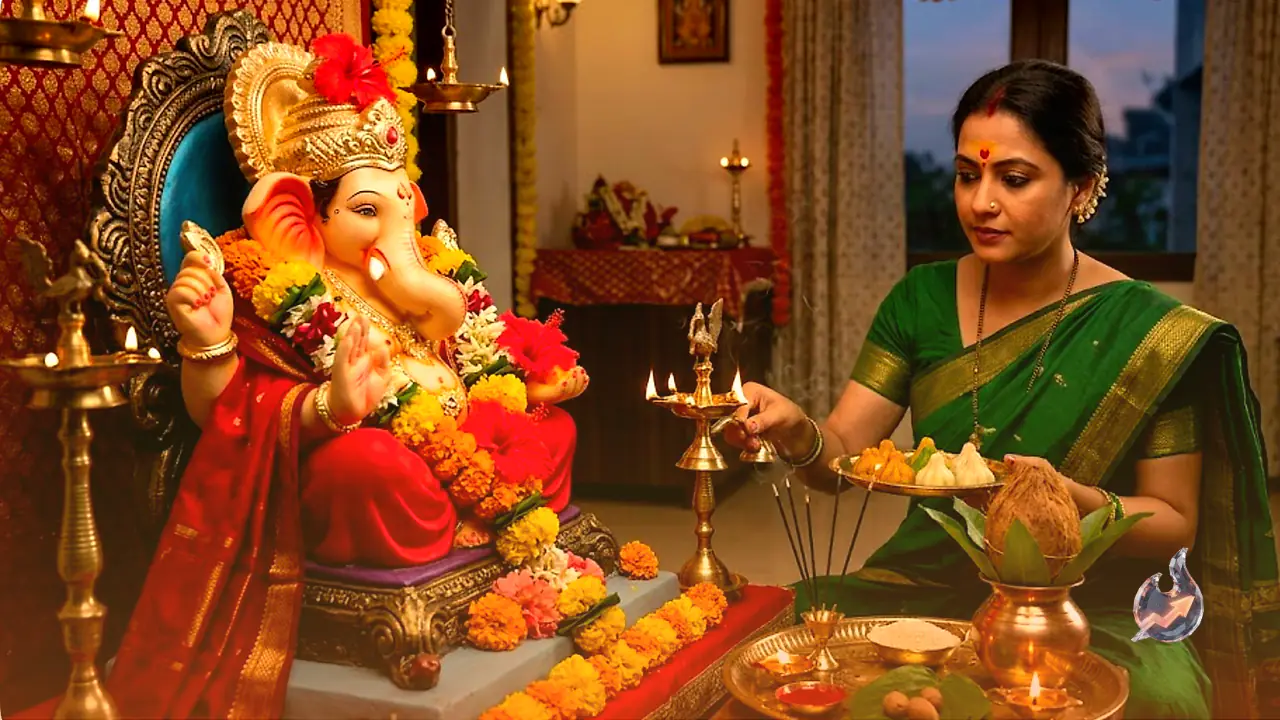
The day starts before sunrise, with devotees taking a holy bath and putting on clean clothes before taking the vow of the fast. After the worship space is cleaned, an idol or picture of Lord Ganesha is placed on a decorated altar.
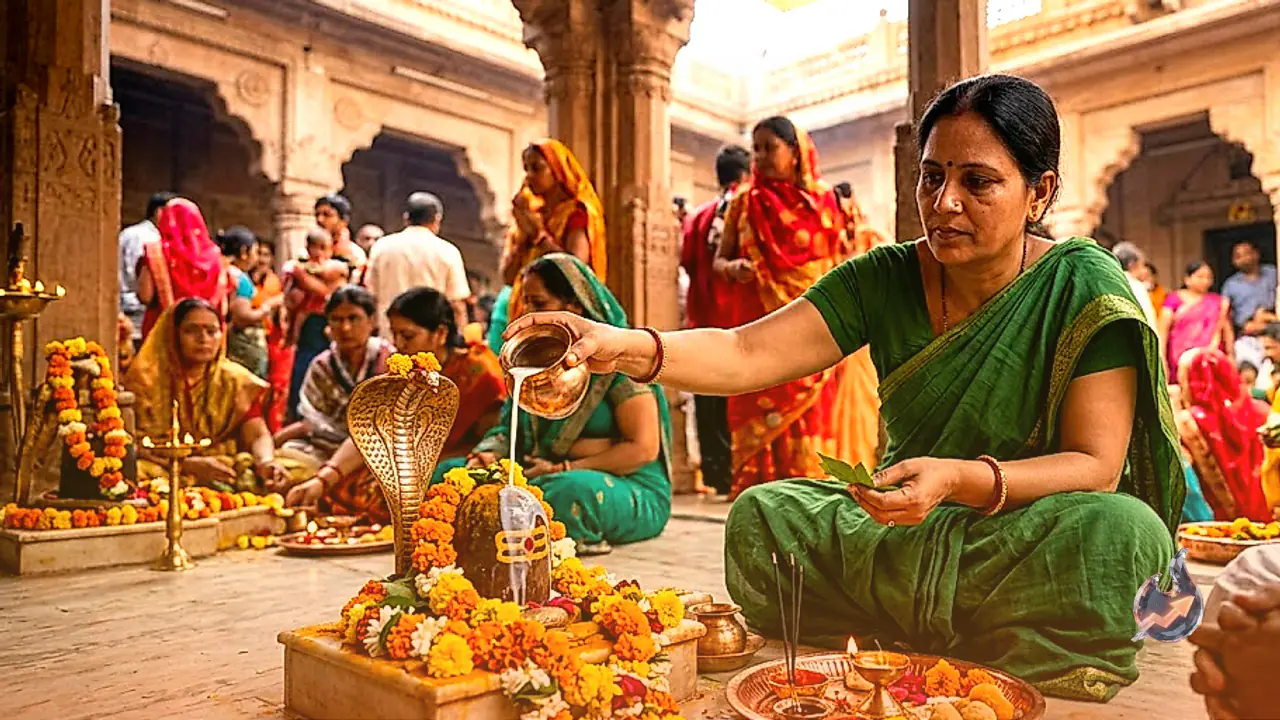
During the puja, devotees offer sacred Durva grass, flowers, rice grains and sandalwood paste, and light a lamp before the deity. As bhog, offerings such as Modak, laddoo, or jaggery with roasted gram are presented.
The mantra Om Gam Ganapataye Namah is chanted again and again, with many devotees completing at least 108 recitations. Through the day, devotees hold the fast while staying immersed in prayer and meditation.
The vrat ends only after the Moon rises. Devotees first offer Arghya to Chandra Dev, perform Lord Ganesha's aarti once more, and only then break the fast. Donating food, clothes or other essentials to the needy on this occasion is regarded as highly meritorious.
The Sankashti Ganesh Chaturthi Vrat Katha
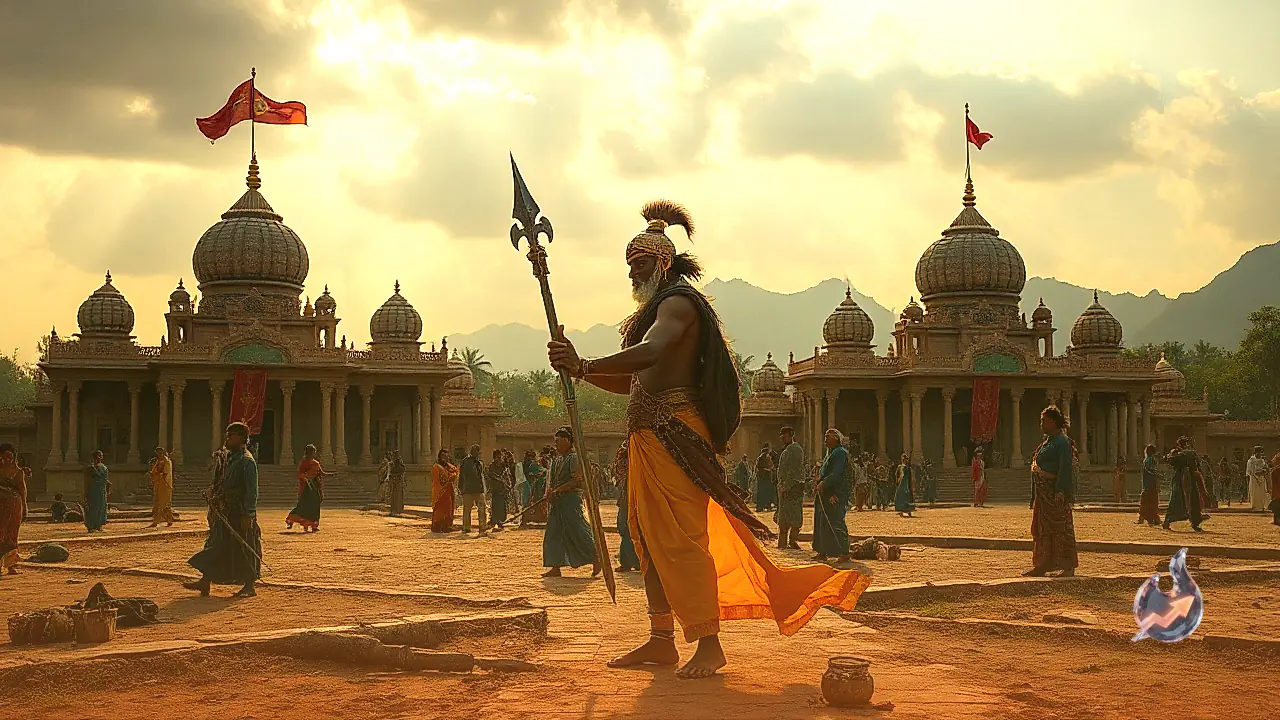
One of the most widely told stories linked to Sankashti Chaturthi is that of King Harishchandra, who suffered greatly after losing his kingdom, wealth and family.
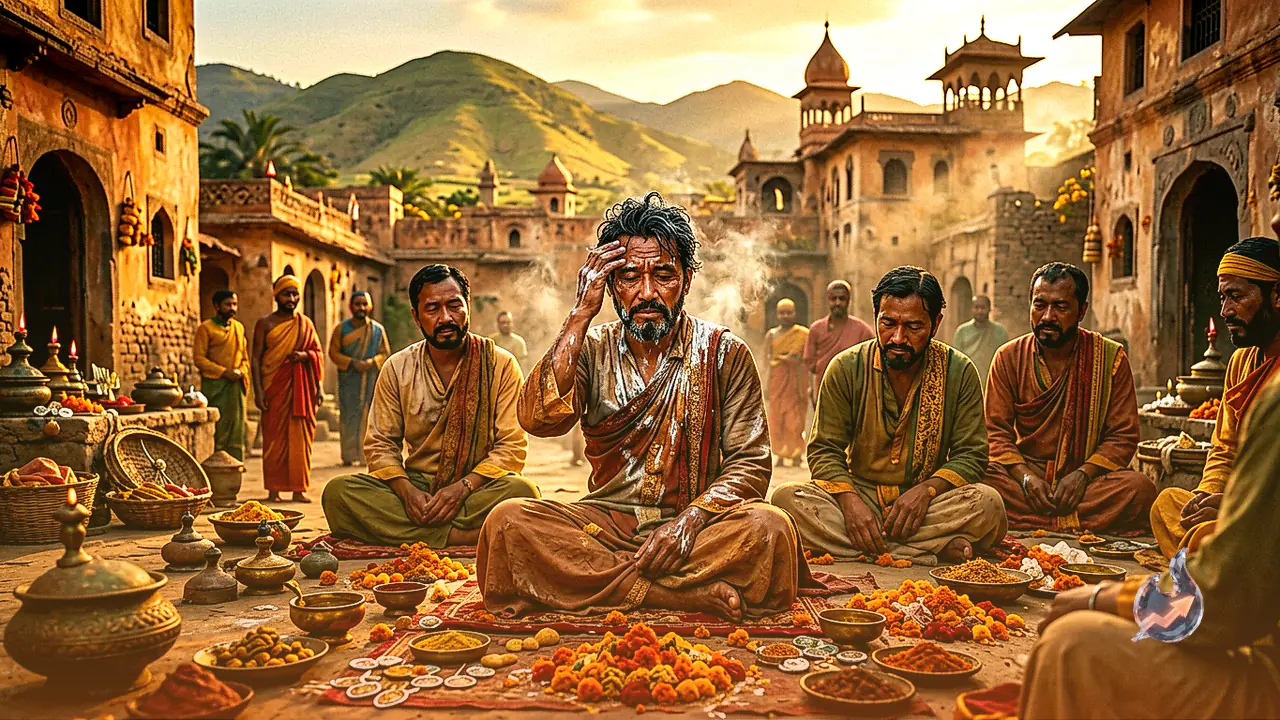
During this hard phase, the king turned to Sage Lomash for guidance. The sage advised him to observe the Sankashti Ganesh Chaturthi fast with unshakeable devotion. Following the sage's instructions, King Harishchandra worshipped Lord Ganesha, listened to the sacred Vrat Katha, and completed the fast only after praying to the Moon.
Moved by the king's genuine devotion, Lord Ganesha removed all the hardships from his life and restored his lost kingdom, prosperity, honour and family.
The story reflects Lord Ganesha's role as Sankata Nashana, the destroyer of obstacles. It strengthens the belief that those who keep the Sankashti Chaturthi Vrat with complete faith are blessed with peace, prosperity, success and the strength to overcome life's challenges.