

















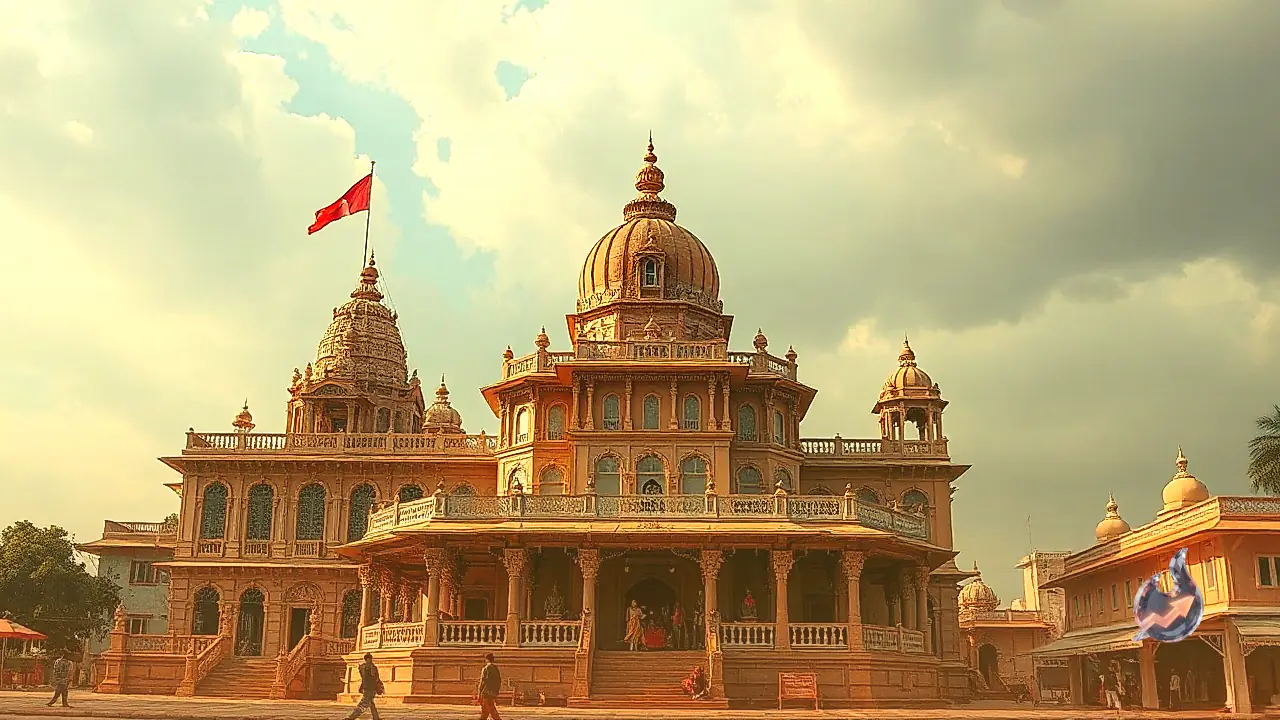

Devotees across the country are preparing for an exceptionally auspicious occasion on August 17, 2026. This year, the Panchami Tithi of the Shukla Paksha in the month of Sawan brings a celestial alignment that has not occurred in the past 23 years. The sacred festival of Nag Panchami directly coincides with the third Monday (Somwar) of the holy Sawan month. A similar rare confluence last took place in the year 2003. In Hindu traditions, every Monday of Sawan is deeply revered for dedicating prayers to Lord Shiva, whereas Nag Panchami represents a historic tradition of showing gratitude to the Serpent Deity and expressing deep reverence toward nature. The merging of these two major observances on a single day amplifies their spiritual significance manifold.
A Rare 23-Year Confluence and Astrological Yogas
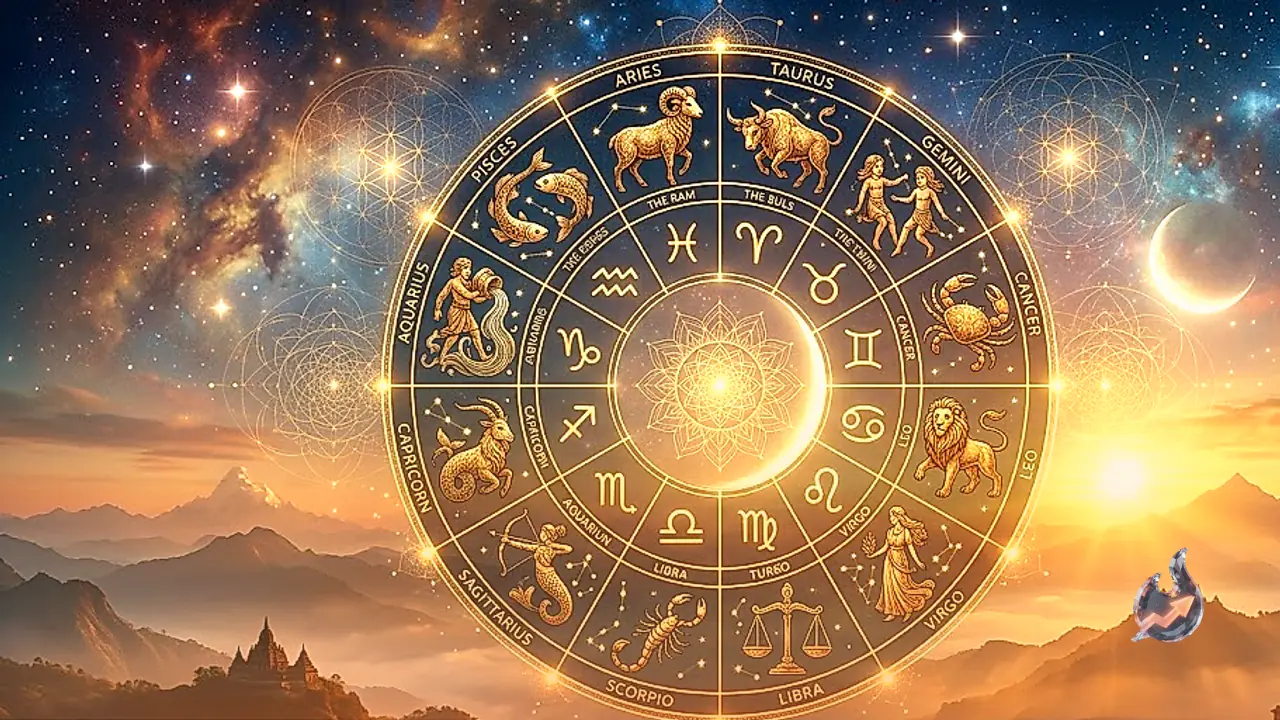
According to Vedic astrologers, August 17 will witness not only the convergence of Sawan Somwar and Nag Panchami but also the formation of several powerful planetary combinations. The day begins under the beneficial influences of Shubh Yog, Shukla Yog, and the auspicious Ravi Yog. Furthermore, Jupiter (Guru) being situated in its exalted sign gives rise to the exalted Hansraj Yog. Performing rituals and worshiping Lord Shiva alongside Nag Devta during these rare celestial configurations is believed to grant relief from longstanding afflictions. In particular, individuals facing the burdens of Kalsarp Dosha or Pitru Dosha in their birth charts can seek powerful remedies through dedicated prayers on this day. The alignment is considered optimal for restoring peace, happiness, and harmony in life.
Panchami Tithi Timings and Panchang Calculations
As per the astronomical calculations of the Hindu Panchang, the Panchami Tithi of Shukla Paksha starts on August 16 at 4:52 PM. This lunar date continues until 5:00 PM on August 17. Traditional festival observances in Hinduism are determined by the Tithi prevailing at the time of sunrise. Because the Panchami Tithi is present at dawn on August 17, the festival of Nag Panchami will be officially celebrated on Monday, August 17, adhering strictly to Panchang rules.
Optimal Puja Muhurat and Worship Rituals
The most auspicious period to conduct Nag Panchami prayers and rituals runs from 5:50 AM to 8:28 AM on August 17. Devotees will have a total duration of 2 hours and 37 minutes to complete their worship. During this auspicious timeframe, one can perform complete rituals dedicated to both Lord Shiva and the Serpent Deity. Those looking to perform remedies for Kalsarp Dosha, Pitru Dosha, or snake-related astrological defects will find this window particularly efficacious. Additionally, worship conducted during the Abhijit Muhurat later in the day is also deemed highly beneficial.
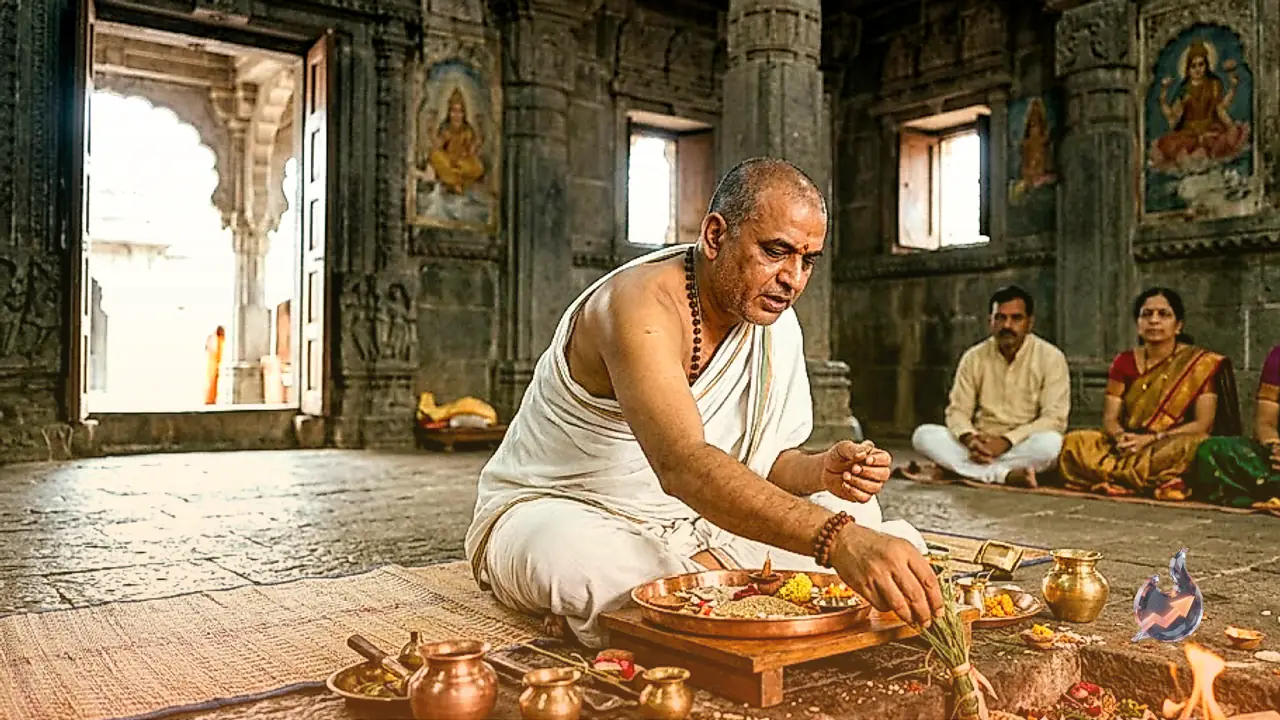
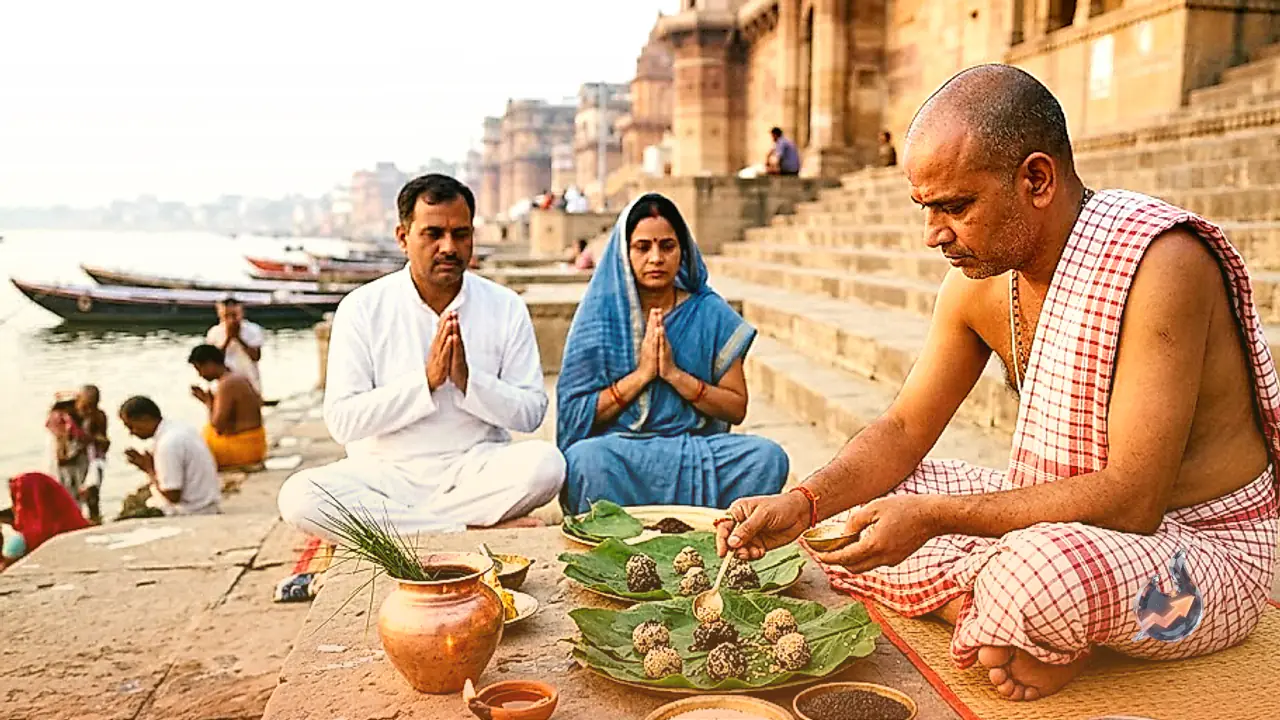
For the prescribed ritual procedure, devotees should offer fresh water, pure cow milk, belpatra, dhatura, and aak flowers onto the Shivling. For the Nag Devta worship, sacred offerings include milk, turmeric, kush grass, and fresh flowers presented before an idol or image of the Serpent God.
Complete Schedule of Auspicious Timings
Devotees planning their daily prayers and spiritual activities on August 17 can refer to the following key timings calculated for the day
- Brahma Muhurat: 04:25 AM to 05:09 AM (Ideal for early morning meditation and prayer).
- Ravi Yog: 05:52 AM to 08:04 AM (Brings positive energy and success in auspicious endeavors).
- Abhijit Muhurat: 12:00 PM to 12:52 PM (A universally auspicious window for performing sacred tasks).
- Vijaya Muhurat: 02:37 PM to 03:29 PM (Favorable for initiating important rituals and seeking victory).
- Godhuli Muhurat: 06:59 PM to 07:21 PM (Ideal for twilight prayers and evening Aarti).
Understanding Rahukaal Guidelines and Bhadra Status
Devotees should also keep track of the Rahukaal period during the festival. On August 17, Rahukaal is scheduled between 7:31 AM and 9:09 AM. Generally, starting new auspicious works or initiating fresh rituals during Rahukaal is avoided. However, astrological guidelines state that Shiva worship performed specifically for neutralizing the negative impacts of Rahu and Ketu can certainly be undertaken during Rahukaal. Since Kalsarp Dosha stems from the positioning of Rahu and Ketu in a horoscope, chanting Shiva mantras and performing remedial prayers during this timeframe is considered highly effective. Furthermore, there is no influence of Bhadra on Nag Panchami this year, eliminating any concerns regarding Bhadra-related delays or restrictions.
Mystical Connection Between Panchami Tithi and Nag Devta
In Hindu mythology and astrology, every Tithi is governed by a presiding deity. The fifth Tithi, known as Panchami, is inherently assigned to the Serpent God (Nag Devta). This divine association forms the foundation for observing Nag Panchami during the fifth day of the bright fortnight of Sawan. The entire month of Sawan is sacred to Lord Shiva, who shares an intricate bond with serpents, wearing Nagraj Vasuki as an ornament around His neck. Similarly, Lord Vishnu rests upon the celestial serpent Sheshnag, also known as Adishesh or Anant Nag, in the cosmic ocean. Because Panchami Tithi belongs to Nag Devta, the Sawan Panchami is regarded as the paramount day out of all twelve monthly Panchami dates for serpent worship.
Religious Significance and Do's and Don'ts for Devotees
Fasting and performing Shiva Abhishekam on Sawan Mondays is believed to fulfill the earnest desires of devotees. Concurrently, worshiping Nag Devta on Nag Panchami is believed to safeguard families from venomous threats, grant progeny, and bring wealth and prosperity to the household. Scholars emphasize that devotees should avoid attempting to feed milk to live snakes; instead, worshiping an idol, metal figurine, or portrait of Nag Devta is the scripturally sanctioned and ethical approach. Additionally, activities such as digging the earth, plowing fields, or causing harm to any living creature should be strictly avoided on this holy day. Sincere worship performed with purity of heart guarantees the divine blessings of both Lord Shiva and the Nagas.