














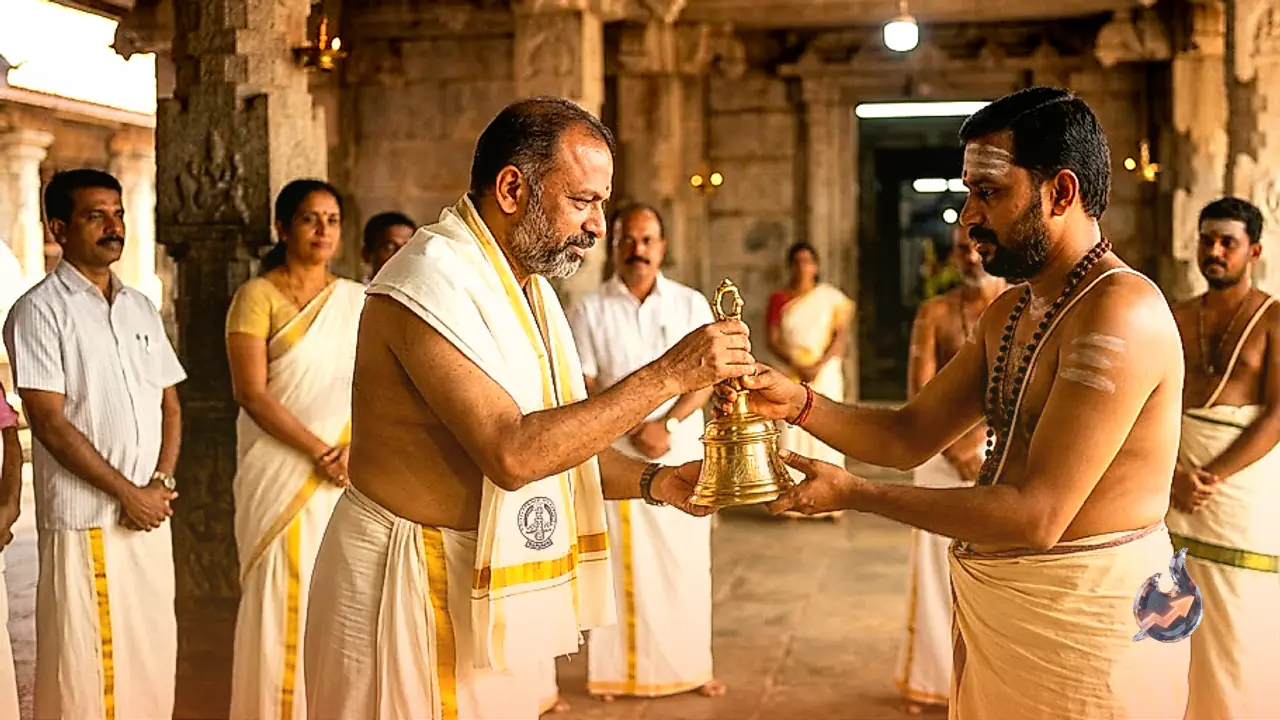

In a rare and deeply symbolic gesture of spiritual atonement, the administration of Kerala's famous Sabarimala Temple has initiated special religious rituals to seek forgiveness for past misconduct by its personnel. The Travancore Devaswom Board (TDB) dispatched a high-level delegation to the revered Sri Mookambika Temple in Kollur, Karnataka, to rectify a spiritual affliction known as 'Vak-Dosh', or the defect of speech. Caused by harsh and disrespectful language used by temple staff and security officers against visiting pilgrims years ago, the long-pending remedial process formally commenced with the offering of a consecrated brass bell at the shrine of Goddess Mookambika. This initiative comes as part of a broader effort to clear spiritual obstacles and ensure seamless arrangements ahead of the upcoming annual Mandalam pilgrimage season.
The 2018 Ashtamangala Devaprashnam and the Identification of Speech Defect
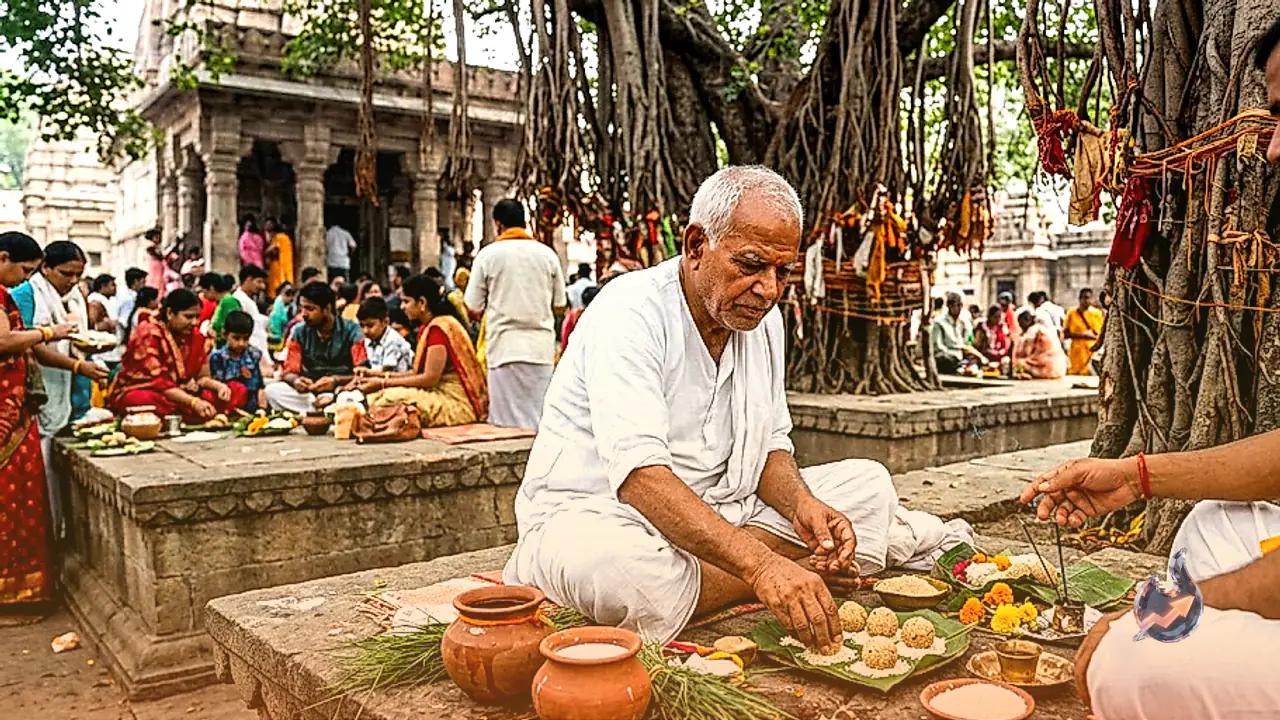
The origins of this unique remedial exercise date back to 2018, when an extensive astrological ritual known as the 'Ashtamangala Devaprashnam' was conducted at Sabarimala. In South Indian temple traditions, Devaprashnam is an ancient Vedic diagnostic practice performed by eminent astrologers and scholars to evaluate the spiritual health of a shrine, detect subtle systemic lapses, and ascertain divine directives. The 2018 exercise at Sabarimala revealed multiple spiritual concerns affecting the sanctuary, among which the behavioral conduct of temple staff emerged as a significant point of concern.
The astrological findings highlighted that certain security personnel and administrative staff had treated visiting devotees with rudeness, using harsh, derogatory, and inappropriate language during peak pilgrimage periods. Within traditional scriptural frameworks, engaging in abusive or abrasive speech within a sacred space generates 'Vak-Dosh', a verbal flaw that adversely impacts the spiritual sanctity and harmonious energy of the shrine. To neutralize this negative affliction, scholars prescribed specific atonement rituals and sacred offerings to be presented at the temple of the deity overseeing speech and eloquence.
Sanctification at Sannidhanam and the Offering of the Brass Bell at Kollur
After a delay of nearly eight years, the Travancore Devaswom Board decided to fulfill the prescribed spiritual requirements. A delegation led by senior TDB officials P.S. Santhakumar and Srinivasan was tasked with overseeing the initial ceremonial rites in Karnataka. The delegation carried a specially crafted brass bell that was first brought to Sabarimala Sannidhanam, the main temple complex in Kerala, for initial consecration.
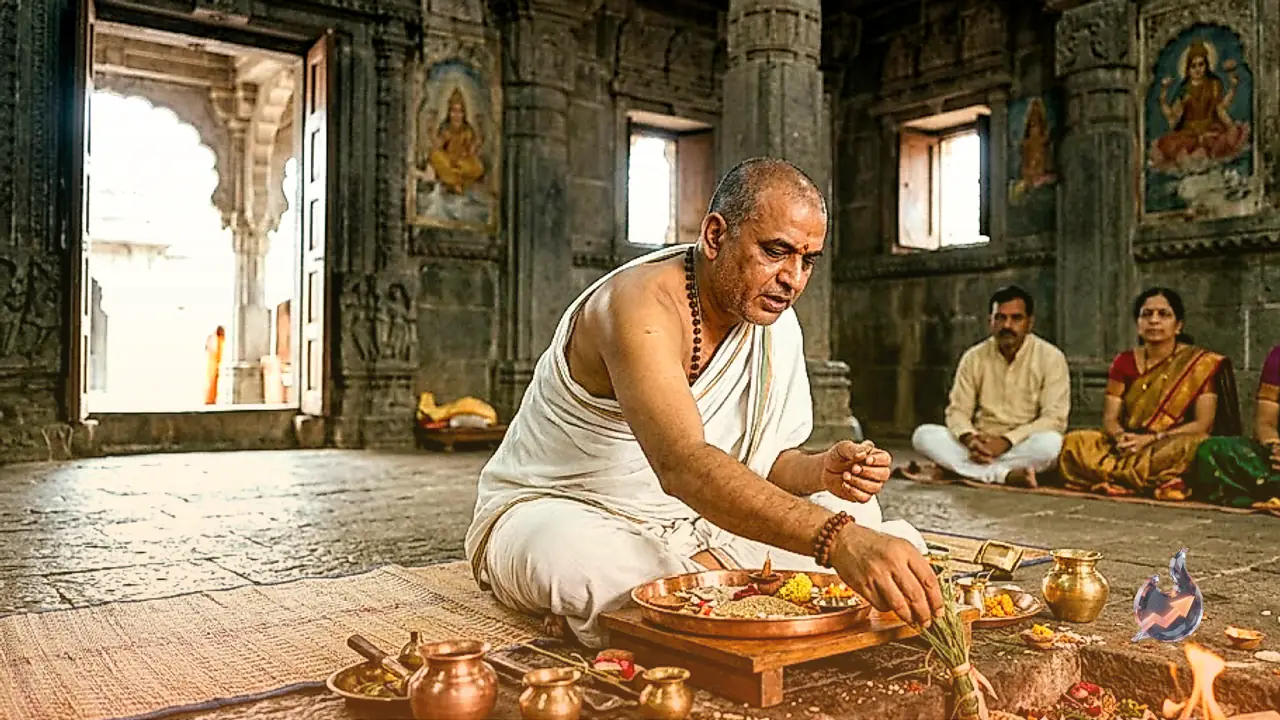
On August 3, during the auspicious 'Niraputhari' festival celebrated at Sabarimala, the brass bell underwent sacred purification rituals accompanied by traditional Vedic chants. Following this ceremony, the officials transported the bell to the Sri Mookambika Temple located in Kollur, within the Udupi district of Karnataka. Upon performing specialized prayers inside the sanctum sanctorum of Goddess Mookambika, the bell was formally presented as a sacred offering, successfully marking the completion of the first phase of the prescribed atonement plan.
Three Symbolic Offerings: The Spiritual Significance of the Tongue, Narayam, and Bell
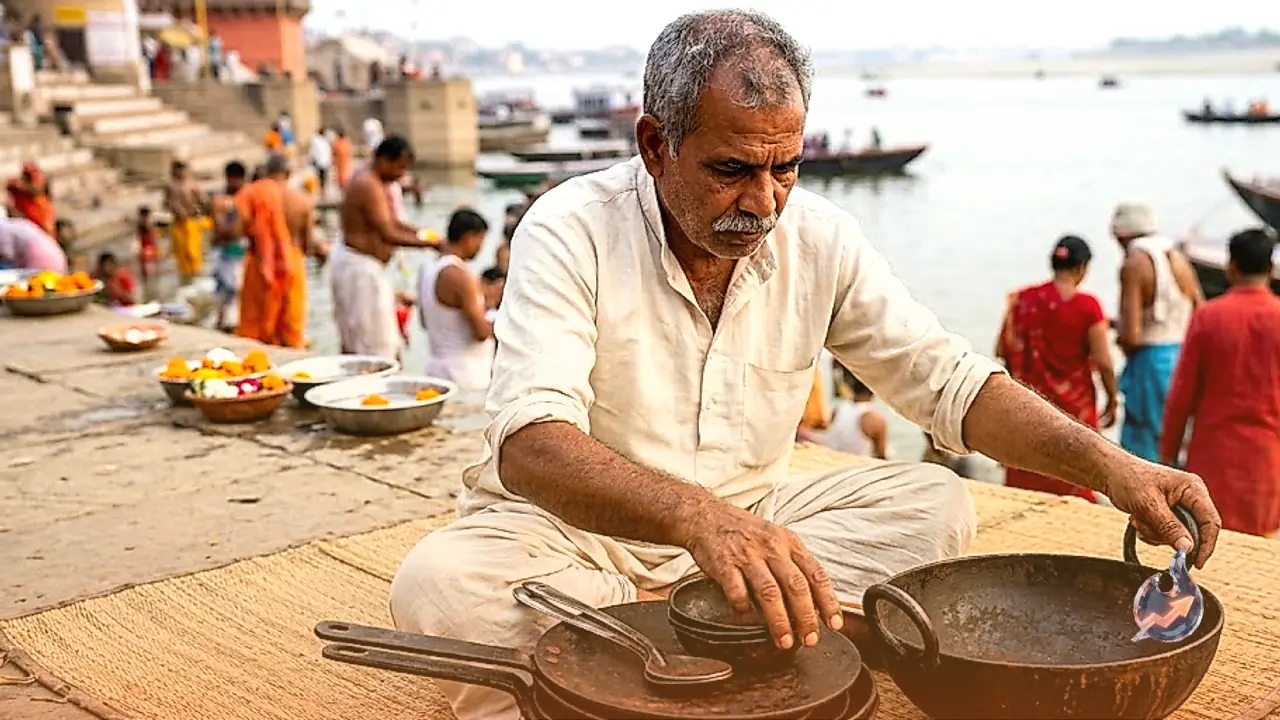
The ritual guidelines outlined during the Devaprashnam specify that offering a brass bell alone does not complete the atonement process. The full remedy requires presenting three distinct symbolic items associated with expression, writing, and sound. The first item is a stylized representation of a human tongue, symbolizing spoken words; the second is a 'Narayam', an ancient metal stylus historically used in South India for writing on palm leaves, symbolizing written expression; and the third is the bell, representing sacred acoustic vibrations.
Goddess Mookambika of Kollur is universally revered in Hindu tradition as the supreme deity of speech, wisdom, and the arts. Therefore, offering symbolic representations of speech and writing at her shrine is considered the ultimate spiritual remedy for resolving speech-related transgressions. While the brass bell has already been handed over, TDB officials confirmed that the remaining two items—the tongue and the Narayam—are currently being crafted from precious metals such as silver or gold. The delegation is expected to return to Kollur during the upcoming Navratri festival to present these silver items and perform a grand 'Maha Puja' to conclude the entire ritual sequence.
An Eight-Year Delay, Recent Controversies, and Mandalam Pilgrimage Readiness
The execution of these rituals has attracted widespread public attention due to the eight-year gap between the initial astrological recommendation in 2018 and its implementation today. In recent months, the Sabarimala management has faced intense public scrutiny and administrative debates over various issues, including controversies surrounding gold-plating works at the temple. Against this backdrop, the board has prioritized resolving all long-standing spiritual mandates to restore administrative equilibrium.
Addressing the development, TDB President and former Chief Secretary of Kerala, K. Jayakumar, emphasized that fulfilling the pending remedies at Kollur will help dispel past difficulties surrounding the shrine and foster a tranquil atmosphere for the incoming pilgrimage season. He expressed confidence that clearing these spiritual obligations will ensure the smooth and effective management of the millions of devotees expected during Mandalam. Furthermore, as part of the overall purification roadmap, TDB teams are slated to visit approximately 25 major temples across South India to conduct special prayers and present traditional offerings.
Standard Pilgrim Protocol and Mookambika Temple Staff Observations
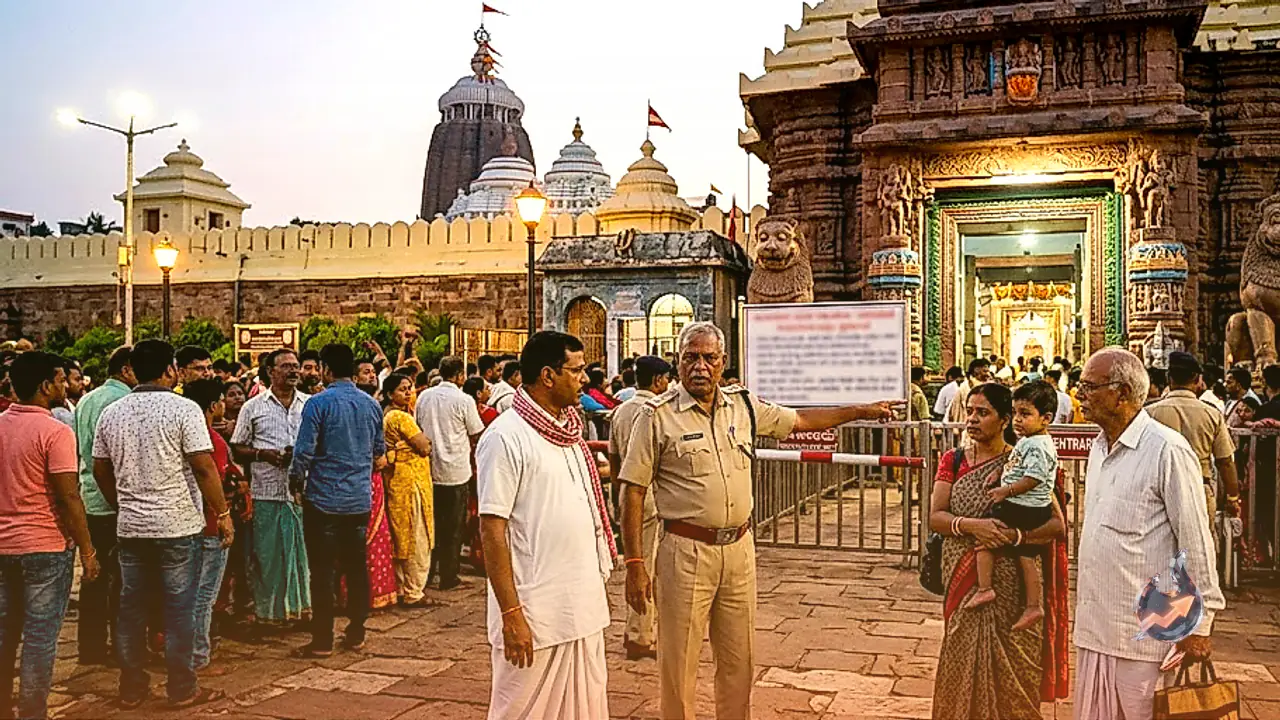
A notable aspect of the delegation's visit to Kollur was their adherence to standard protocols, refraining from demanding any VIP privileges or special accommodations from the host temple management. According to personnel at the Mookambika Temple, the Sabarimala officials arrived unostentatiously, queued alongside regular devotees, and completed their rituals following standard temple procedures.
After concluding the prayers, the TDB representatives interacted with the resident priests and administrative staff, briefing them on the historical background of the 2018 Devaprashnam and outlining their schedule to return with the silver tongue and Narayam during Navratri. With the brass bell now installed at Kollur, devotees and observers await the forthcoming Navratri festival when the final phase of this rare remedial journey will be fulfilled.