



















The fifth day of the auspicious festival of Shardiya Navratri is dedicated to honoring Maa Skandamata, the fifth divine embodiment of Goddess Durga. This spiritual day is also marked by devotees observing the traditional Upang Lalita fast. According to enduring religious beliefs, offering heartfelt prayers to Maa Skandamata blesses households with profound peace, happiness, and prosperity. The benevolent mother fulfills the honest wishes of her devotees while infusing them with fortitude to overcome everyday tribulations.
The Divine Form and Spiritual Significance of Maa Skandamata
Maa Skandamata occupies a revered place as the fifth manifestation among the nine forms of Durga. In ancient lore, Lord Kartikeya is widely recognized by the name Skanda, and because the divine mother bore him, she became venerated across generations as Skandamata. In traditional iconography, the goddess is depicted holding infant Lord Kartikeya lovingly on her lap. Devotees firmly hold the belief that sincere worship of this motherly manifestation fulfills the aspiration for children and brings family joy. Moreover, invoking her blessings grants individuals unwavering courage and inner resilience to confront tough challenges in life.
Auspicious Timings and Sacred Hours on Panchami
Devotees will observe the sacred rituals dedicated to Maa Skandamata on the fifth day of the Navratri festival. Following the calculations of the sacred calendar, the Panchami Tithi commences at 1:14 AM on the night of October 15 and extends through to 3:26 AM on October 16.
Certain specific periods of the day are earmarked as the most favorable intervals for performing religious rituals. The primary morning window for ceremonial worship spans from 7:32 AM to 7:47 AM. Following this brief interval, an extensive auspicious window becomes active from 10:15 AM until 12:38 PM in the afternoon. Observing worship during these hours is considered particularly fruitful. In contrast, the afternoon brings the Rahu Kaal duration between 2:30 PM and 4:00 PM. According to established astrological principles, beginning new projects or initiating auspicious tasks is strictly avoided while Rahu Kaal lasts. Utilizing this quiet afternoon timeframe to recite sacred hymns from the Durga Saptashati helps cultivate spiritual positivity and inner peace.
Step-by-Step Worship Rituals for Maa Skandamata
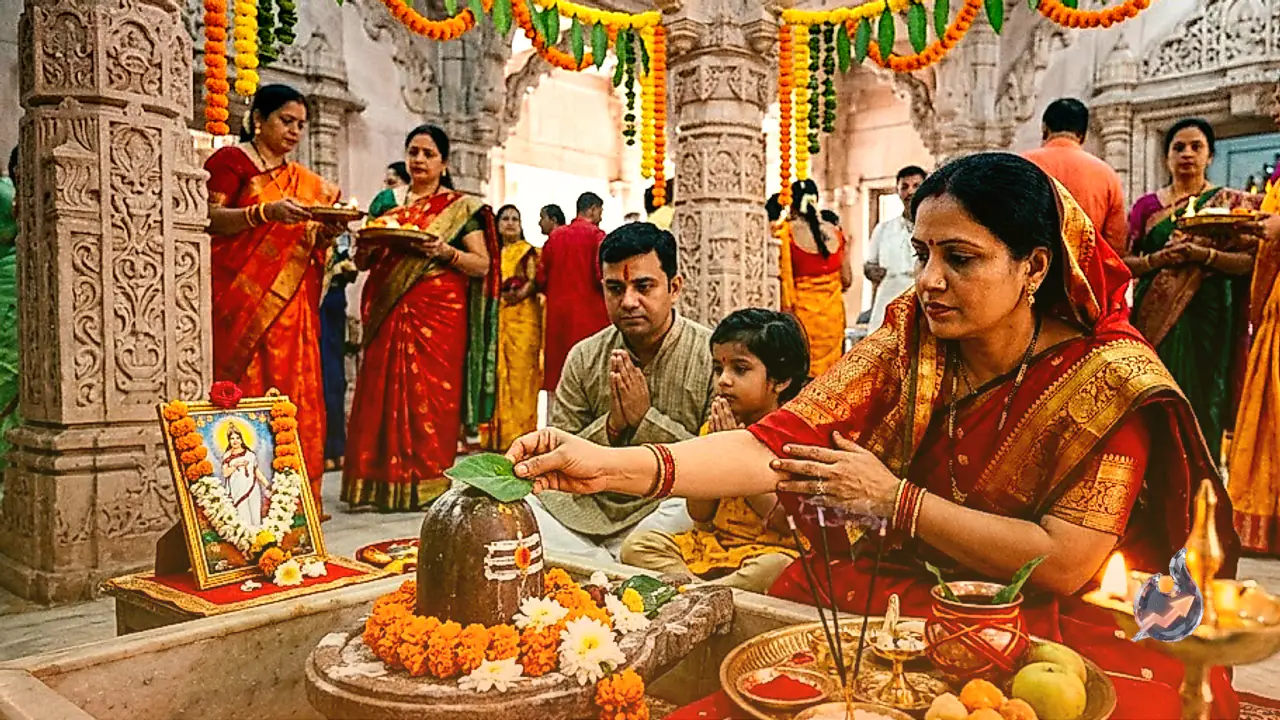
Devotees seeking divine benevolence on this fifth sacred day can observe the traditional rituals systematically
- Begin the day early on Panchami Tithi by bathing and dressing in clean, washed garments.
- Sanctify the designated prayer space and home temple by sprinkling sacred Gangajal throughout the area.
- Arrange a wooden altar or platform, drape it with a clean yellow cloth, and reverently install an image or idol of Maa Skandamata.
- Take water and holy grains in hand, reflect upon the goddess, and take the formal pledge to carry out the prayers with pure intent.
- Offer yellow blossoms, yellow garments, and traditional adornments to the goddess, as shades of yellow are cherished by this divine form.
- Present sacred edible items including fragrant cardamom, cloves, and fresh betel leaves before the deity.
- Chant the sacred mantras dedicated to the mother 108 times with undivided attention and recite verses from the Durga Saptashati.
- Listen attentively to or read the holy Vrat Katha of Maa Skandamata, conclude the ceremony by waving the sacred flame during Aarti, and distribute the sanctified prasad among family members and attendees.
Beloved Offerings and Prasad for the Deity
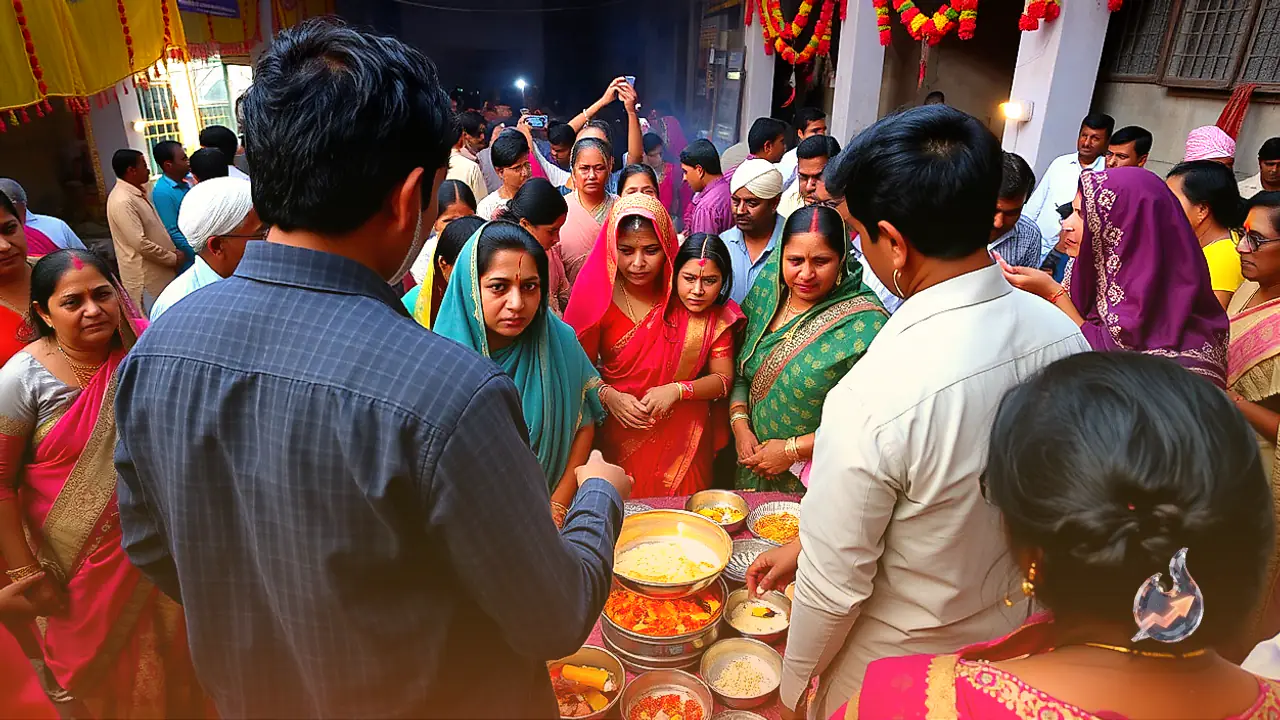
On the fifth day of the festive period, devotees prepare and present specific culinary offerings that resonate with Maa Skandamata. Offering fragrant saffron-infused rice pudding (kesar kheer), vibrant yellow sweets, and an assortment of fresh seasonal fruits is viewed as extraordinarily auspicious. Traditional belief maintains that presenting this pure prasad with deep devotion fosters lifelong amity, preserves harmony, and sustains domestic tranquility across the family.