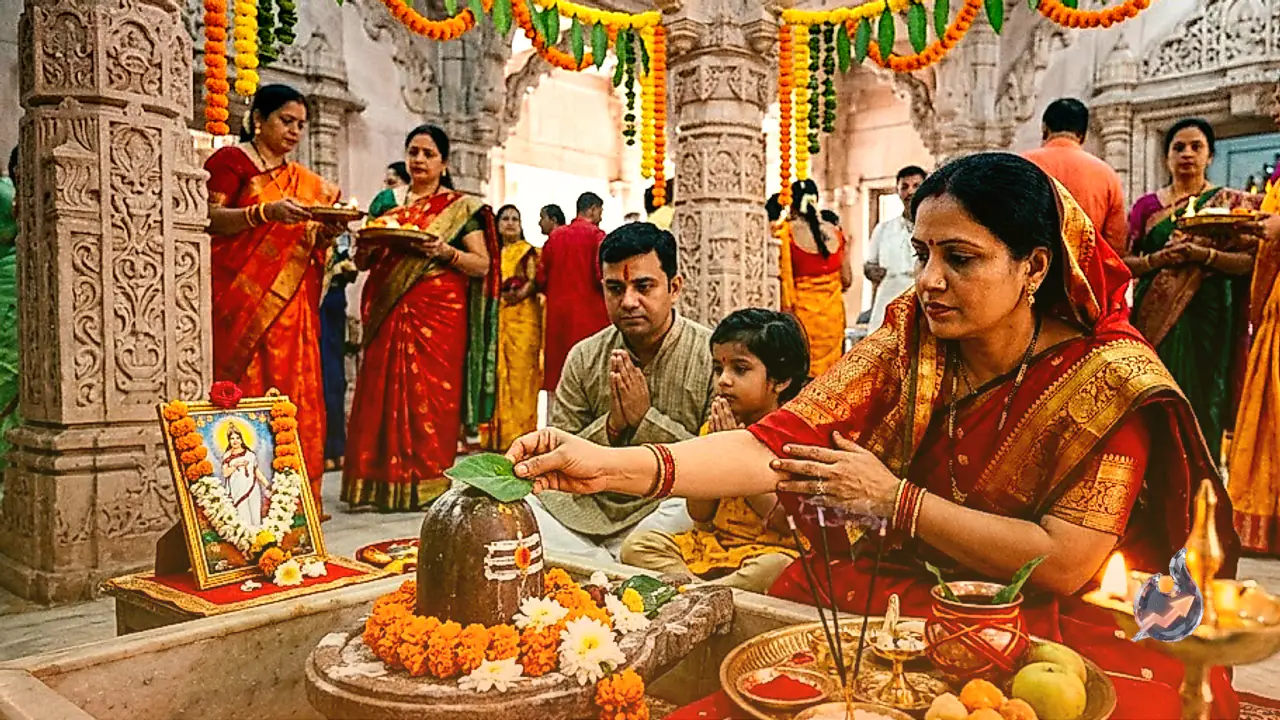





















Within Sanatan tradition, the peepal tree holds a revered spiritual status and is regarded as deeply sacred. During various festivals and auspicious observances, devotees perform circumambulation around the sacred tree and offer traditional worship. According to established religious beliefs, offering prayers to the peepal tree helps alleviate life troubles and grants freedom from past misdeeds. However, when this very plant sprouts unexpectedly upon house walls or in immediate residential surroundings, Vastu principles advise that the occurrence must never be overlooked.
Spiritual Reverence Versus Residential Inauspiciousness
Astrologer Pandit Kalki Ram from Ayodhya explains that the peepal plant carries immense importance across Hindu customs. Long-standing belief holds that the sacred tree serves as an abode for the divine trinity of Brahma, Vishnu, and Mahesh, as well as ancestral spirits. This sacred connection prompts believers to worship the tree seeking spiritual solace and blessings. In stark contrast to its temple presence, the spontaneous sprouting of peepal within private living quarters or on exterior masonry is considered fundamentally inauspicious under Vastu Shastra.
Structural Hazards And Negative Influences On Living Spaces
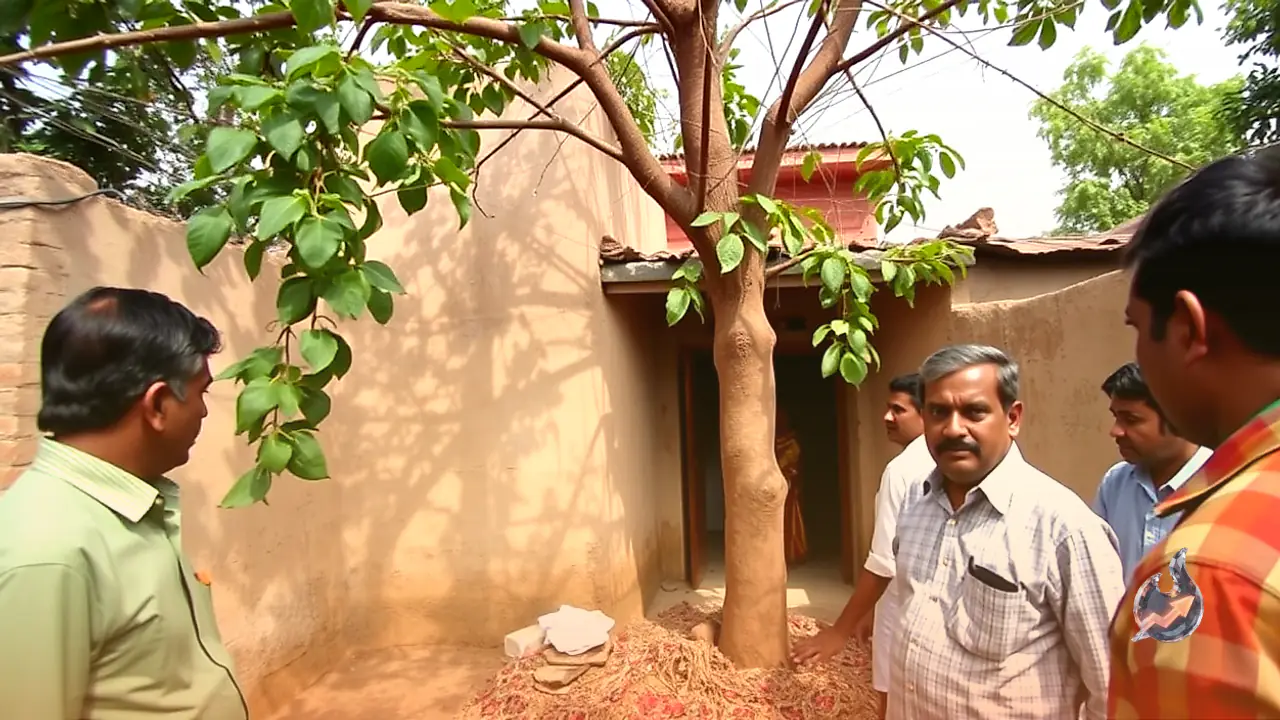
The designation of peepal as unsuitable for home structures stems from both energetic and structural realities. The roots and trunk of the peepal tree possess tremendous strength and tend to expand aggressively into construction crevices. Over time, these dense roots can wedge deep into mortar, causing severe physical damage to walls and residential foundations. On a metaphysical level, the plant attracts diverse energy currents, which traditional beliefs warn can circulate negative energy throughout the home and inflict losses upon family members. Consequently, keeping the plant embedded in household walls is viewed as dangerous, necessitating prompt removal.
Avoiding Direct Uprooting Through Proper Ritual Relocation
When a peepal sapling emerges on residential walls, tearing it down hastily is strictly discouraged by custom. Traditional beliefs caution that forcibly pulling out the plant without proper reverence invites spiritual fault. Pandit Kalki Ram advises that one must first perform an orderly worship of the peepal sapling and offer a prayer seeking divine forgiveness. Afterward, the plant should be dug out gently along with its root ball and surrounding soil. It should then be carefully transplanted into a clean outdoor garden or an open sanitary plot, ensuring the sacred plant continues to thrive without compromising household well-being.