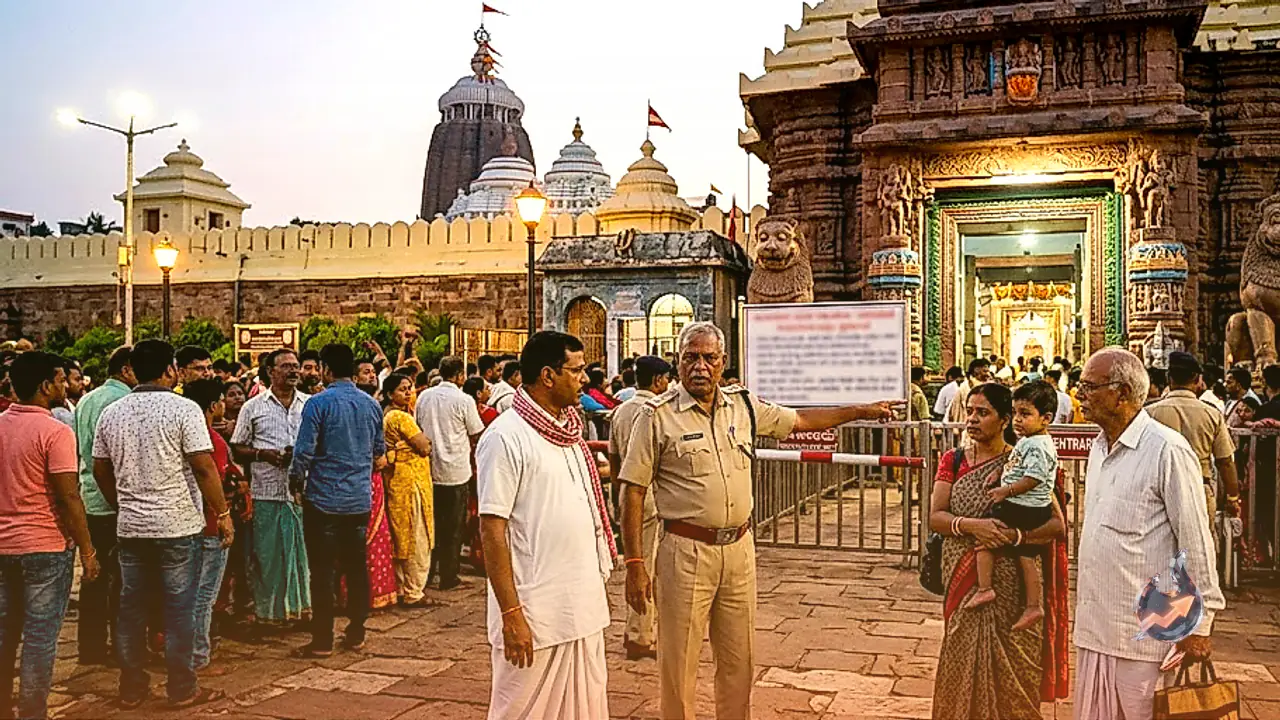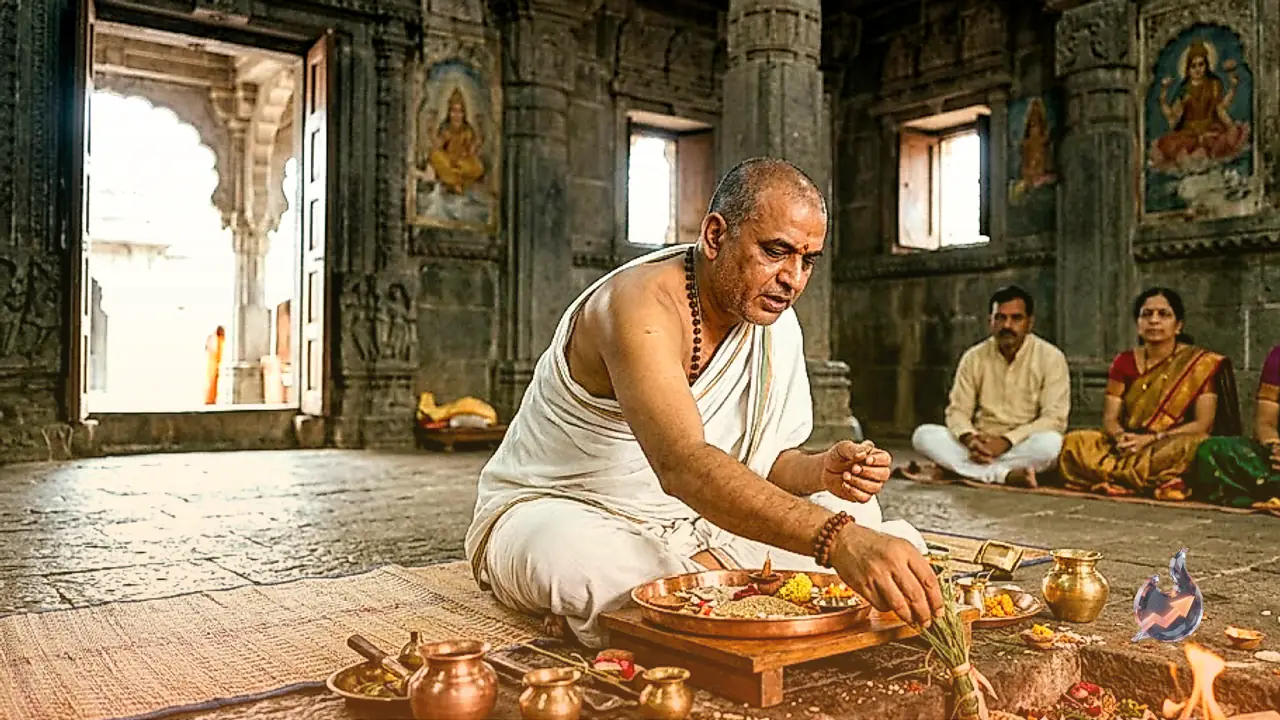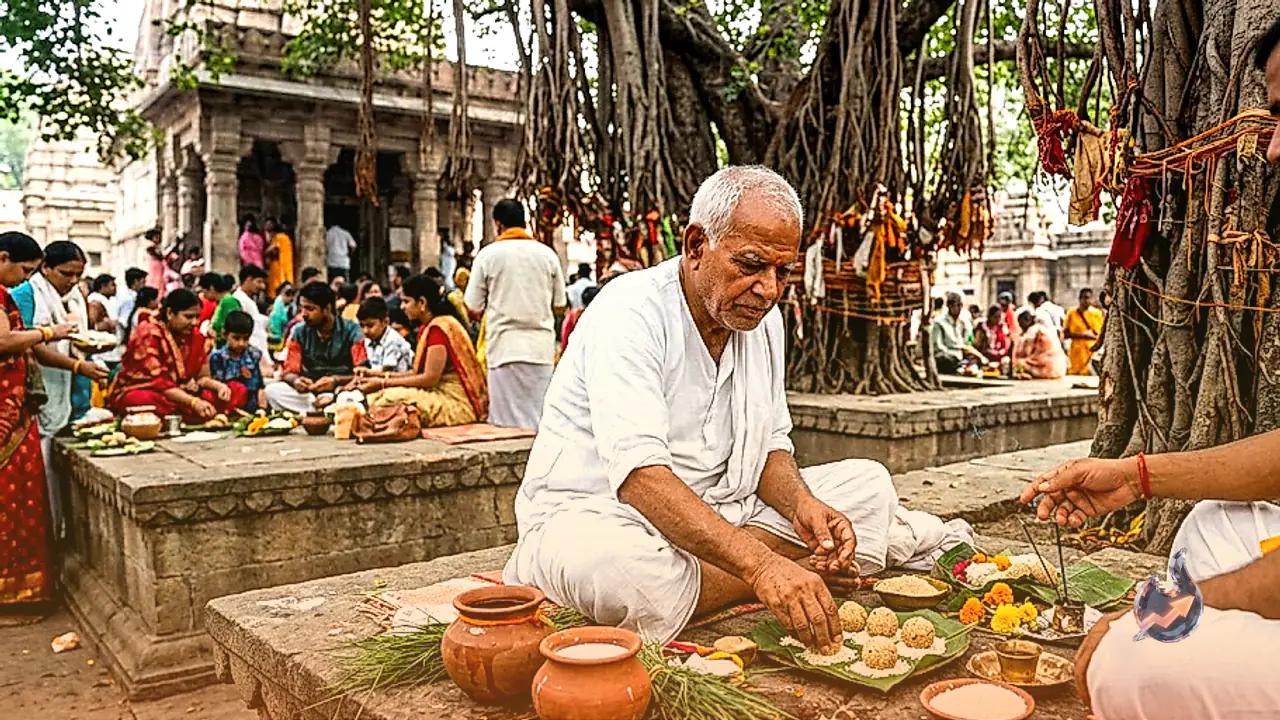






















In the historic district of Mathura in Uttar Pradesh, the sacred towns of Barsana and Nandgaon, along with the broader region of Braj, remain deeply resonant with the divine legends of Lord Krishna and Radha Rani. Across the sacred landscape of Braj, ancient traditions and memories from the Dwapar Yuga continue to thrive. Situated in the holy town of Barsana is a rare and revered shrine known as the Priyeshwar Mahadev Temple. According to long-standing religious beliefs, the idol of Lord Shiva at this remarkable shrine was personally consecrated by Radha Rani with her own hands. Beyond being a traditional place of worship, the temple stands as a profound symbol of divine devotion and mutual reverence between Lord Shiva and Radha Rani. Nestled on the banks of the historic Priya Kund, this ancient temple remains a major focal point of faith for pilgrims traveling from across the country.
The Sacred Heritage of Priya Kund in Barsana
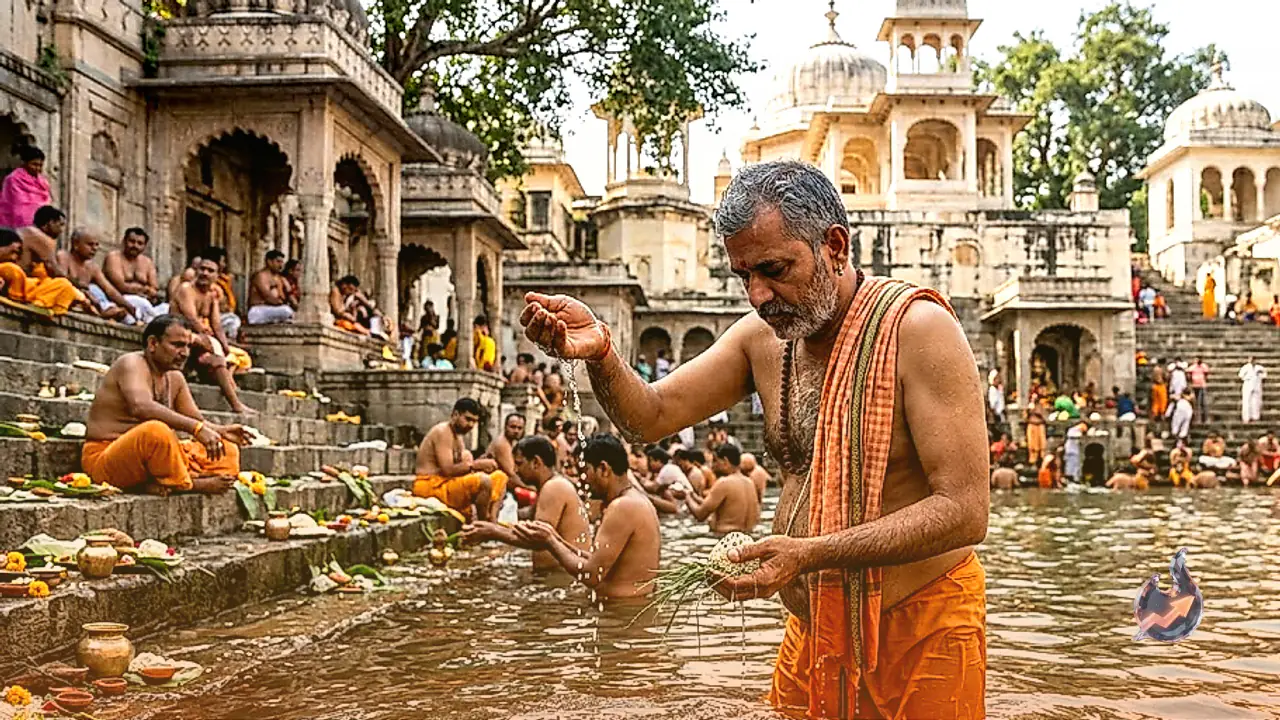
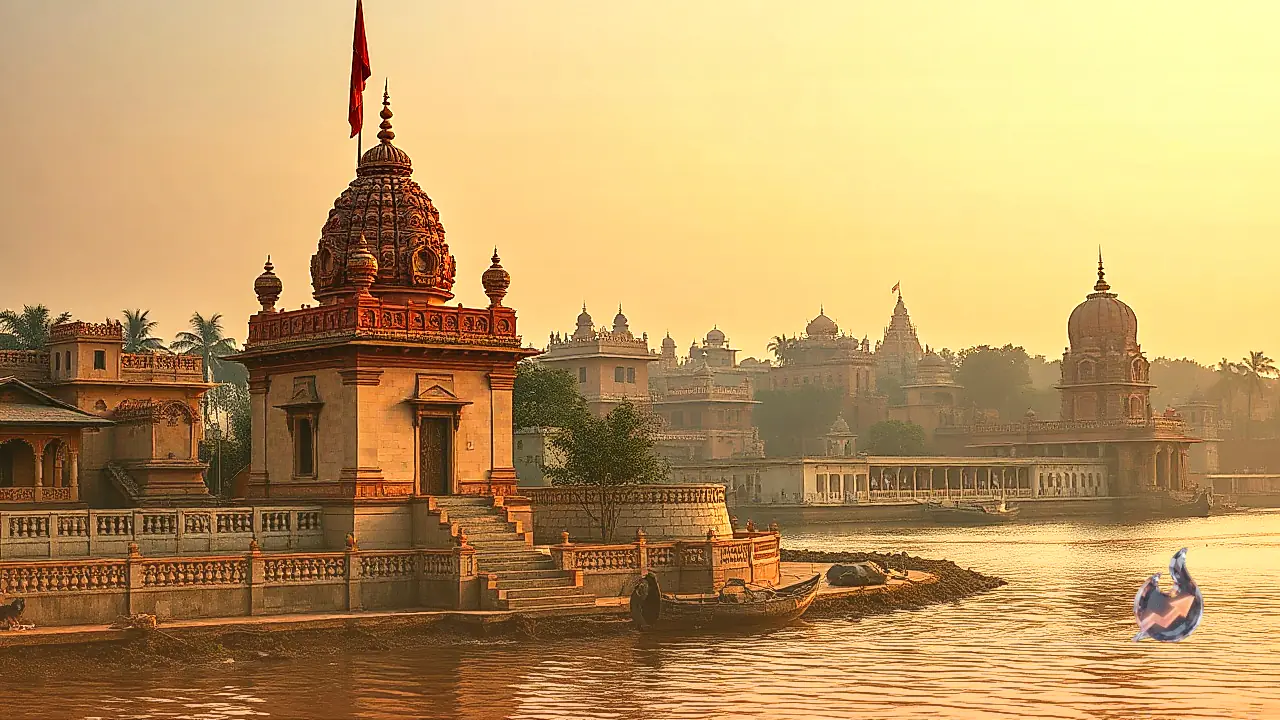
Priya Kund in Barsana holds immense spiritual significance as the serene water body where Radha Rani visited alongside her close companions, known as sakhis, for relaxation and bathing during the Dwapar Yuga. Local lore and scriptural traditions recall that after bathing, Radha Rani would also wash the henna applied to her hands in the clear waters of this pond, earning the site its name, Priya Kund. Associated intimately with the early life and pastimes of Radha Rani and Lord Krishna, the reservoir has preserved its spiritual atmosphere over thousands of years. The Priyeshwar Mahadev Temple overlooks the tranquil banks of this holy pond, serving as an enduring link to ancient events recorded in Braj folklore.
Lord Shiva's Disguise as a Gopi at the Sacred Pond
A central legend surrounding the establishment of the Priyeshwar Mahadev Temple involves Lord Shiva's deep spiritual longing to behold Radha Rani. Driven by intense devotion, Lord Shiva journeyed from Mount Kailash to the town of Barsana near the edge of Priya Kund. Upon arriving, Mahadev realized that Radha Rani was bathing at the pond with her companions. Exercising profound respect for her privacy and the sacred decorum of the site, Lord Shiva chose not to approach in his supreme form. Instead, he assumed the guise of a Gopi, a female devotee of Braj. Turning his back toward the bathing area, Lord Shiva sat near the water and immersed himself in quiet, intense meditation.
Divine Blessings and the Naming of Priyeshwar Mahadev
As Radha Rani concluded her prayers and moved along the banks of the pond, her attention was drawn to a young ascetic meditating deeply in the attire of a Gopi. Curious about the quiet yogi, Radha Rani approached and inquired about his identity. At that moment, Lord Shiva revealed his true form, bowing his head at Radha Rani's lotus feet and expressing how blessed he felt to obtain her darshan. Touched by Mahadev's selfless devotion and respect, Radha Rani granted him her divine blessings. She also bestowed a sacred boon declaring that Lord Shiva would forever be worshipped at this holy site under a name associated with her own, as Priyeshwar Mahadev, meaning the Lord of Priya.
Ancient Architecture and Family Deities in Meditation
Elaborating on the temple's rich heritage, temple priest Brijbhushan Shastri stated that the site has maintained its sacred tradition since the Dwapar Yuga. According to priest Brijbhushan Shastri, Radha Rani was deeply pleased with Lord Shiva's meditation and blessed him to be revered under her name, leading to the shrine being called Priyeshwar Mahadev. A distinctive feature of this historic temple is that Lord Shiva is not consecrated alone, but alongside his complete divine family. The idols housed within the sanctum sanctorum depict Lord Shiva and his family seated together in a meditative posture. Believed to date back to ancient times, these sacred idols continue to draw countless devotees seeking blessings in the heart of Braj.