






















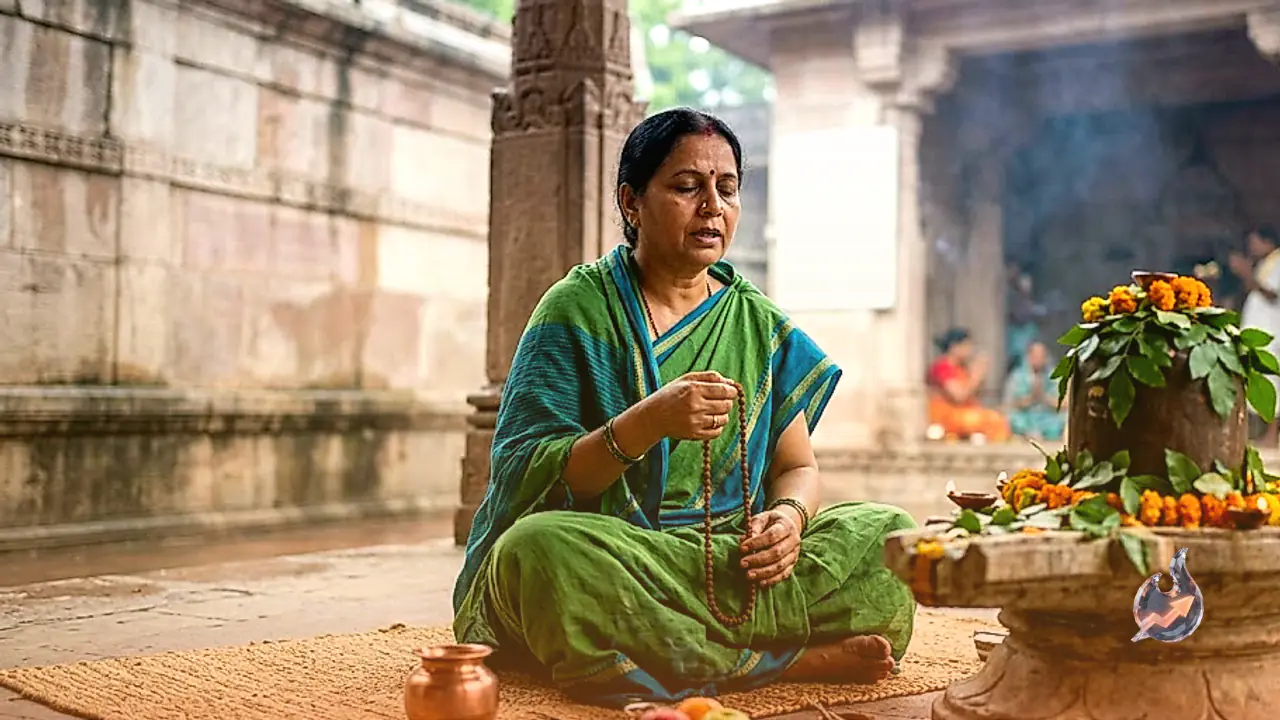

The month of Sawan is considered one of the most significant periods in the Hindu calendar for worshipping Lord Shiva, and devotees across the country mark it with fasting, temple visits and the chanting of sacred mantras. Popular belief holds that reciting Shiva mantras correctly during this month brings deep peace of mind and fills daily life with positivity. Many devotees wonder which mantras Mahadev favours most and how exactly they should be chanted. Here is a look at three powerful mantras associated with Lord Shiva, along with the right time, method and benefits linked to each one.
The Mahamrityunjaya Mantra is believed to offer protection
The first is the Mahamrityunjaya Mantra, which reads, "Om Tryambakam Yajamahe Sugandhim Pushtivardhanam. Urvarukamiva Bandhanan Mrityor Mukshiya Mamritat." It is believed that chanting this mantra regularly protects devotees from the fear of death and strengthens their life force. Early morning, during the Brahma Muhurat between 4 am and 6 am, is considered the most suitable time for this chant, though it can also be recited at night in solitude. According to tradition, it should be chanted 108 times using a rudraksha mala. Devotees are advised to wear white clothing, face east and sit calmly while chanting, a practice believed to sharpen concentration and bring the mantra its full effect.
The Rudra Gayatri Mantra is linked to sharper intellect
The second mantra is the Rudra Gayatri Mantra, which goes, "Om Tatpurushaya Vidmahe Mahadevaya Dhimahi. Tanno Rudrah Prachodayat." This mantra is said to sharpen the intellect and boost inner strength and courage. The period just before or right at sunrise is regarded as the most auspicious time to chant it. Devotees are advised to sit in a clean, quiet spot, use a rudraksha mala and repeat the mantra at least 21 times, with regular practice said to improve self confidence as well.
The Shiv Dhyan Mantra is meant to calm the mind
The third is the Shiv Dhyan Mantra, simply "Om Shantaya Namah" or "Om Shivaya Namah". This short but powerful chant is believed to calm the mind and aid concentration during meditation. It is recommended to recite it at night before sleeping, in a quiet, solitary space. The suggested method involves closing the eyes, sitting with a calm mind, lighting a lamp and chanting softly, and where possible, repeating the mantra mentally as well to reduce mental clutter.
Rules to keep in mind before chanting
Certain rules are considered important before beginning any of these chants. Taking a bath beforehand is regarded as essential to purify both body and mind. To please Mahadev, an abhishek can be performed using bel patra, milk, curd, honey, ghee and Gangajal. Faith and sincere belief are described as central to the practice, meaning the chant is thought to bear full fruit only when done with complete devotion and trust. It is also advised to increase the count of chants gradually rather than jumping straight to a large number, starting with 11 repetitions, then moving up to 21, and eventually reaching 108, a gradual build-up believed to keep the practice steady and the mind from wandering.