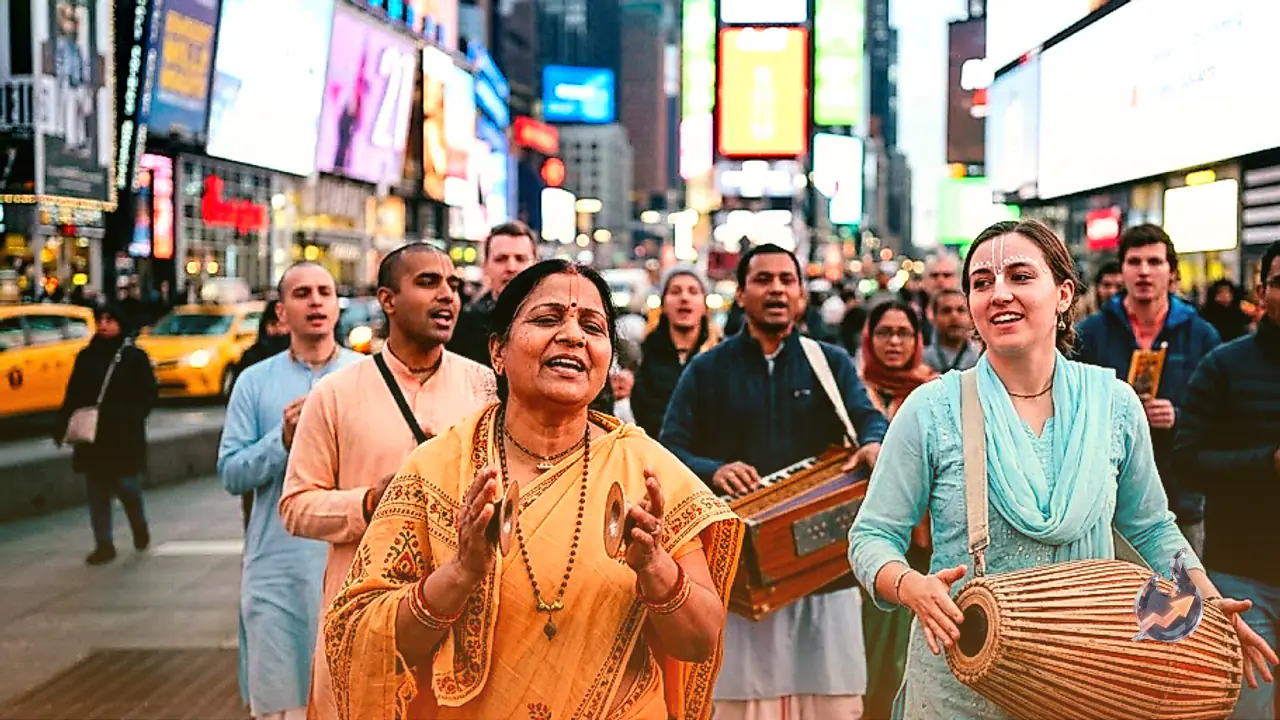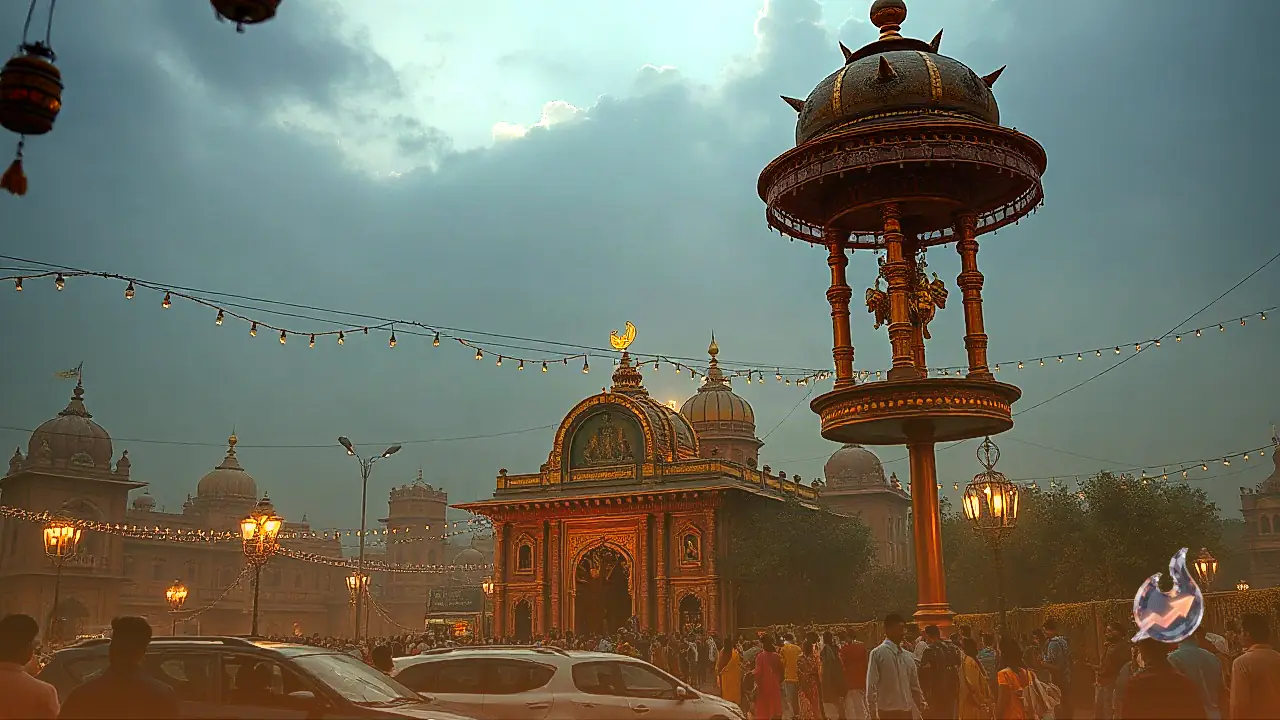




















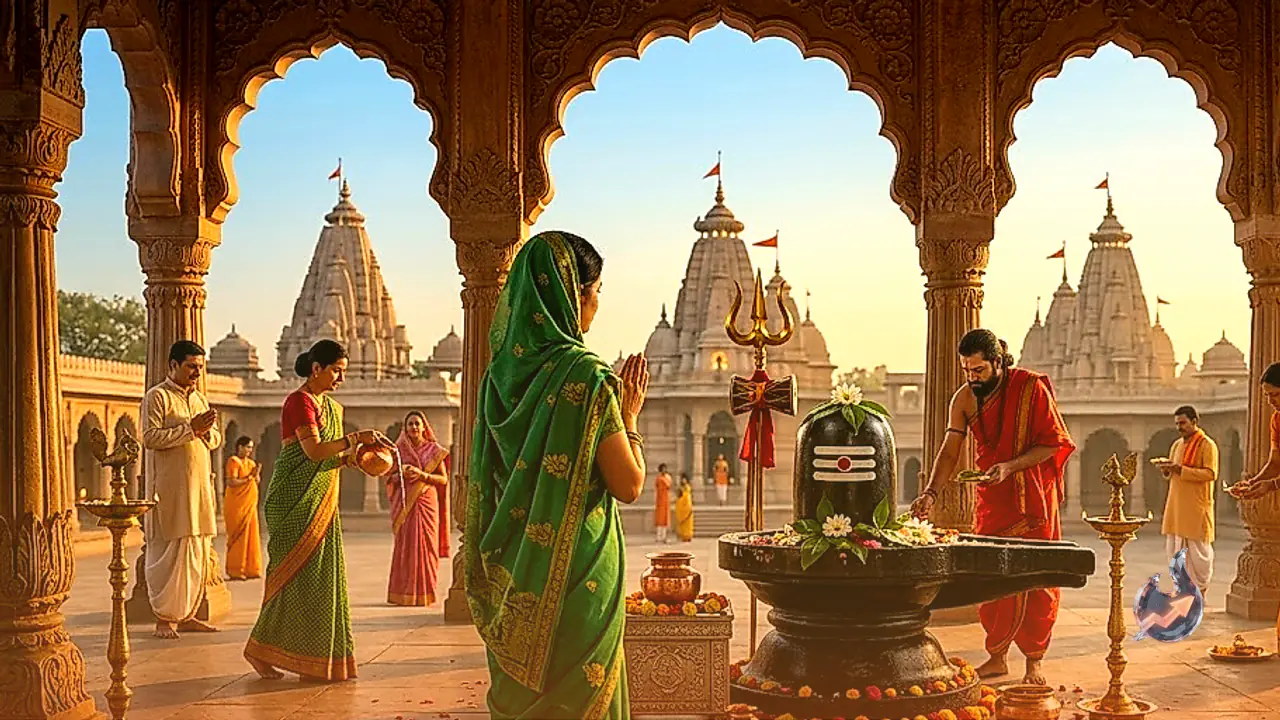

The sacred month of Sawan, widely recognized as a deeply spiritual time dedicated entirely to the worship of Lord Shiva, will officially begin on July 30, 2026. Throughout this highly anticipated month, believers across the country engage in rigorous religious practices. The period is universally considered exceptionally auspicious for performing sacred rituals such as Jalabhishek and Rudrabhishek. Devotees commit to the revered Sawan Somwar fasts, observing strict disciplines every Monday from dawn until dusk. The ultimate goal of this month-long dedication is to offer special prayers to the deity, seeking divine intervention for sustained health, holistic prosperity, and the realization of heartfelt wishes.
A Rare Celestial Alignment
This year, however, the Sawan timeline intersects with two significant astronomical phenomena, creating a unique intersection of faith and cosmic events. The detailed calendar indicates that a solar eclipse will occur on August 12, coinciding precisely with the Amavasya (new moon) date. Just over two weeks later, a lunar eclipse is slated to take place on August 28. The rare occurrence of two eclipses falling within the same holy month naturally generated apprehension among the religious community regarding how these events might alter their strict worship routines.
The Question Of Sutak Restrictions
Providing clarity on the matter, Ayodhya-based astrologer Pandit Kalki Ram evaluated the upcoming celestial movements. "The solar eclipse on August 12 and the lunar eclipse on August 28 will both remain completely invisible in India," he explained.
This visibility factor is paramount in Hindu tradition. According to established scriptural guidelines, the Sutak Kaal is a specific timeframe where religious activities are paused due to ritual impurity. This designated period is only recognized and enforced in locations where the eclipse is physically observable. Because the entire Indian subcontinent falls completely outside the visibility zone for both the August 12 and August 28 events, the Sutak Kaal rules will simply not be valid domestically.
Uninterrupted Fasting And Temple Visits
While historical texts suggest exercising general caution during any eclipse phase, the strict religious prohibitions outlined in the scriptures apply exclusively to the geographical regions directly experiencing the celestial shadow. As a direct result, there will be zero impact on the traditional Sawan observances across India.
Temple operations will continue completely uninterrupted. The doors of all shrines will remain open to the public according to their normal, everyday schedules. None of the planned religious ceremonies, temple arrangements, or community fasts will face any eclipse-induced alterations.
Continuing Worship With Faith
Devotees are heavily encouraged to proceed with their Shiva devotion, daily abhishek, and rigorous Monday fasting without harboring any doubts. Pandit Kalki Ram reiterated that the entire duration of this Sawan month retains its highly auspicious nature for divine worship. He urged the faithful to maintain their spiritual momentum by consistently offering essential items like pure water, fresh milk, belpatra leaves, and dhatura directly onto the Shivling.
Furthermore, the continuous recitation of the sacred 'Om Namah Shivaya' mantra should be a daily practice. By steadfastly adhering to these rituals with unwavering faith, devotees are assured of receiving Lord Shiva's ultimate grace, thereby inviting a lifetime of profound happiness, tranquility, and abundant prosperity.