



















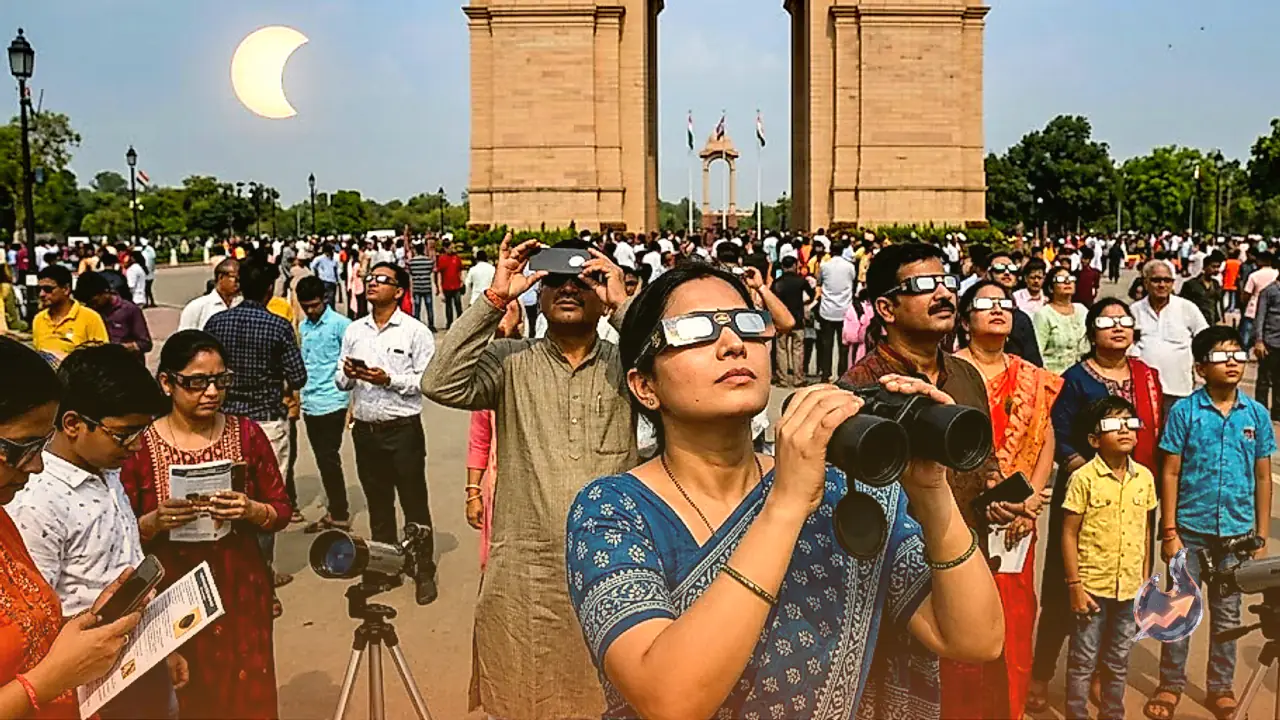

Following the passage of the year's final lunar eclipse on August 28, 2026, curiosity among skywatchers and astrology enthusiasts has shifted toward upcoming solar eclipses. With the solar eclipses of 2026 already concluded, attention turns to the year 2027, which will feature two solar eclipses. Beyond their scientific and astronomical significance, solar eclipses hold profound religious and astrological importance in traditional Indian culture. Of the two solar eclipses scheduled for 2027, one will be visible from India. The first solar eclipse of 2027 is set to occur on February 6 during Mauni Amavasya, while the second will take place on August 2 during Hariyali Amavasya.
First Solar Eclipse of February 6, 2027: Capricorn, Shravana Nakshatra, and Visibility
The opening solar eclipse of 2027 will occur on February 6, coinciding with the auspicious occasion of Mauni Amavasya. According to astronomical calculations, the Sun will be positioned in the Capricorn zodiac sign and Shravana Nakshatra during this celestial alignment.
From an observational standpoint, this particular eclipse will not be visible anywhere in India. As per traditional religious and astronomical guidelines, an eclipse that is not visible in a specific geographic location imposes no spiritual impact or ritual restrictions there. Consequently, the Sutak period will not be applicable in India during the February 6 eclipse, allowing regular temple visits, daily prayers, and auspicious activities to proceed without interruption.
Second Solar Eclipse of August 2, 2027: India Visibility, Timings, and 6-Minute Darkness
The year's second solar eclipse will arrive on August 2, 2027, coinciding with Hariyali Amavasya. Unlike the first event, this eclipse will be visible in India as a partial solar eclipse. According to Indian Standard Time, the eclipse will commence at approximately 3:53 PM and conclude at 5:02 PM. During the eclipse period, the Sun will transit through the Cancer zodiac sign and Pushya Nakshatra.
This event stands out as the second longest total solar eclipse of the 21st century. At peak eclipse magnitude, total daytime darkness will engulf specific geographic zones for an extraordinary duration of 6 minutes and 23 seconds. The path of totality will span across Southern Spain, Morocco, Libya, Egypt, Sudan, Saudi Arabia, Algeria, Tunisia, Yemen, and Somalia. The city of Luxor in Egypt will experience the longest duration of total totality. In India, observers will witness the phenomenon as a partial eclipse during the afternoon hours.
Solar Eclipse Guidelines: Important Do's and Don'ts During Eclipse Period
Traditional customs and astrological literature outline several precautions to observe during a solar eclipse to safeguard against potential negative influences
- Food Preparation and Consumption: Cooking meals and consuming food during the active eclipse period are traditionally prohibited due to the belief that cosmic radiation affects food purity.
- Outdoor Restrictions: Stepping outdoors during the eclipse is discouraged, particularly for expectant mothers, to protect against unwholesome solar radiation.
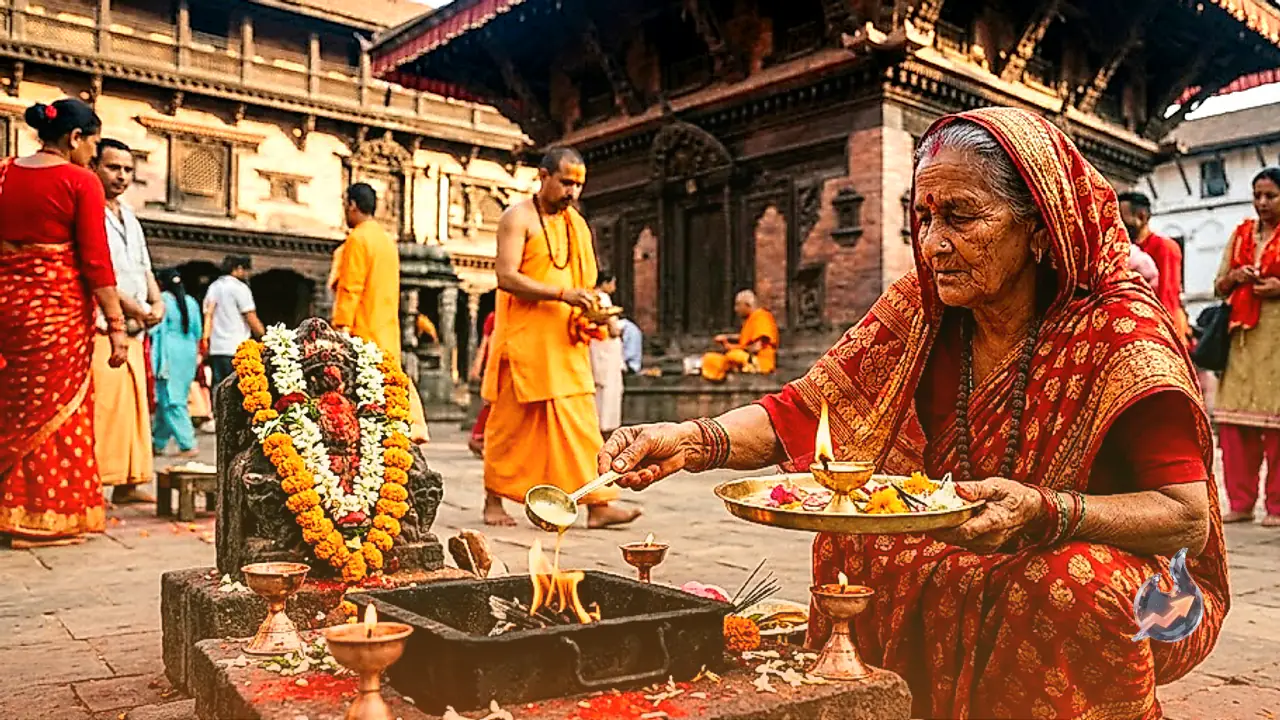
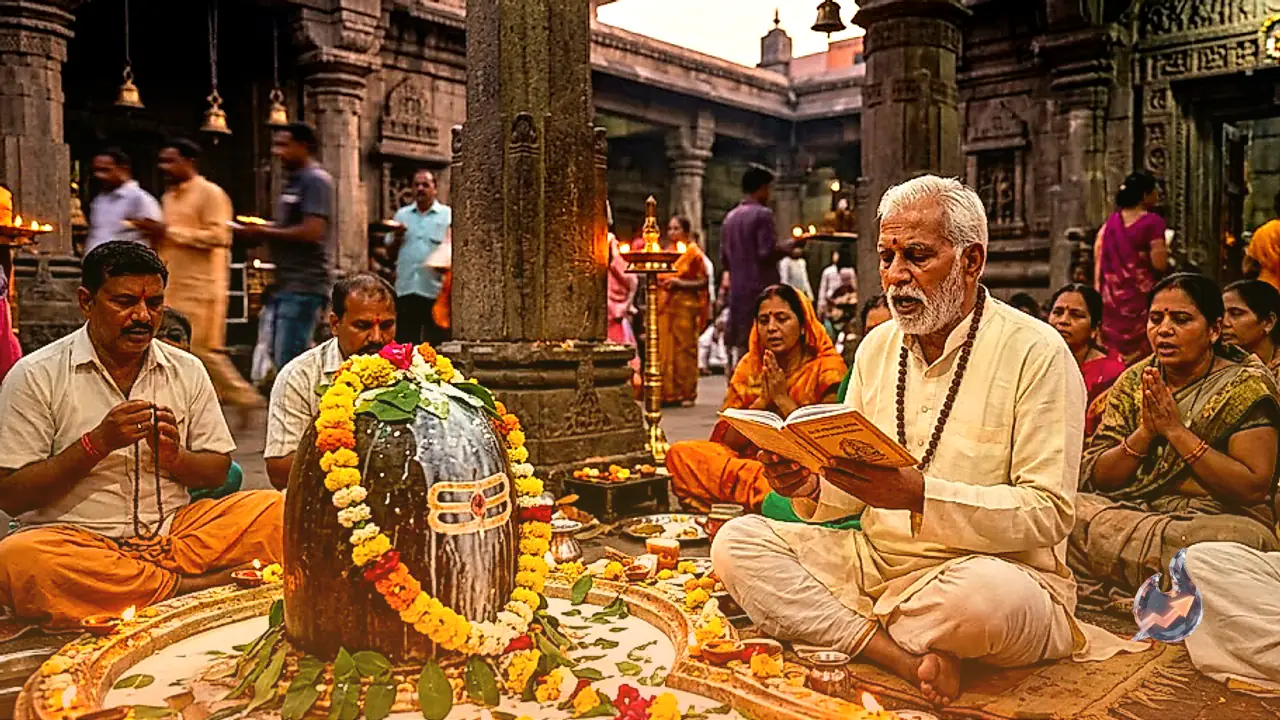
- Worship and Temple Closures: Ritualistic worship, touching deities, and performing pujas are paused. Temple doors remain firmly closed throughout the eclipse.
- Prohibited Activities: Sleeping, bathing, body massages, cutting hair, and trimming nails during the eclipse hours are advised against.
- Mantra Chanting: Silently chanting divine mantras or meditating during the eclipse is considered highly beneficial for counteracting adverse subtle effects.
- Post-Eclipse Purification and Charity: Immediately following the conclusion of the eclipse, individuals should take a ritual bath and distribute charitable donations such as food grains or clothing.