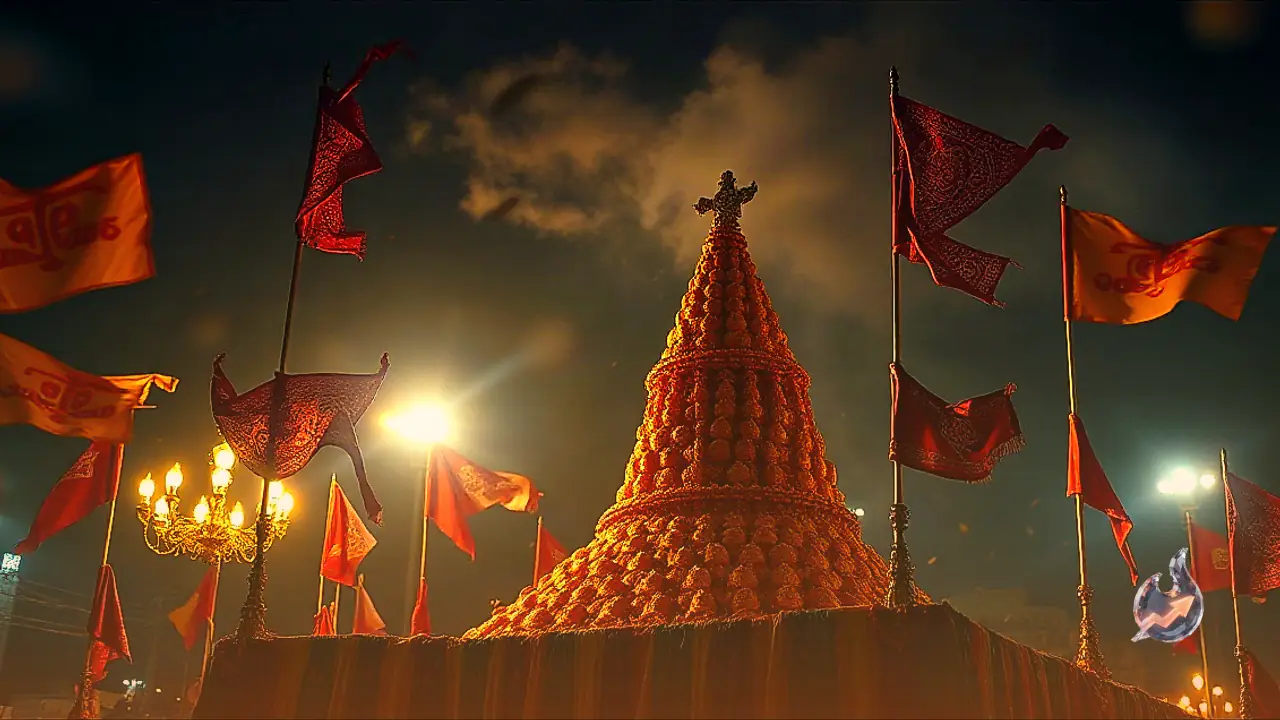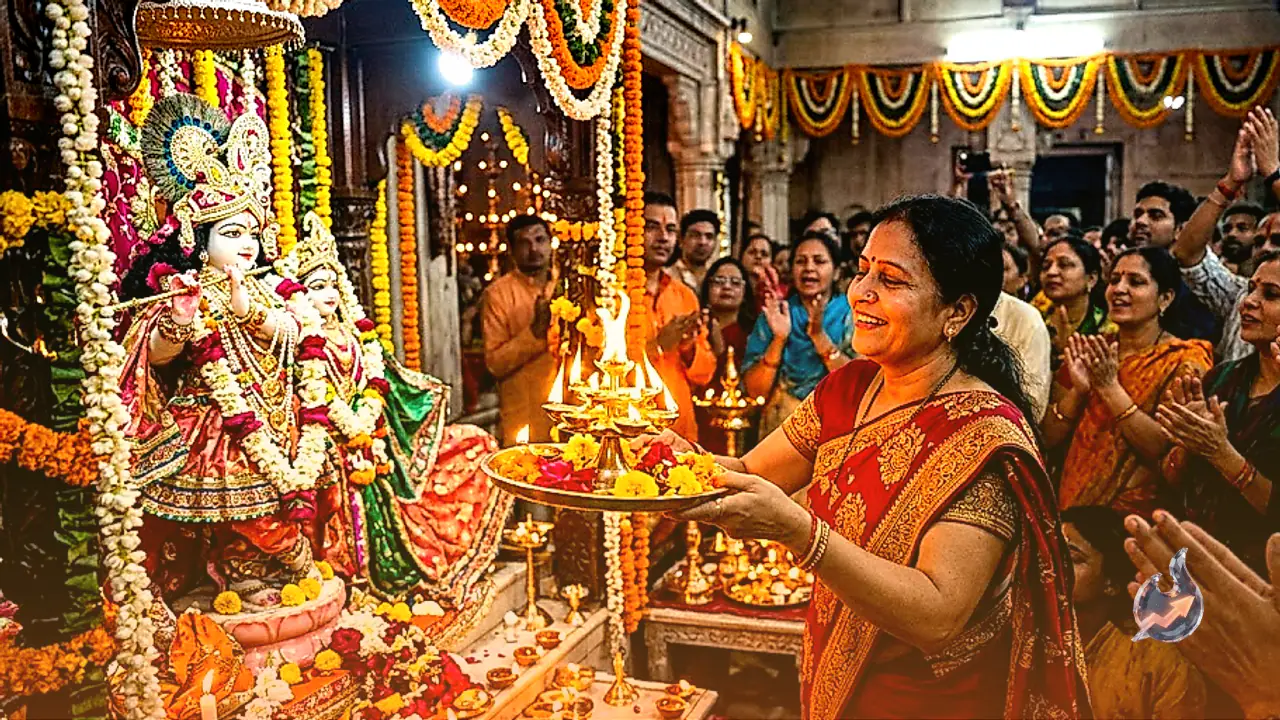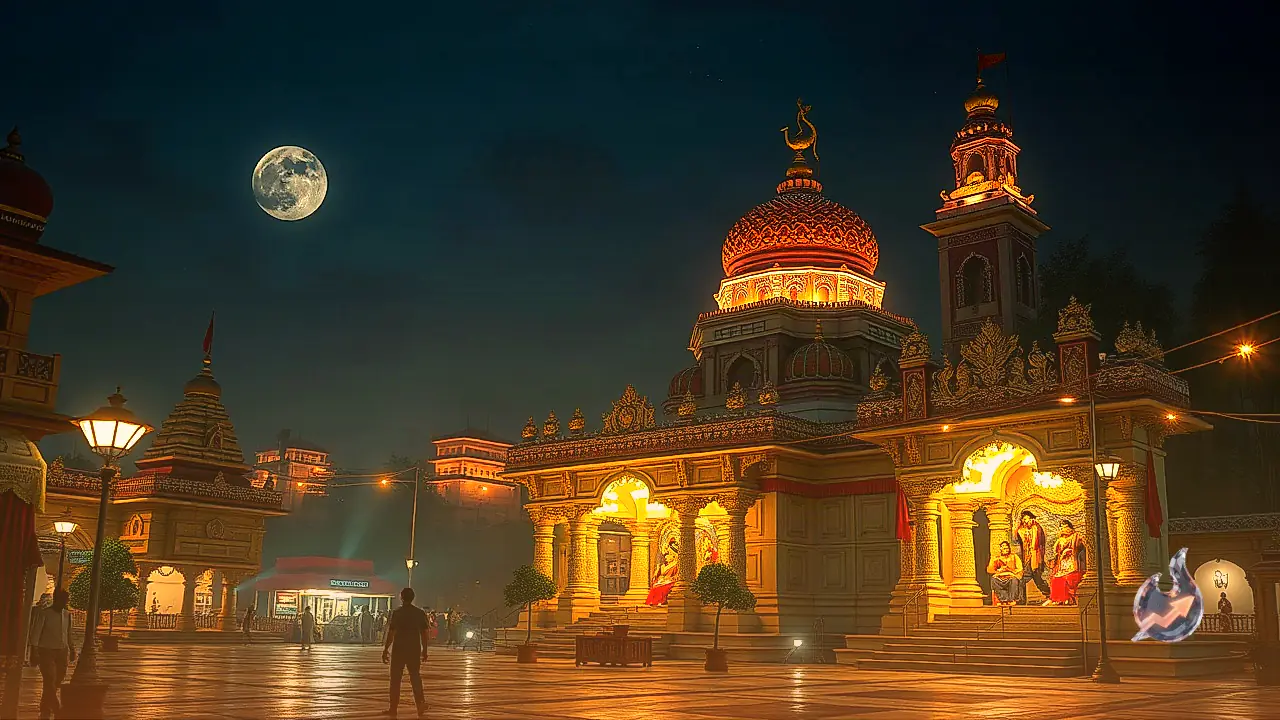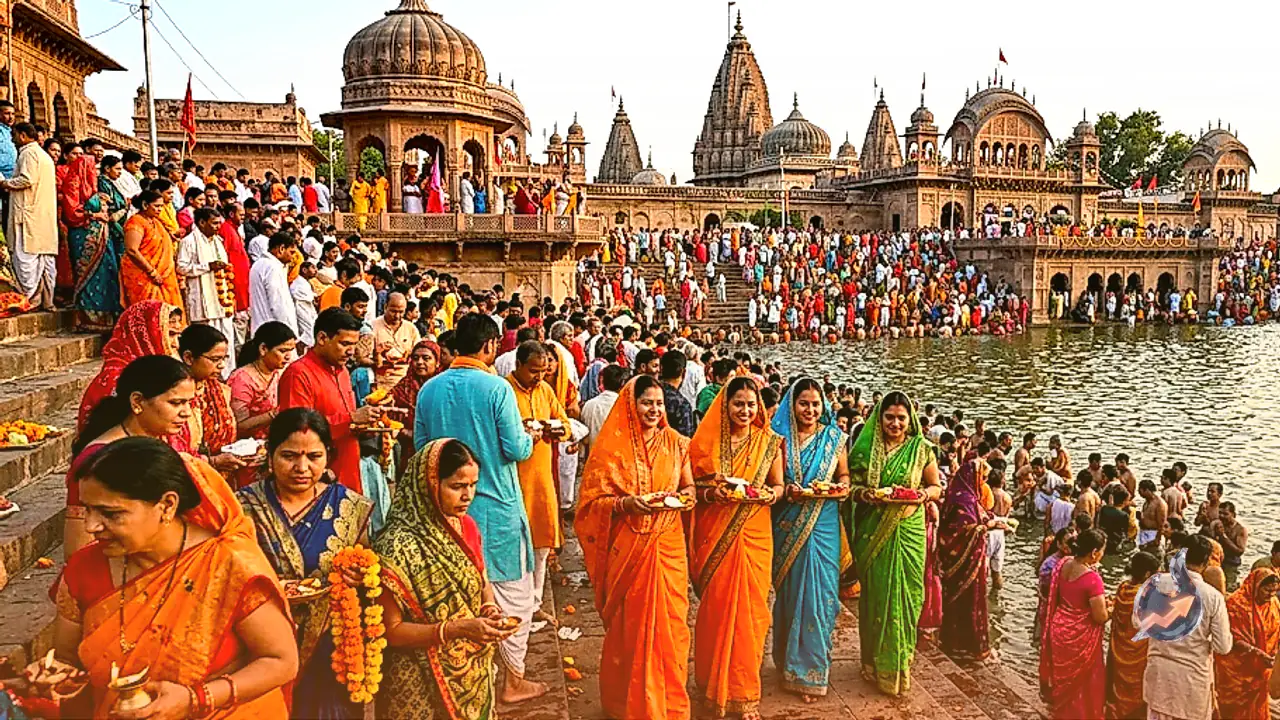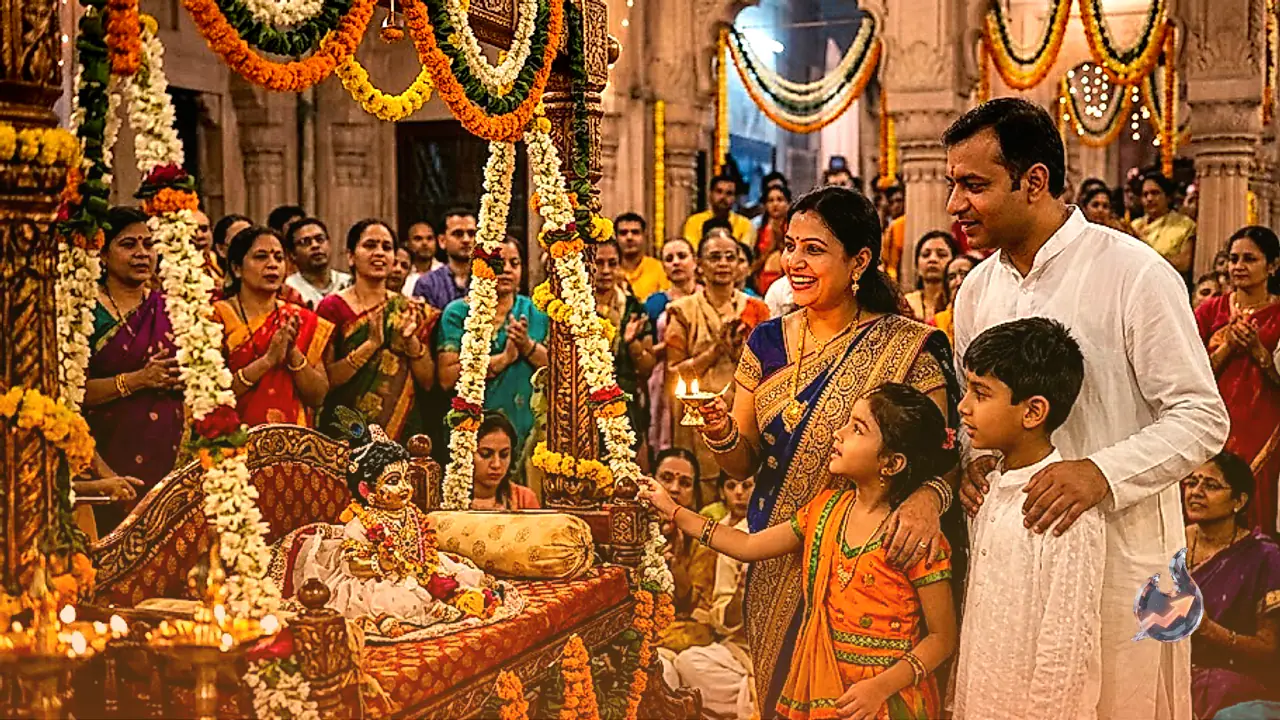



















The world-renowned Shri Mahakaleshwar Temple in Ujjain, Madhya Pradesh, witnessed yet another awe-inspiring spiritual gathering on Monday, July 20, 2026, as devotees congregated for the sacred Bhasma Aarti. Considered one of the most revered Jyotirlingas in the country, the temple draws pilgrims from all corners of the globe who seek the divine blessings of Lord Mahakal. Conducted during the Brahma Muhurat, the pre-dawn auspicious period, the Bhasma Aarti is an ancient and unparalleled tradition where the deity is adorned with sacred ashes. As the temple doors opened to the faithful, the entire complex resonated with passionate chants, offering an experience of profound spiritual energy that words can barely capture.
Experiencing the Divine Brahma Muhurat
The rituals commenced with the divine and majestic Shringar, an intricate adornment of the deity, followed by the central offering of the bhasma. Temple priests led the gathering in powerful Vedic chants, creating an atmosphere completely saturated with devotion and reverence. Devotees stood in disciplined queues long before sunrise, waiting patiently for a glimpse of the deity. According to deep-rooted religious beliefs, attending this specific aarti allows individuals to receive direct blessings from Lord Mahakal, who is said to absorb all the sorrows and hardships of human life. The sheer scale of faith on display highlights exactly why this ancient custom remains the beating heart of the Mahakaleshwar Temple's daily schedule.
New Three-Month Registration Limit
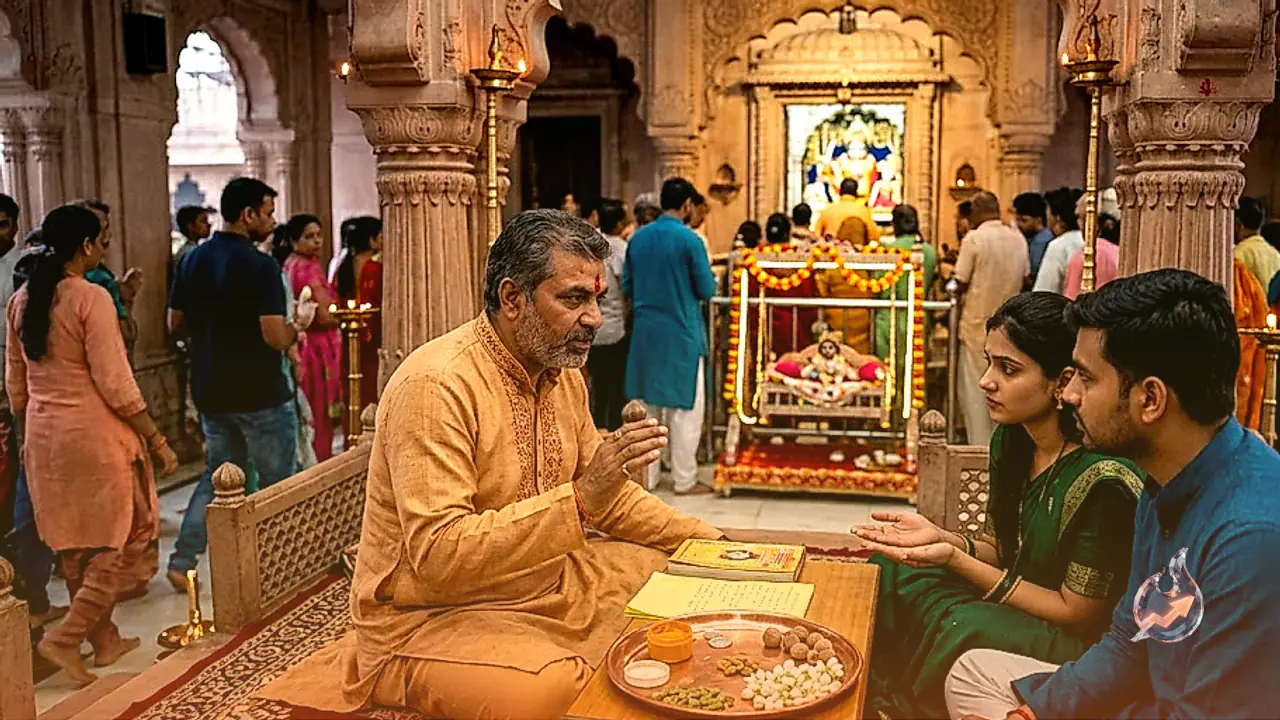
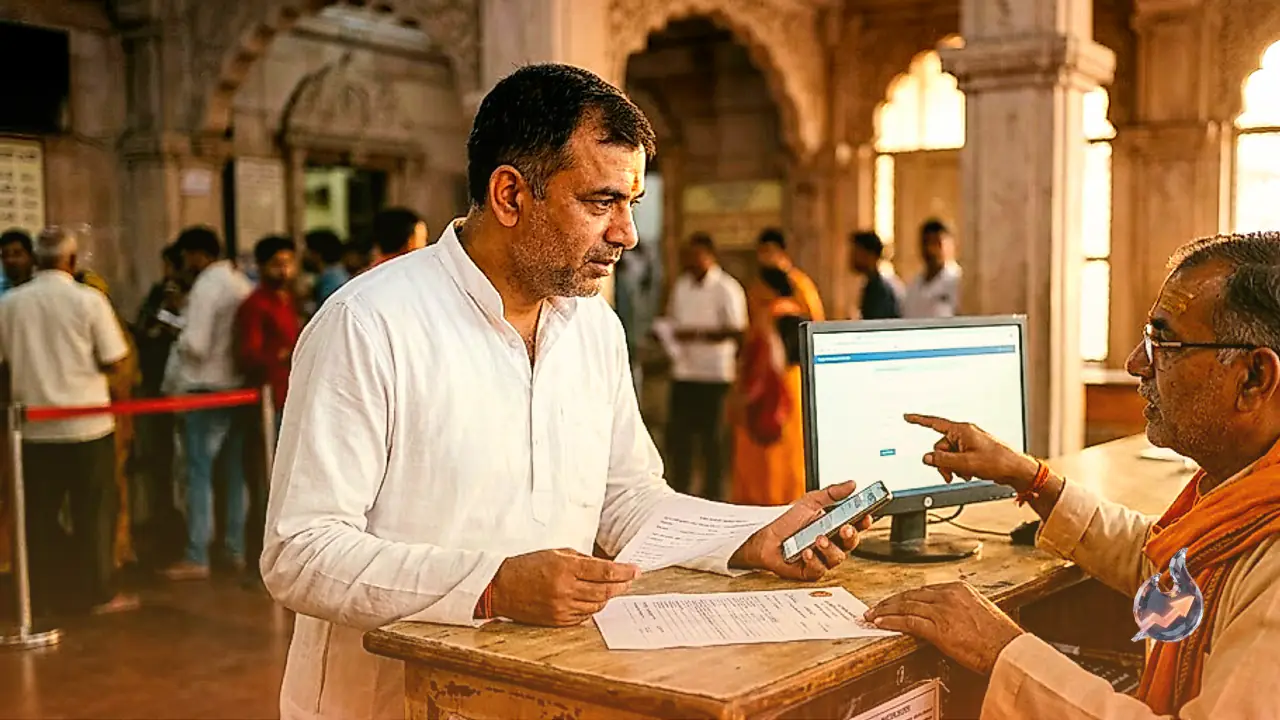
However, securing a spot for this transformative experience has historically been a challenge for many, prompting a significant overhaul of the temple's registration system. In a bid to prioritize convenience and ensure absolute transparency for all visitors, the temple administration has instituted a strict new booking protocol. Under the revised guidelines, any individual can now register to attend the Bhasma Aarti only once every three months using a single mobile number. This systemic shift is designed to democratize access to the highly sought-after morning ritual, ensuring that the privilege is distributed fairly among the massive influx of pilgrims arriving daily.
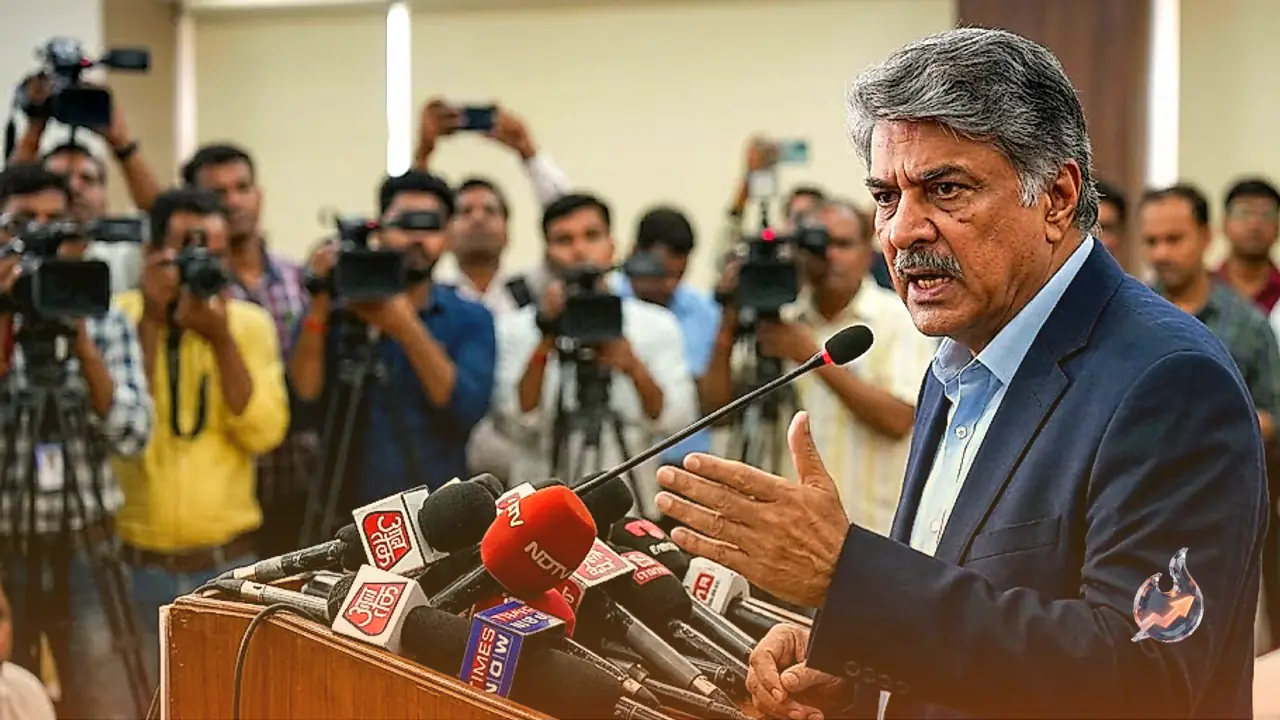
Temple Administrator Pratham Kaushik clarified that this booking restriction is a universal mandate applicable to every single Shiva devotee, without exception. Crucially, this means that individuals attempting to gain entry through the exclusive protocol quota will also have to adhere to the three-month waiting period between visits. By closing administrative loopholes and enforcing a uniform standard, authorities aim to maximize the number of unique devotees who get the rare opportunity to participate in the early morning worship. The focus has firmly shifted toward accommodating those who travel vast distances but often leave disappointed due to fully booked slots.
Origins of the Booking Restrictions
The framework for this regulatory change actually traces its roots back to 2024, when the initial concept of a frequency cap was first introduced by the then Collector, Neeraj Kumar Singh. At that time, the administration was facing a mounting wave of grievances from frustrated pilgrims. Regular devotees had lodged formal complaints pointing out a clear pattern of monopolization, where a select group of people were securing repeated bookings at the expense of others. These repeat attendees were effectively blocking out first-time visitors or those with limited travel windows. In response to those direct complaints, the Collector took the decisive step to restructure the booking rules, laying the groundwork for the transparent and equitable system that governs the Mahakaleshwar Temple today.