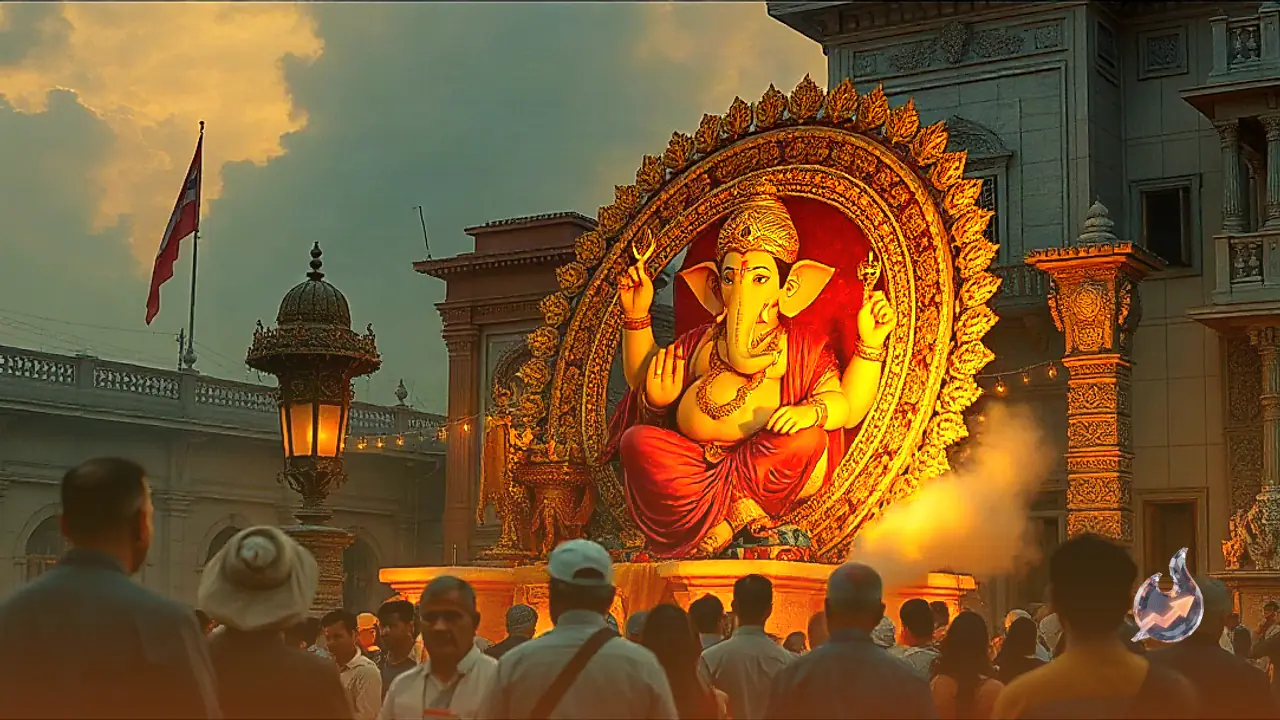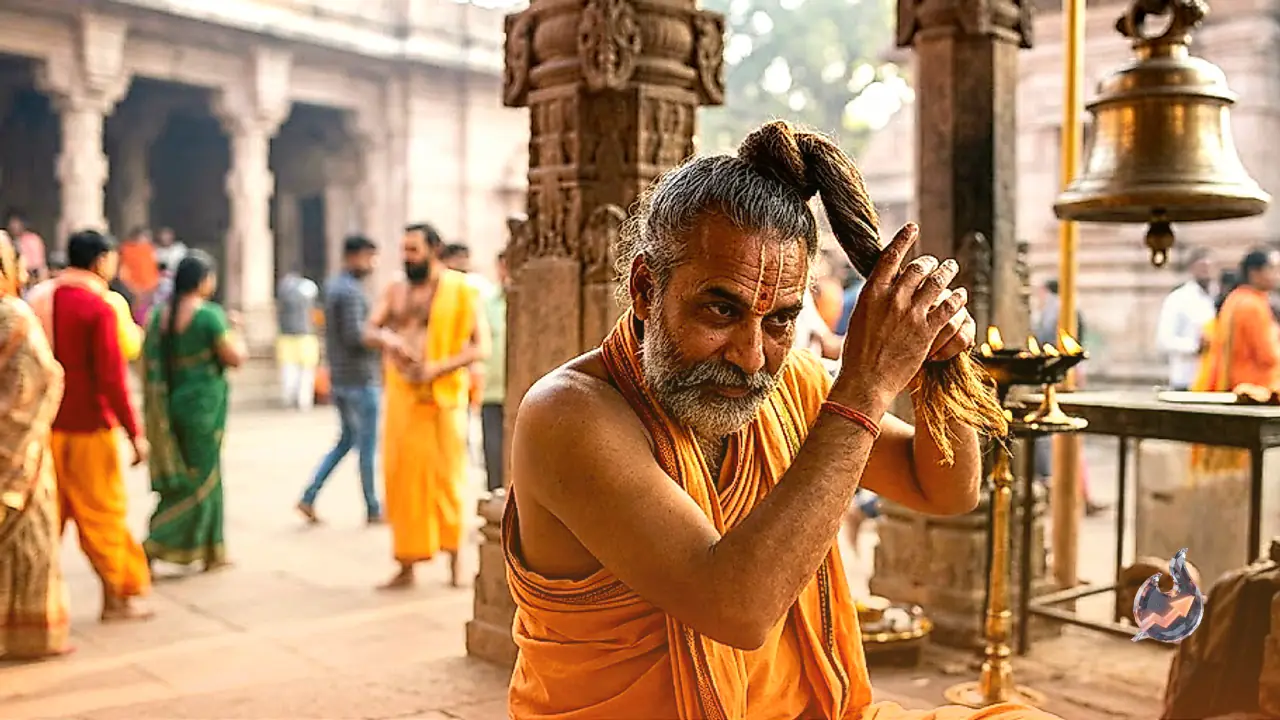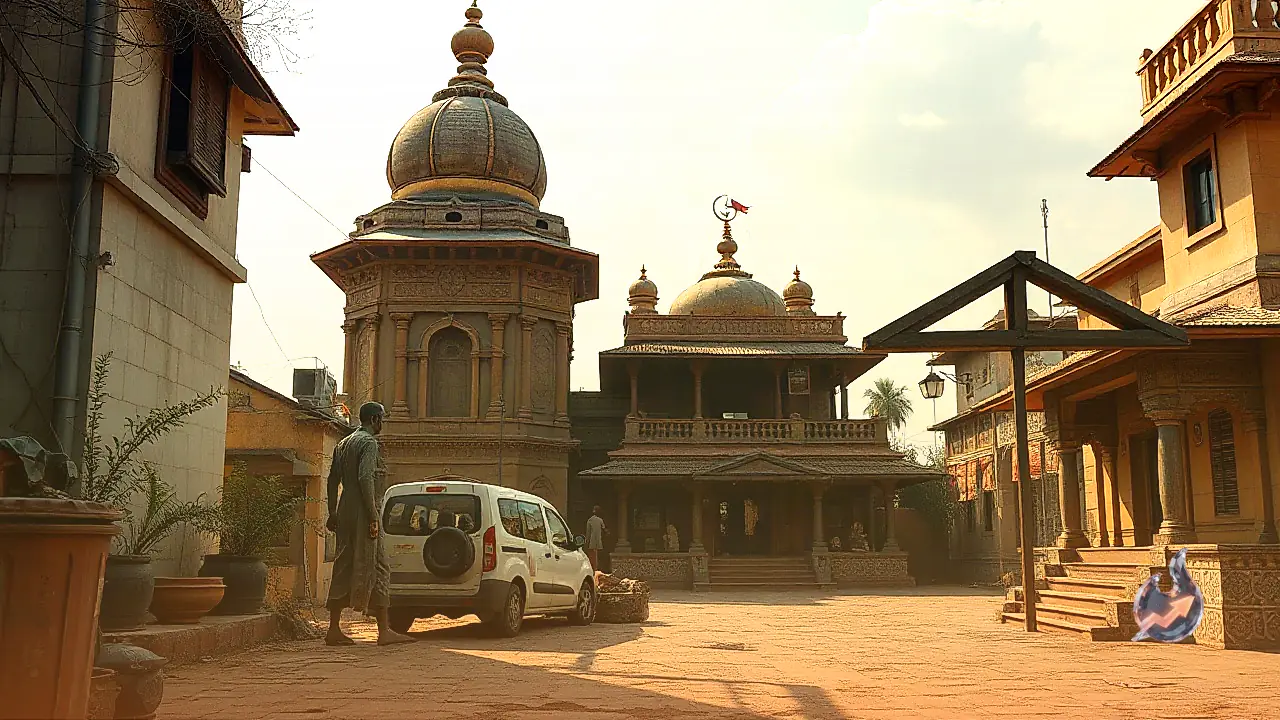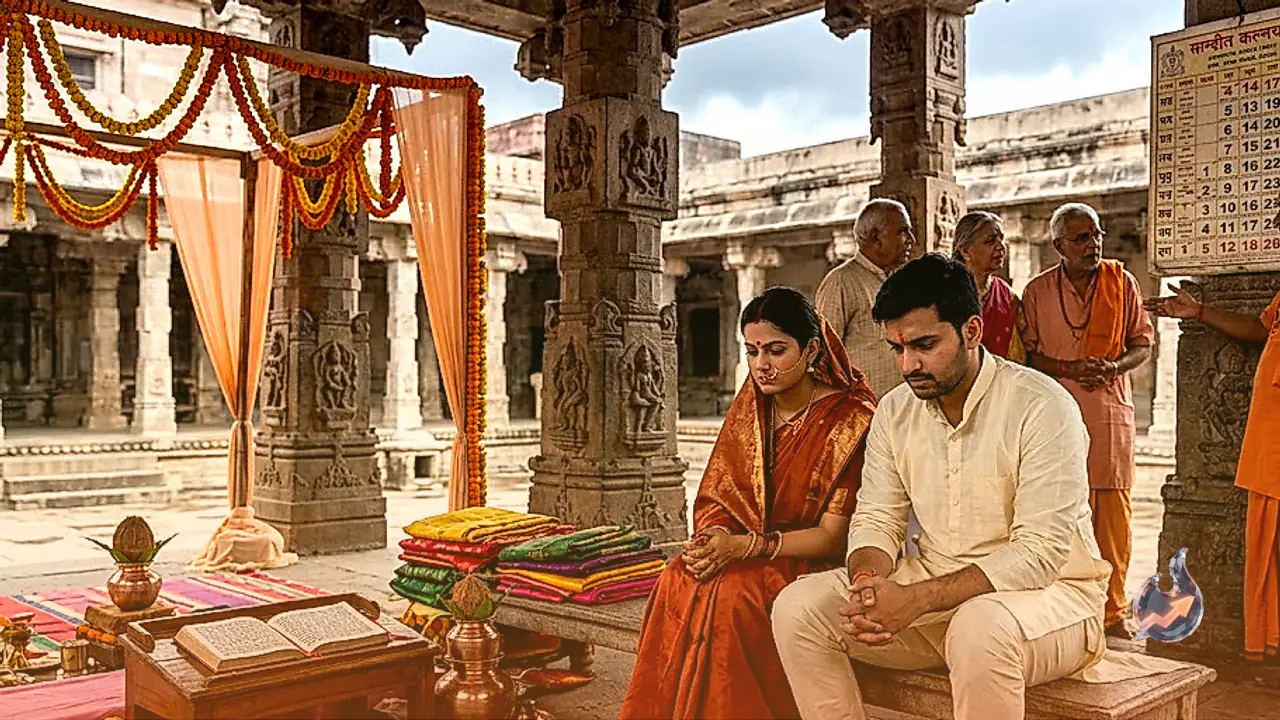






















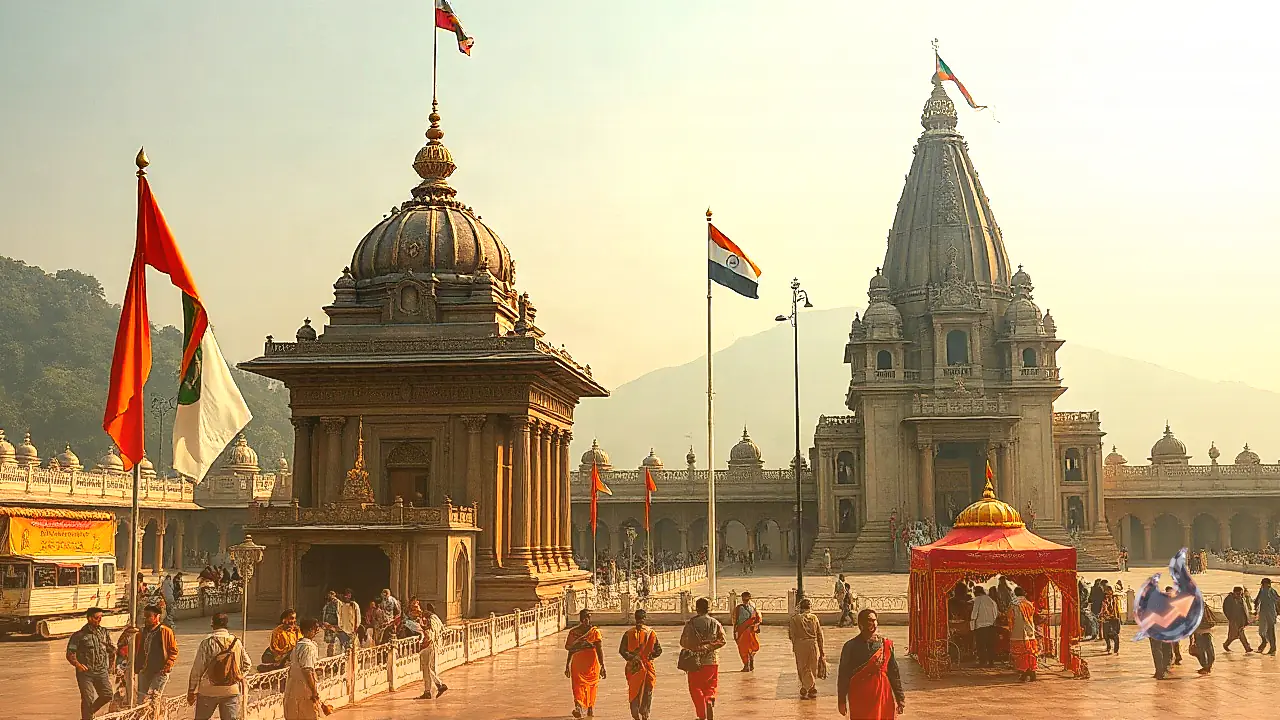

Preparations for the formal inauguration of the Simhastha Mahakumbh have officially commenced with administrative bodies reviewing ground arrangements in Nashik. A comprehensive preparatory session was convened by the Kumbh Mela administration alongside the Kumbh Mela Authority to finalize arrangements for the ceremonial flag-hoisting scheduled for October 31. Presided over by Guardian Minister and Kumbh Mela Minister Girish Mahajan, the assembly brought together key representatives across monastic akharas, revered saints, mahants, and senior administrative personnel. The discussions focused entirely on executing the ceremonial hoisting in alignment with longstanding religious customs while establishing seamless crowd management and logistical discipline.
Regarded as the most expansive spiritual assembly within Sanatan tradition, the Kumbh Mela draws millions of pilgrims from across the globe. Driven by distinct astrological configurations and planetary movements, this sacred congregation alternates across four revered riverfront destinations: Prayagraj, Haridwar, Ujjain, and Nashik, each carrying deep civilizational reverence.
Simultaneous Ceremonies at Ramkund and Kushavart Kund
Two venerated religious locations have been designated as the twin epicenters for the flag-hoisting ceremony. In Nashik, rituals will take place along the banks of the Ramkund ghat, while in Trimbakeshwar, the event will unfold at Kushavart Kund within the vicinity of the historic Trimbakeshwar Jyotirlinga temple complex. Minister Girish Mahajan confirmed that the flag will be unfurled at precisely 12:02 PM on October 31 across both locations simultaneously.
This synchronised opening represents the definitive formal beginning of the Simhastha Mahakumbh. The operational framework outlines plans for President Droupadi Murmu to grace one of the locations to perform the ceremonial hoisting. Concurrently, the ceremony at the second venue will proceed in the presence of Maharashtra Chief Minister Devendra Fadnavis. Several senior representatives from both central and state administrations are also scheduled to participate in the ceremonial events.
Extended 21-Month Span Rooted in Historic Royal Tradition
Setting this observance apart from conventional pilgrimages, the upcoming Nashik-Trimbakeshwar Simhastha Kumbh Mela is scheduled to span 21 months. The expansive congregation will open on October 31, 2026, and run until its formal conclusion on July 24, 2028. This long-duration religious festival draws its lineage from the historical era of King Harshavardhana, during whose reign the tradition of organizing the Simhastha gathering took firm institutional root.
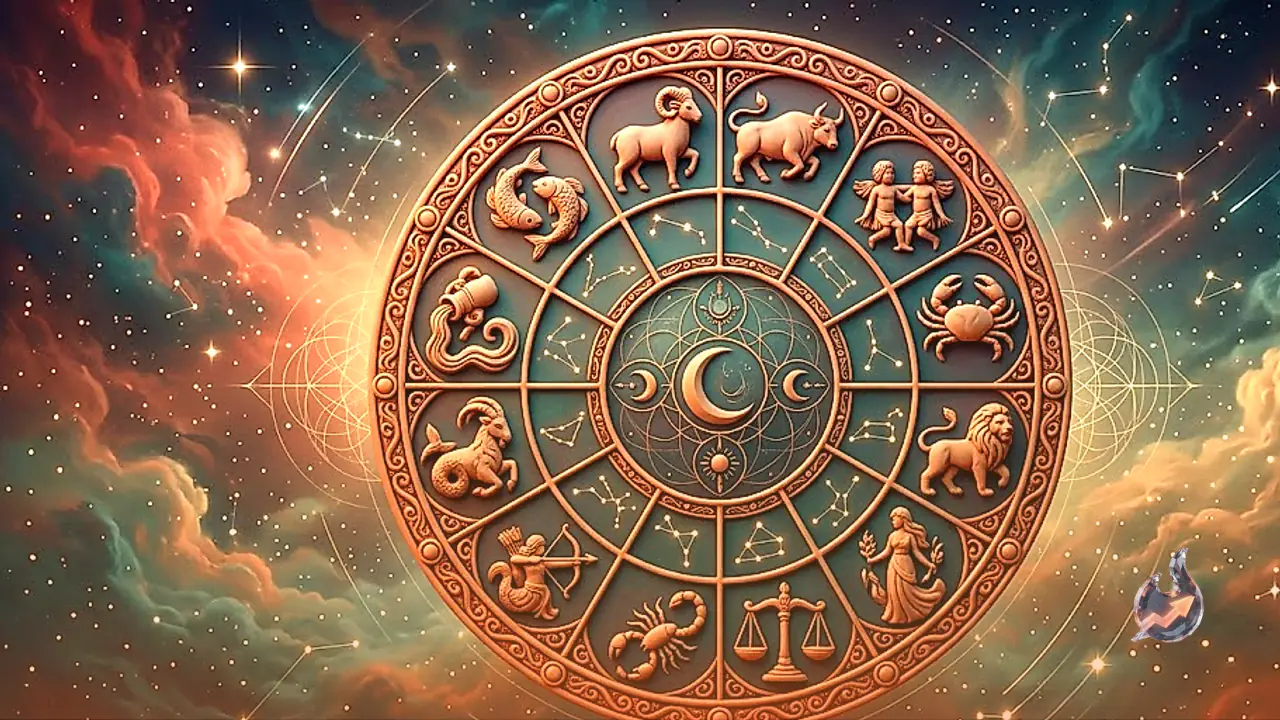
Astrologically, the designation of Simhastha is tied specifically to the entry of Devaguru Jupiter into the zodiac sign of Leo, known as Simha rashi. Because this unique planetary configuration defines the event, this particular pilgrimage carries the title of Simhastha, a distinction not applied to other Kumbh gatherings across the country.
Spiritual Legacy and the Symbolism of Ujjain
The philosophical origins of the Kumbh congregation stem from the ancient legend of the churning of the cosmic ocean, known as Samudra Manthan. Following the emergence of the pot of divine nectar, a celestial struggle erupted between gods and demons. Traditional lore holds that sacred drops of nectar fell upon select sacred locations across India, including Ujjain in Madhya Pradesh, where the Simhastha is traditionally observed along the banks of the Kshipra river. The presence of the Mahakaleshwar Jyotirlinga further magnifies the spiritual significance of the Kshipra riverfront.
Throughout the extensive Nashik and Trimbakeshwar congregation, saints, spiritual leaders, Mahamandaleshwars, and pilgrims will arrive from across the nation to participate in rigorous spiritual discourses, temple visits, and Vedic rites. Taking a ritual dip in sacred waters and offering prayers form the core spiritual devotion of visiting pilgrims, reflecting the convergence of diverse cultural and monastic traditions.
Schedule for Amrit Snan Ceremonies
Among the foremost attractions of any Kumbh Mela are the ceremonial processions and the traditional Shahi Snan observed by monastic orders, alongside the sacred bathing intervals designated for visiting devotees. These bathing rituals highlight the enduring spiritual tapestry that brings together monastic lineages and everyday pilgrims under shared faith.
Key bathing intervals confirmed for the Nashik Kumbh Mela 2027 calendar include
- Second Amrit Snan: Scheduled for August 31, 2027.
- Third Amrit Snan (Nashik): Set to take place on September 11, 2027, along the Ramkund ghat.
- Third Amrit Snan (Trimbakeshwar): Scheduled for September 12, 2027, centered around the Kushavart Kund area.
Tens of thousands of devotees are expected to assemble during these specific holy dates, prompting extensive infrastructural preparations across the twin temple towns.