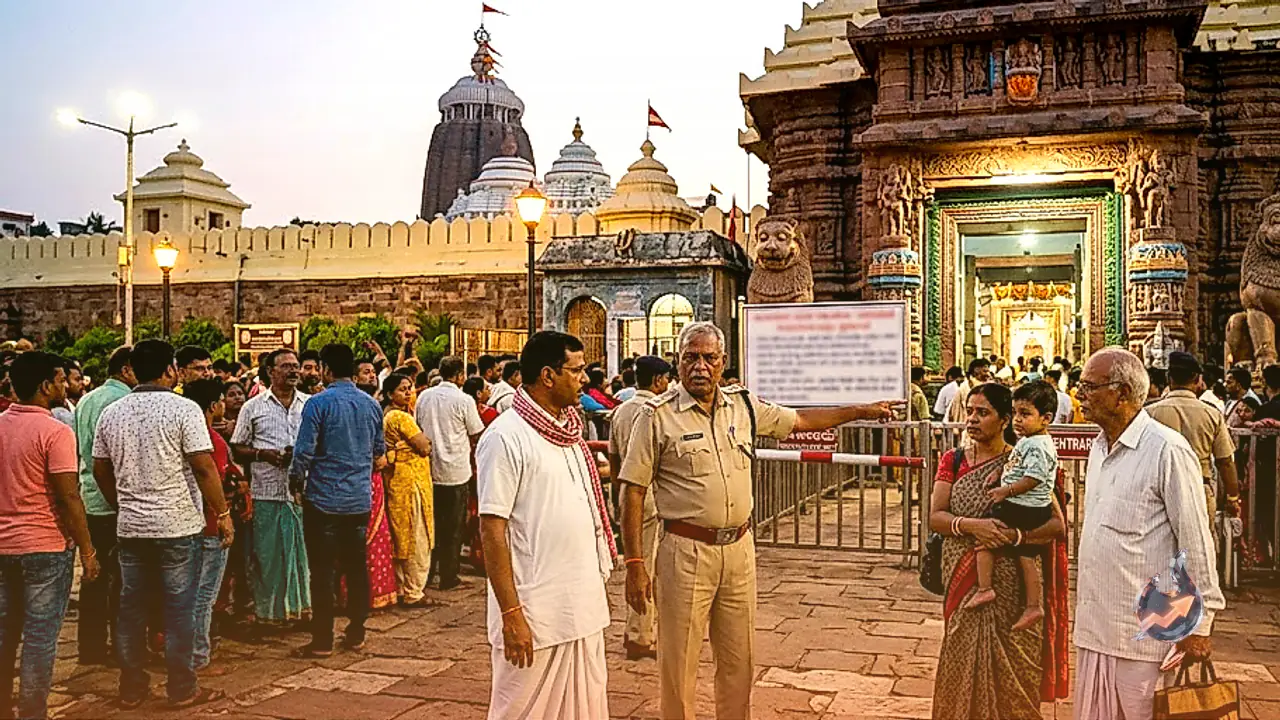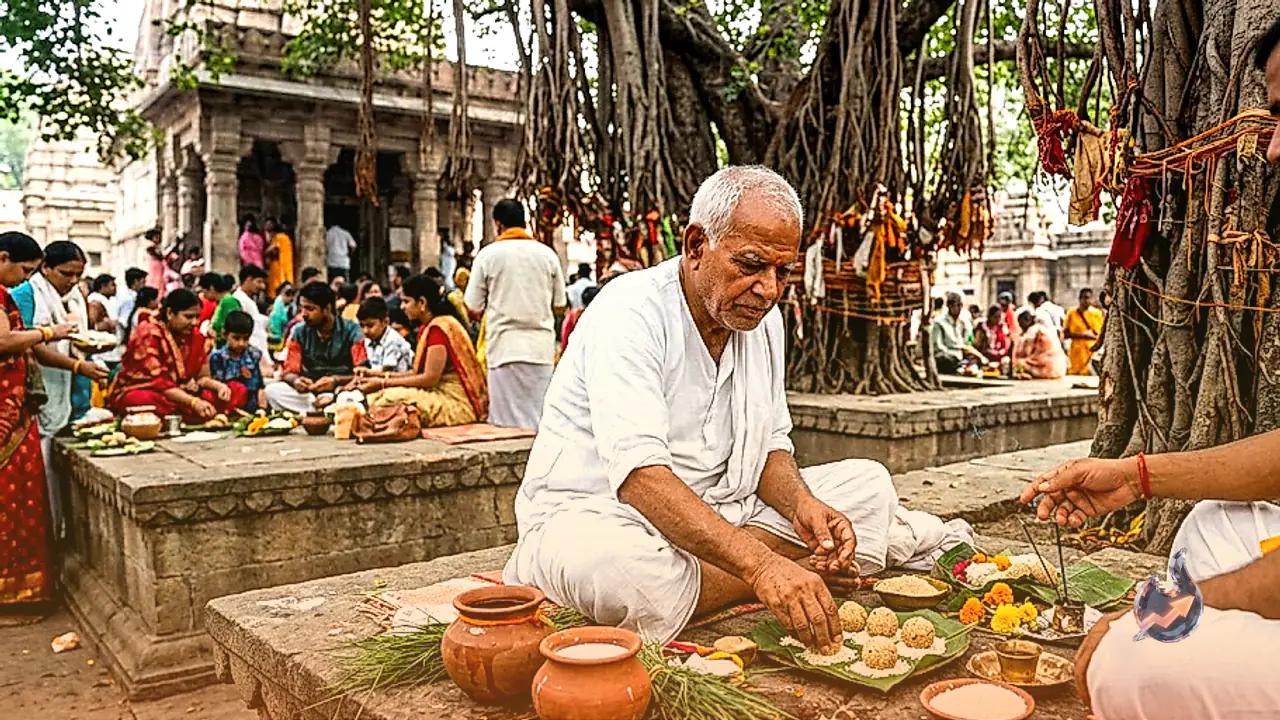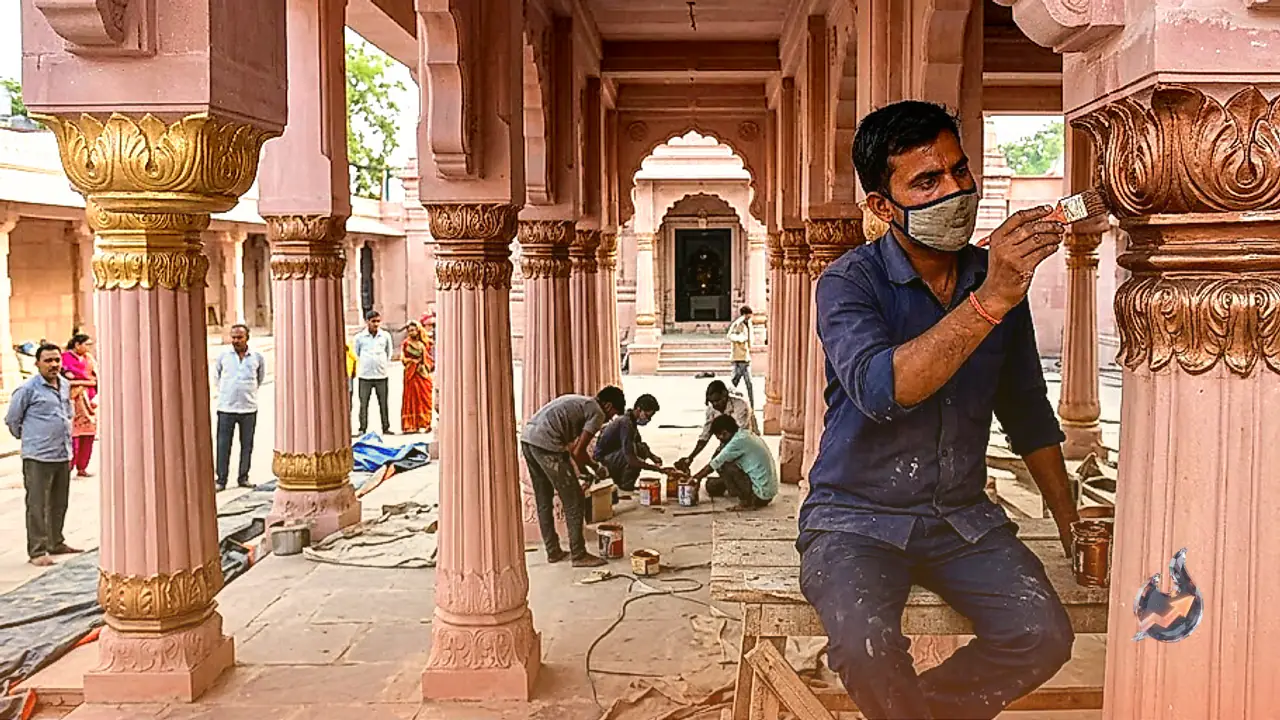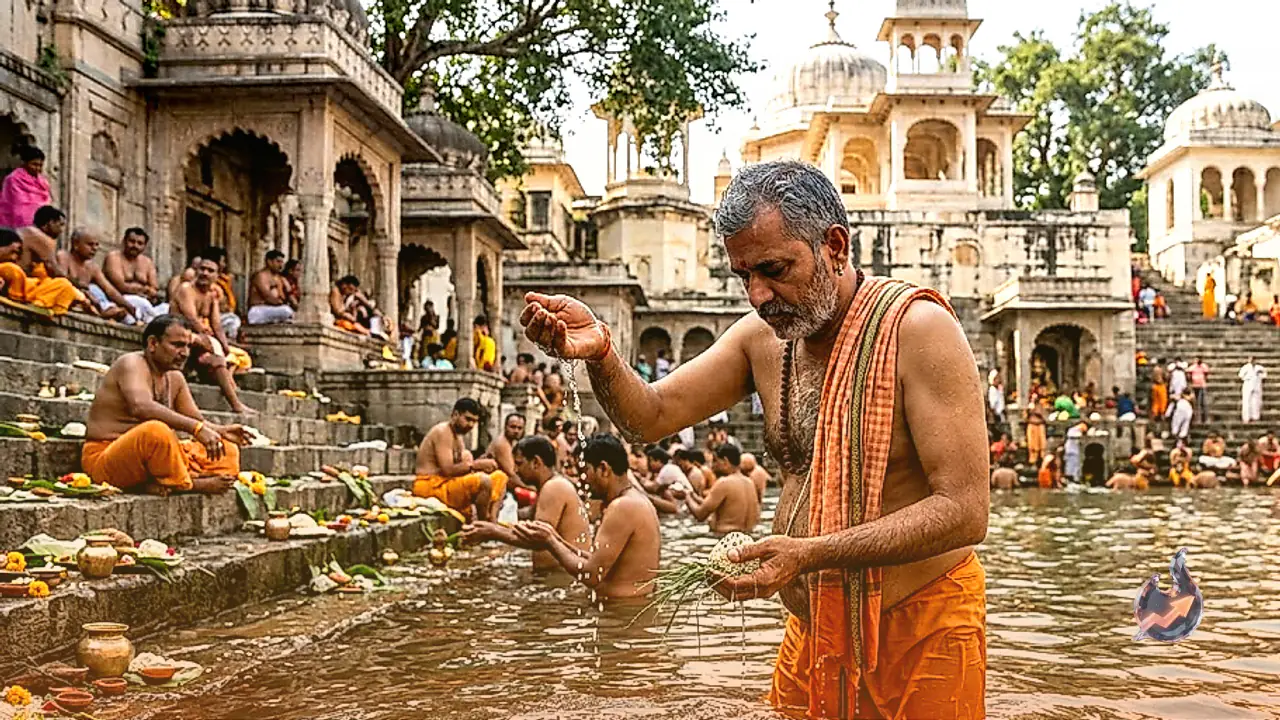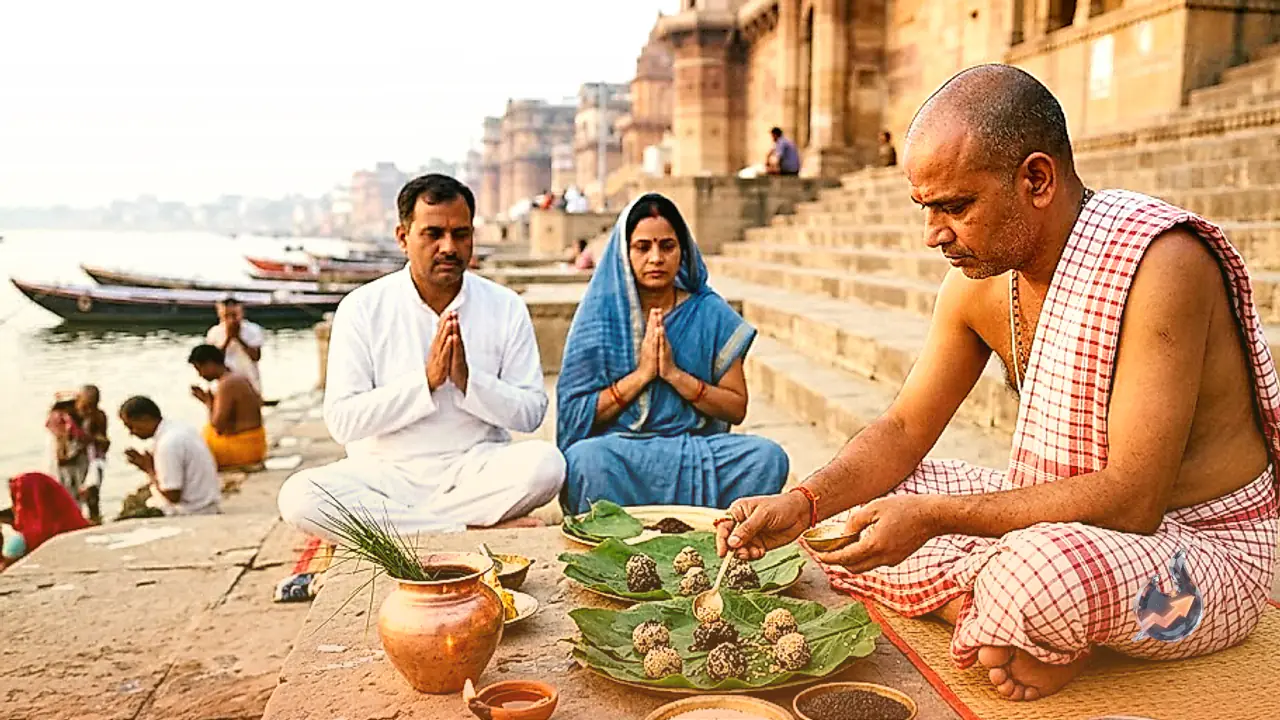




















The holy city of Ujjain, globally renowned for its spiritual heritage and prominent temples, holds a special place in history through its sacred sites. Among these is the revered temple located on Mangalnath Road known as the Sandipani Ashram, where Lord Krishna once received his education. On the auspicious occasion of Guru Purnima, the shrine is set to observe a millennia-old tradition, with extensive arrangements already finalized within the temple premises.
Special Rituals and Deities Ablution
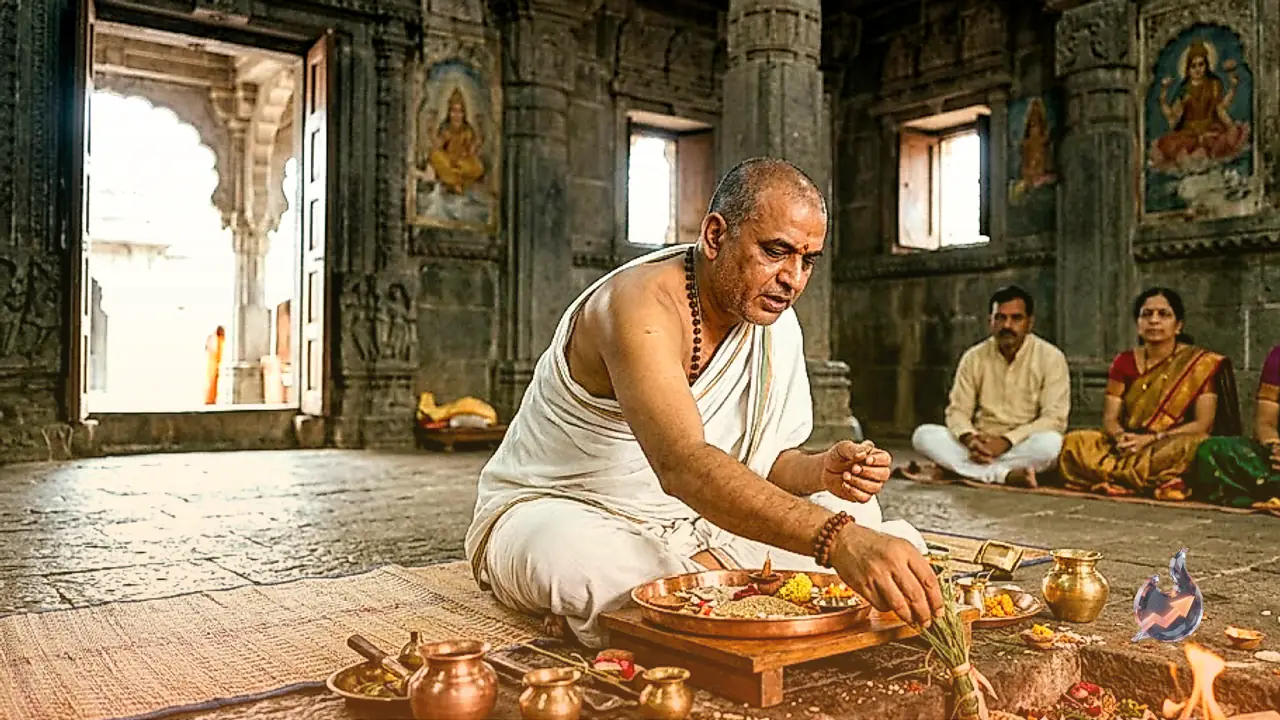
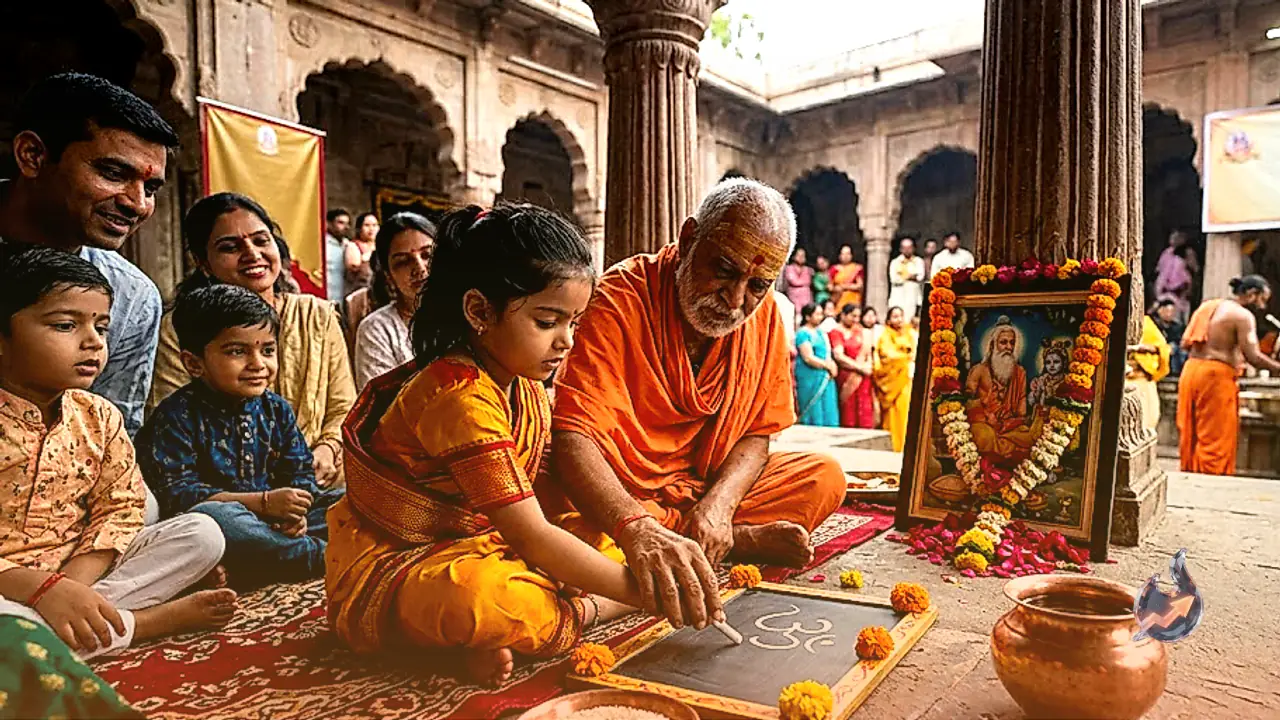
According to temple priest Pandit Kirti Rupam Vyas, the sacred festival of Guru Purnima will commence with the ceremonial ablution of Lord Krishna and Sage Sandipani using the holy waters of the Ganga, Gomti, and Prayagraj. Following this ritual, the deities will be adorned in fresh garments and decorated elaborately with fragrant mogra flowers. Numerous parents are expected to arrive at the ashram alongside their young children to participate in the Vidyarambh Sanskar. Descendant priests of the ashram noted that the ancient guru-shishya tradition has been diligently practiced here for five thousand years.
Significance of Slate Worship and Sanskar
Following the formal worship and rituals, a grand aarti will be performed, after which Prasad will be distributed among the gathered devotees. On Guru Purnima, young children who have newly begun schooling participate in the slate worship ceremony. During this ritual, children write the three specific mantras penned by Lord Krishna during his student years. This practice is also referred to as the Vidyarambh or intelligence-building sanskar. Slate worship holds a unique significance among the traditional sixteen sanskars, where slates are placed before the preceptor for ritualistic reverence. On this day, idols of Lord Krishna, Balarama, and Sudama are also worshipped and bathed to impart foundational moral and cultural values to the participating children.
The Educational Legacy of Lord Krishna
Elaborating on the historical significance, priest Kirti Vyas shared that Lord Krishna mastered 14 branches of knowledge and 64 arts within a remarkable span of just 64 days, driven by his extraordinary intellect and profound concentration. Tradition holds that he studied the four Vedas in only four days, acquired mastery over the six shastras in six days, perfected the 16 arts in 16 days, and completed the study of all 18 Puranas in 18 days. Furthermore, he gained deep knowledge of the Upanishads, Vedic meters, figures of speech, and other vital scriptures. Visitors to the ashram are blessed with the divine darshan of a seated idol of Lord Krishna.