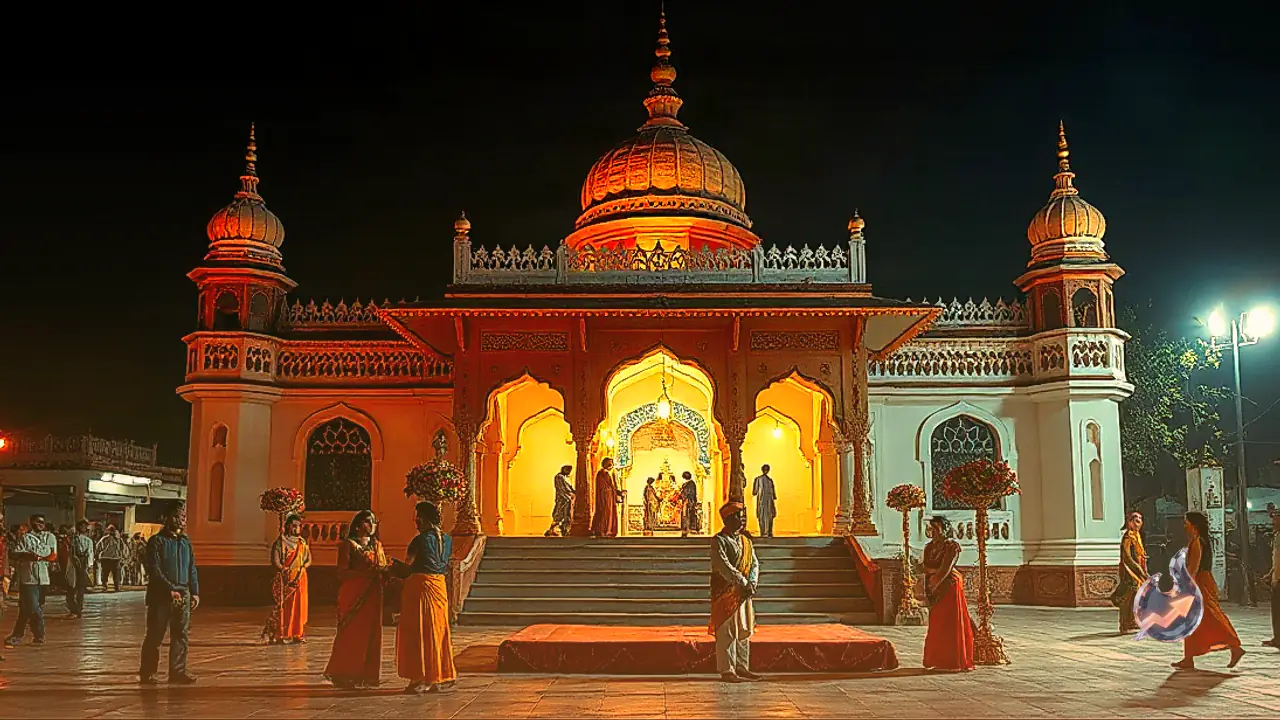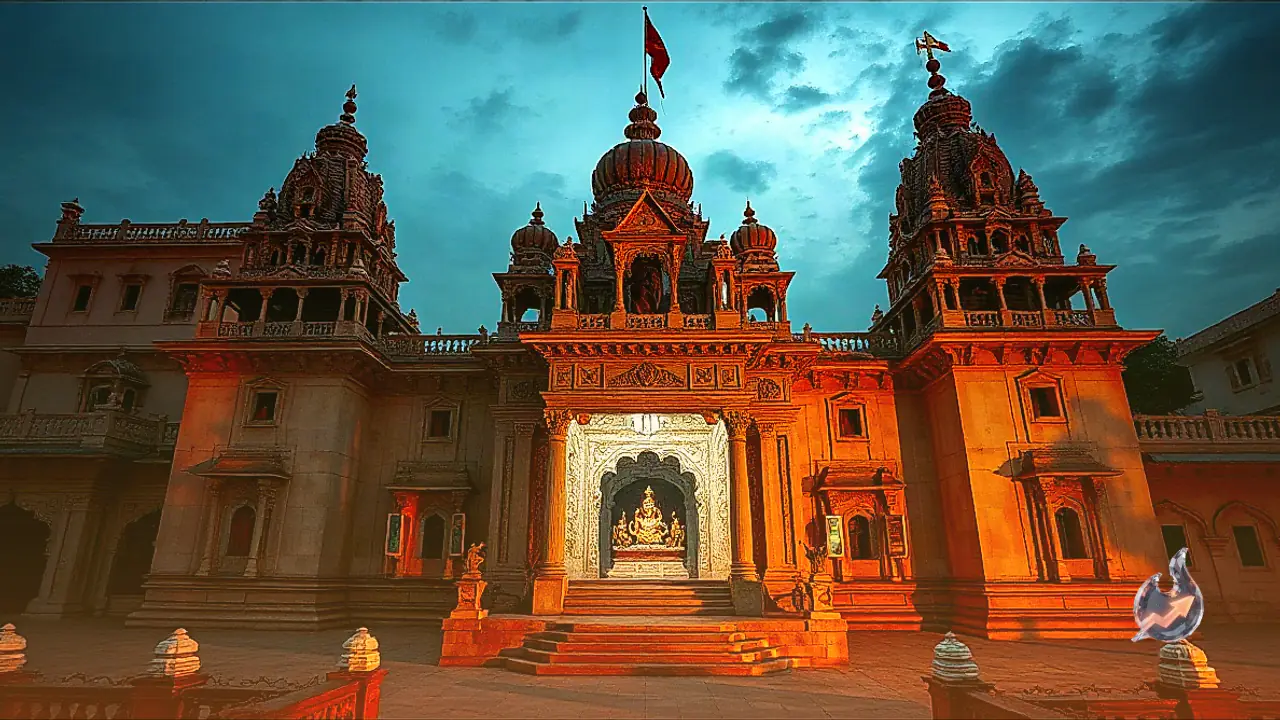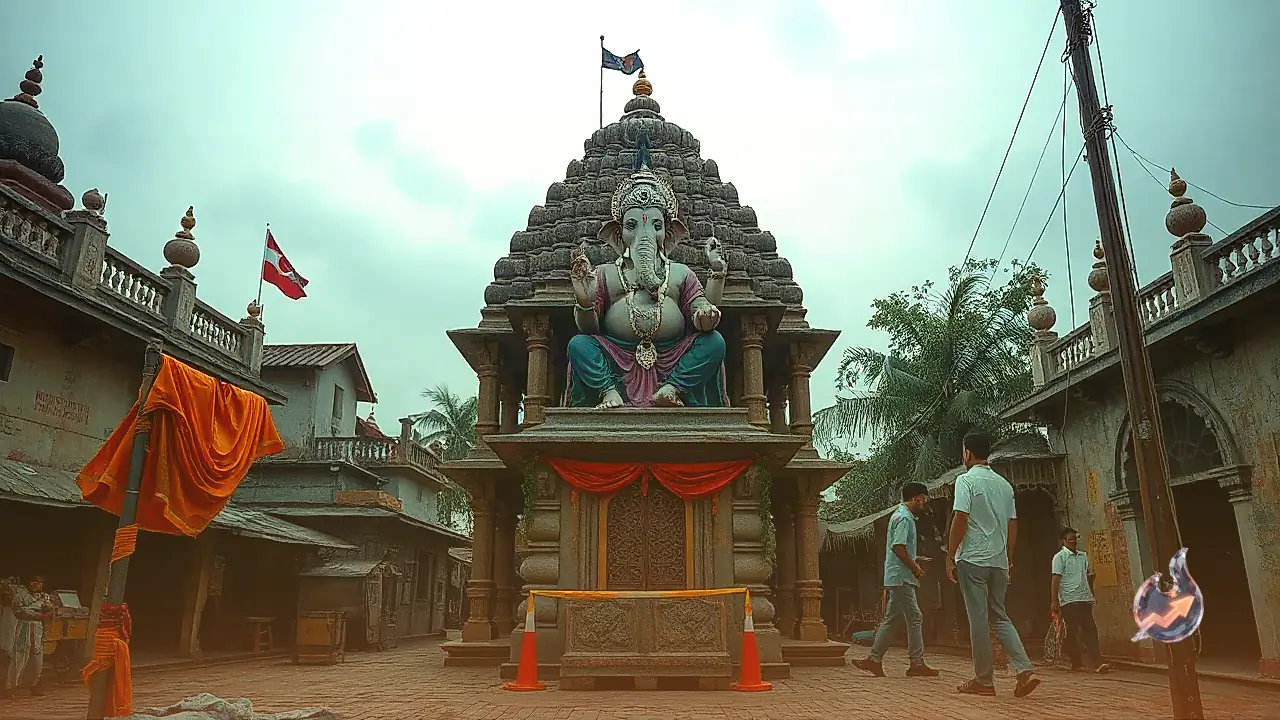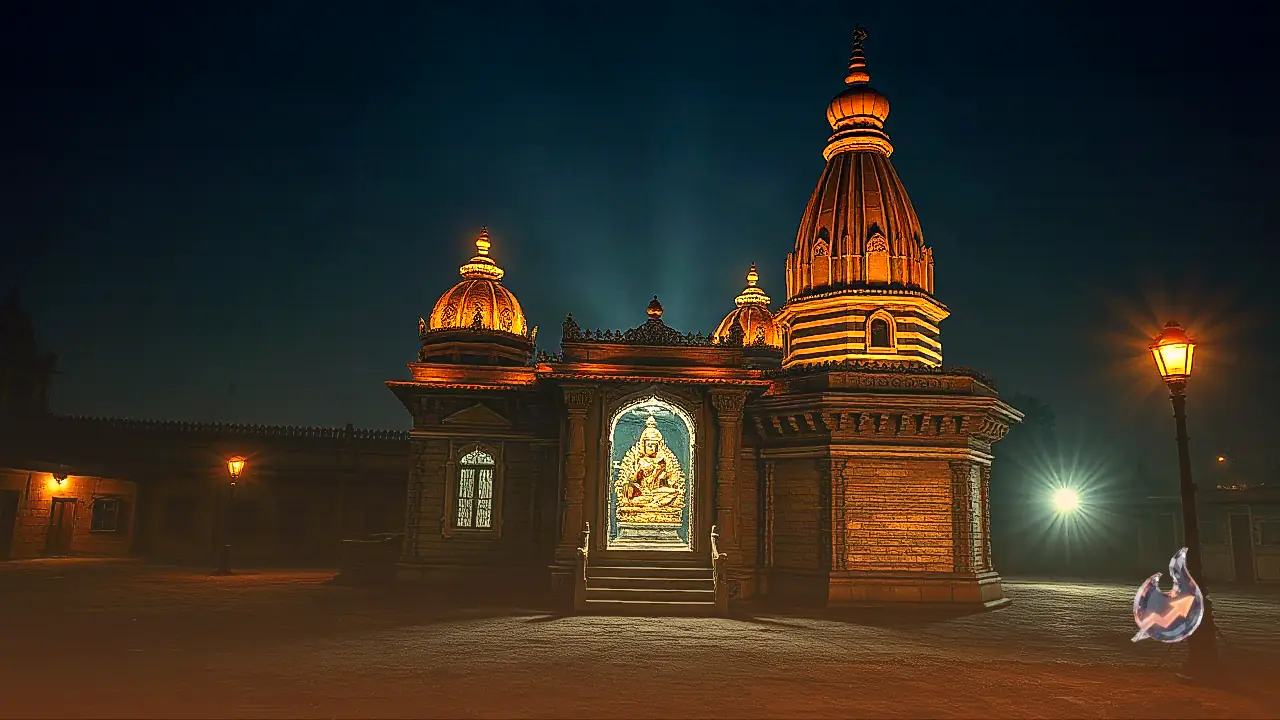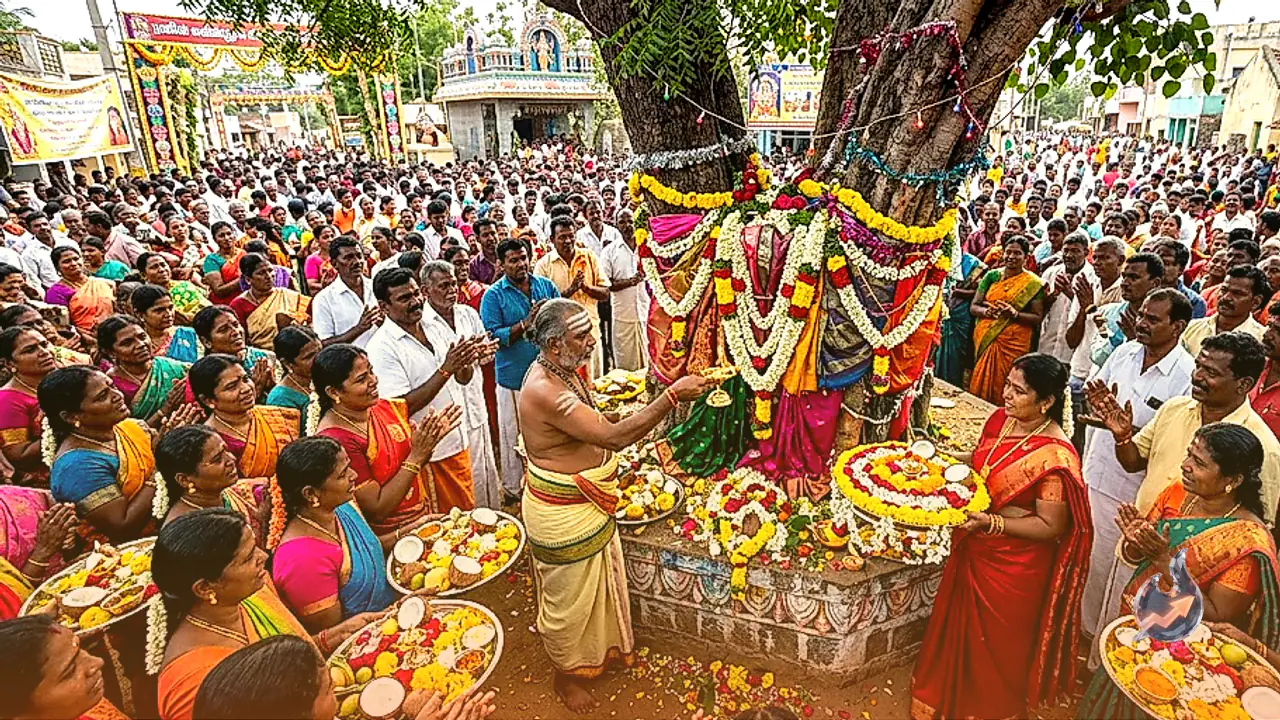















Weddings typically feature a groom and a bride, but have you ever witnessed a grand marital celebration without either? A remarkably unique religious event took place in the Pudukottai district of Tamil Nadu, where villagers performed a traditional marriage ceremony for Peepal and Neem trees. A massive gathering of devotees participated in this celebration, highlighted by a grand procession carrying more than 200 decorated prayer plates.
Wedding Invitations and Procession Arrangements
This distinct religious ritual was organized at the Selva Vinayagar Temple in Melamangalam South village, near Aranthangi. Treating the event with the seriousness of a human wedding, the villagers had formal invitation cards printed and distributed to invite people from surrounding areas.
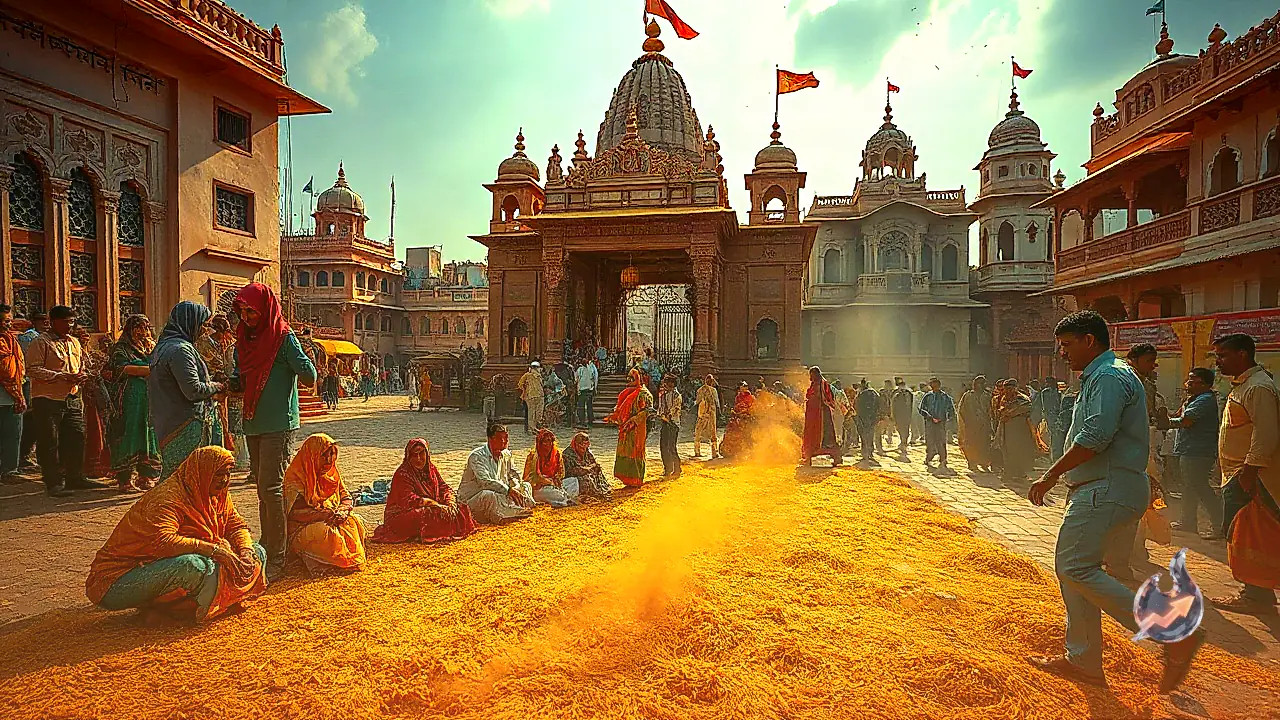
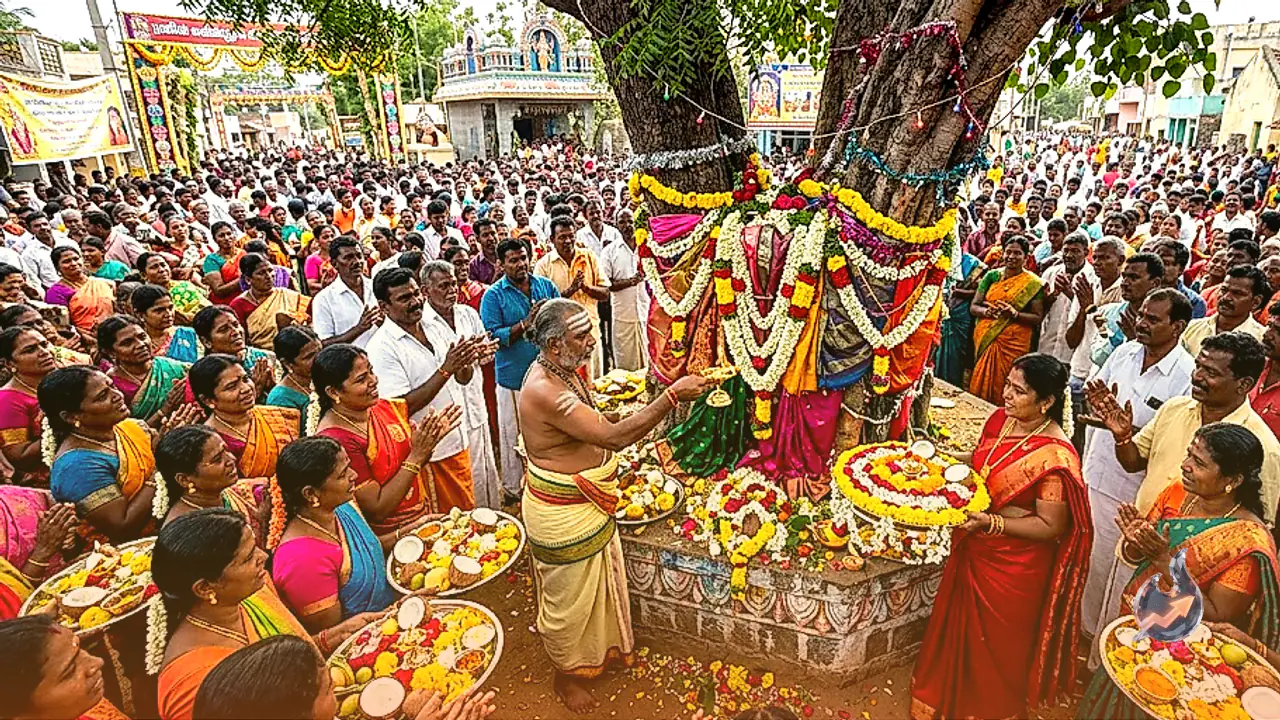
On the day of the ceremony, villagers gathered at the Koppiyamman Temple grounds. From there, a grand procession commenced carrying over 200 prepared prayer plates. These plates contained coconuts, betel leaves, betel nuts, bananas, and various other fruits. Additionally, silk dhotis and sarees were included among the ritual offerings. Amid traditional music and a festive atmosphere, devotees carried these plates on their heads toward the Peepal and Neem trees.
Symbolism of Shiva and Parvati and Wedding Rituals
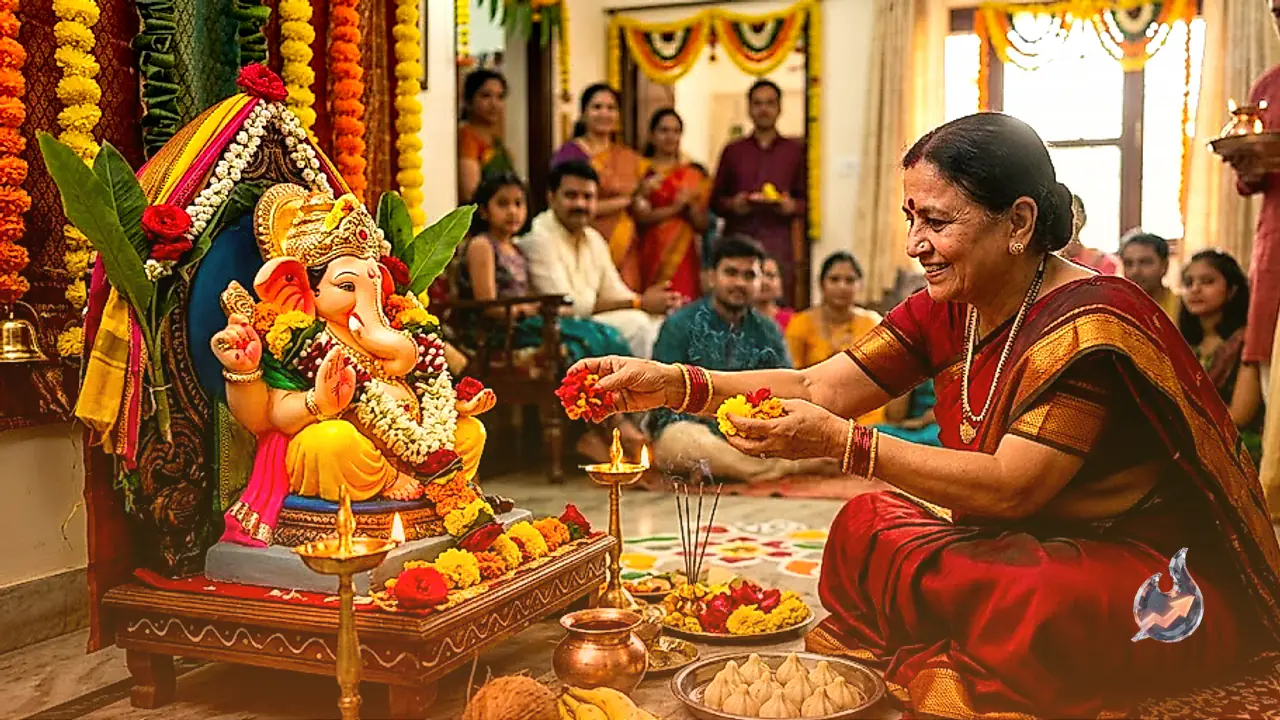
According to religious customs, the Peepal and Neem trees were worshipped as manifestations of Lord Shiva and Goddess पार्वती during this ceremony. Special havan and purnahuti rituals were performed initially. Following the abhishekam, both trees were dressed in new garments and adorned with flower garlands.
To complete the marriage rituals, a sacred thread known as the thaali was tied around both trees. This was followed by a special deeparadhana, bringing the elaborate worship to a successful close.
Beliefs and Local Traditions
Beyond religious devotion, several traditional beliefs motivate this unique wedding. Villagers believe that such rituals help remove obstacles in the marriages of unmarried men and women, paving the way for their union. Furthermore, people hold faith that this worship brings rainfall, agricultural prosperity, and the blessing of offspring.
Thousands of devotees from Melamangalam South and neighboring villages arrived to witness this religious festival, which was collectively organized by the community. While these beliefs regarding marriage prospects and rainfall remain rooted in local faith and religious tradition, they are not scientifically proven facts.