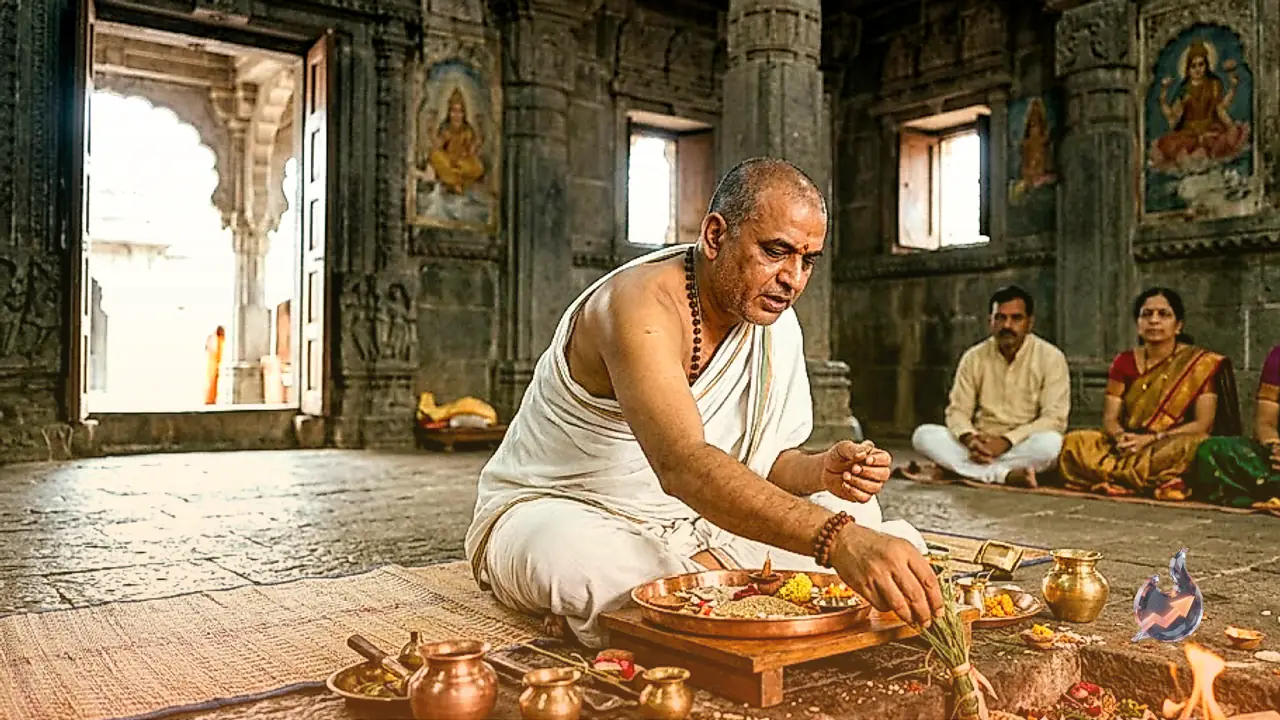



















In Sanatan tradition and Indian spiritual practices, lighting an oil or ghee lamp (diya) is considered an essential ritual before commencing any worship, prayer, or auspicious event. A lit diya is not merely a source of illumination; it stands as a paramount symbol of purity, positive energy, and divine grace. The steady flame helps soothe the mind and enhances mental focus during devotion. However, when a lamp suddenly goes out during puja, it frequently creates anxiety among devotees about whether the event signifies a bad omen or is simply a routine physical occurrence. Ancient traditions and religious beliefs offer several interpretations regarding this occurrence.
Spiritual Importance of the Flame and Mental Focus
The energy radiating from a diya flame is believed to dispel negative vibrations from the surrounding atmosphere. When a devotee sits for prayer with deep faith, the light of the lamp fosters inner concentration. According to sacred scriptures, igniting a lamp prior to invoking deities is a direct expression of reverence and devotion. If the flame flickers out repeatedly during prayers, one key interpretation points to a lack of mental concentration. Wandering thoughts and internal restlessness often disrupt the spiritual harmony of the ritual. Therefore, devotees are advised to calm their minds, refocus their thoughts, and resume prayer with sincerity.
Religious Beliefs and Key Interpretations Behind the Extinguished Lamp
Religious and Vastu traditions associate the sudden extinguishing of a diya with distinct spiritual signs
- Negative Energy and Vastu Defects: An unexpected disruption of the flame may indicate the presence of negative energy or Vastu imbalance in the prayer area. Some traditions also link it to divine displeasure.
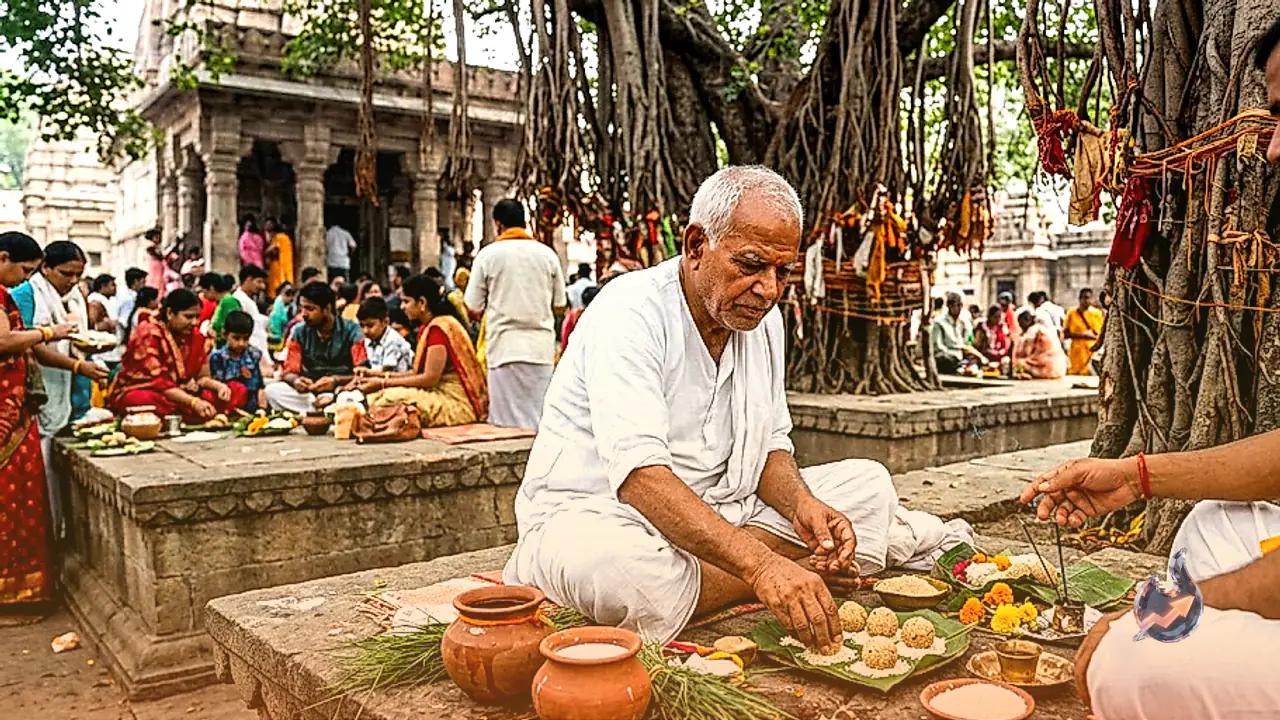
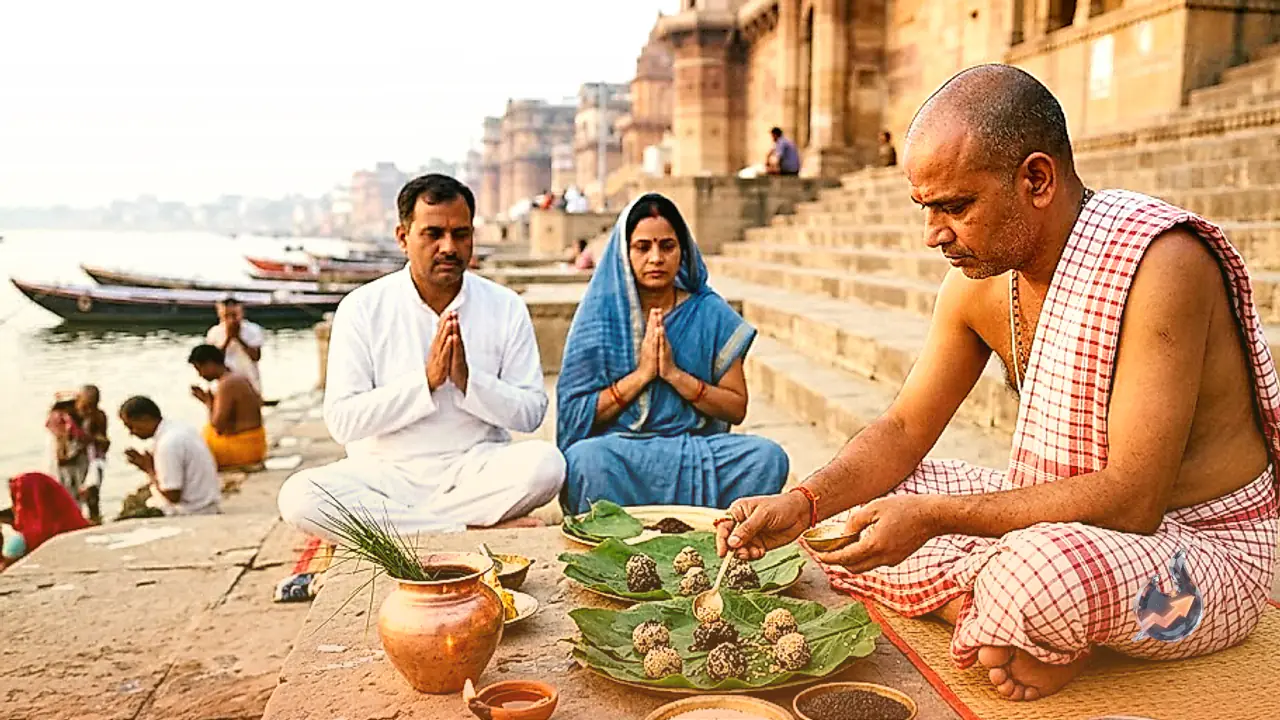
- Restless Ancestors (Pitras): Religious beliefs suggest that a lamp extinguishing mid-puja can point to unappeased ancestors or Pitru-related spiritual distress. Devotees are encouraged to remember their ancestors and seek divine forgiveness.
- Potential Obstacles in Upcoming Tasks: A flame going out abruptly is traditionally viewed as a warning of upcoming delays, hindrances, or untoward situations in one's endeavors. However, spiritual experts emphasize that it should not automatically be viewed as a disaster.
- Practical Factors: In ordinary circumstances, simple physical causes such as a breeze, depleted oil or ghee levels, or an improperly formed wick can cause the flame to go out.
Correct Procedure to Relight the Lamp
If the diya goes out during worship, there is no need to panic. Religious guidelines recommend a simple and structured approach to rectify the situation. First, verify the quantity of oil or ghee inside the lamp. If the cotton wick has become charred, shortened, or overly thick, replace it with a fresh, properly proportioned wick. Next, fold your hands in front of the deity, sincerely ask for forgiveness for any inadvertent mistakes or loss of focus, and relight the diya with complete faith to complete your prayers.
Sacred Mantra to Recite While Lighting the Lamp
Chanting a dedicated sacred mantra while lighting or relighting a lamp is believed to invite auspiciousness and dispel negativity. The traditional Sanskrit prayer is
Shubham Karoti Kalyanam Aarogyam Dhana Sampadam |
Shatru Buddhi Vinashaya Deepa Jyoti Namostute ||
This prayer translates to a request for health, prosperity, well-being, and the destruction of negative mindsets or adversarial forces. Reciting this mantra brings spiritual harmony to the ritual space.
Balancing Traditional Beliefs with Practical Understanding
These interpretations stem from long-standing faith and folk traditions rather than empirical proof. When a lamp goes out, addressing practical factors while maintaining an unwavering, sincere devotion ensures that spiritual peace remains undisturbed.