


















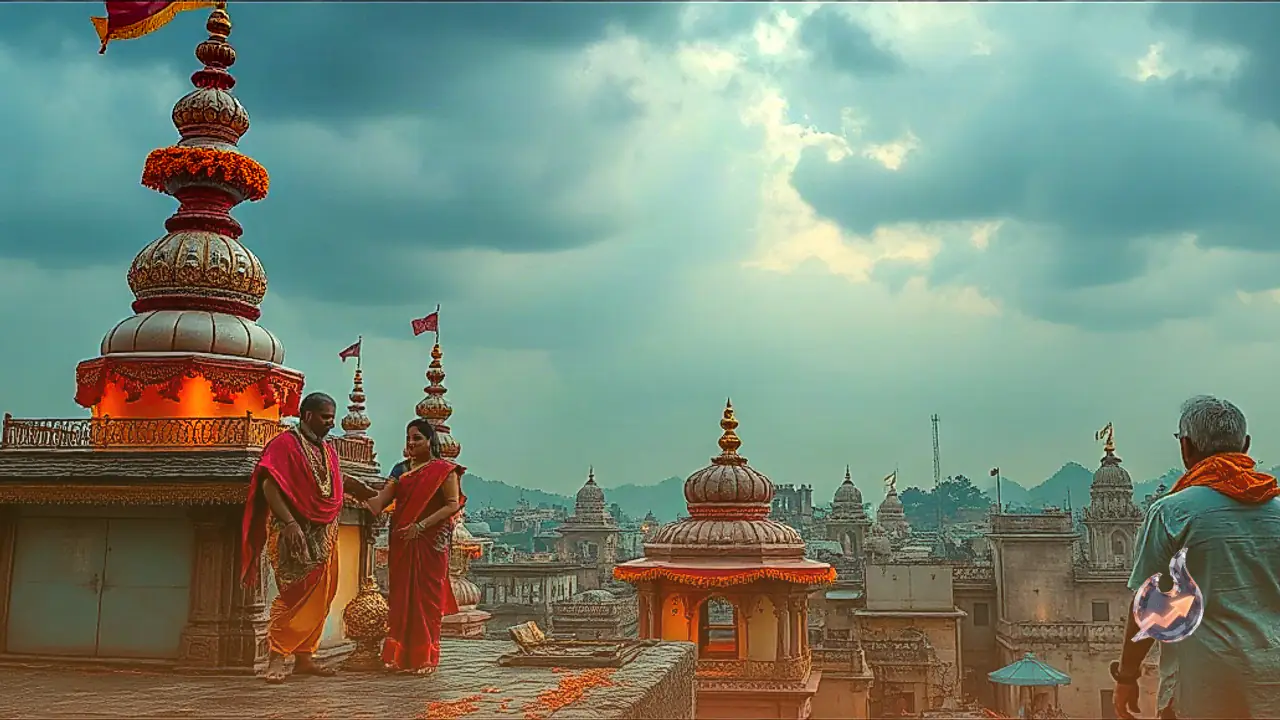

The sacred thread tied around the wrist serves as a constant reminder of the bond of love and protection between brothers and sisters. Once the festival concludes, many individuals find themselves wondering how long this protective thread should remain on the wrist and what procedures should be followed when taking it off. Various beliefs and traditions exist regarding this matter, guiding people on the correct way to handle the ritual.
No Fixed Day for Removal
According to traditional beliefs, there is no strict or predetermined day or time mandated for removing the Rakhi once Rakshabandhan has passed. People follow different practices based on family customs and personal faith. While some individuals choose to remove the thread after ten to fifteen days, many prefer to keep wearing it until it naturally frays and falls off on its own accord.
Traditions Connected to Janmashtami
A prominent tradition links the removal of the thread to the festival of Janmashtami. Many brothers prefer to untie the thread on or after Janmashtami according to their convenience. Additionally, some sisters who are unable to tie the thread on the actual day of Rakshabandhan due to unavoidable circumstances end up tying it on Janmashtami. Consequently, several regions follow the tradition of removing the thread only after Janmashtami concludes.
Rules for Untying the Sacred Thread
When the time comes to take off the thread, certain guidelines should be kept in mind. Instead of pulling it off abruptly or yanking it with force, it should be unwound gently. According to cultural beliefs, the thread should never be cut using scissors or a knife. It is considered appropriate to remember the divine while removing it and to maintain a sense of respect for the thread.
Never Discard Rakhi Carelessly
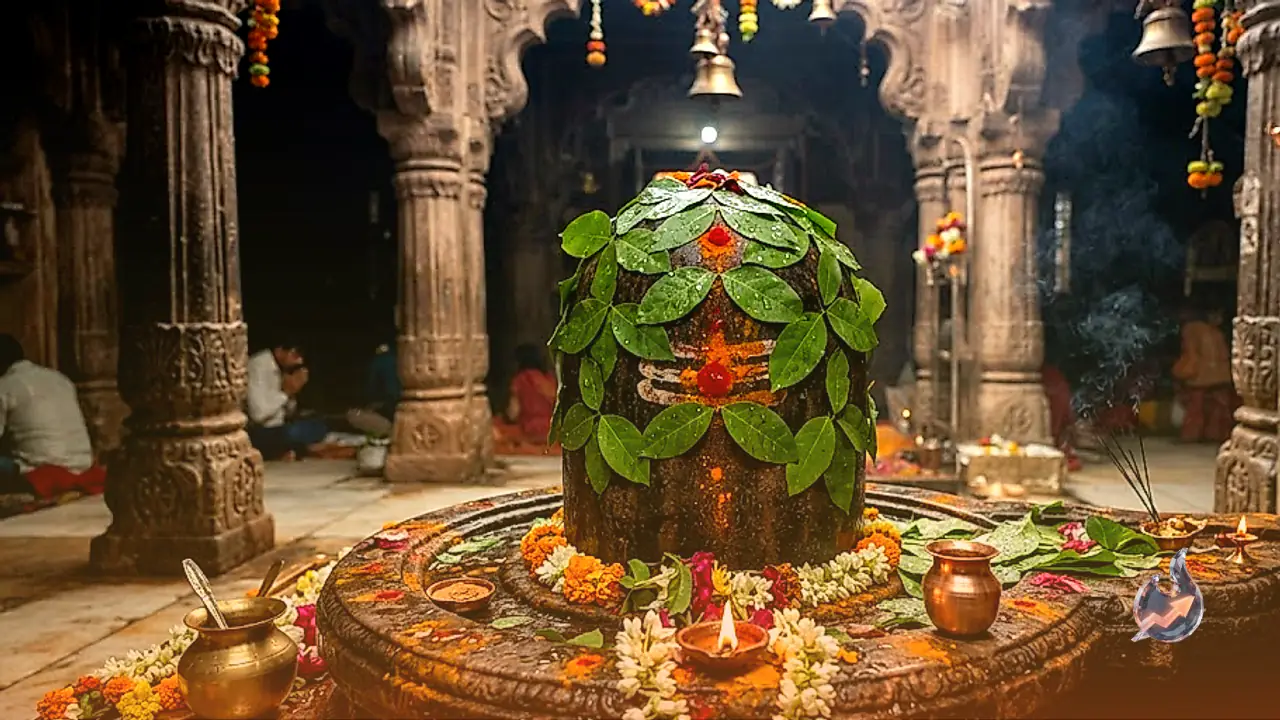
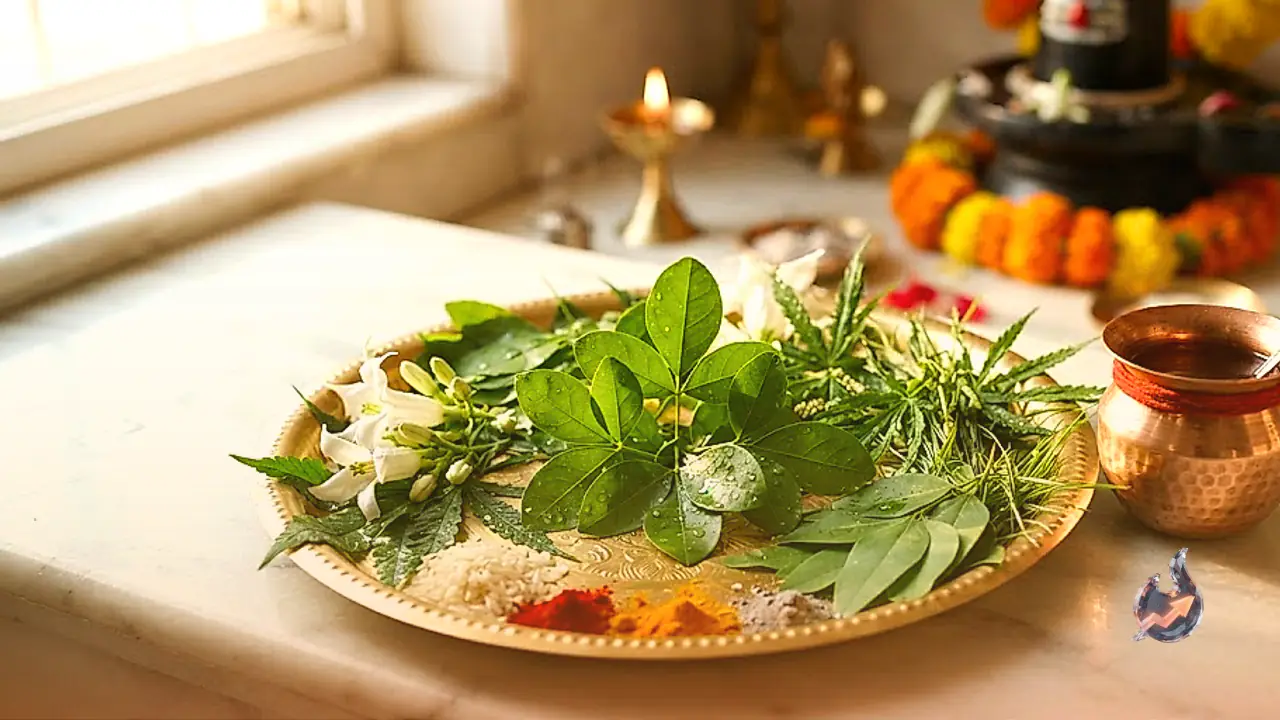
Throwing the Rakhi into a dustbin or leaving it in unclean places is considered disrespectful. Tradition dictates that it should be kept in a clean and sacred spot. Many people store the thread along with their prayer items and later immerse it respectfully. If the Rakhi is made of plastic or metal, throwing it into a river or pond should be avoided, and such items must be set aside respectfully while keeping environmental protection in mind.
Handling Silver Rakhis
If a silver Rakhi was tied on the brother's wrist, it can be safely removed, cleaned, and preserved for the future. Silver Rakhis can be worn again just like bracelets. Furthermore, they can be recycled or exchanged if needed, allowing the emotional value of the token to remain intact while ensuring practical utility.