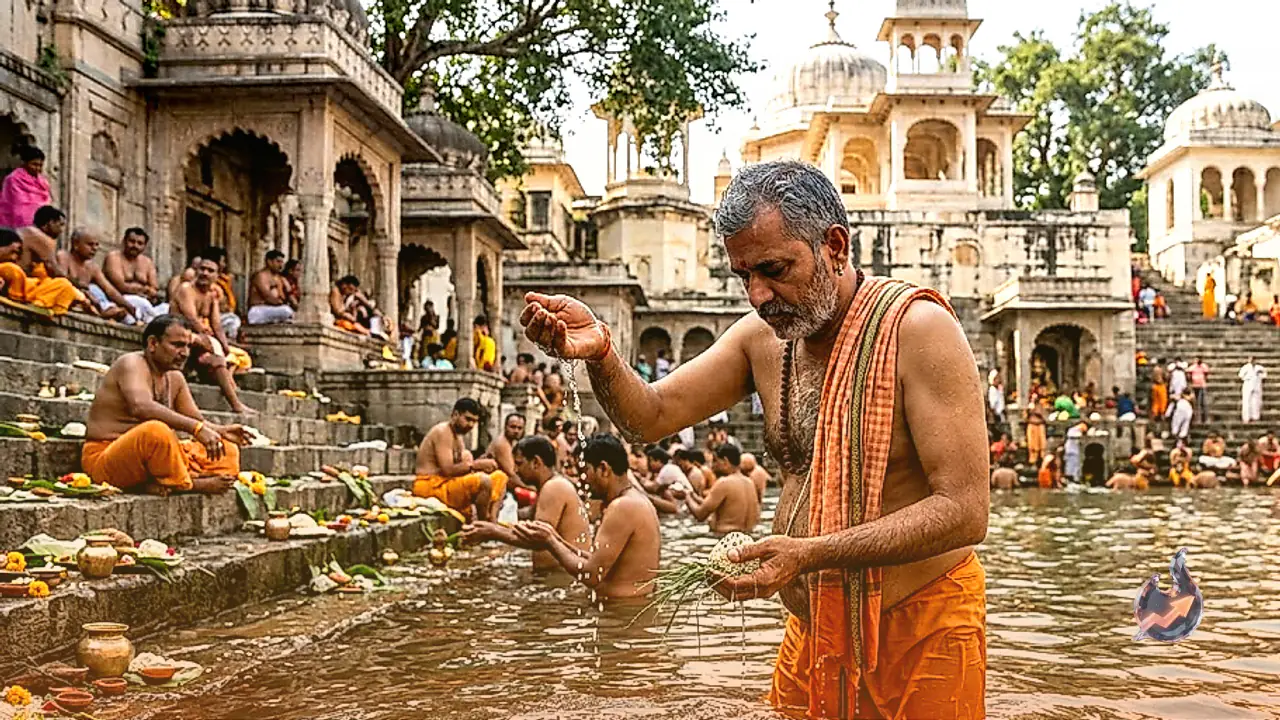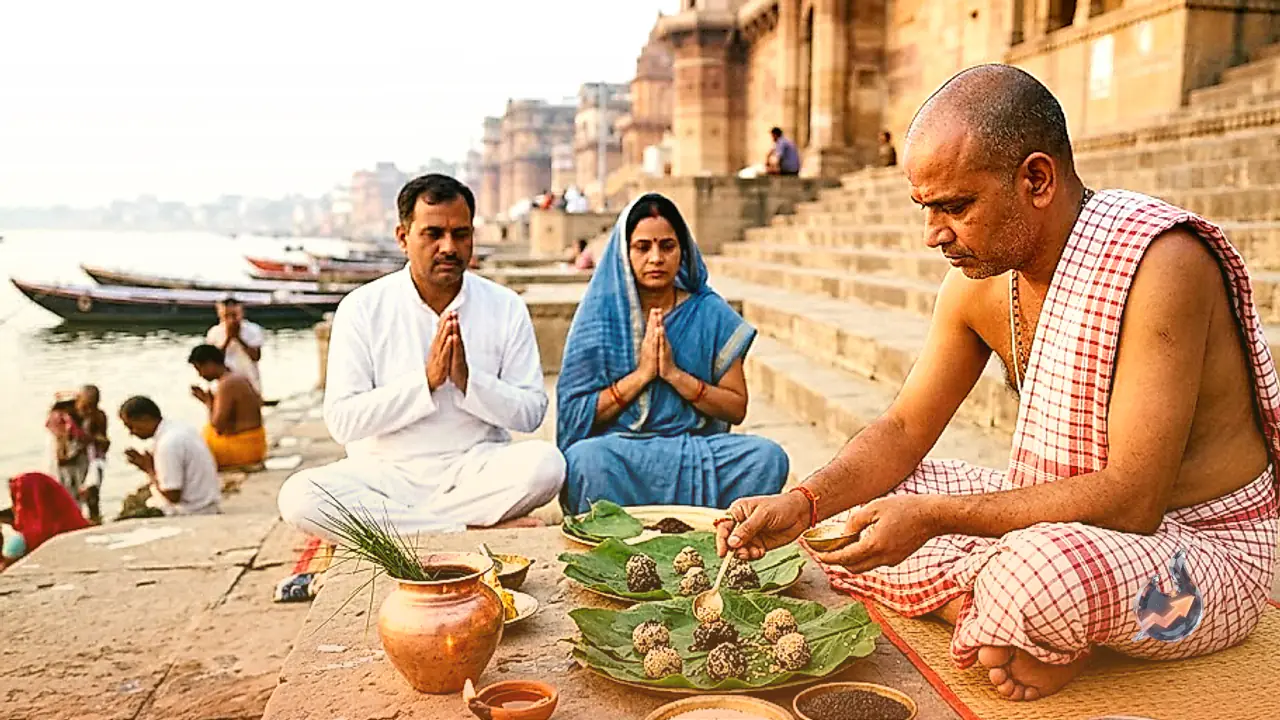
















The festival of Nag Panchami is observed with immense devotion across India on the fifth day of the bright fortnight in the month of Sawan. This year, the auspicious occasion falls on Monday, August 17. Dedicated to the worship of Nag Devta alongside Lord Shiva, the festival is intertwined with several age-old customs and folk beliefs. Among these traditions, one of the most prominent practices observed in many households is refraining from baking flatbreads and avoiding placing an iron griddle (tawa) over direct flame on this day. This unique custom is rooted in astrological symbolism, religious reverence, and ecological consciousness.
Astrological Significance of Shadow Planets
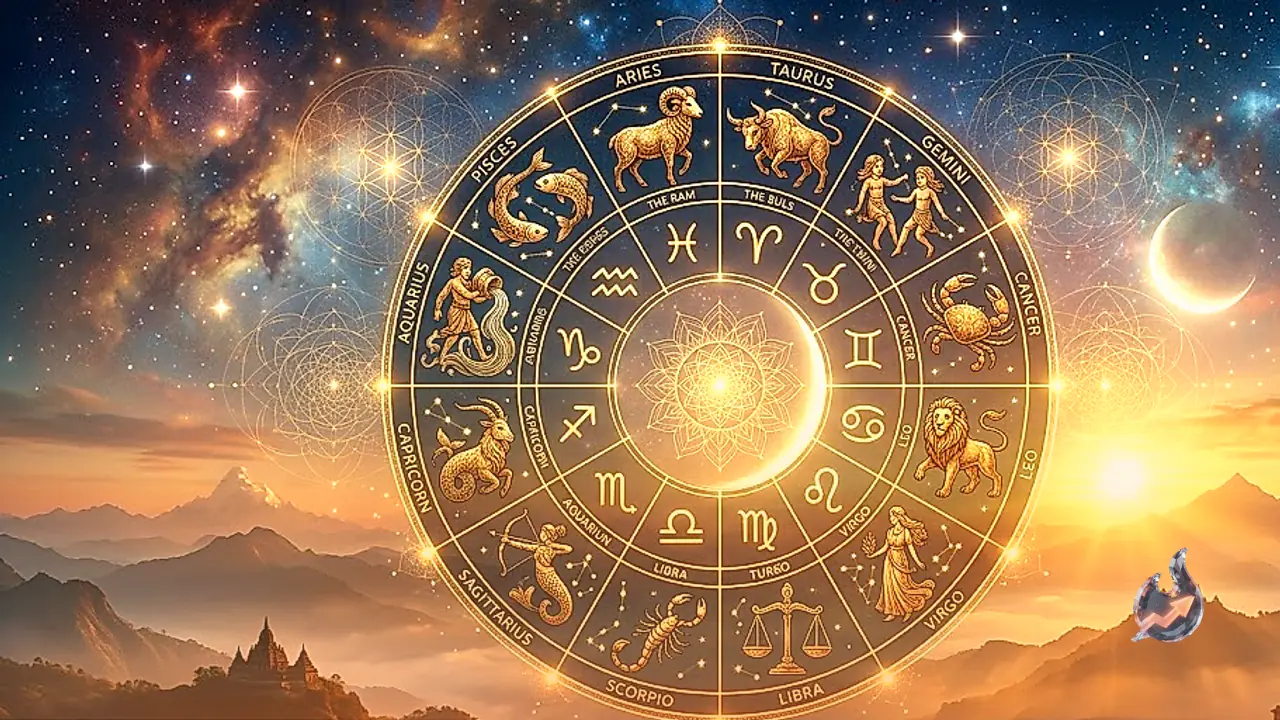
In Vedic astrology, Nag Panchami holds high importance due to planetary alignments involving Rahu and Ketu, the shadow planets closely associated with serpentine energy. Astrology depicts Rahu as the head of the serpent and Ketu as its tail. When Rahu and Ketu occupy unfavorable positions in an individual's birth chart, it results in Kaal Sarp Dosh, which can cause obstacles and mental unrest. Performing dedicated prayers to Lord Shiva and Nag Devta on Nag Panchami according to established rituals is believed to alleviate the ill effects of Kaal Sarp Dosh and bring harmony into one's life.
The Religious Symbolism Behind Avoiding the Griddle
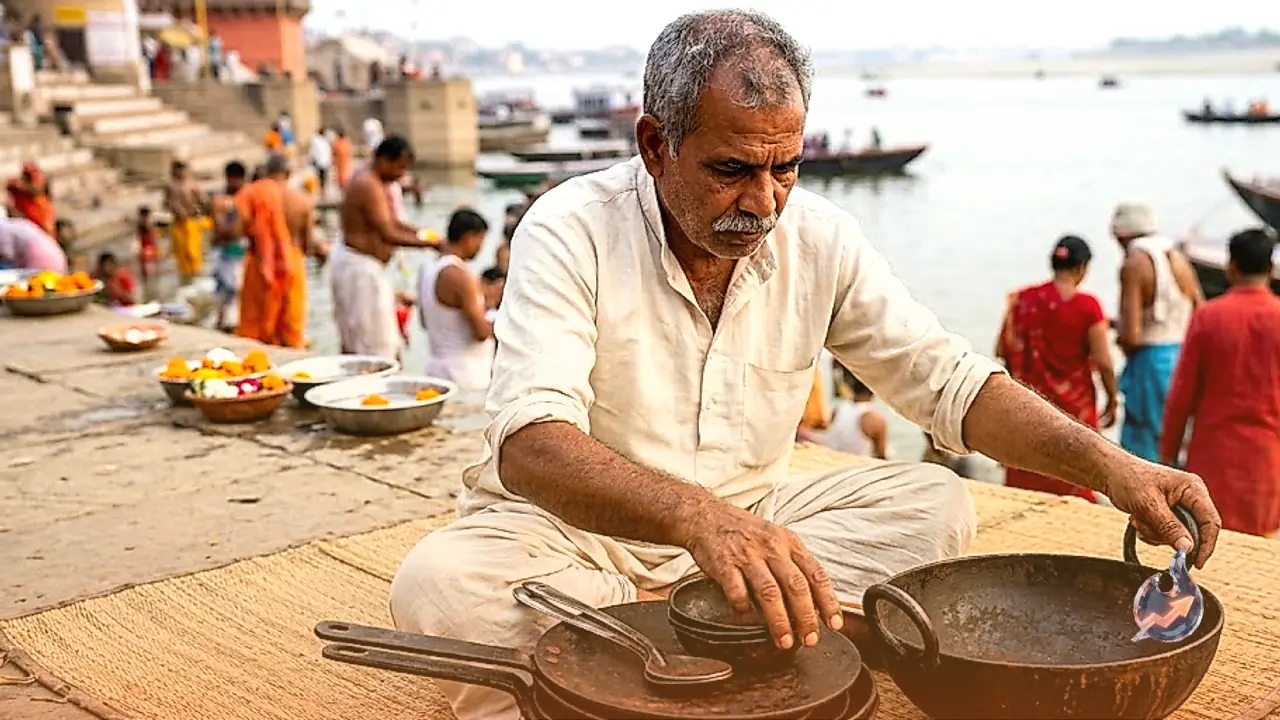
According to traditional beliefs and astrological texts, a flat iron griddle symbolizes the expanded hood of Nag Devta, as well as the astrological emblem of planet Rahu. Rahu is known as a shadow planet associated with confusion, unpredictability, and negativity. Heating an iron tawa directly over a fire on Nag Panchami is symbolically interpreted as scorching the hood of Nag Devta. Doing so is considered respectful avoidance, as causing symbolic discomfort to the deity is believed to invite misfortune, disrupt domestic peace, and hinder prosperity. Consequently, households keep the griddle off the stove for the entire day.
Traditional Cooking Alternatives for the Festival
Since flatbreads cooked on a tawa are avoided, culinary practices on Nag Panchami adapt accordingly. Meals are prepared using alternative cookware such as deep boiling pots, vessels, or cauldrons. Cooking methods focus primarily on boiling, steaming, or deep frying rather than roasting on a flat iron surface. Festive delicacies commonly made on this occasion include Halwa Puri, Dal Bati, and sweet puddings. These traditional items can be prepared easily without a griddle and are offered as sacred prasad during the worship of Nag Devta.
Ecological Harmony and Wildlife Protection
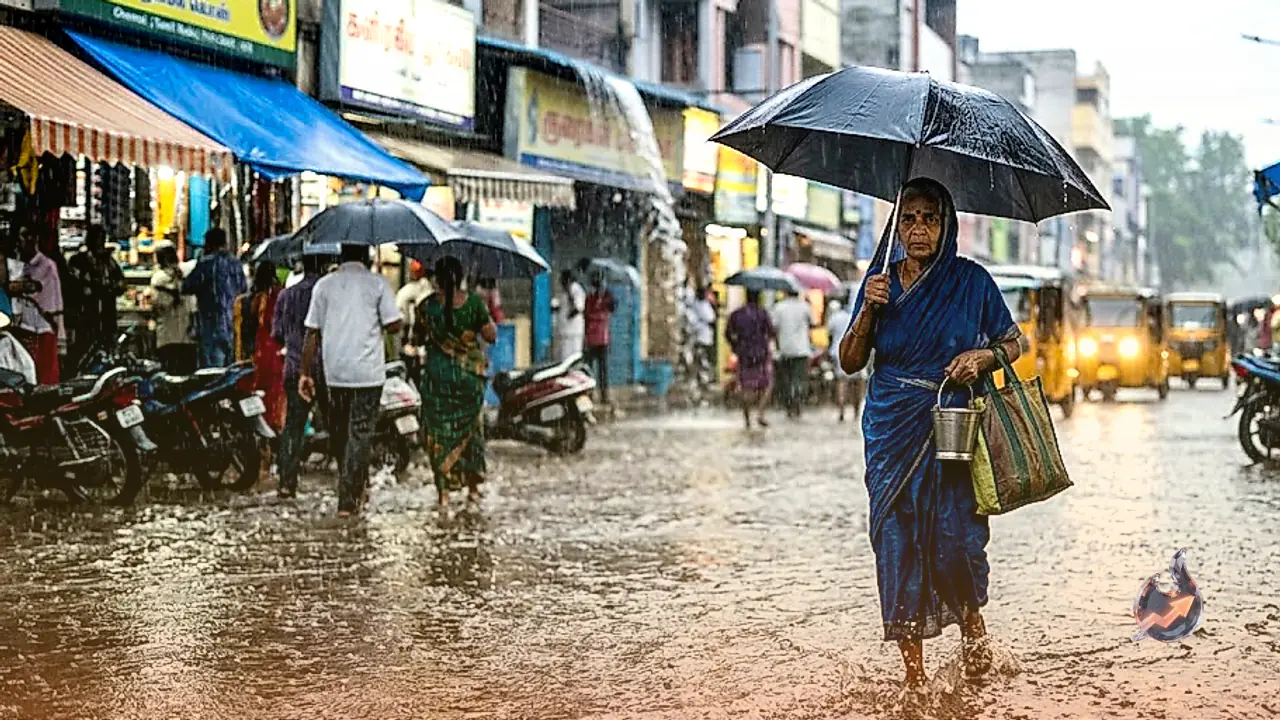
Beyond ritualistic beliefs, Nag Panchami customs convey a profound message of environmental preservation and living in harmony with nature. Sawan falls during the peak monsoon season, a time when heavy rains submerge natural burrows, forcing snakes and subterranean creatures onto the surface. Customs that prohibit digging the earth, plowing fields, or disturbing natural habitats on Nag Panchami were designed to prevent accidental harm to wildlife. This reflects an ancient cultural emphasis on animal welfare and ecological balance.
Regional Variations and Cultural Context
It is worth noting that avoiding the iron griddle on Nag Panchami is not a mandatory or universally binding scriptural directive. Customs differ across various states, regions, and communities in India. While some families strictly adhere to cooking without a tawa, others prepare standard daily meals according to their local customs. Therefore, this practice is best understood as a revered regional folk custom rather than a universal canonical law. The core essence of Nag Panchami remains centered on devotion, respect for nature, and compassion toward all living creatures.