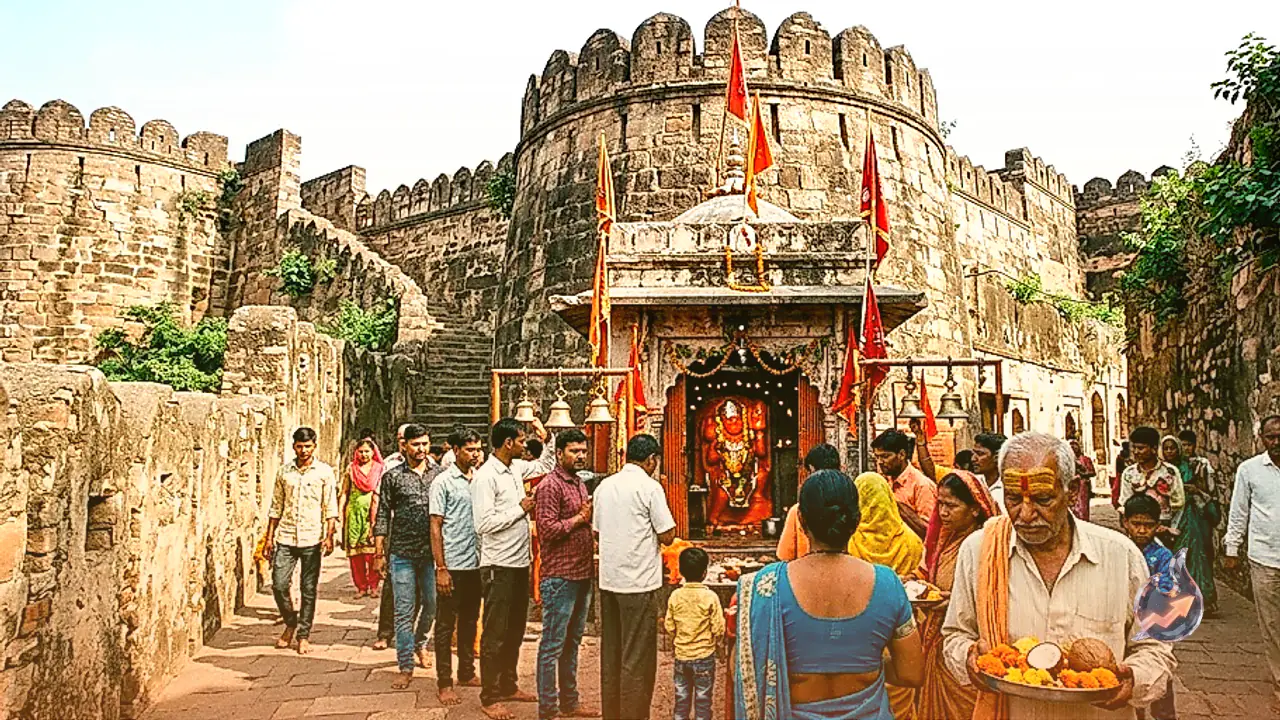























In Sanatan Dharma, the fast of Jivitputrika, popularly known as Jitiya Vrat, holds profound spiritual importance for mothers seeking longevity, robust health, and enduring prosperity for their children. In the year 2026, this rigorous fast is scheduled for October 3. Devout women observe strict fasting guidelines and perform elaborate evening worship dedicated to Bhagwan Jimutavahana during the Pradosh Kaal period. A fundamental element of this sacred observance involves reciting and listening to the traditional narrative of the eagle and the female jackal, along with the selfless sacrifice of Jimutavahana. Traditional belief dictates that omitting these sacred stories leaves the spiritual fruits of the fast incomplete, prompting devotees to diligently recite them every year during the rituals.
The Legend of the Eagle and the Jackal: Integrity in Fasting
According to ancient lore, an eagle and a female jackal resided in a deep forest and shared an affectionate bond of companionship. One afternoon, a group of women from a nearby village arrived at the edge of the woods, actively conversing about the rites and virtues of observing the Jivitputrika fast. Overhead, the eagle overheard their conversation and was deeply moved by the maternal devotion behind the ritual. Eager to bless her future offspring, she immediately flew down to share the details with her friend, the jackal. Inspired by the narrative, both animals resolved to undertake the strict fast together and completed the formal rites and worship with full ceremonial respect.
Shortly after concluding their prayers, severe hunger overcame both creatures. The eagle summoned inner fortitude, resisting the urge to seek sustenance and choosing instead to honor her vow through physical hardship. The jackal, however, found herself entirely unable to endure the gnawing pangs of appetite. Giving in to temptation, she quietly slipped away into the thicket, hunted an animal, and devoured its meat. When the eagle discovered that her companion had consumed flesh, she severely reprimanded the jackal for betraying her sacred vow. Through this transgression, the jackal broke her vow, while the eagle maintained strict discipline until the fast reached its legitimate conclusion.
Rebirth as Sisters and the Karmic Consequence
In their subsequent incarnations, destiny wove their paths together once more as human sisters. The soul of the jackal took birth in human form and eventually wed a royal prince, becoming a revered queen of the realm. Meanwhile, the disciplined soul of the eagle entered the home of the royal kingdom's minister through marriage to his son. With time, the former jackal delivered a son in the palace, but within days of his birth, the infant passed away tragically. Every subsequent child born to her suffered a similar fate, leaving her nursery hollow and grief-stricken.
By contrast, the minister's wife, who had been the faithful eagle, also gave birth to a male child. Her son grew up in radiant health, displaying immense vitality and vigor. Watching her sister's household thrive while her own cradle remained vacant, the queen was consumed by bitter jealousy and resentment. Blinding envy drove her to orchestrate dark schemes aimed at eliminating both her nephew and her sister's husband. Yet, shielded by past spiritual merits and divine benevolence, both the husband and son repeatedly escaped unharmed, foiling every treacherous plot.
The Divine Revelation and Reconciled Sisters
One night, while struggling under the weight of her unresolved malice and continuous grief, the divine Goddess appeared directly in the queen's dream. The deity revealed that her tragic losses were not random strokes of misfortune, but rather the direct karmic fallout of her unfulfilled vow in her previous existence. The Goddess explained that by violating the sanctity of the fast to feast on meat while the eagle stood steadfast, she had accumulated adverse spiritual debt that prevented her offspring from surviving. The deity instructed her that the only pathway to redemption lay in observing the Jitiya fast with an unblemished, sincere heart.
Upon waking, the shaken queen recounted the divine revelation to her husband. Guided by his counsel, she approached her sister with humility, confessed her clandestine jealousy, and begged for forgiveness while shedding tears of remorse. Recognizing the genuine regret in her sister's eyes, the former eagle forgave her completely and embraced her without bitterness. When the next cycle of the Jivitputrika fast arrived, both women observed the sacred rites side by side with rigorous discipline and devoted contemplation. Pleased by her penance, the divine protector of Jitiya bestowed upon the reformed queen a handsome, healthy son who thrived. Reunited in harmony, the sisters lived the remainder of their days in shared happiness and peace.
Jimutavahana's Heroic Sacrifice for the Serpent Race
The companion scripture central to Jivitputrika centers on the noble figure of Jimutavahana. When Jimutavahana's father advanced in age, he chose to renounce his throne and worldly comforts to pursue a contemplative life in the forest under the Vanaprastha tradition. Lacking any personal attachment to political authority or royal luxury, Jimutavahana declined the crown. Entrusting the governance of the entire realm to his brothers, he departed for the wilderness to devote himself entirely to serving his elderly parents. During his ascetic life in the forest, he married a noble princess named Malayavati.
While journeying along an isolated path through the forest one afternoon, Jimutavahana encountered an elderly woman weeping uncontrollably. Approaching her with compassion, he inquired about the source of her acute anguish and discovered that she belonged to the serpent lineage, the Nagavansha. The weeping mother disclosed that the serpents had struck an agreement with Garuda, the sovereign of birds, pledging to sacrifice one serpent daily as his meal to prevent their total destruction. With heavy grief, she explained that on that precise afternoon, the lottery of fate had fallen upon her beloved son, Shankhachuda.
Garuda's Transformation and the Legacy of the Fast
Moved to tears by the mother's unbearable agony, Jimutavahana resolved to intervene. He assured the distraught mother that her son's life would be spared, pledging to offer his own physical body in place of Shankhachuda. Jimutavahana secured the crimson shroud traditionally draped over the doomed serpent and proceeded to lie down calmly upon the sacrificial rock designated for Garuda's descent.
Descending swiftly from the skies, Garuda spotted the figure cloaked in red and seized Jimutavahana within his formidable talons, carrying him toward the jagged peaks of a high mountain. As the intense pressure of the bird king's claws caused Jimutavahana to groan in pain, Garuda paused in astonishment, as condemned serpents normally shuddered in silence or shrieked in terror rather than calmly enduring agony. Setting the figure down, Garuda inquired about his true identity and asked why a human was offering himself in place of the serpents.
Jimutavahana recounted the entire circumstance truthfully, detailing the old mother's heartbreak, the solemn pledge he had made, and his readiness to surrender his life so that another might live. Profoundly humbled by Jimutavahana's unmatched valor, boundless benevolence, and pure selflessness, Garuda was filled with deep reverence. The bird monarch not only spared Jimutavahana's life and restored his vitality, but he also took an irrevocable oath never again to demand or consume serpent sacrifices. In honor of this noble rescue and divine mercy, generations of mothers have venerated Bhagwan Jimutavahana through the Jivitputrika observance, praying that their children receive equal protection against all adversities.