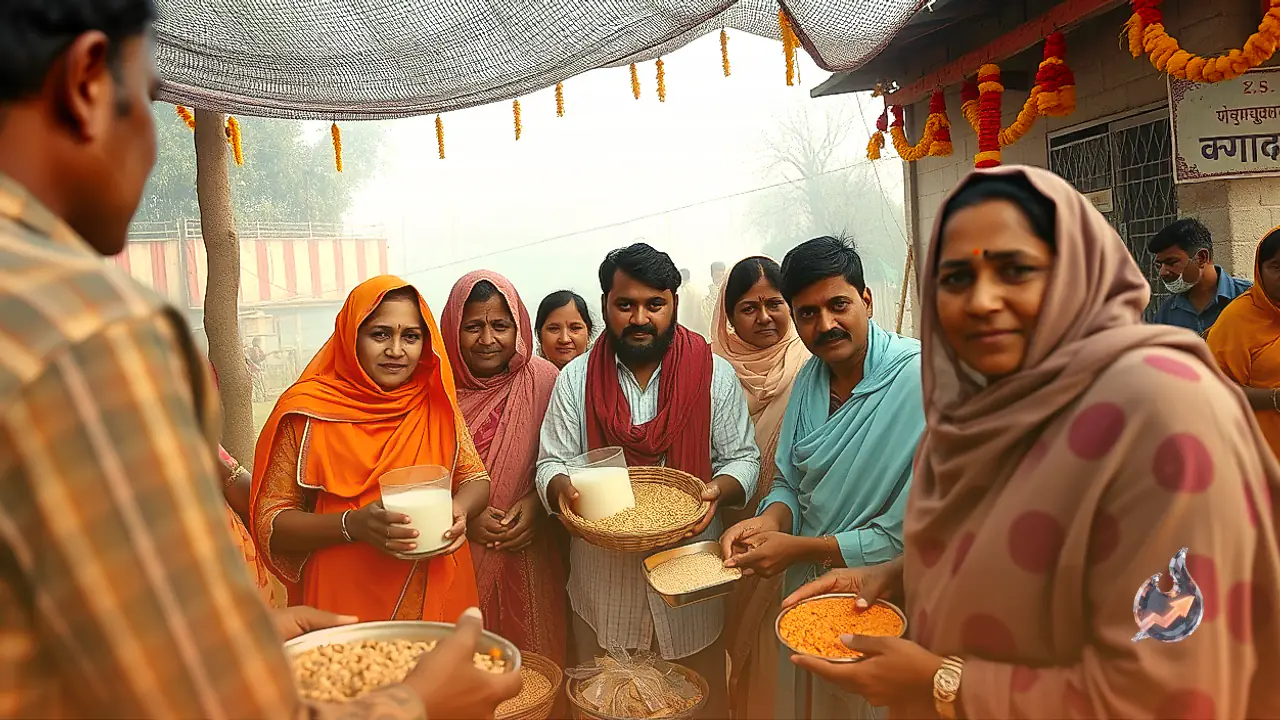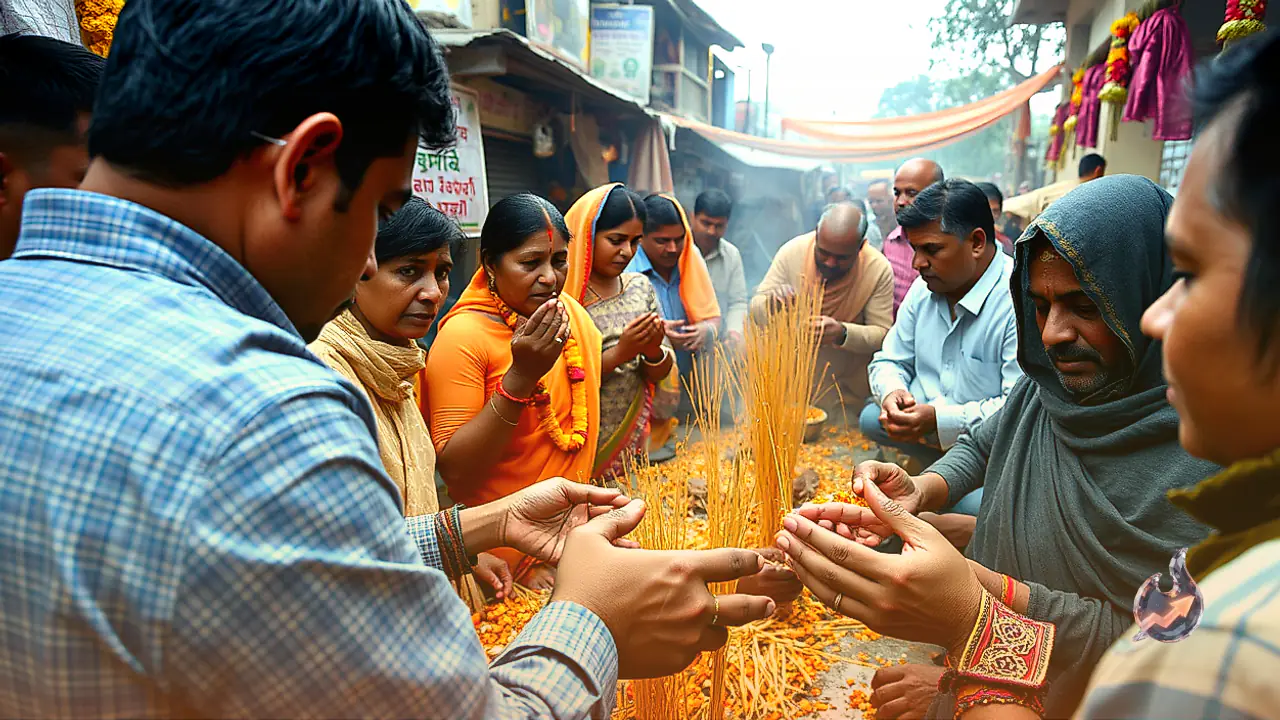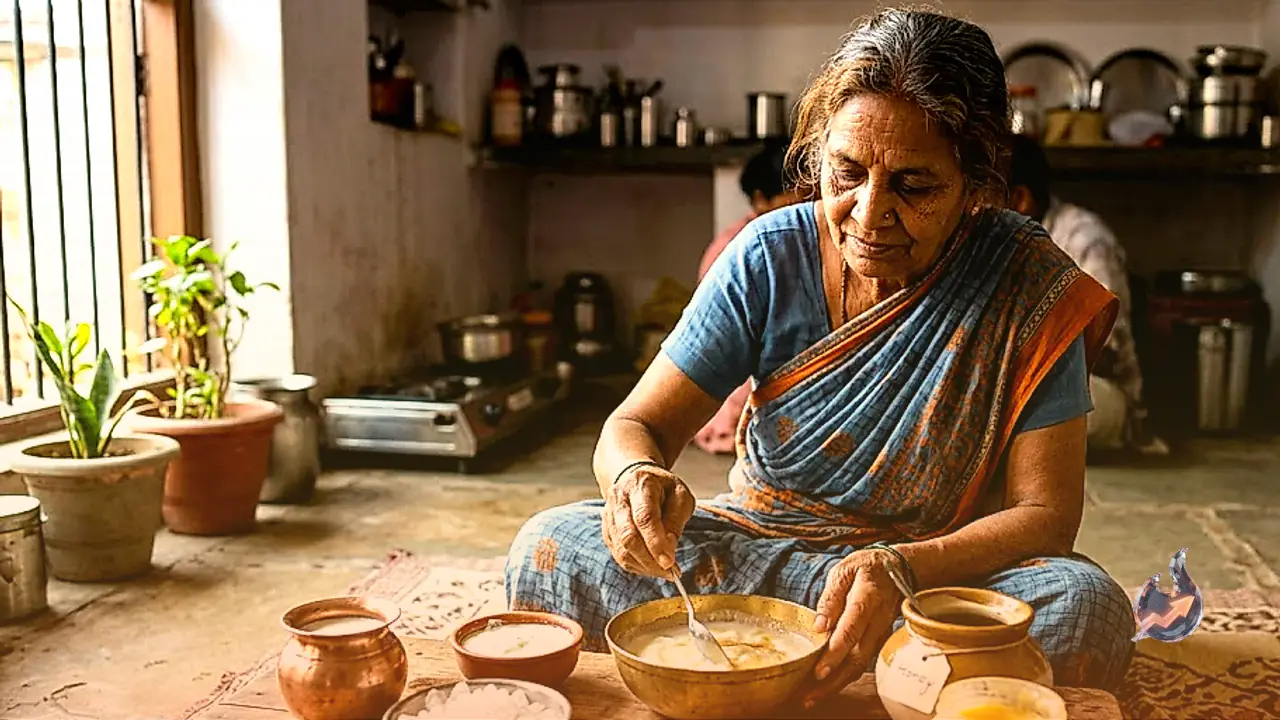





















Within Hindu tradition, Pitru Paksha represents an earnest fortnightly observance dedicated to remembering departed ancestors with deep reverence and heartfelt gratitude. Customarily across India, families gather along sacred riverbanks, historical pilgrimage destinations, or private residences to carry out Tarpan, Pind Daan, and ritual food offerings. For millions of Indians settled abroad, however, the inability to travel home during this spiritual window frequently triggers uncertainty about fulfilling these sacred duties. According to longstanding scriptural guidelines, sincere devotion, focused intent, and pure sentiment consistently outweigh geographical constraints. Consequently, individuals living overseas can readily conduct meaningful rites tailored to their immediate surroundings and available domestic resources.
The Meaning of Pitru Rin and the Purpose of Shradh
Traditional philosophy posits that every individual carries an innate generational debt toward their parents and forebears, formally recognized as Pitru Rin. Engaging in memorial rites serves as a conscious act of recognizing the sacrifices of those who laid the foundations of the family lineage. Devotees believe that dedicating pure water, ceremonial rice portions, nourishing meals, and charitable offerings brings spiritual elevation and solace to departed souls, who in turn shower protective blessings upon their descendants. The practice fundamentally aims to foster domestic peace, moral grounding, and long-term familial harmony.
Conducting Rites Far from Traditional Sacred Waters
Physical distance from ancient holy rivers does not diminish the validity of one's prayers. When travelling to an ancestral shrine in India proves impractical, creating an immaculate, designated sanctuary inside one's foreign residence serves as a legitimate alternative. Expatriates frequently locate local Hindu shrines, community centres, or resident priests willing to assist with procedural guidance. In the absence of organized facilities, individuals possess full theological sanction to execute the memorial proceedings independently, guided by humble conviction and established household customs.
Essential Preparations and Establishing the Correct Tithi
A primary prerequisite for any memorial rite involves identifying the specific lunar date of an ancestor's departure. In typical practice, the ceremony aligns with the corresponding tithi during the dark fortnight of the lunar month. Whenever precise historical dates remain unrecorded or uncertain, traditions designate Sarva Pitru Amavasya—the concluding new moon of the fortnight—as an all-inclusive occasion to honour every departed soul in the lineage collectively. On the scheduled morning, participants take a cleansing bath, don clean attire, and arrange an uncluttered corner of the house. Helpful items to prepare in advance include clean water, black sesame seeds, raw rice, fresh flowers, incense, an oil lamp, and traditional food, alongside a respectful portrait of the ancestor if one is maintained.
A Straightforward Ritual Sequence for Overseas Households
Executing the ceremony abroad demands minimal material complexity. Begin by sitting facing southward in a tranquil mindset and making a solemn mental vow, known as a Sankalpa. Articulate an earnest dedication stating that this water offering and remembrance are being enacted solely for the peaceful transition and welfare of your forebears. If familiar with your ancestral lineage, mention your family gotra and the names of the individuals being remembered.
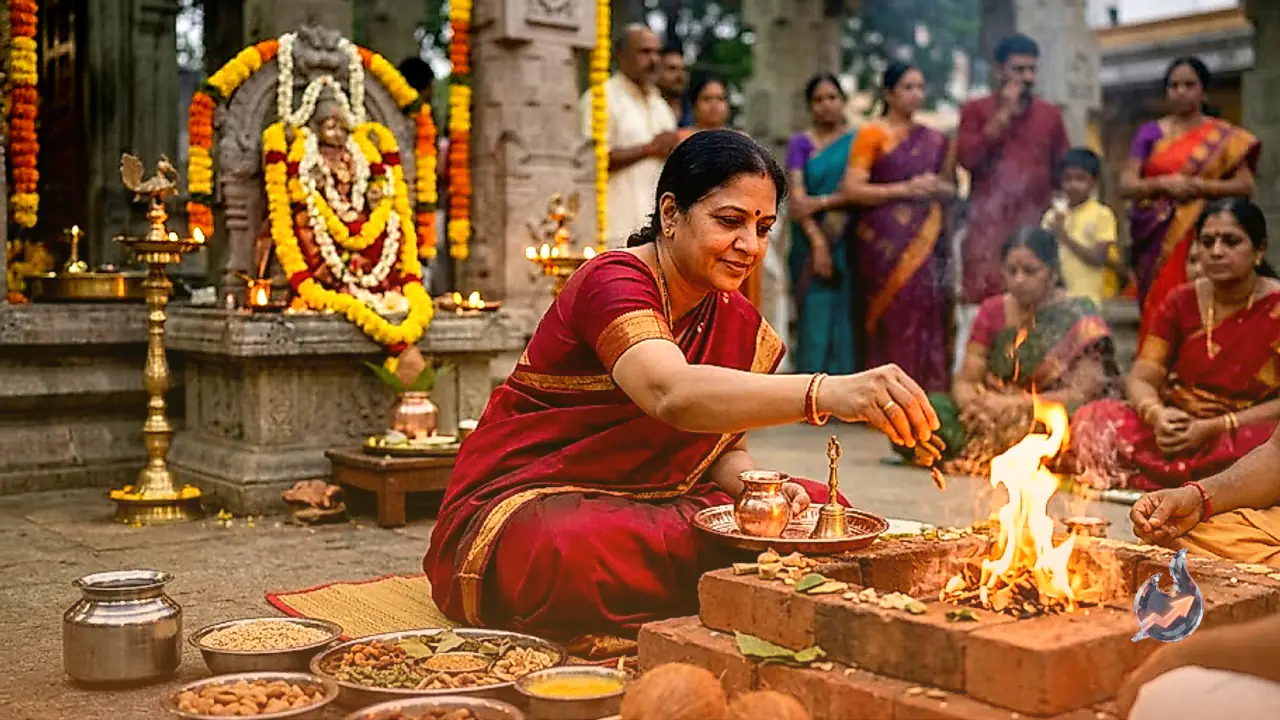
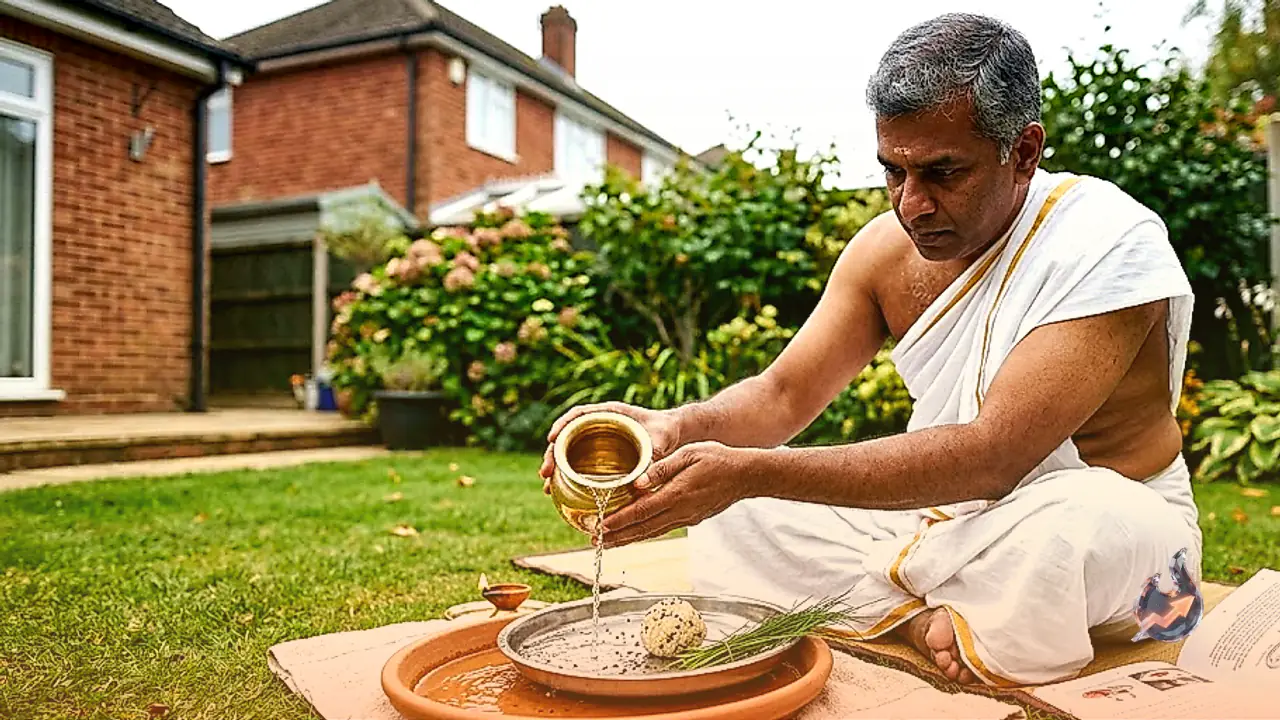
Next, pour fresh drinking water into a clean metal or ceramic vessel and mix in a pinch of black sesame seeds. Offer this water through your hands while keeping the memory of your predecessors in your thoughts. Those familiar with traditional Sanskrit verses may chant them softly, while others may simply speak sincere words in their native tongue, wishing peace, liberation, and divine contentment for all ancestral spirits.
Forming Pind Daan Offerings and Pure Food Preparations
In households whose customs mandate the presentation of symbolic dough balls, everyday pantry staples easily suffice. One can boil plain white rice, incorporate a small quantity of black sesame seeds, bind the mixture with a spoonful of clarified butter, and mould it into circular offerings. Place these portions onto clean platters or natural leaves, dedicating each offering to a specific relative by identifying their name and family relationship. If names are lost to memory, a collective prayer addressing all deceased relatives across generations fulfills the scriptural purpose.
Following the water and rice rites, prepare a fresh, purely vegetarian meal within the home. Customary culinary traditions commonly incorporate unleavened flatbreads, sweet milk rice pudding, seasonal fruits, lentil preparations, and mild vegetable curries. Families may adapt these recipes based on personal culinary habits and regional grocery availability, placing the very first prepared portion aside as a respectful consecration before dining.
Charitable Contributions and Civic Responsibility
Philanthropy constitutes an indispensable pillar of ancestral remembrance. While feeding learned brahmins remains customary across Indian localities, expats facing a shortage of clergy can direct their charitable impulses toward community members in genuine distress. Providing nutritious meals to local shelters, gifting non-perishable pantry goods, or contributing monetary aid through charitable organizations and neighborhood temples effectively satisfies this obligation.
Finally, environmental conscientiousness must govern the conclusion of these home ceremonies. Where direct immersion into sacred natural waterways is neither feasible nor legally permissible, collected ritual water can be poured gently around garden flower beds, house plants, or the base of outdoor trees. Residents must strictly abide by local environmental codes and municipal rules regarding public waterways and parks, ensuring that ancestral reverence aligns harmoniously with civic duty.