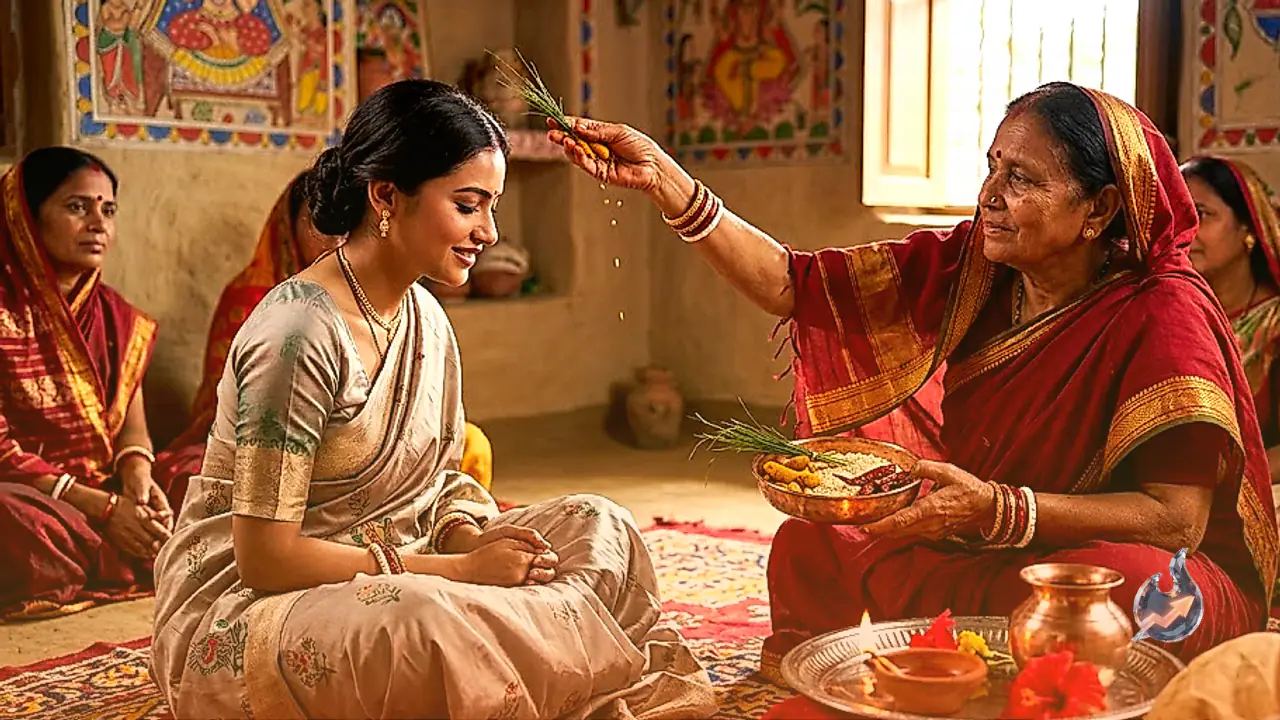























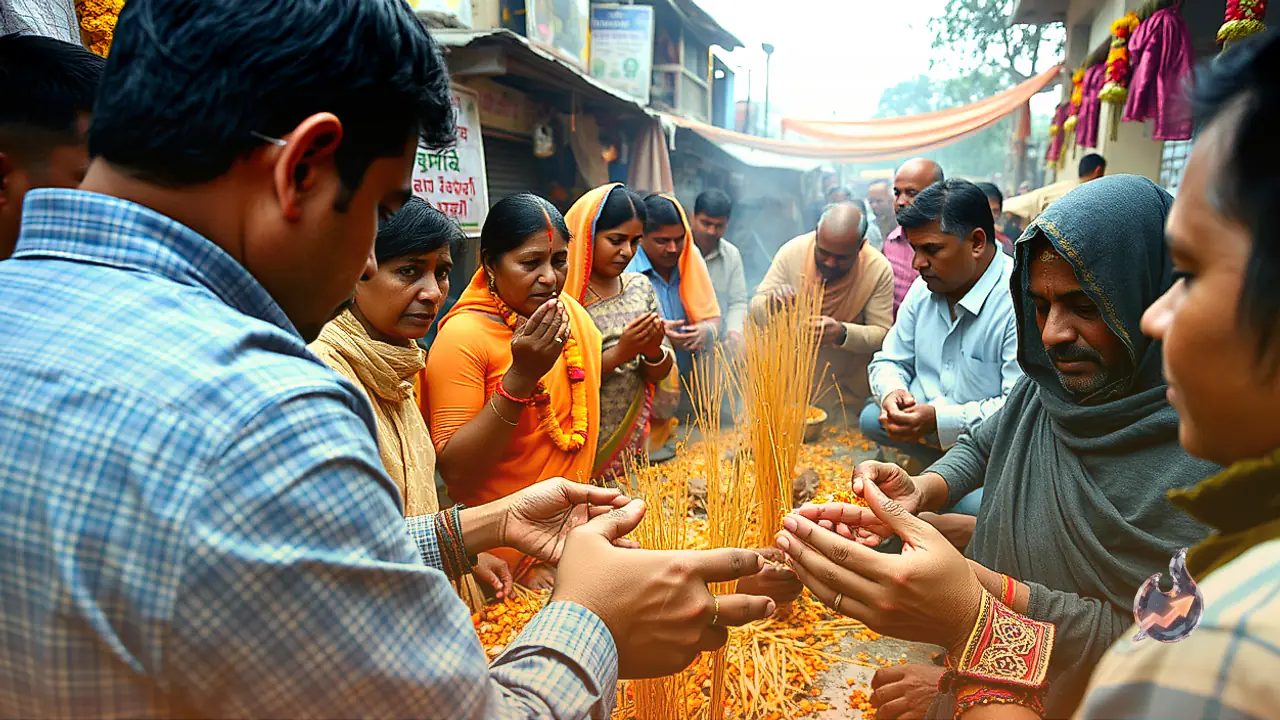

In sacred traditions, the month of Margashirsha holds an extraordinary spiritual status. According to traditional scriptures, Lord Krishna famously declared that among all months, he represents Margashirsha, making this period deeply revered for devotion and spiritual discipline. Devotees believe that undertaking holy dips in the sacred Ganga, performing acts of charity, offering daily prayers to the sacred Tulsi plant, and chanting the sacred names of Lord Krishna throughout this duration paves the way toward spiritual liberation after mortal life. Dedicated rituals performed during these auspicious weeks are considered especially effective in welcoming enduring peace, prosperity, and harmony into household life.
Spiritual Guidance from the Priests of Baidyanath Jyotirlinga
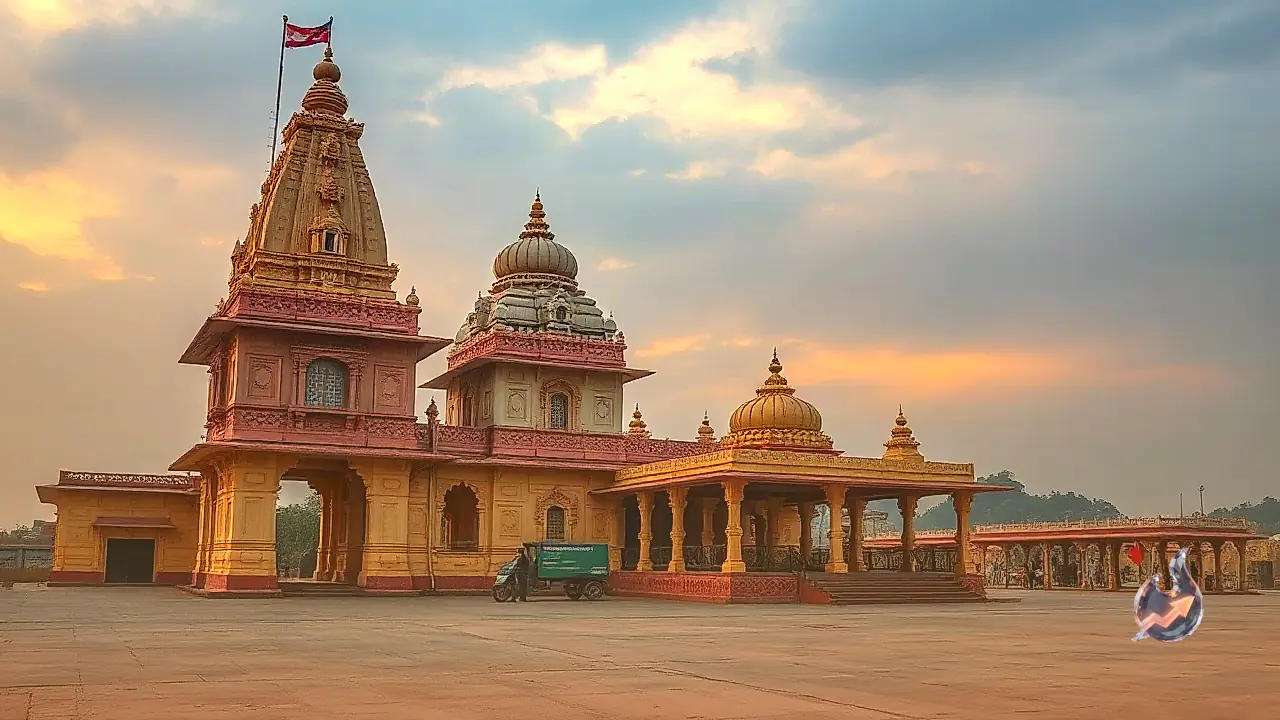
Sharing religious perspectives from the revered Baidyanath Jyotirlinga shrine in Deoghar, pilgrimage priests explain that this sacred period has already commenced and will continue until December 6. Sacred texts highlight that worshipping the Tulsi plant alongside dedicated devotion to Lord Vishnu during Margashirsha grants immense mental serenity and clarity. It is also believed to bestow success upon major auspicious initiatives and family milestones. For seekers aspiring for spiritual growth, this month serves as a potent window to align their lifestyle with positive spiritual energies, dispel inner restlessness, and cultivate enduring mental balance through precise daily practices.
Essential Evening Guidelines and Lighting the Ghee Lamp
The temple priests underline clear guidelines regarding the care and worship of the Tulsi plant during Margashirsha. A crucial instruction is to never pluck Tulsi leaves during the evening hours, as scriptural norms strictly prohibit disturbing the sacred foliage at dusk. Instead, devotees should establish a disciplined evening routine of lighting a lamp of pure cow ghee directly beside the sacred Tulsi plant every single day. Performing this simple yet powerful devotional act each evening is believed to awaken latent fortune, dissolve lingering household obstacles, and invite lasting domestic abundance.
Offering Tulsi Manjari to Dispel Hardship and Ailments
During this seasonal transition, the Tulsi plant naturally blooms with fragrant seed blossoms known as manjari, which possess immense ceremonial significance. According to the temple priests, these fresh Tulsi seed heads should be reverently offered to Lord Vishnu on days when the Satyanarayan Katha is recited. Traditional belief holds that dedicating fresh Tulsi blossoms in this manner eradicates the persistent poverty and hardships of seven lifetimes. Furthermore, this devotional practice is said to relieve physical ailments, foster improved health, and resolve lingering personal crises, explaining why the holy month of Margashirsha is regarded with such profound reverence across spiritual scriptures.