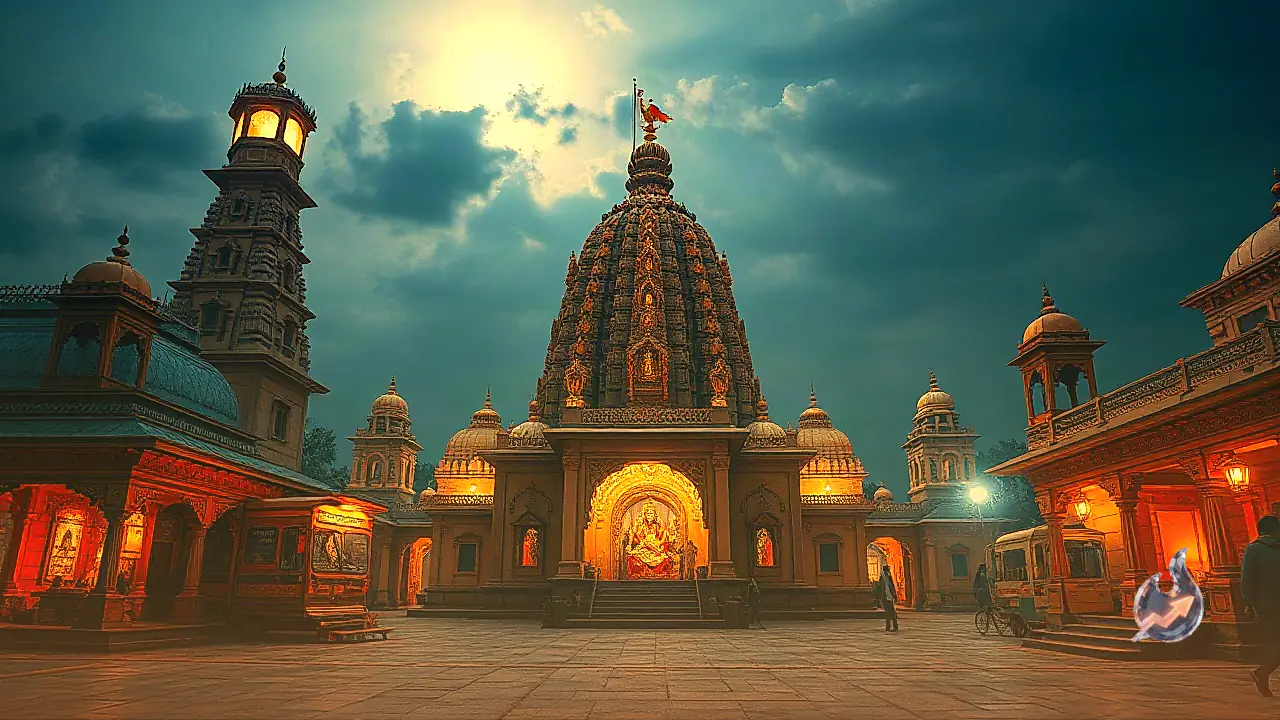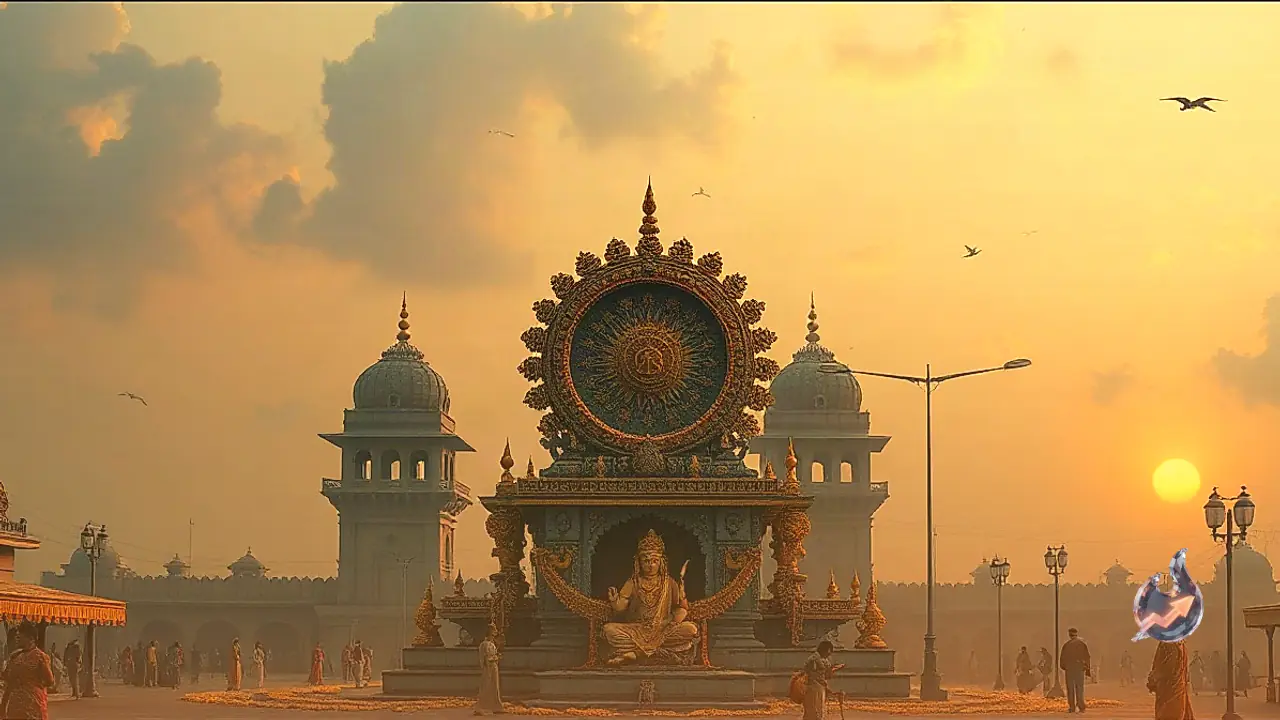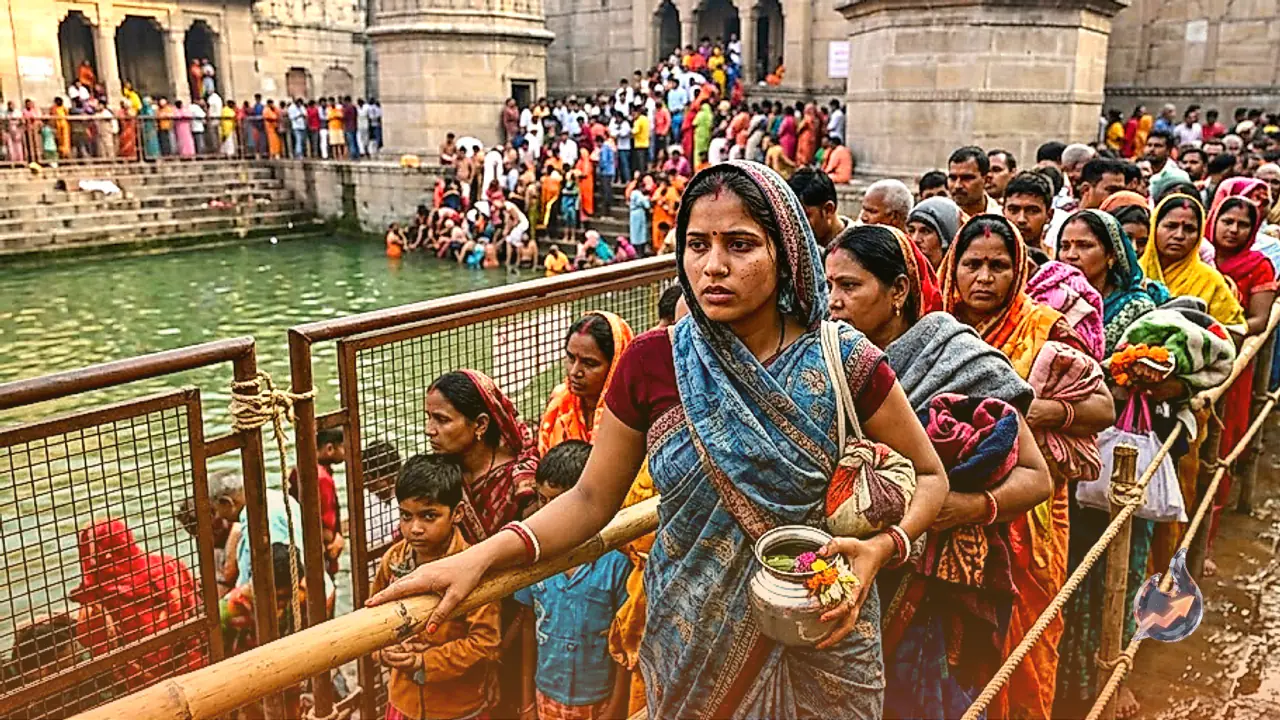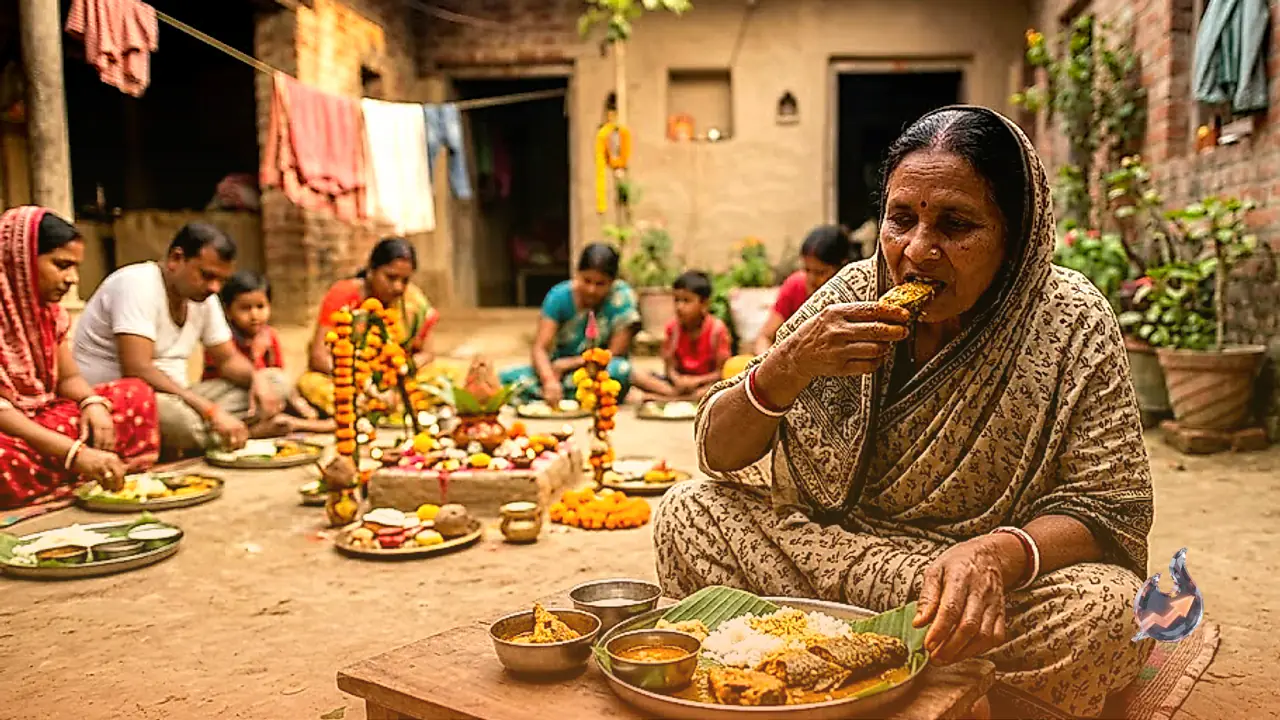
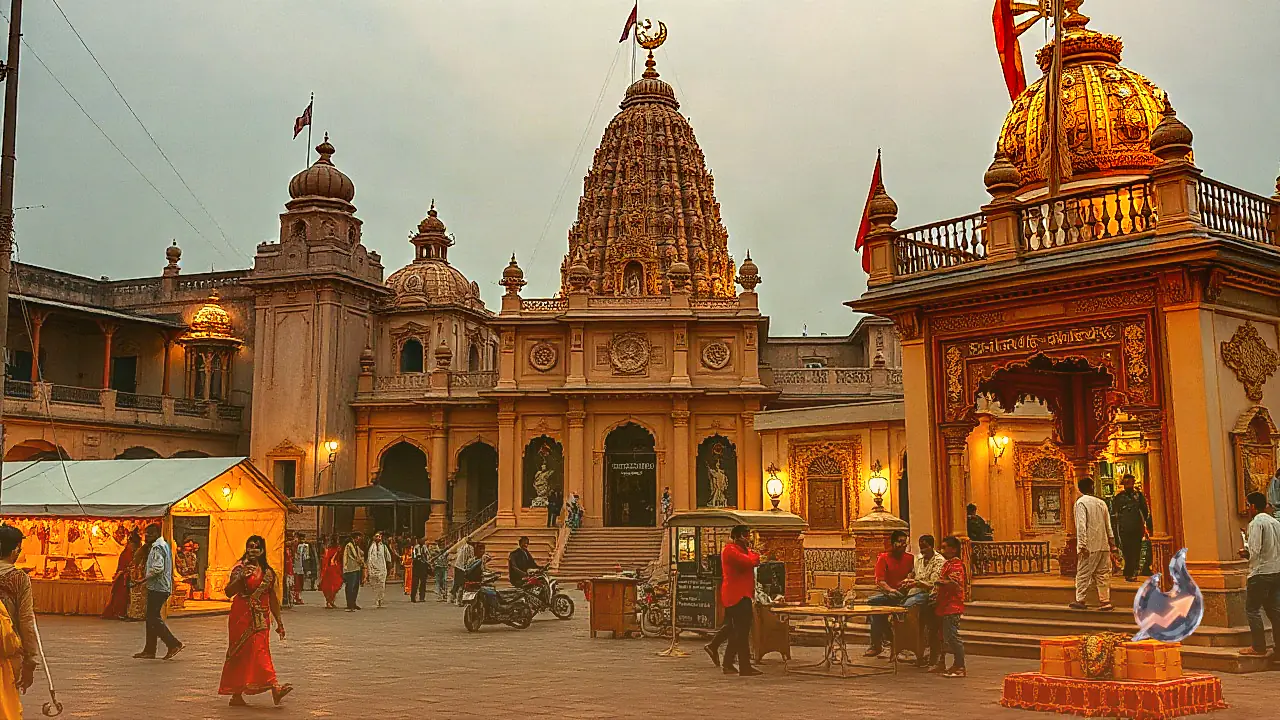
















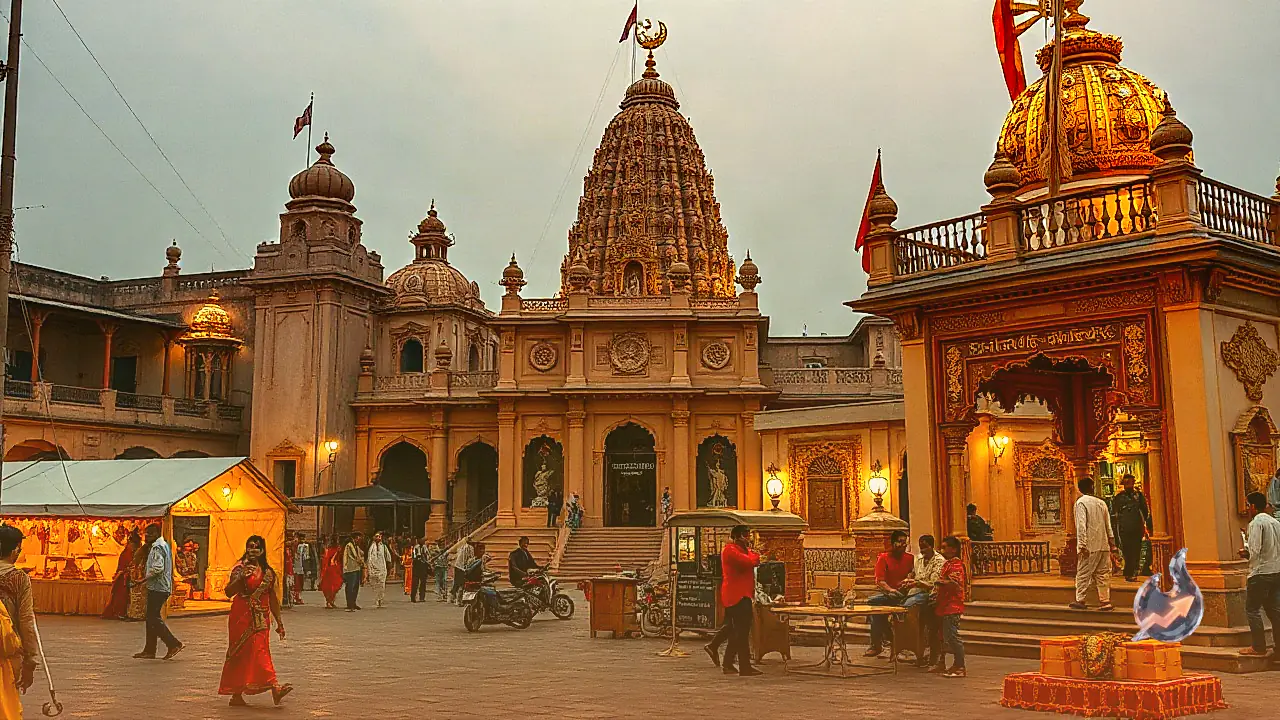

The city of Mathura in Uttar Pradesh serves as the sacred playground of Lord Sri Krishna, drawing countless devotees from across the globe every single day to witness its divine aura. Ancient traditions and historical sites tied to the birth of Sri Krishna still stand firmly in this region, alongside Radha Rani who presides here as his eternal counterpart. According to age-old customs, the festival of Radhashtami is observed precisely fifteen days after the grand celebration of Sri Krishna Janmashtami.
The Living Heritage of Braj Celebrations
India is deeply rooted in ancient traditions where spirituality blends seamlessly with daily life, and the city of Mathurawhich witnessed the birth of Yogiraj Sri Krishna holds a distinctive global stature. Thakur Ji took birth inside the prison cell of Kamsa in Mathura, an event whose legacy continues to thrive through generations. To this day, the residents of Braj celebrate that Dwapara Yuga birth festival with immense fervor and devotion, keeping historical rituals alive through generations of faithful practice.
The Inseparable Bond Between Two Festivals
Devotees who observe fasts during the birth celebrations of Thakur Ji are required to follow an additional observance to complete their spiritual cycle. Pandit Gaurang Sharma explained that according to Hindu scriptures and folk traditions, Radhashtami shares a profound and unbreakable connection with Sri Krishna Janmashtami, making both festive occasions mutually dependent for complete spiritual fulfillment.
The Unique Alignment of Asthami Tithi
Explaining the calendar alignment, Pandit Gaurang Sharma noted that Sri Krishna took birth during the midnight hours on the Ashtami tithi of the dark fortnight in the month of Bhadrapada. Exactly fifteen days later, during the daylight hours of the bright fortnight in the same Bhadrapada month, Sri Radha Rani manifested. Both divine appearances occurred on the Ashtami tithi, differing only by their respective lunar fortnights. Tradition holds that anyone who fails to observe the Radhashtami fast leaves their Janmashtami observance incomplete, with some beliefs suggesting that a single Radhashtami fast equals the merit of observing millions of Janmashtami fasts.