























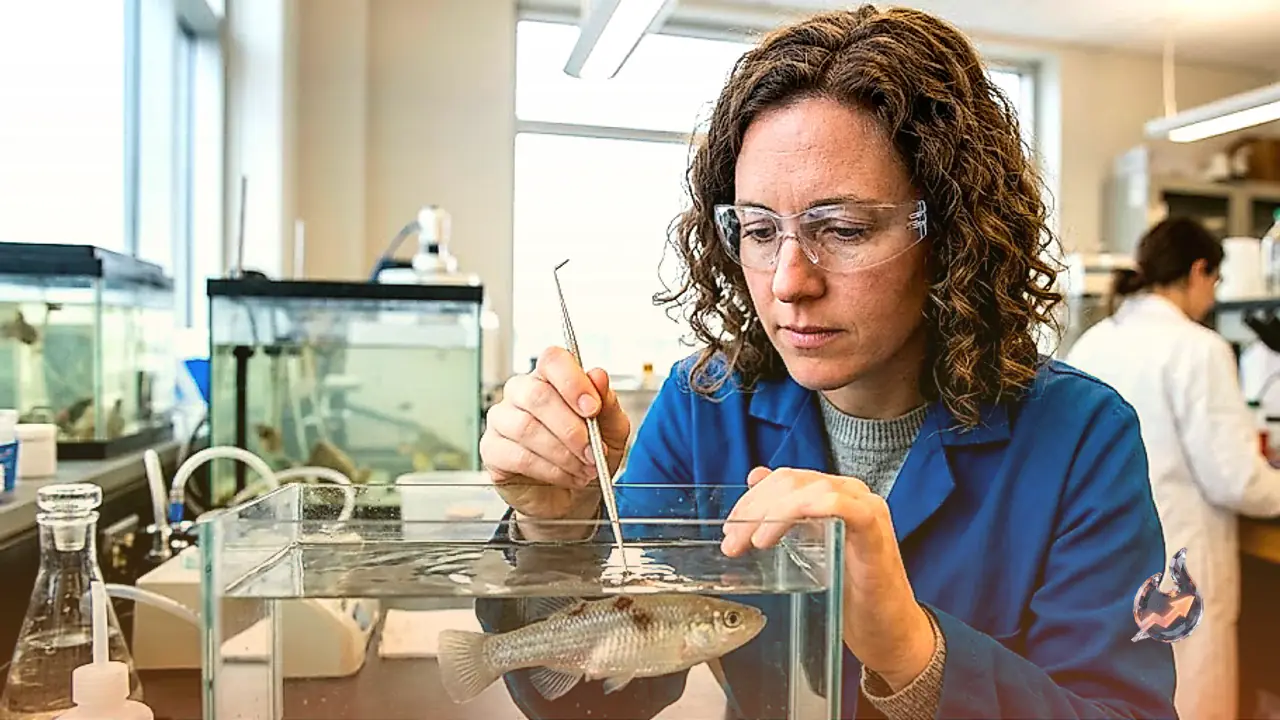

Marine researchers have recently shared fascinating and concerning insights regarding a rare form of transmissible cancer identified in fish populations. While standard cancer remains confined to the individual host where it originates, this unusual variant possesses the unique ability to travel and establish itself in another living organism. Because such contagious cancers have historically been documented in only a handful of species, identifying this behavior in aquatic life has sparked significant scientific discussion and deep concern among experts.
Understanding Transmissible Cancer
Under normal circumstances, cancer develops internally within a human or animal body and does not transfer to other living beings. In contrast, transmissible cancer represents a rare biological phenomenon where the malignant cells themselves pass directly from one host to another and continue to grow. Rather than spreading through traditional infectious agents like bacteria or viruses, this condition relies entirely on the successful migration and survival of living cancer cells across different hosts.
How the Condition Was Identified in Marine Life
Researchers arrived at these findings while studying unusual cell growth and tumor formations observed in certain marine fish. Upon closer laboratory examination, it was revealed that the genetic profile of the cancer cells found across multiple fish specimens was remarkably similar. This striking uniformity indicated that the illness did not arise independently within each individual fish, but rather spread outward from a single shared source, opening an entirely new chapter in marine biology research.
Evaluating the Risk to Humans
A primary concern following any such discovery involves the potential crossover to human health, but current analysis indicates zero scientific evidence suggesting this fish cancer can affect people. Human biological makeup and immune system architecture differ fundamentally, naturally blocking foreign cancer cells from taking root. Consequently, researchers confirm there is no indication that consuming fish or coming into physical contact with them poses any transmission risk whatsoever.
Significance of the Scientific Findings
This ongoing research holds major importance because it aids scientists in understanding how natural resistance mechanisms against cancer evolve and under what specific conditions diseases manage to cross between individual organisms. Furthermore, tracking these phenomena is crucial for evaluating potential long-term impacts on marine ecosystems. Monitoring how such conditions affect vulnerable aquatic populations helps researchers protect broader marine biodiversity and understand cellular behavior in nature.