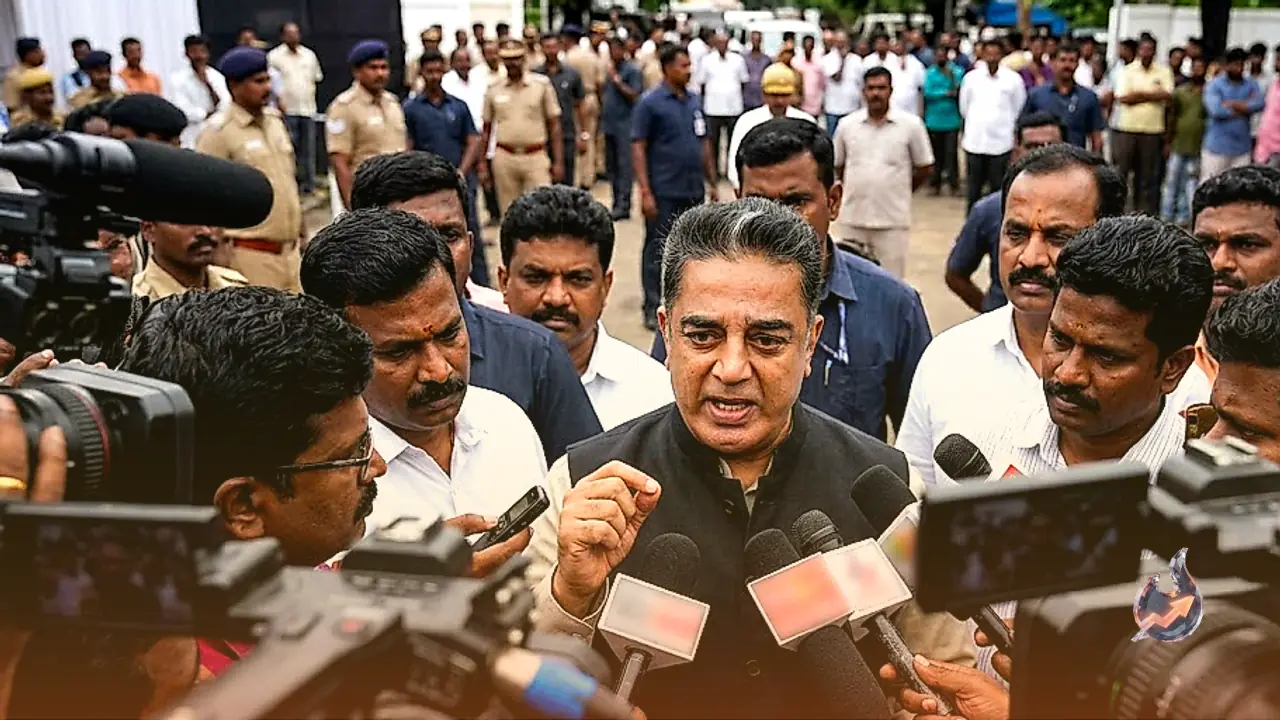



















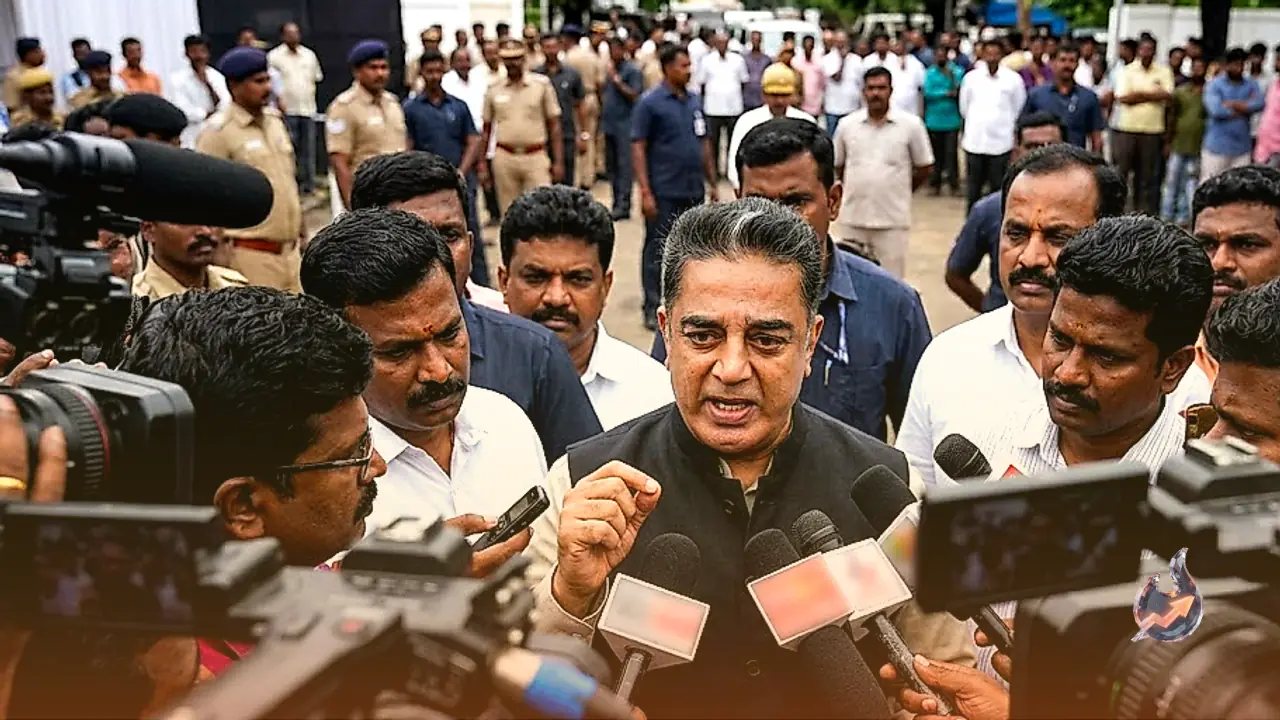

Actor Kamal Haasan has delivered a sharp rejoinder to American billionaire and Starlink owner Elon Musk following the entrepreneur's critical remarks regarding satellite internet licensing in India. Responding on social media platform X, Haasan stated firmly that no billionaire should dictate public policy for any sovereign nation, whether it is India or the United States. The controversy was triggered after Musk publicly questioned why Starlink had not been granted an operating licence in India despite securing approvals in over 165 countries and spending five years working through domestic regulatory requirements, while also questioning Ambani's standing in the country.
Affordability and the True Purpose of Digital Access
Addressing the broader satellite broadband landscape, Haasan emphasized that India ought to welcome robust competition from both domestic and international service providers capable of delivering practical and cost-effective last-mile connectivity to remote communities. He pointed out that satellite internet must remain affordable in regions characterized by lower per-capita income. If equipment expenses and ongoing subscription rates are set too high, ordinary households will remain excluded. Connectivity initiatives should focus on closing existing digital divides rather than creating new inequalities across society.
Strategic Security and Western Protectionist Double Standards
Highlighting national security priorities, Haasan underlined that India views its telecommunications spectrum and network grids as vital strategic infrastructure rather than mere commercial assets. Consequently, sovereign safeguards governing the country's security architecture cannot be diluted. He also called out the inconsistency of Western economies advocating for unrestricted free markets abroad while practicing protectionism at home. Pointing to clear precedents, he noted how the United States instituted a 100 percent tariff on Chinese electric vehicles to shield domestic industry, alongside mutual bans enacted by both India and the US against Huawei over serious security concerns.
Democratic Accountability and Domestic Telecom Achievements
Turning to domestic infrastructure, Haasan noted that India, as a democracy, naturally debates its own institutional strengths and shortcomings. Citing the 2026 CAG audit report, he highlighted that despite an expenditure of 39,888 crore rupees on the BharatNet initiative, only 33.2 percent of service-ready Gram Panchayats were fully operational, demonstrating internal scrutiny at work. Concurrently, he commended the Indian telecom sector for successfully delivering the world's most affordable data rates to citizens. Concluding his response, Haasan reiterated that India remains an independent democracy and not a colony, affirming that its destiny will be shaped by its own people rather than external interests, double standards, or any billionaire.