




















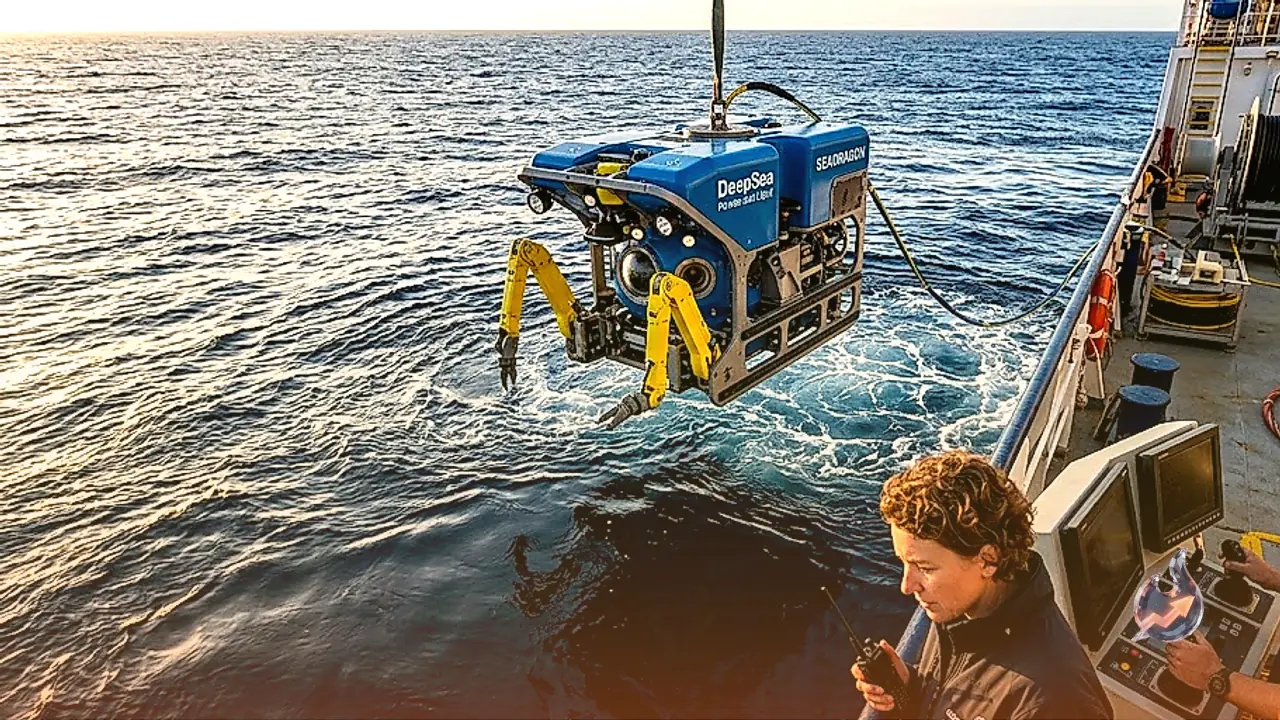

When we think of massive geological formations, we immediately picture snow-clad peaks like the Himalayas or the iconic Mount Everest. However, our planet is covered by oceans across 70 percent of its surface, concealing massive geographical wonders that dwarf anything we see on dry land. The deep oceans hold a silent, dark world containing colossal mountain ranges and trenches that challenge our understanding of Earth's geography. These underwater peaks host unique life forms and geological activities that remain largely hidden from human sight.
Understanding Mauna Kea: The True Giant of Earth
Situated in the Hawaiian archipelago, Mauna Kea is a volcanic peak that claims the title of the world's tallest mountain when measured from its absolute base to its summit. If you look at it from the shore, it does not seem as imposing as Mount Everest because more than half of its structure is submerged in the cold depths of the Pacific Ocean. However, when measured from its foundation on the ocean floor to its peak, Mauna Kea stands at an astonishing height of approximately 10,210 meters. This measurement easily surpasses the height of Mount Everest, proving that nature has kept its tallest masterpiece hidden beneath the waves.
What Are Seamounts and How Do They Form?
In scientific terms, these submerged mountains are known as seamounts. They are primarily active or extinct volcanoes that rise from the seafloor but do not break the surface of the water. Over millions of years, tectonic activity and volcanic eruptions build these underwater structures. Seamounts serve as crucial biological hotspots in the open ocean, deflecting deep currents and bringing nutrient-rich waters upward. This process supports a diverse array of marine life, creating thriving ecosystems in the middle of otherwise barren oceanic plains.
The Mid-Ocean Ridge: A 65,000-Kilometer Submerged Network
Beyond individual peaks like Mauna Kea, the ocean floor hosts an endless chain of mountains known as the Mid-Ocean Ridge. This is the longest mountain range on Earth, vastly overshadowing any terrestrial mountain chain. Stretching across approximately 65,000 kilometers, this colossal underwater system wraps around the entire globe like the seams on a baseball. It represents the boundaries where the Earth's tectonic plates are pulling apart, allowing fresh crust to form as magma cools in the ocean water.
Extreme Ecosystems and Hydrothermal Vents
While humanity has mapped distant planets, we have explored only a tiny fraction of our own ocean floor. Along these underwater mountain ranges, molten rock heats water to extreme temperatures, creating structures known as hydrothermal vents. These vents spew mineral-rich fluids into the freezing ocean water, fueling unique biological communities. The creatures living here do not rely on sunlight for energy; instead, they survive through chemosynthesis, utilizing the minerals dissolved in the water. This dark, high-pressure environment continues to surprise scientists with its resilient and bizarre life forms.