





















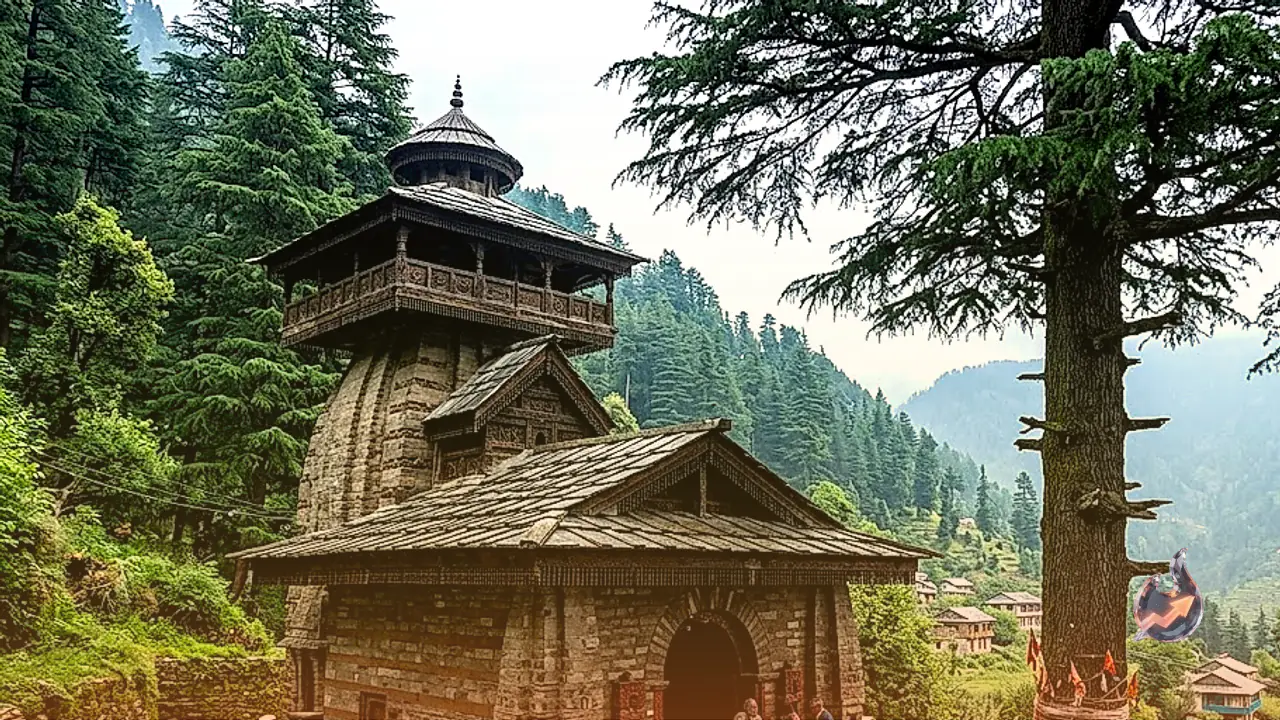

Nestled in the breathtaking landscape of Himachal Pradesh, the Kullu district holds an extraordinary repository of spiritual history and mythological lore. In the Thawa area of Naggar, the ancient capital of the Kullu principality, stands a revered Radha-Krishna temple that has anchored local faith for countless generations. Across India, the auspicious festival of Janmashtami is celebrated with immense joy and devotion, and this serene Himalayan village witnesses a magnificent outpouring of faith as devotees gather to seek the blessings of Lord Krishna. Revered for his enchanting persona and divine deeds, the deity occupies a cherished place in the hearts of visitors who believe that sincere prayers offered at this sacred spot never go unanswered.
Roots in the Dwapara Yuga and the Pandava Exile
The antiquity of this shrine traces back to the monumental events of the Mahabharata period. According to enduring traditions, the foundation of the temple took place during the Dwapara Yuga when the Pandava brothers traversed the rugged Himalayan ridges during their period of exile, known as Agyatvaas. Seeking divine refuge and solace, the brothers consecrated a magnificent four-armed stone idol of Krishna, depicted as Murli Manohar playing his enchanting flute. Naggar served as the historic seat of governance for the Kullu valley in ancient times, which added enduring cultural prestige to this hilltop sanctuary. For thousands of years, this consecrated sanctuary has remained an active destination for mountain pilgrims and curious travelers alike.
The Vanishing Idol and the Consecration of Radha
Among the most fascinating narratives cherished by the community is a recurring miracle associated with the sanctum sanctorum. The head priest of the temple, Neeraj Acharya, explains that in its earliest centuries, the shrine housed only the solitary statue of Lord Krishna. Over numerous years, an astonishing phenomenon puzzled the local residents: the stone idol would mysteriously vanish from the inner chamber. Following these sudden disappearances, melodious flute notes would echo incessantly day and night through the dense surrounding pine and deodar forests. Devotees came to understand that the lord was roaming the Himalayan wilderness in search of his eternal beloved, Radha.
To bring peace to this divine yearning, a royal council was convened during the historic reign of Raja Pritam Singh. The monarch and community elders determined that the sanctum must include a companion idol of Radha. Following an elaborate Vedic ceremony, the idol of Radha was consecrated beside Lord Krishna. Miraculously, once Radha was seated in the sanctum, the mysterious disappearances ceased entirely. Today, the divine pair stands side by side, bestowing grace and harmony upon pilgrims who view their united presence as the ultimate symbol of spiritual devotion.
The Sacred Arjun Tree Beside the Shrine
Just outside the stone walls of the temple stands another marvel: an ancient, venerable tree that remains completely lush, green, and heavy with fruit across all four seasons. Despite enduring severe winter snows and shifting mountain weather for hundreds of years, the tree has never withered. Local folklore maintains that this botanical wonder is no ordinary specimen, but an embodiment of Arjuna, the third Pandava brother and Krishna's devoted disciple. Tradition holds that Arjuna meditated extensively at this exact hilltop and subsequently transformed into an enduring tree to maintain an eternal vigil over his beloved lord. Devotees honor this living monument as the Arjun tree, performing circumambulations around its trunk and revering it as the divine protector of the sacred precinct.
Global Travelers Drawn to Mountain Devotion
While the sanctuary remains deeply embedded in local culture, recent years have witnessed a rising influx of international seekers and backpackers traveling to Naggar. During the vibrant celebrations of Janmashtami, foreign tourists join local villagers in singing devotional songs and dancing to mountain instruments. Maria, a traveler visiting from Spain, recalled that during her journey to the temple the previous year, the deep spiritual fervor and vibrant folk customs left an indelible mark on her heart. She noted that back in Europe, formal attendance at places of worship has largely declined, making the sight of hundreds of people chanting hymns in total unison an intensely uplifting experience that restores inner vitality. Another international visitor, Aditi, observed that the profound stillness and panoramic mountain backdrop surrounding the temple provide deep mental solace.
Festive Exuberance and the Peace of Vrindavan
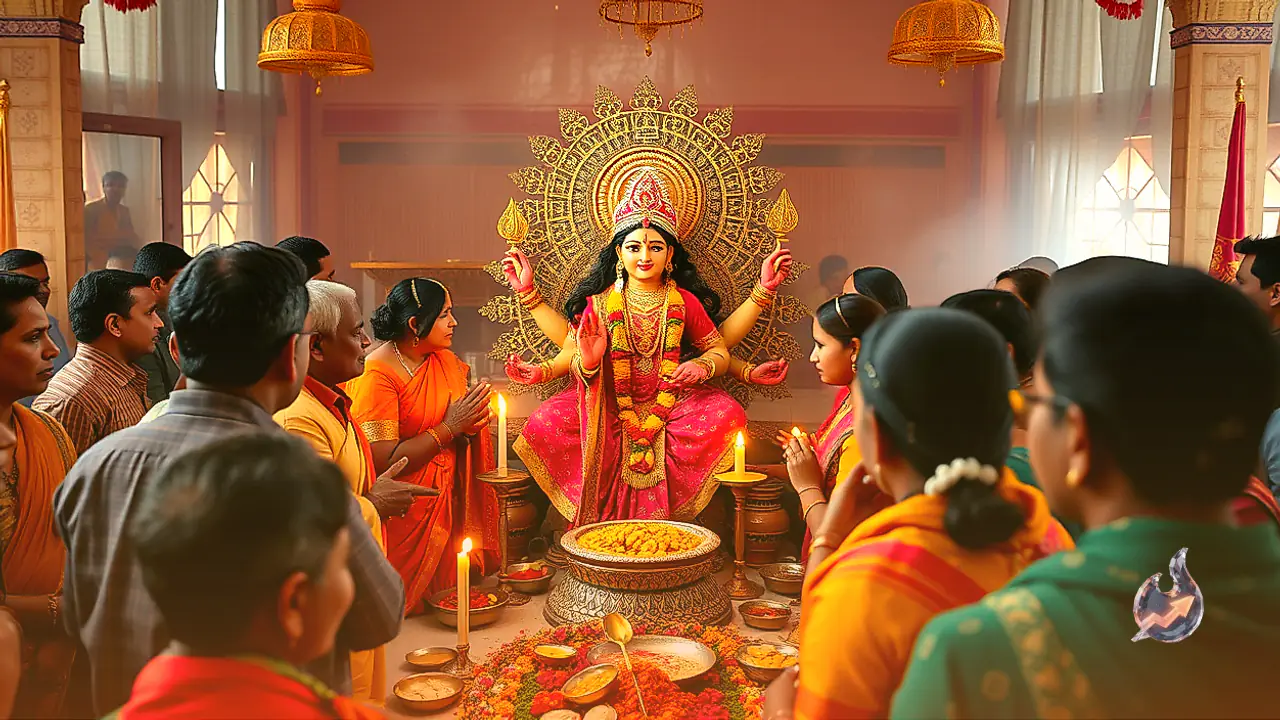
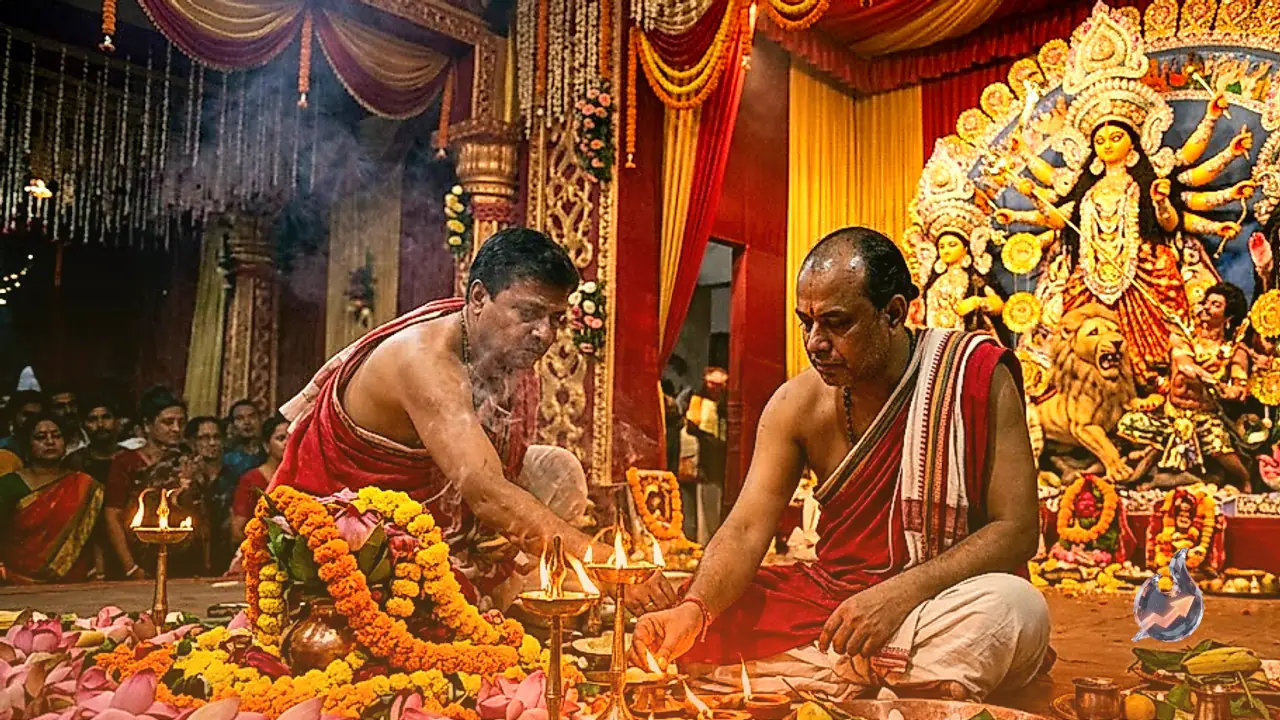
On the sacred night of Janmashtami, the temple hums with energy from daybreak until the midnight celebration marking Krishna's birth. The historic architecture is adorned with fresh flowers, traditional mountain textiles, and illuminated oil lamps. Local worshippers Surekha and Rama Thakur share that the temple maintains lively religious observances throughout the calendar year, not merely on major festival dates. They explain that standing in the temple courtyard creates a deep inner tranquility identical to the spiritual atmosphere felt in the sacred groves of Vrindavan. The harmonious blend of alpine quietude, historic architecture, and living devotion continues to make this ancient Naggar shrine a transformative refuge for every seeker who crosses its threshold.