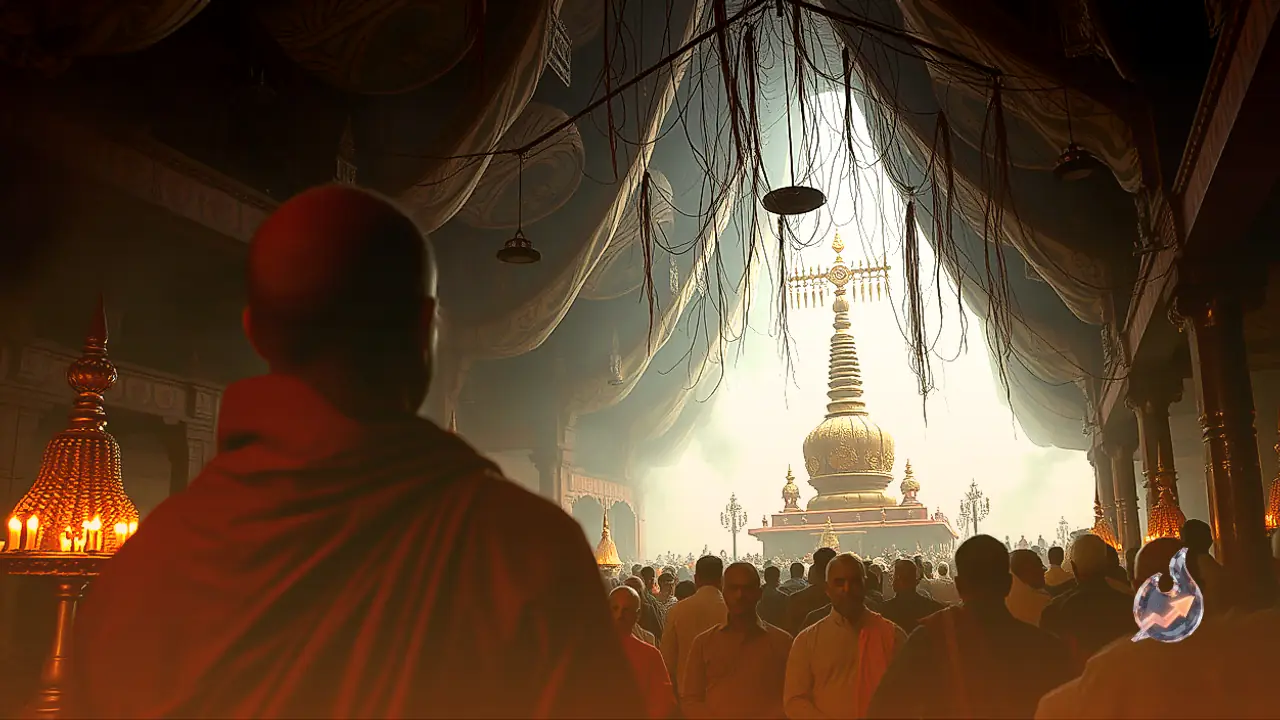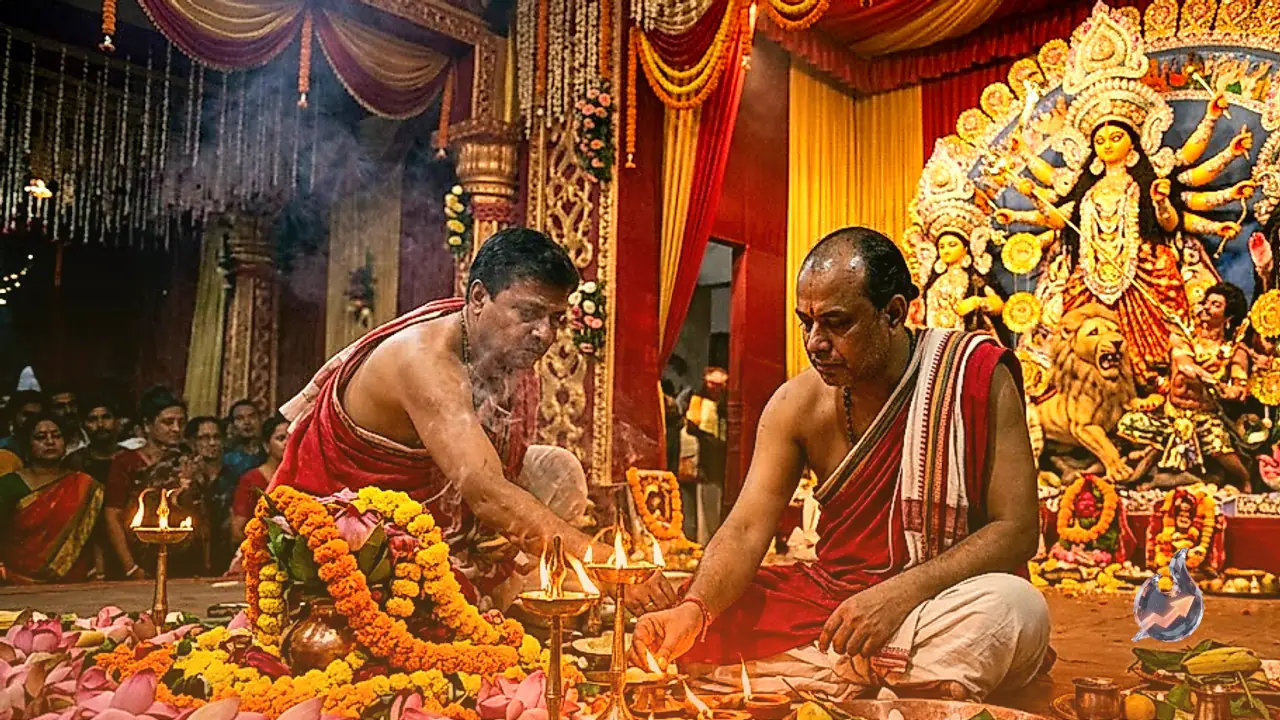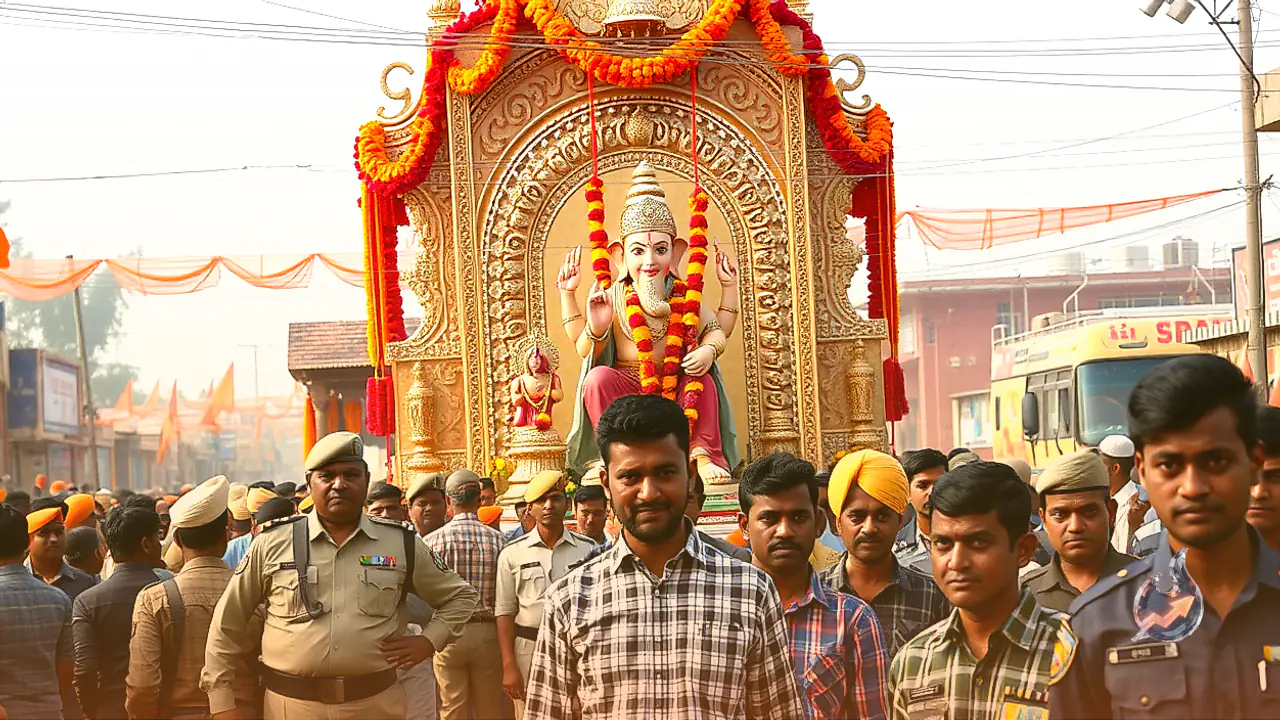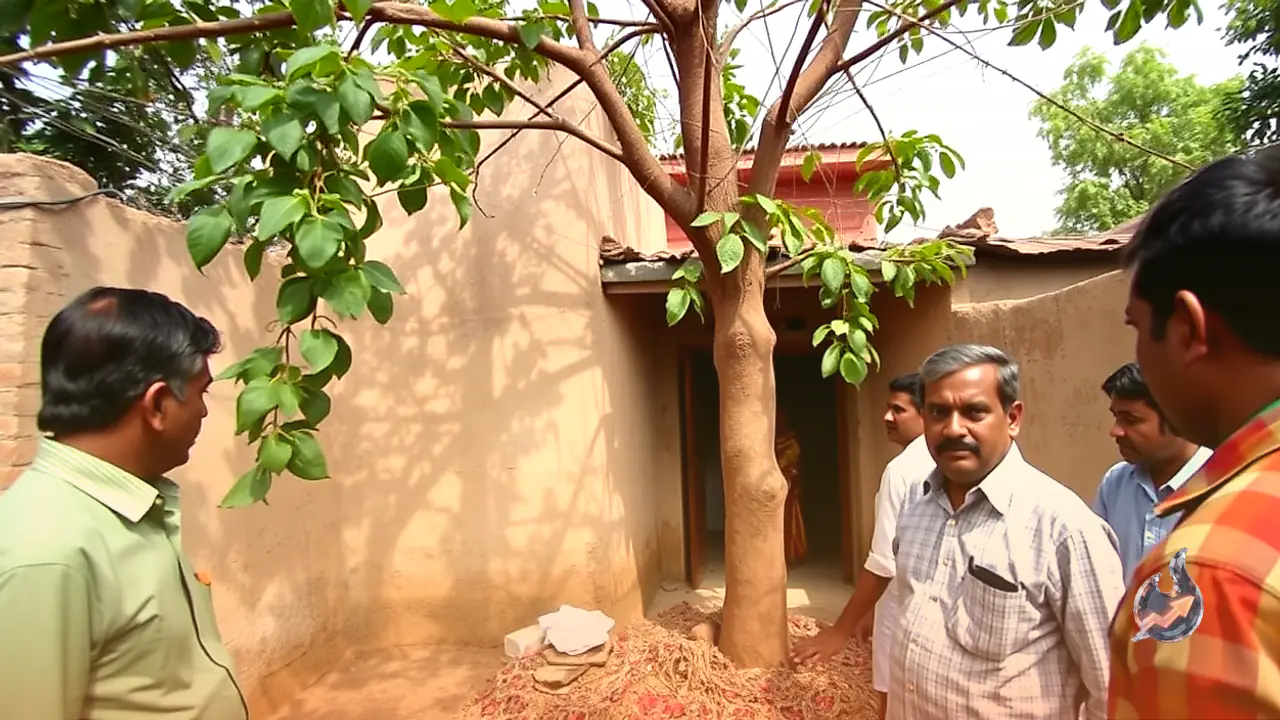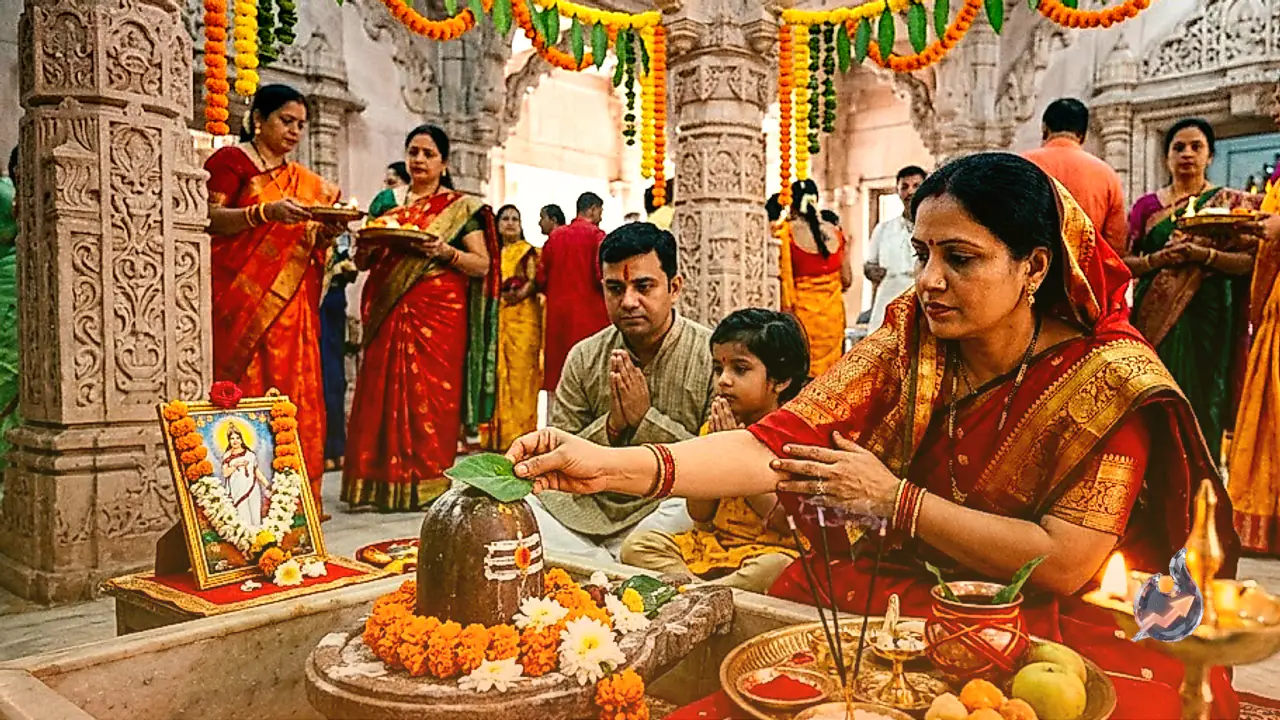






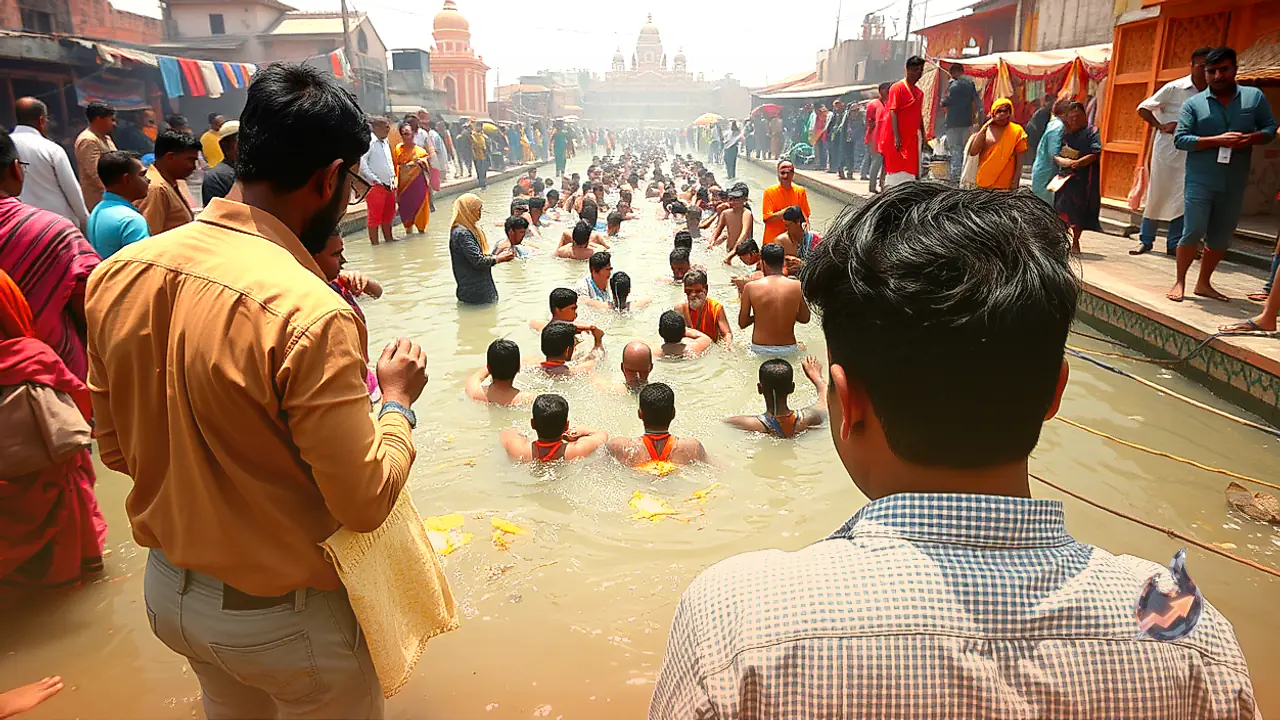















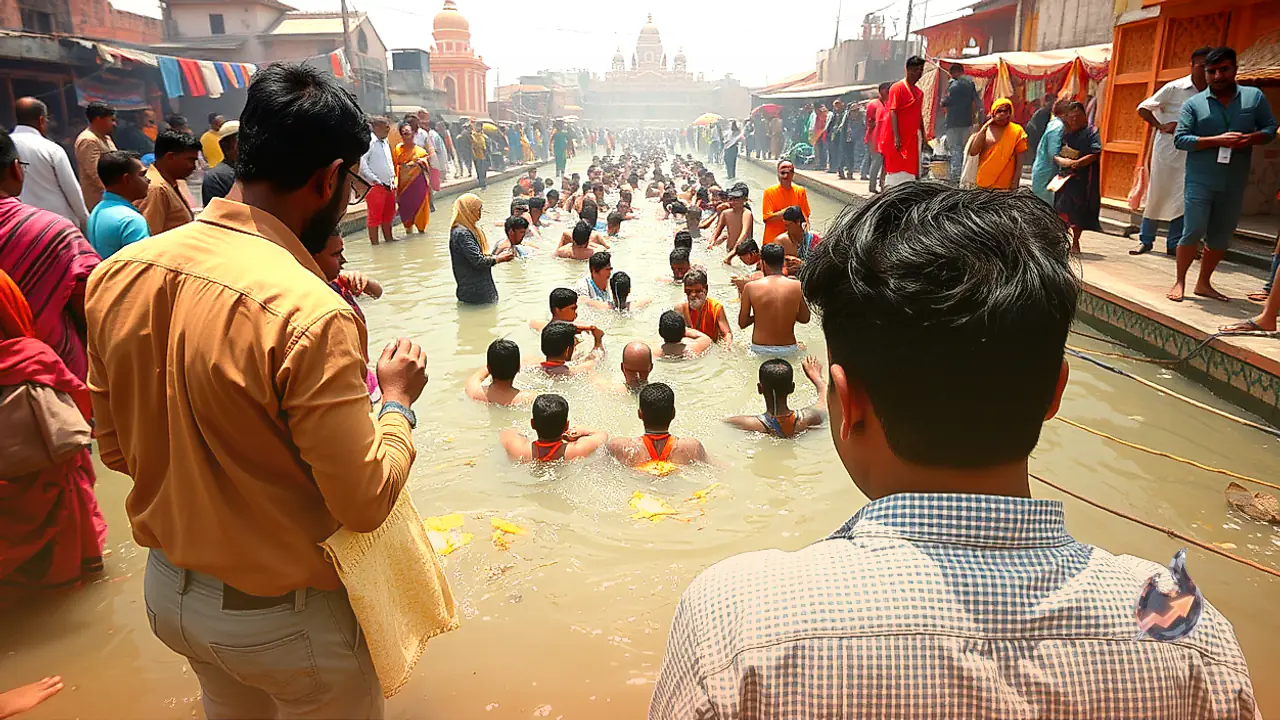

On the auspicious occasion of Lolark Chhath, observed on the Shasthi tithi of Shukla Paksha in the month of Bhadrapada, the historic Lolark Kund in Varanasi witnesses a massive gathering of devotees. Couples from across the country travel to the Bhadaini neighbourhood of Kashi seeking blessings for progeny. Steeped in the tradition of Sun worship, this sacred pilgrimage carries distinct religious guidelines that pilgrims are expected to observe rigorously to ensure their prayers are answered.
Strict Rituals for Couples Taking the Holy Bath
According to priest Shashi Bhushan Upadhyay, the scriptures prescribe a precise set of customs for those seeking the spiritual benefits of bathing in Lolark Kund. A core requirement is that husband and wife must hold hands and submerge themselves together in the sanctified water. While immersed, both partners must focus their thoughts on the Sun God, seeking divine grace.
Following the ritual bath, devotees offer produce such as wood apple, pumpkin, or bottle gourd into the reservoir. Tradition dictates that whichever vegetable or fruit is offered into the reservoir must be strictly given up; the couple is forbidden from consuming it until their heartfelt wish is granted. Furthermore, pilgrims must discard their soaked, old garments at the bathing site itself, change into fresh attire, and subsequently pay homage at the nearby shrine of Lolarkeshwar Mahadev.
Scientific Perspective and Research from BHU
Beyond deep-rooted spiritual beliefs, modern academia has also taken an interest in the unusual dynamics of Lolark Kund. Researchers from Banaras Hindu University (BHU) have been studying the site, looking at how the reservoir's specific geometric design interacts with holy Ganga water and direct solar radiation to produce a distinctive energetic environment.
Professor Praveen Singh Rana from BHU noted that during Lolark Chhath, the water in the pond undergoes a transformative change that stimulates a potent circulation of energy through the human body. Data from a focused survey reveals that nearly 60 percent of the couples who perform the rituals at this site successfully realize their prayers for bearing a child, lending an intriguing empirical layer to an ancient sacred practice.