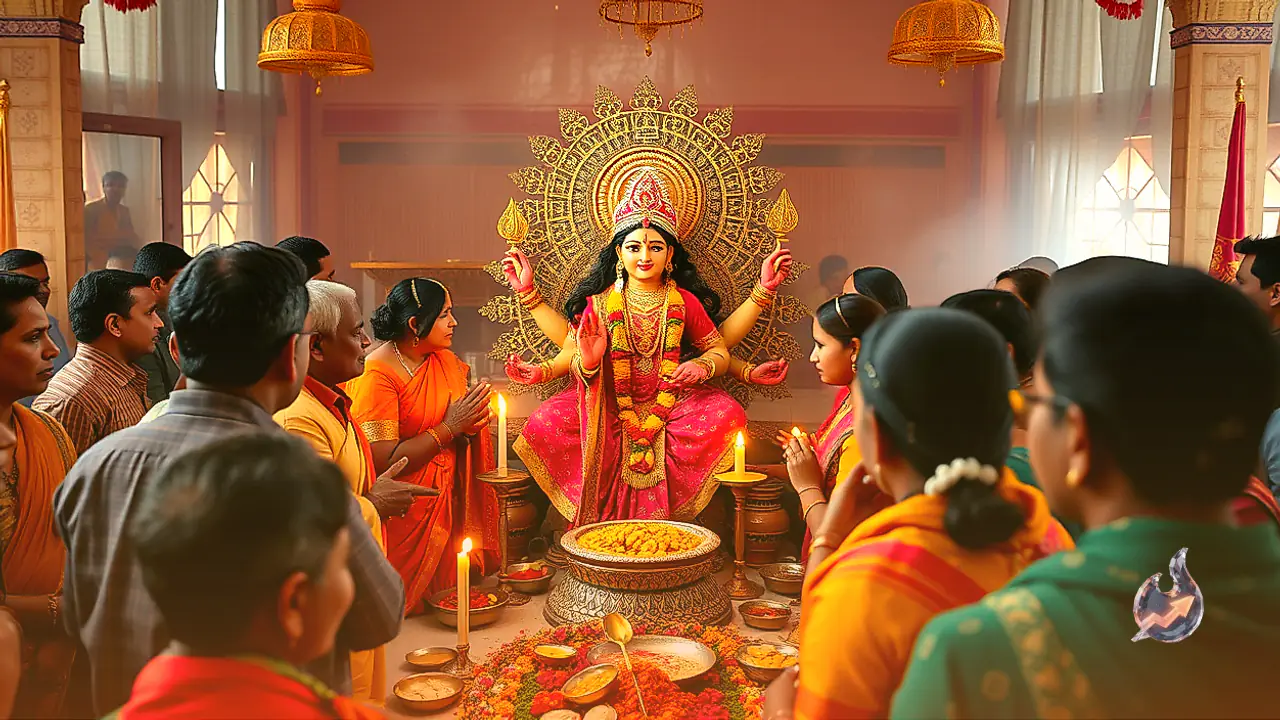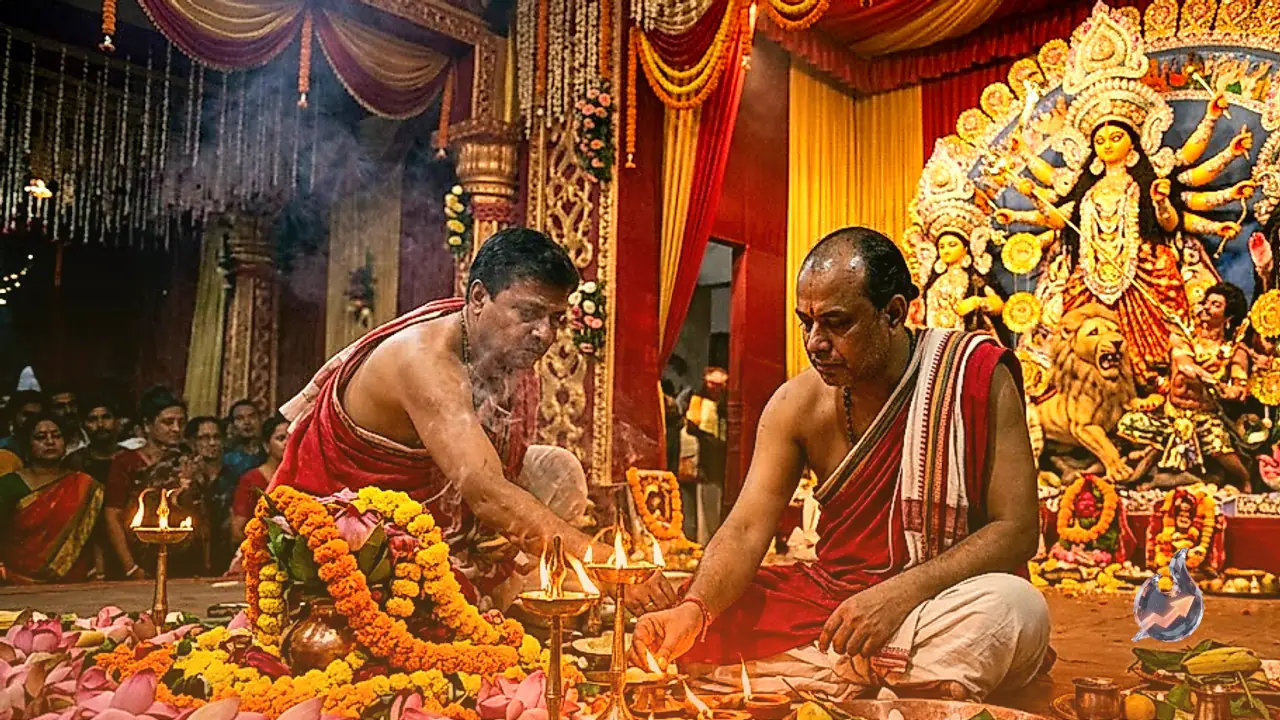






















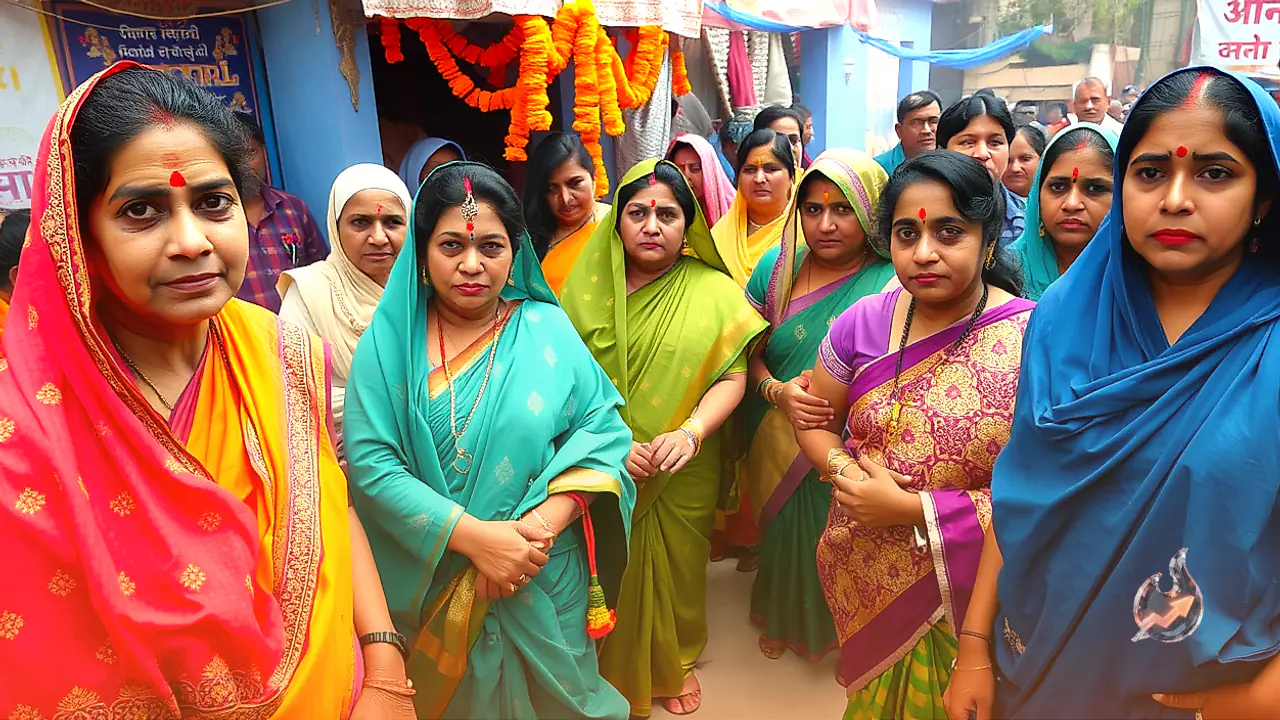

In Hindu traditions, the fifth lunar day of the bright fortnight in the month of Bhadrapada is dedicated to the celebration of Rishi Panchami. Unlike most traditional festivals that center around gods and goddesses, this sacred day uniquely venerates the great Vedic seers who laid the foundations of ancient wisdom. Devotees, particularly women, observe rigorous fasting and ritualistic worship on this occasion to seek forgiveness for unintended mistakes, cleanse spiritual impurities, and invoke blessings for their households.
The Legend of Saptarshis and the Descent of Ganga
The rituals of Rishi Panchami are performed in honour of the seven exalted sages known collectively as the Saptarshis: Kashyapa, Atri, Bharadwaja, Vishwamitra, Gautama, Jamadagni, and Vashistha. According to Pandit Ganesh Tripathi, the historical roots of this observance trace back to the descent of the holy river Ganga onto the earth. As the river flowed across the terrestrial realm, she encountered the seven sages absorbed in deep penance. Out of profound reverence for their spiritual discipline, Ganga altered her path to prevent any disturbance to their meditation. Since then, this specific date has been preserved to honor the sanctity and power of these revered seers.
Auspicious Timings and Sacred Observances
On this auspicious day, the most auspicious window for conducting the main rituals runs from 11:00 AM to 1:40 PM. Practitioners traditionally begin the day by taking a purifying bath in holy rivers, particularly the sacred Ganga, or by adding drops of holy water to their bath at home. During the dedicated worship hours, offerings of flowers, roots, seasonal fruits, and consecrated lamps are made to symbolic representations of the seven sages. The observance demands strict adherence to traditional guidelines and disciplined dietary rules to ensure the full spiritual benefit of the practice.
Spiritual Cleansing and Blessings for Families
Pandit Ganesh Tripathi highlighted that women predominantly observe this fast to atone for mistakes committed inadvertently during their menstrual cycles, addressing historical taboos and religious restrictions regarding unintended contact. Beyond purification from errors committed without malice, the day serves as a sincere prayer for marital harmony, mutual trust, and the long life of spouses. Dedicated observance of these rites is believed to relieve individuals of unseen spiritual burdens while ushering enduring peace, joy, and prosperity into the family household.