



















During the auspicious festival of Shardiya Navratri, devotees observe the third day in devotion to Maa Chandraghanta, the revered third manifestation of Goddess Durga. According to the Hindu calendar, this sacred worship is performed annually on the Tritiya Tithi of Shukla Paksha in the month of Ashwin. Mother Chandraghanta is represented as a majestic, radiant, and formidable manifestation of divine feminine energy. The goddess derives her holy name from the crescent moon shaped like a bell adorning her forehead. Traditional beliefs state that sincere prayer to Maa Chandraghanta relieves individuals from deep-seated fear, negativity, and unexpected obstacles, while also strengthening the position of Venus, the planetary lord of material comforts, in an individual's astrological chart.
The Fierce Iconography and Spiritual Symbolism
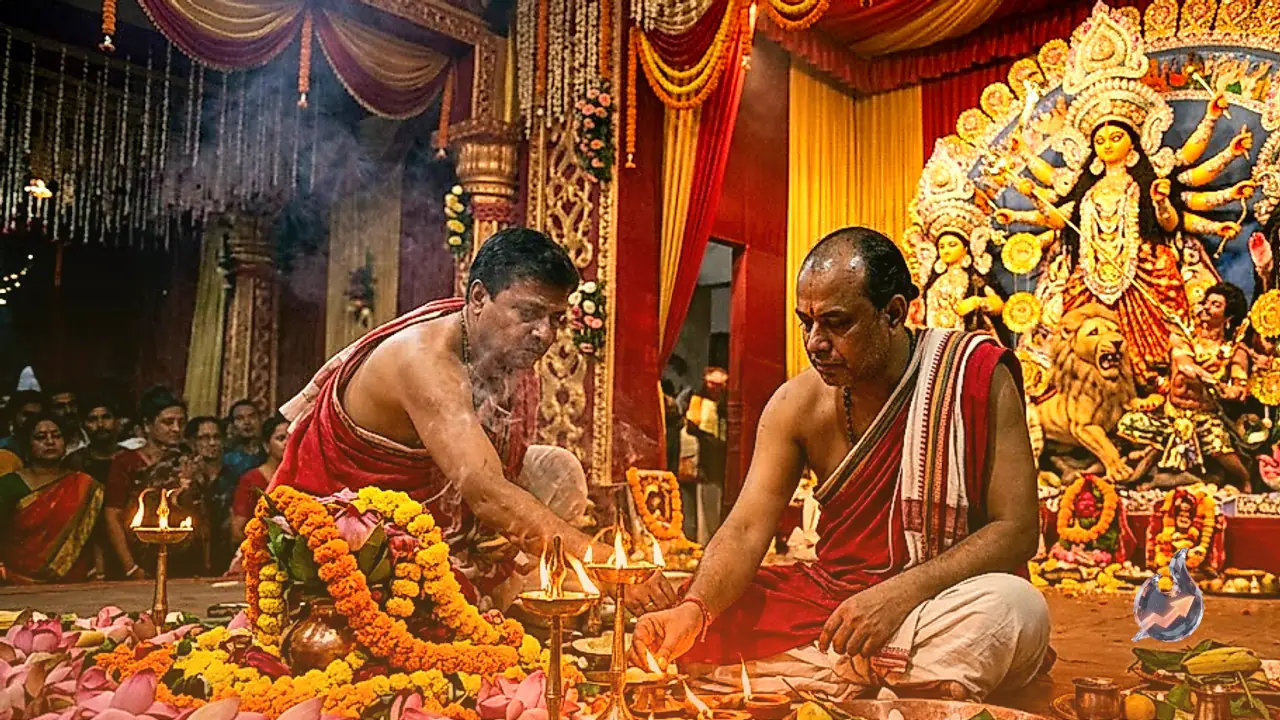
Maa Chandraghanta's divine form represents an inspiring balance of tranquility and valor. Depicted with ten arms, she holds a variety of divine weapons alongside sacred items such as a rosary and a water pot, while also displaying protective mudras. The goddess rides a fierce lion, which epitomizes unyielding strength, bravery, and absolute mastery over fear. Her physical appearance inspires devotees to stand firm against injustice and meet adversity with calm composure. Spiritually, her posture assures followers that righteousness and spiritual discipline will shield them against hardship, dispelling internal weaknesses and fostering profound self-assurance.
Step by Step Puja Vidhi for Tritiya
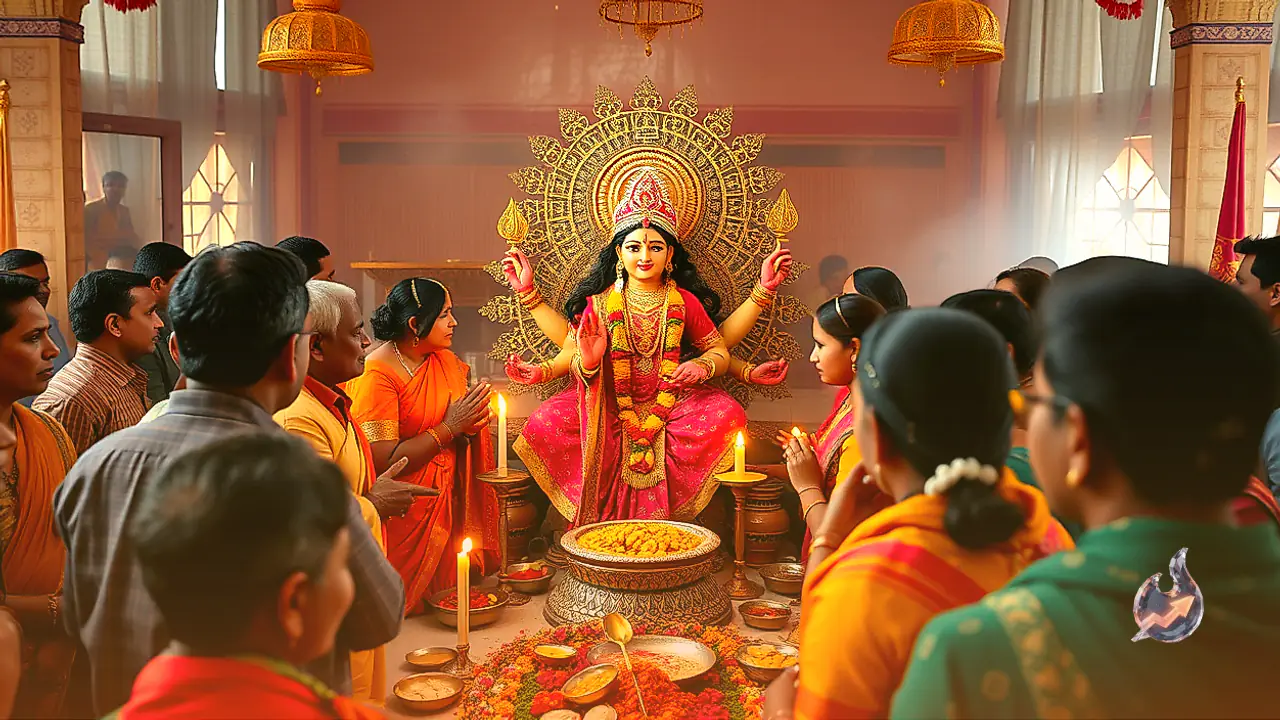
Devotees should wake up early during the morning hours, complete their holy bath, and put on clean attire. The prayer area must be cleaned thoroughly, after which the idol or portrait of Goddess Durga and Maa Chandraghanta should be positioned on a sanctified altar. Sprinkling holy water such as Gangajal purifies the surroundings before taking the solemn pledge for worship. A sacred lamp should be lit in front of the deity. Following this, offerings of red or yellow flowers, raw rice grains, roli, chandan, and a traditional chunri are presented. With fragrant incense burning, devotees should chant the sacred mantras of Maa Chandraghanta and recite chapters from the Durga Saptashati or Durga Chalisa. Conclude the ritual by performing the aarti and praying for family welfare.
Sacred Bhog and Traditional Offerings
Presenting specific food offerings during the rituals holds great spiritual significance in Hindu traditions. Maa Chandraghanta is believed to be exceptionally fond of milk and milk-based sweets. Devotees routinely prepare traditional kheer made of rice, makhana kheer, or various confections crafted purely from dairy alongside fresh seasonal fruits. Complete devotion and purity of intent must accompany the offering of naivedya. Once the prayers and aarti are concluded, the holy prasad should be shared among family members and loved ones to invoke divine blessings in the household.
Chanting of Powerful Mantras
Recitation of traditional verses during the third day's prayer is considered vital for invoking divine grace and dispelling planetary afflictions related to Venus. A widely recited prayer is: 'Pindaja Pravararudha Chandakopastrakairyuta, Prasadam Tanute Mahyam Chandraghanteti Vishruta.' Meditating on the three-eyed goddess stationed at the Manipura chakra grants immense inner calm and clarity of mind. Through dedicated observance of these rites, seekers discover internal peace, protection against hidden anxieties, and the mental fortitude required to navigate life's toughest challenges.