




















Crossing 100 medals at the Asian Games remained a psychological barrier for India for more than seven decades. The country hosted the inaugural edition in New Delhi in 1951, but the barrier fell only at Guangzhou 2022, staged in 2023 because of the pandemic, when the tally reached 107. Across the full journey, India has accumulated 779 medals.
How New Delhi shaped the first Asian Games
On a cold March afternoon in 1951, National Stadium in New Delhi became the setting for a defining sporting moment. Four years after Independence and amid the pain of Partition, India hosted the first Asian Games. The new republic did more than stage the event; it helped define the character of the Asian Games.
The motto Ever Onward framed a gathering of 11 Asian countries. Through sport, fellowship and human courage, India presented a message about taking its place on the global stage on its own terms. The event also gave the newly independent country a way to express its identity through competition.
Sachin Nag won gold in 100 metre freestyle swimming. On the new synthetic track, Lavy Pinto captured two golds in the 100 metre and 200 metre races. More than adding medals, these victories announced that a country long silenced was ready to run, jump and claim space before the world.
At its previous Asian Games appearance, India won more than 100 medals. That recent benchmark now sits at the end of a much longer story that began with the 1951 hosting and moved through decades of uneven progress.
Separate cricket results add wider sporting context
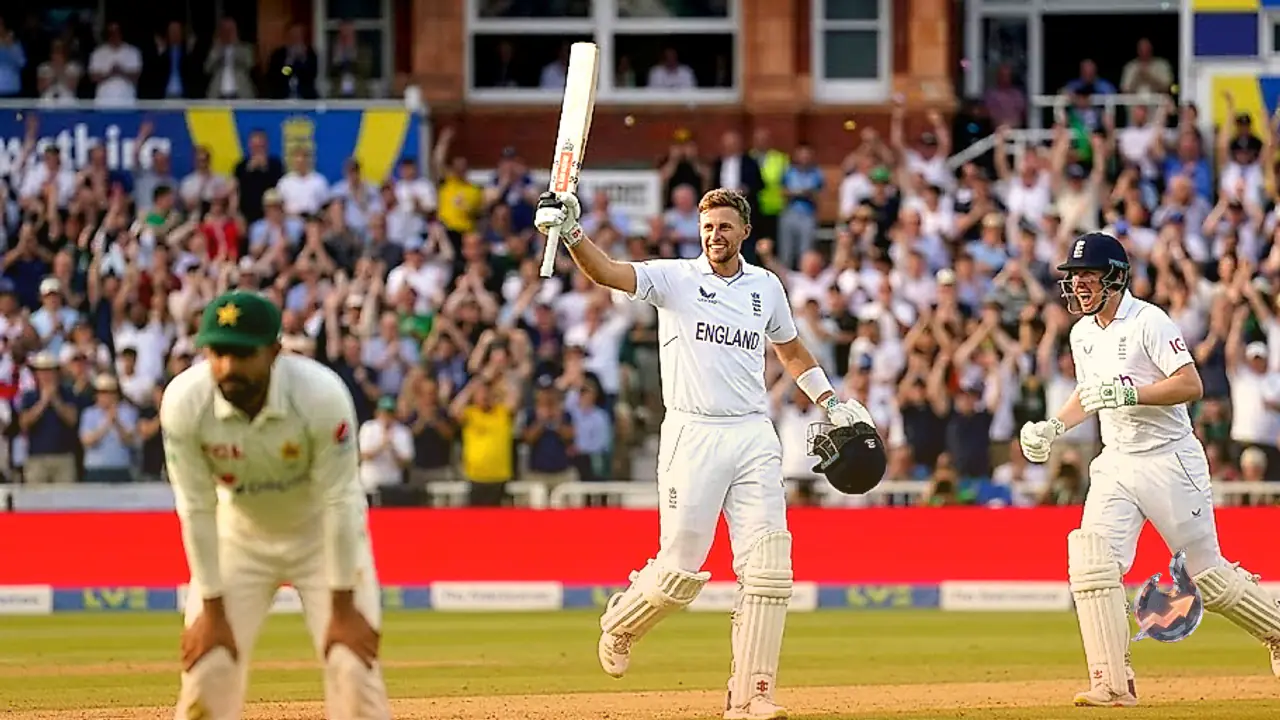
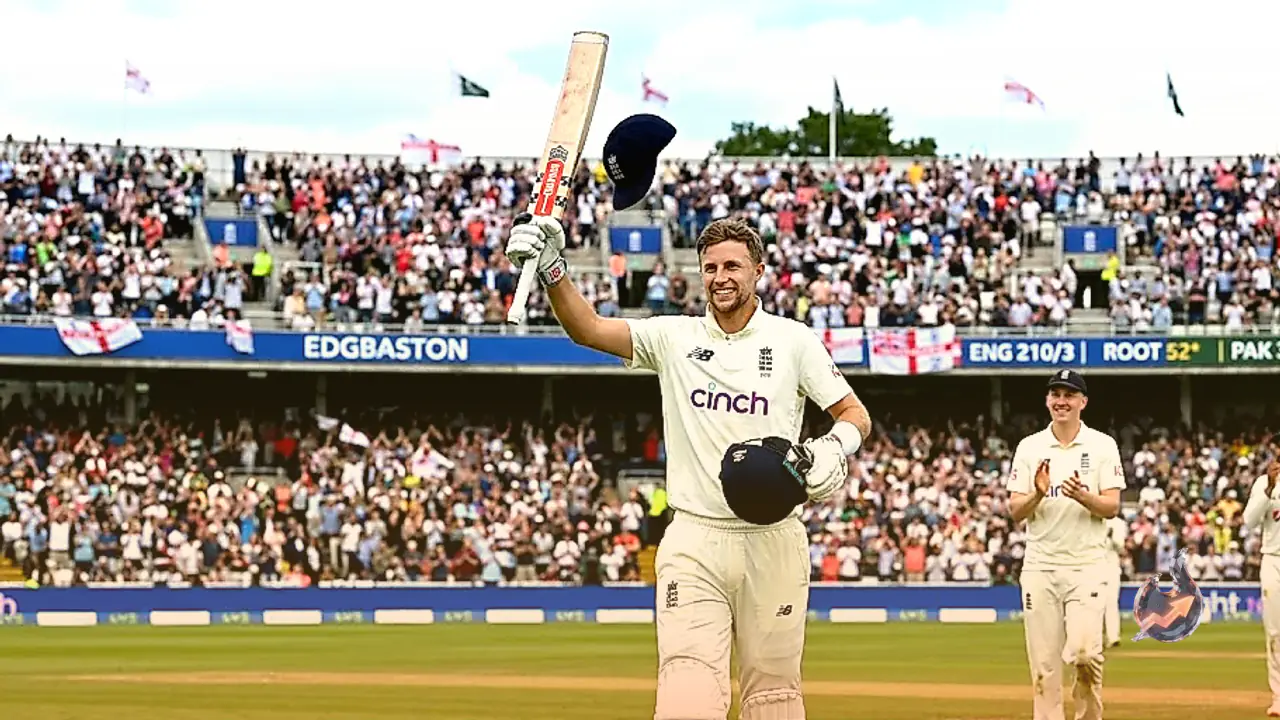
England made history at home while sweeping Pakistan. A final Test victory by 8 wickets sealed a 3-0 series win for England.
Among the 5 leading run-scorers in the Test series, two crossed 900 runs. Bradman’s 96-year-old world record remains intact.
Major performances punctuated decades of struggle
The years after the first Games did not bring steady success. For Indian sports fans, the Asian Games often combined hope with unfinished dreams. Outstanding achievements were celebrated, yet the overall medal count stayed limited for a long period.
At Tokyo 1958, Flying Sikh Milkha Singh won two golds in the 200 metre and 400 metre races. PT Usha won four gold medals at Seoul 1986. Indian hockey teams also fought close contests, and those hard battles became part of the era’s sporting identity.
Such moments acted like beams of light during difficult years, but total medals remained around 20, 30 or 40 for years. Across more than seven decades, India has collected 779 medals: 183 gold, 239 silver and 357 bronze. The figures reflect early struggles, limited resources and a refusal to give up.
A 100-medal ambition took shape before Guangzhou 2022
The pandemic pushed the Guangzhou 2022 edition to 2023. By then, India’s approach to sport had undergone a basic change. Old hesitation had disappeared and a new confidence was visible in the preparation.
Before leaving for China, training camps echoed one slogan: This time, over 100. Many analysts regarded that target as exaggerated because India’s best previous showing was 70 medals at the 2018 Jakarta Games. Totals above 100 were generally associated with sporting powers such as China, Japan and South Korea.
Medals arrived across the sporting field
Guangzhou changed the direction of Indian sports history because success was not confined to one discipline. The tricolour kept going up through the competition and the national anthem was heard repeatedly. Athletes produced their best performances across multiple fields, giving the medal challenge far greater depth.
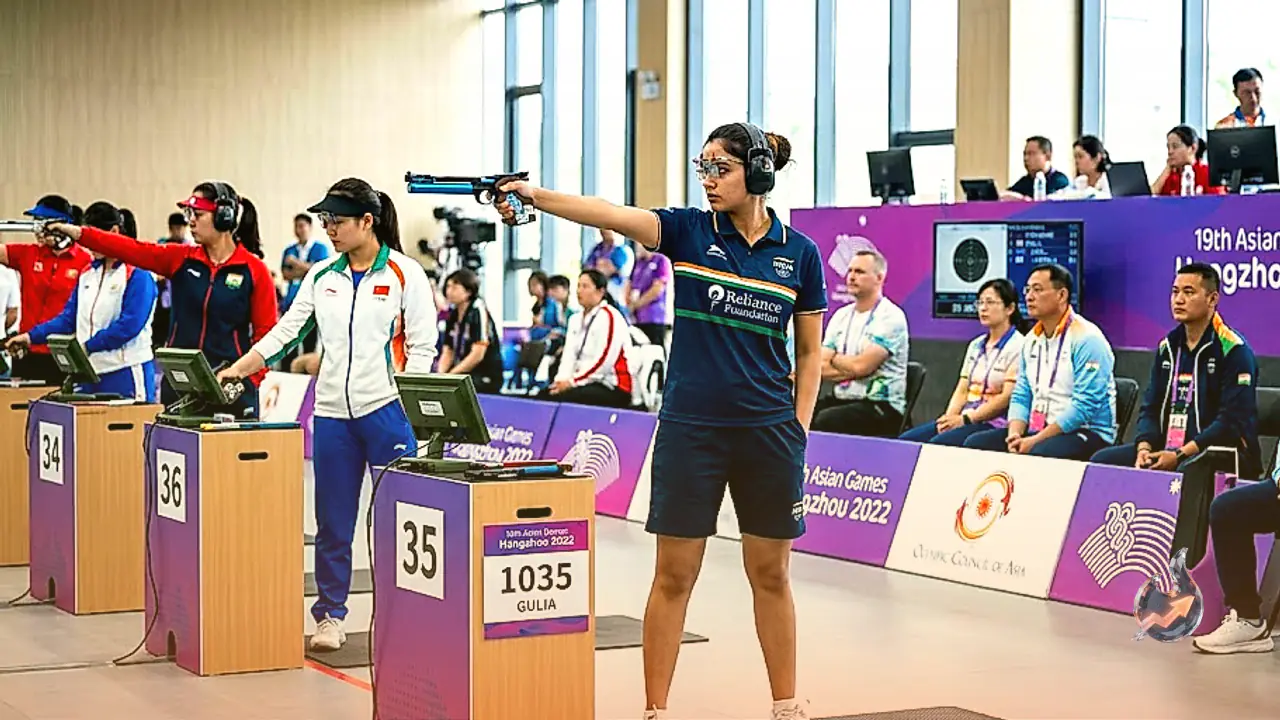
In dressage, four young equestrians won gold and ended a 41-year drought. A new generation of shooters showed strong concentration and accuracy. These results showed that India’s medal prospects had spread well beyond its traditional strengths.
Satwiksairaj Rankireddy and Chirag Shetty defeated pairs from China, Malaysia and Korea that had long been considered strong. Their victory secured the historic men’s doubles badminton title. On the athletics track, Neeraj Chopra won his second consecutive Asian Games gold. India also produced excellent performances in archery, wrestling and other sports.
The 107-medal tally broke a long mental barrier
When competition ended, India’s scoreboard read 28 gold, 38 silver and 41 bronze medals. The total was 107, and India finished fourth in the standings. The 100-medal wall that had stood as a psychological limit for seven decades was gone.
Guangzhou became a decisive turning point for Indian sport. From that point, the country’s presence at the Games was viewed as a stronger identity on the global stage rather than merely another participation. The result converted more than seven decades of struggle into a new base of confidence.
Aichi-Nagoya becomes the next test
Attention has now moved to the Aichi-Nagoya Games in Japan, and the Indian contingent approaches them with a different mindset. The Hangzhou success demonstrated that India could move beyond 100 medals. The challenge at Aichi-Nagoya will be to show that the historic tally of 107 was only the beginning of a new journey.


