
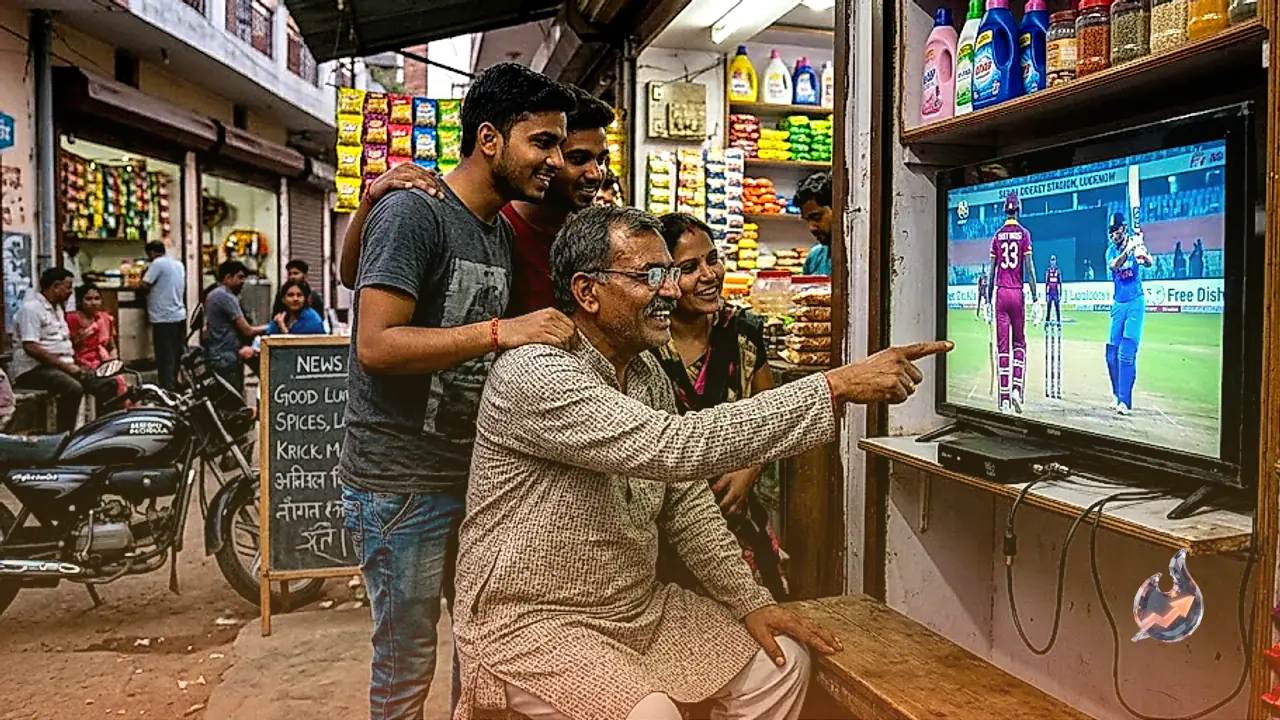





















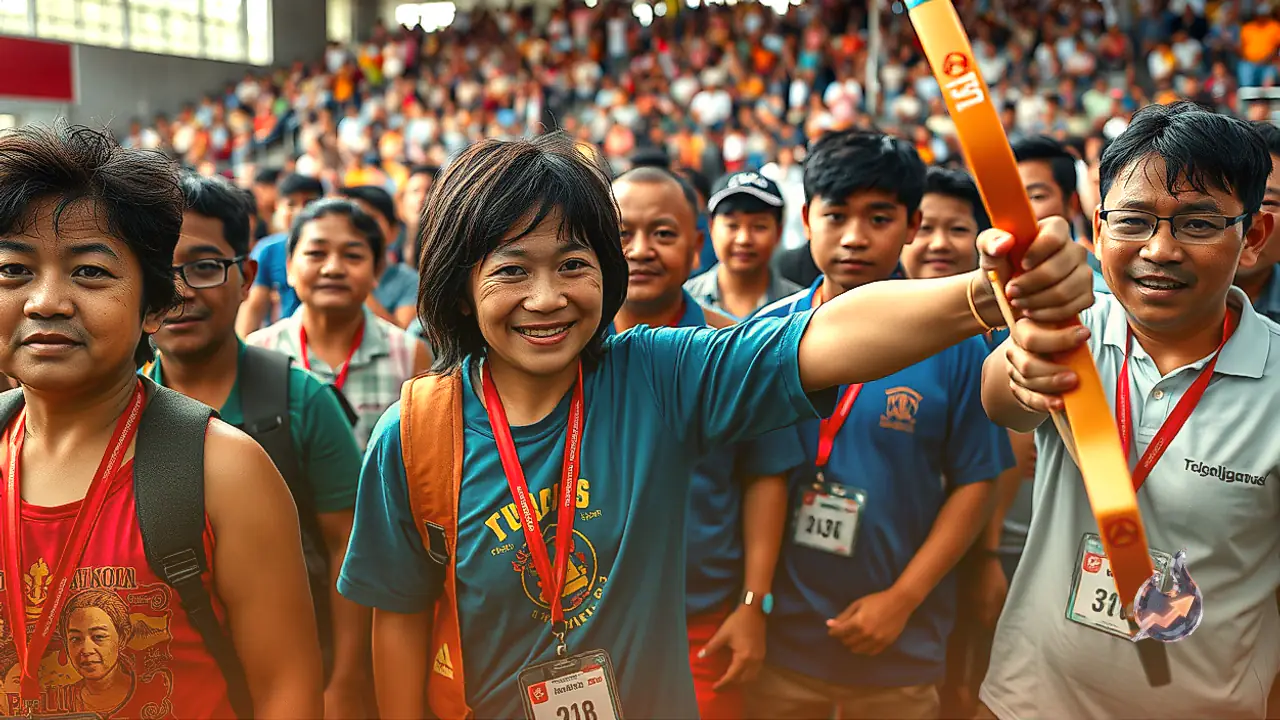

When the story of the 2026 Asian Games is recounted, Indian sports history will forever reserve a special chapter for two remarkable athletes who snatched victory from the jaws of defeat. On one end stood 17-year-old Kumkum Mahod, an archery prodigy rewriting record books, while on the other was 35-year-old hockey stalwart Savita Punia, standing tall as an impenetrable wall before the goalposts. Separated by an 18-year age gap, with Savita exactly twice Kumkum's age, both women were united by an identical resolve: an unyielding hunger for excellence and an extraordinary ability to thrive when the stakes were at their absolute highest. Their heroics in Nagoya not only brought gold medals home but also announced a profound shift in Indian athletics on the global stage.
Kumkum Mahod Shatters Records in Recurve Archery
In the individual recurve archery final, Kumkum Mahod faced a challenge that has historically intimidated archers worldwide. South Korean competitors have dominated the discipline for decades, building a reputation of near-invincibility. Entering a high-stakes do-or-die set, Kumkum held her composure under crushing tension, leveling the match score at 5-5. The psychological burden immediately shifted squarely onto the shoulders of the third-seeded South Korean archer. Across the line stood a fearless 17-year-old Indian athlete determined to author her own historic destiny before an international audience.
With everything hanging on the line, Kumkum drew her bow and drilled a perfect 10 right into the target. Her South Korean opponent could manage only an 8. That decisive strike sealed the gold medal for India. Kumkum Mahod thus entered the record books as the very first Indian archer in Asian Games history to claim an individual recurve gold. Capping her campaign with two gold medals and one silver medal, Kumkum established herself as the newest international sensation of the sport.
Rewriting Archery Dynamics Against Asian Heavyweights
The events in Nagoya effectively dismantled long-standing assumptions about Asian archery supremacy. For years, the prevailing consensus suggested that South Korean dominance was insurmountable in major finals. Nagoya rewrote that narrative completely, with Indian male and female archers demonstrating that top-seeded adversaries can indeed be outplayed. Kumkum thoroughly debunked the outdated criticism that Indian competitors crumble under immense tournament pressure.
Instead, the contest revealed that when intense and relentless pressure is exerted upon Chinese and South Korean competitors, they too falter, having rarely faced opponents who push them to such extremes. Kumkum capitalized on this dynamic repeatedly, demonstrating that disciplined poise can topple the most storied champions in world archery.
Savita Punia's Monumental Wall in Hockey
On the hockey pitch, veteran goalkeeper Savita Punia authored an equally gripping masterclass in handling high-pressure moments. India held a slender 1-0 advantage against a formidable, higher-ranked Chinese side that had consistently troubled them in recent years. With just 24 minutes left on the match clock, China was awarded a penalty stroke. It was not a routine penalty corner, but a direct penalty stroke from the spot, threatening to wipe away India's lead.
That single moment carried colossal implications, putting both the Asian Games gold medal and a direct qualification quota for the LA28 Olympic Games on the line. Positioned firmly on the goal line, Savita drew upon decades of rigorous physical preparation and competitive experience. Reading the impending strike with precision, she executed an athletic dive to her left, deflecting the ball and denying China an equalizer. That miraculous stop protected India's lead and propelled the team onward toward the gold medal.
From the Brink of Retirement to Olympic Qualification
Savita's heroic intervention is made all the more poignant by the fact that merely two years earlier, she stood on the verge of walking away from international hockey altogether. She had virtually made up her mind to retire, but key confidants close to her intervened and persuaded her to remain in competitive action. That decision paid massive dividends in Nagoya, where she not only emerged as an Asian Games champion but also stood among the iconic pillars guiding India to a confirmed berth at the LA28 Olympics.
The Nagoya campaign goes far beyond the triumphs of Kumkum and Savita alone. It reflects the broader grit of Indian female competitors who triumphed through formidable odds, a roster that includes Neeru Dhanda, Lovlina Borgohain, Parveen Hooda, Esha Singh, and Suruchi Inder. Together, they personify a fearless new India that no longer wilts under intense championship pressure, but transforms that very pressure into historic gold-medal triumphs.