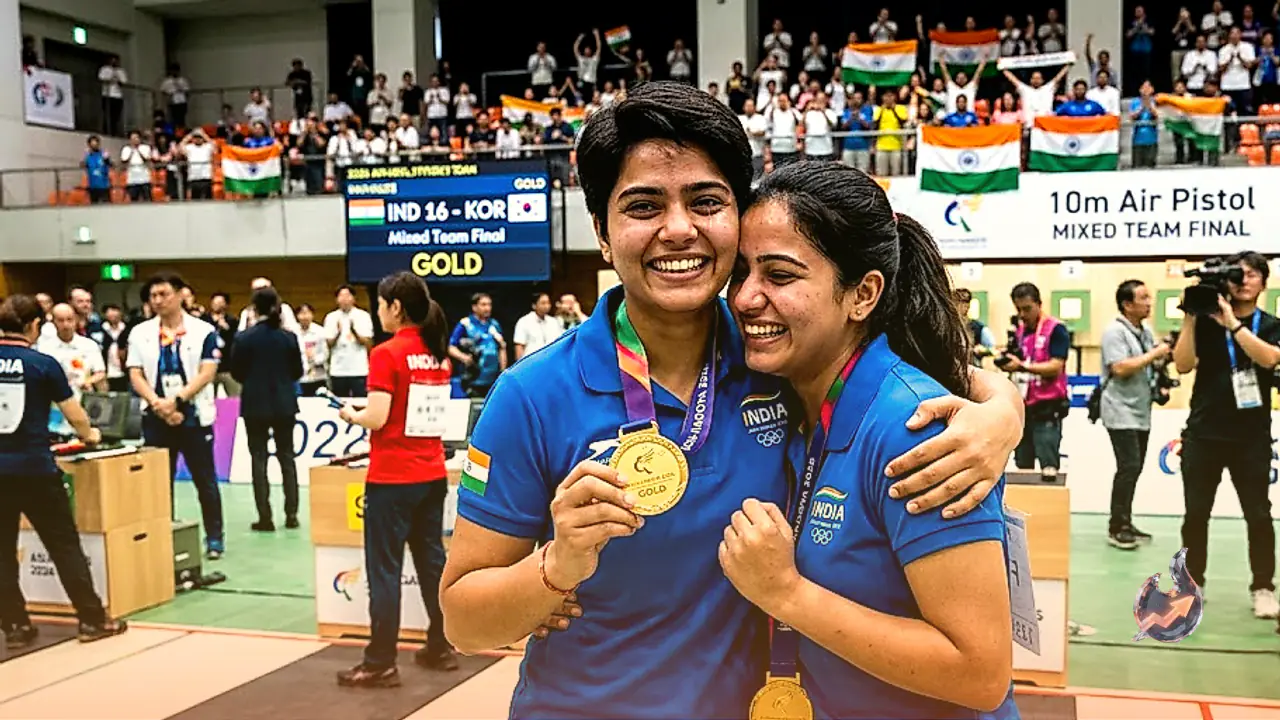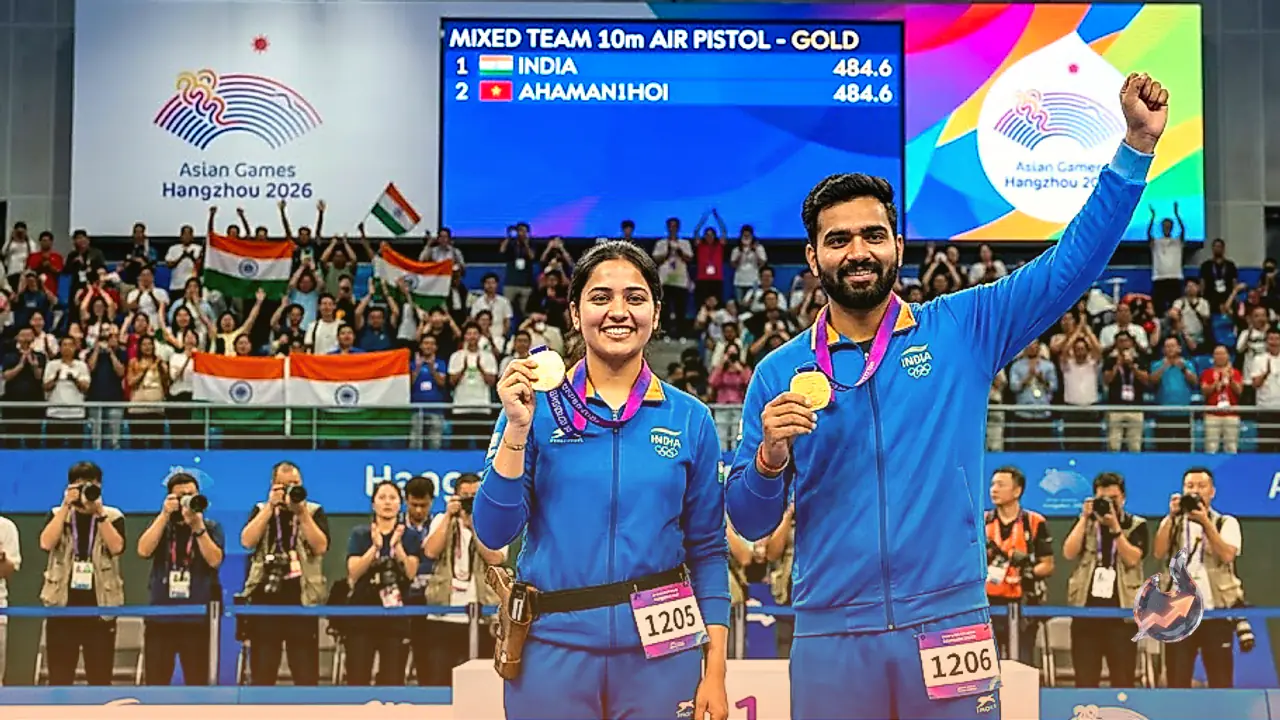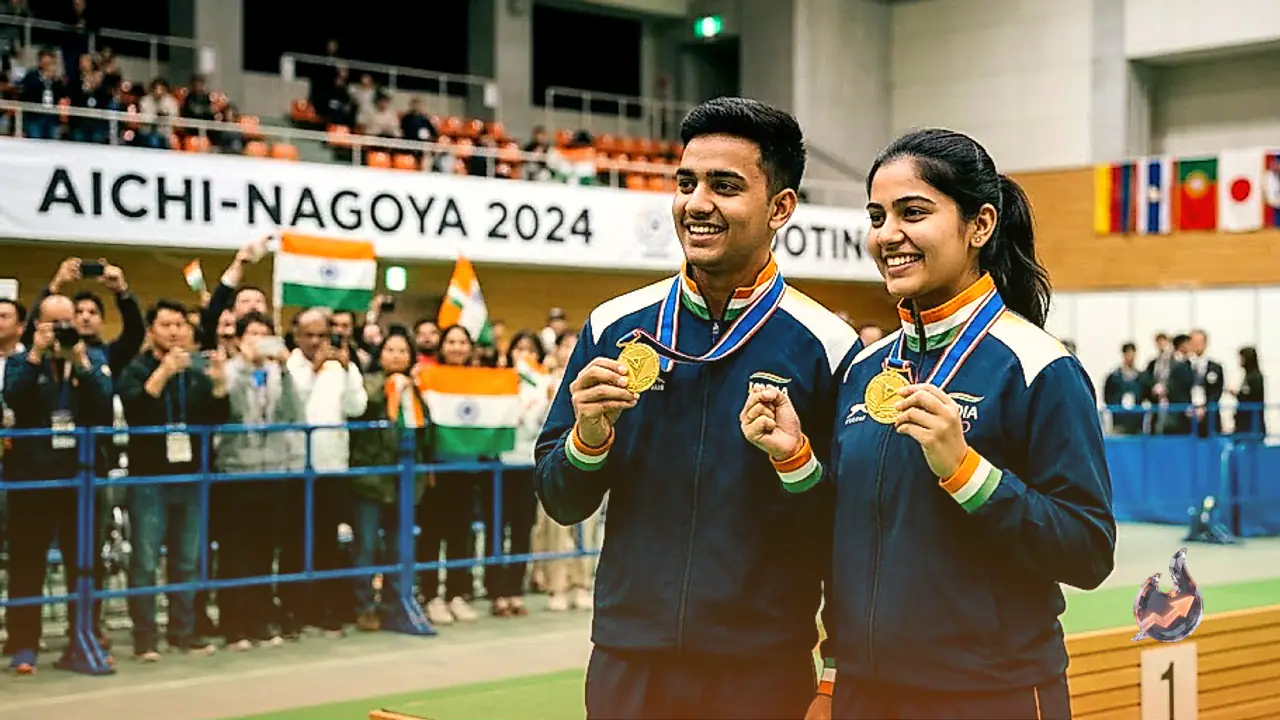






















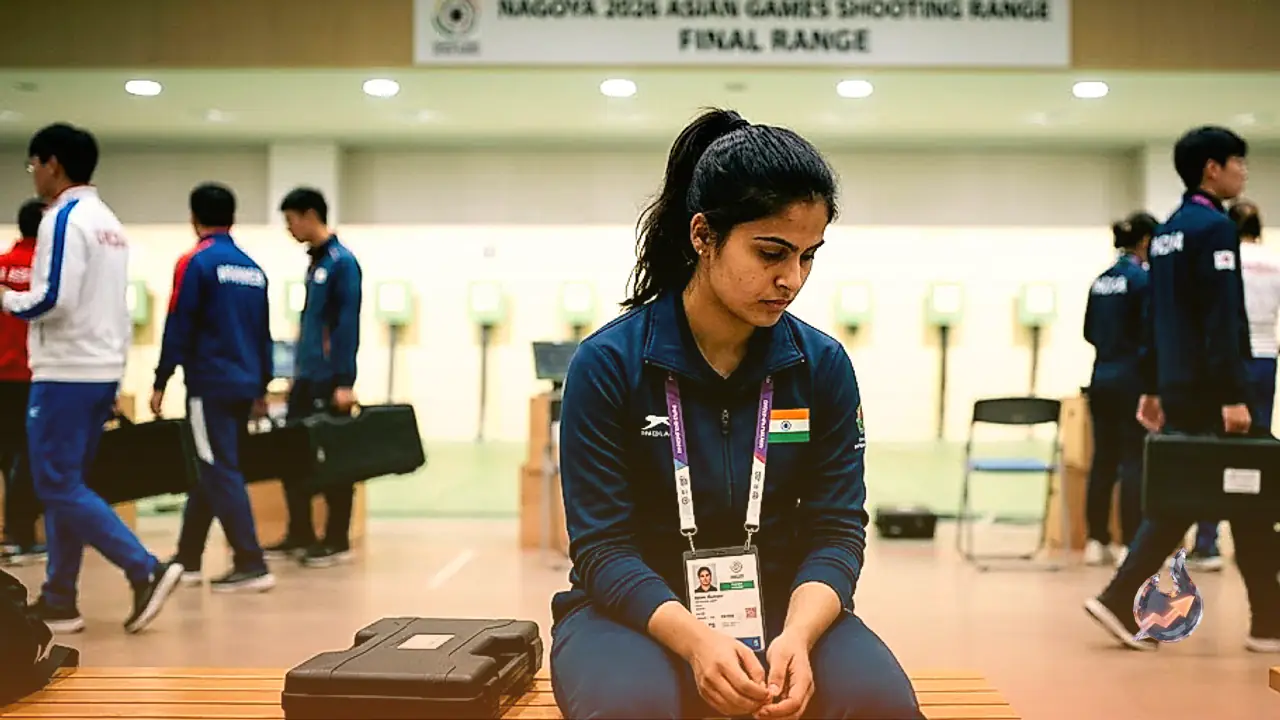

New Delhi. Shooting has traditionally been a major medal hopeful for India at the Asian Games, but the campaign in Nagoya has fallen short of expectations so far. While a solitary gold medal has been secured, nearly half the event has passed without the anticipated dominance, particularly in the pistol category. The underwhelming results from a heavily backed squad have raised significant questions. Compounding the situation, the intense social media trolling directed at Manu Bhaker after she missed out on a podium finish has brought issues of sportsmanship and fan behavior into sharp focus.
Indian shooting contingent carried massive expectations into the Nagoya Asian Games. Following stellar performances by Indian marksmen in recent years, the sport was widely projected as the primary engine for India's medal tally. However, the reality on the ground has been starkly different. The 10-meter air pistol event proved to be a major disappointment. India's star shooter Manu Bhaker successfully reached the final but failed to secure a medal, finishing fifth. This outcome invited harsh criticism and trolling on social media platforms. Notably, Bhaker even apologized to the host broadcaster for failing to win a medal during a post-event interaction.
Why Apologize And Is It Fair To Scrutinize An Athlete So Harshly?
Having established herself as a prominent name at the Olympic level, Manu Bhaker qualified for the Asian Games final and gave her absolute best. Every athlete enters a competition aiming for a gold medal, but winning on every single occasion is simply not feasible. Should an athlete feel compelled to apologize to the country simply for missing out on the podium? Bhaker shot 579 in the qualification round, which marked her best qualifying score in this specific event since the Paris Olympics. She was India's third-ranked shooter in the qualifiers, yet she demonstrated her caliber by making the cut for the final. Even during the medal round, her performance was competitive. On her 17th shot, she scored a 10.8 and climbed into a medal position. A single exceptional shot could have clinched a podium finish, but sports often hinge on razor-thin margins between victory and a fourth or fifth-place finish. This outcome certainly does not justify subjecting the athlete to abuse, online trolling, or derogatory remarks.
A recurring pitfall in multi-sport events is judging an athlete's entire career or capability based on a single performance. The competition is far from over. Manu Bhaker still has her favored 25-meter sports pistol event ahead of her. Evaluating and cornering an athlete before their campaign has even concluded is fundamentally unfair. Constructive criticism, performance analysis, and scrutiny of selection criteria are entirely valid, but they are far more effective when conducted after the tournament concludes rather than in the middle of ongoing events.
Broader Questions For The System Beyond Individual Athletes
Pinning the blame solely on the athletes following subpar results in shooting is inadequate. There is an urgent need to review the trial and qualification procedures. Is the current selection mechanism functioning optimally? Are there structural flaws in how teams are chosen? Does the national-level preparation and event management require an overhaul? For instance, the exclusion of Samrat Rana from traveling while other shooters competed domestically raises glaring questions. The National Rifle Association must examine these administrative issues with utmost seriousness.
India has managed to claim one gold medal so far, but the overall performance in a traditionally strong discipline remains alarming. With half of the competition still remaining and numerous medals still up for grabs, the immediate priority should be supporting the athletes rather than subjecting them to online trials by public opinion. Manu Bhaker still has another opportunity to showcase her true potential in the 25-meter sports pistol event. A comprehensive review of the shooting campaign must happen once the dust settles, addressing everything from selection protocols to training methodologies. Until then, social media critics would do well to exercise restraint.