

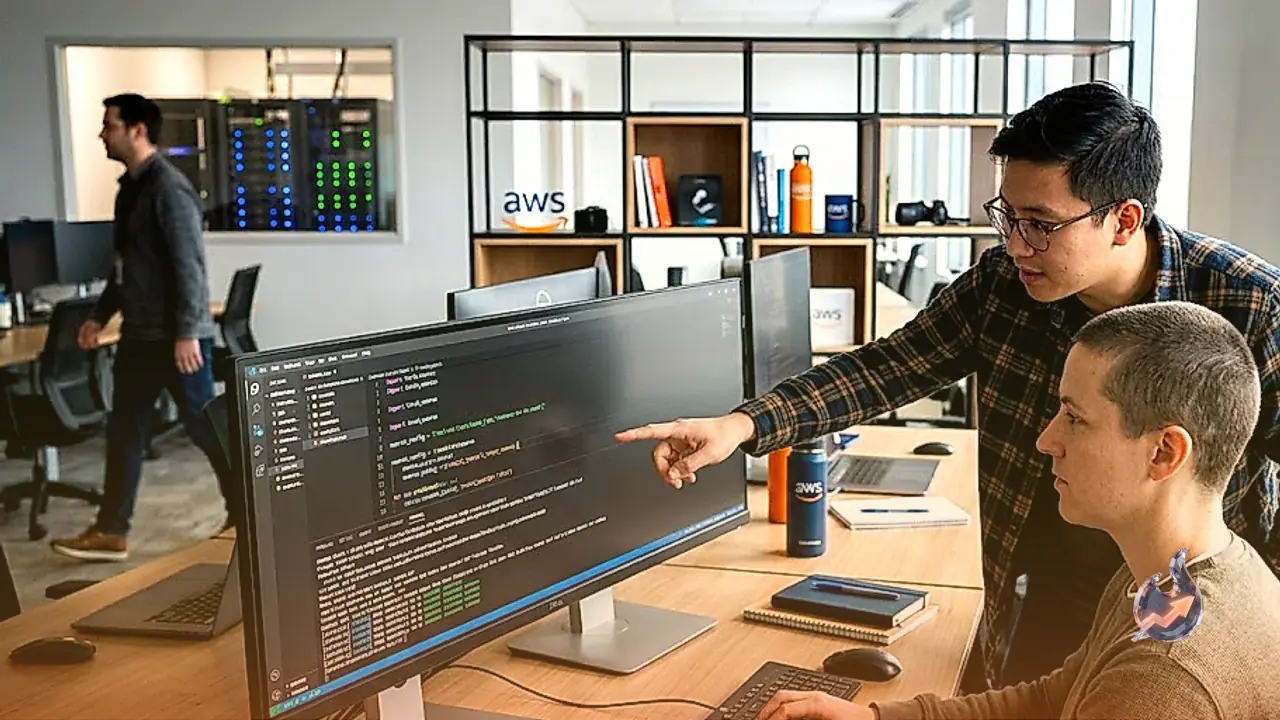




















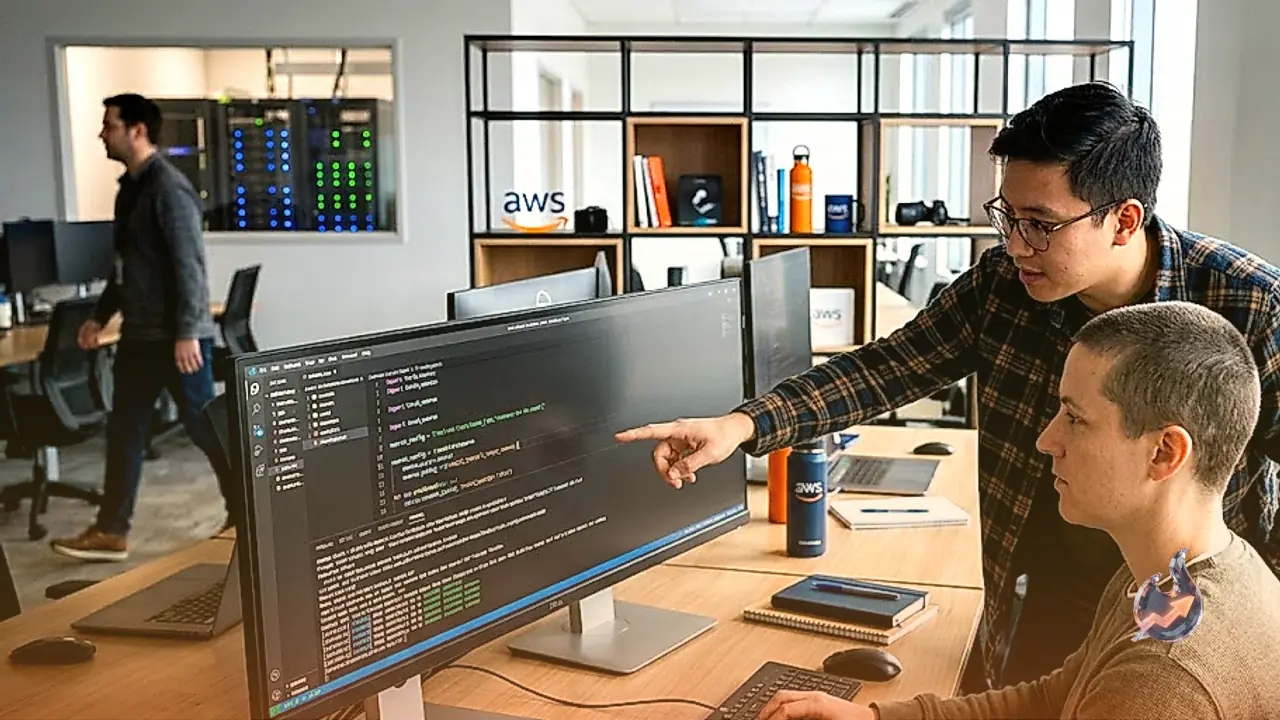

Amazon Web Services has taken a direct swing at the software dominance underpinning the artificial intelligence hardware market. On Monday, the cloud giant unveiled a developer product called TorchNeuron, designed to help machine learning startups migrate their workloads onto Amazon's proprietary AI accelerator, Trainium. The move targets the software moat that helped turn Nvidia into the default hardware backbone across the technology industry.
Targeting the PyTorch Developer Community
Modern machine learning workflows lean heavily on PyTorch, a widely adopted open-source framework used by engineers to construct, train, and deploy generative models. Originally created by Facebook, the project transitioned to the Linux Foundation in 2022 to maintain neutral community stewardship. According to Amazon, roughly 85% of all active AI applications are built on PyTorch foundations.
For over a decade, Nvidia invested heavily in its CUDA platform, creating an infrastructure layer that mapped directly and effortlessly onto PyTorch. Because of that historical alignment, running code on Nvidia hardware became the effortless standard for virtually every software developer. Amazon intends to counter that inertia with TorchNeuron. Because the new tool is adapted directly from PyTorch, programmers require zero retraining. Amazon claims engineering teams can switch their models from traditional processors to Trainium by editing a single configuration line, avoiding any costly code rewrites.
The Enterprise Cloud Counter to Specialized Neoclouds
Allowing alternate chips to interface with PyTorch is not completely unprecedented in the computing world. Developers running PyTorch can already route workloads through AMD accelerators or even Apple silicon through standard framework settings. However, Amazon argues that Trainium offers a completely different strategic advantage: native immersion in the wider AWS ecosystem.
In recent quarters, a group of specialized infrastructure startups known as neoclouds, including CoreWeave, Nebius, and Firmus, gained traction by leasing out dense clusters of Nvidia graphics processors. AWS contends that early-stage businesses face operational friction when relying purely on single-purpose compute sellers that lack surrounding enterprise cloud capabilities.
Addressing that architectural contrast, Colin Brace, vice president of technology software at AWS Annapurna Labs, pointed out that teams building on AWS avoid being trapped with a standalone compute supplier where everything else must be stitched together manually. He stated that AWS already provides the end-to-end framework necessary to progress from an early prototype straight into production, giving startup founders the flexibility to move rapidly and expand capacity whenever required.
Consolidating Training and Inference to Lower Total Cost
A key operational hurdle for AI ventures is the structural divergence between model training, which requires immense computational horsepower, and model inference, which serves live outputs to end users. Splitting workloads across different chip architectures often introduces technical complexity and inflates monthly cloud bills.
AWS maintains that Trainium solves this dilemma by operating as a unified platform capable of tackling both training cycles and inference calls. Even if baseline per-token rates are not the absolute lowest on the market, the company insists that end-to-end workload economics tilt in favor of AWS infrastructure. Explaining this balance, Brace noted: "Trainium's value is price-performance plus the fact that it's one platform for both training and inference, which improves the economics across a full workload."
To support that assessment, the company highlighted voice AI specialist Deepgram, a prominent rival to ElevenLabs. Deepgram shifted processing pipelines to Trainium through native PyTorch integration. According to an official technical case study, Deepgram saw a 70% increase in audio processed per dollar spent, while preserving full production accuracy throughout its transcription pipelines.
Working Upstream to Neutralize Hardware Exclusivity
Amazon's long-term plan extends beyond driving customers to Trainium instances. The company is also actively submitting architectural changes upstream into the core PyTorch codebase. By collaborating with open-source maintainers, Amazon aims to remove legacy bindings that automatically tie the framework to specific vendor silicon.
The objective is to establish an entirely hardware-agnostic platform for the broader machine learning community. If successful, engineers will enjoy seamless portability across diverse hardware architectures rather than remaining tethered to a single proprietary ecosystem. As Brace emphasized, the ultimate goal of the initiative centers on dismantling the software lock-in that historically prevented developers from exercising genuine hardware choice across the AI landscape.