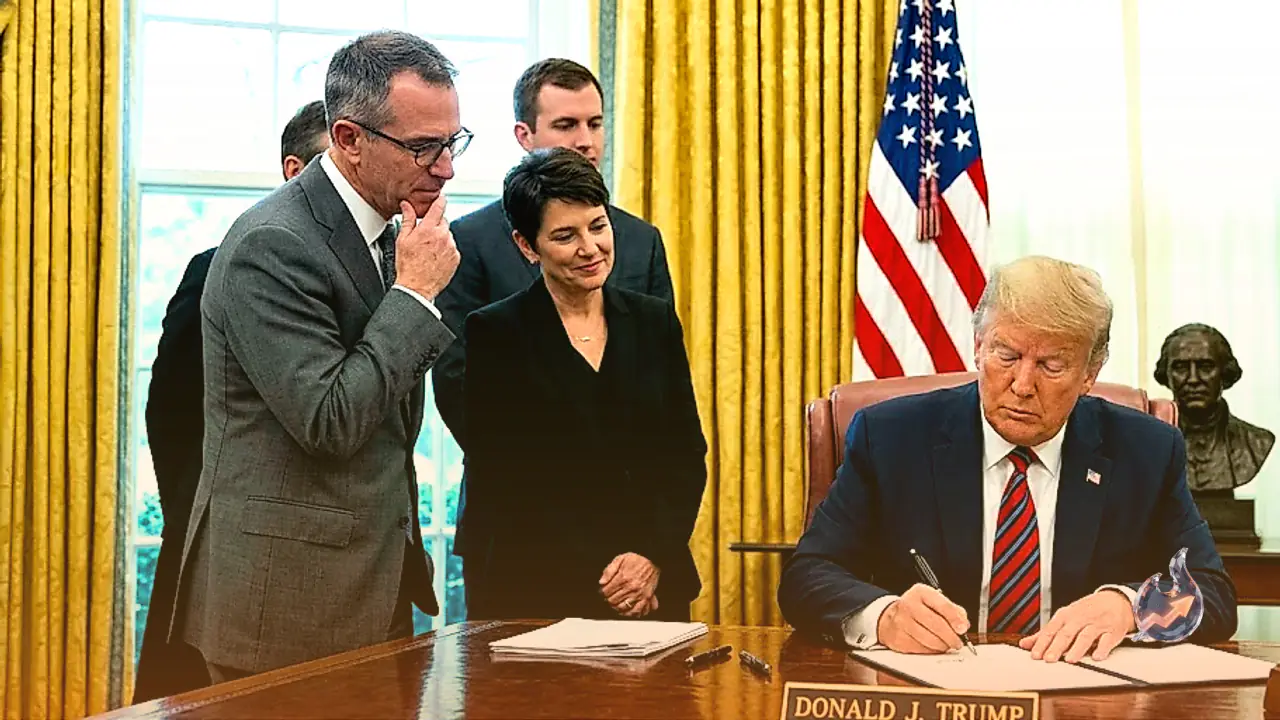




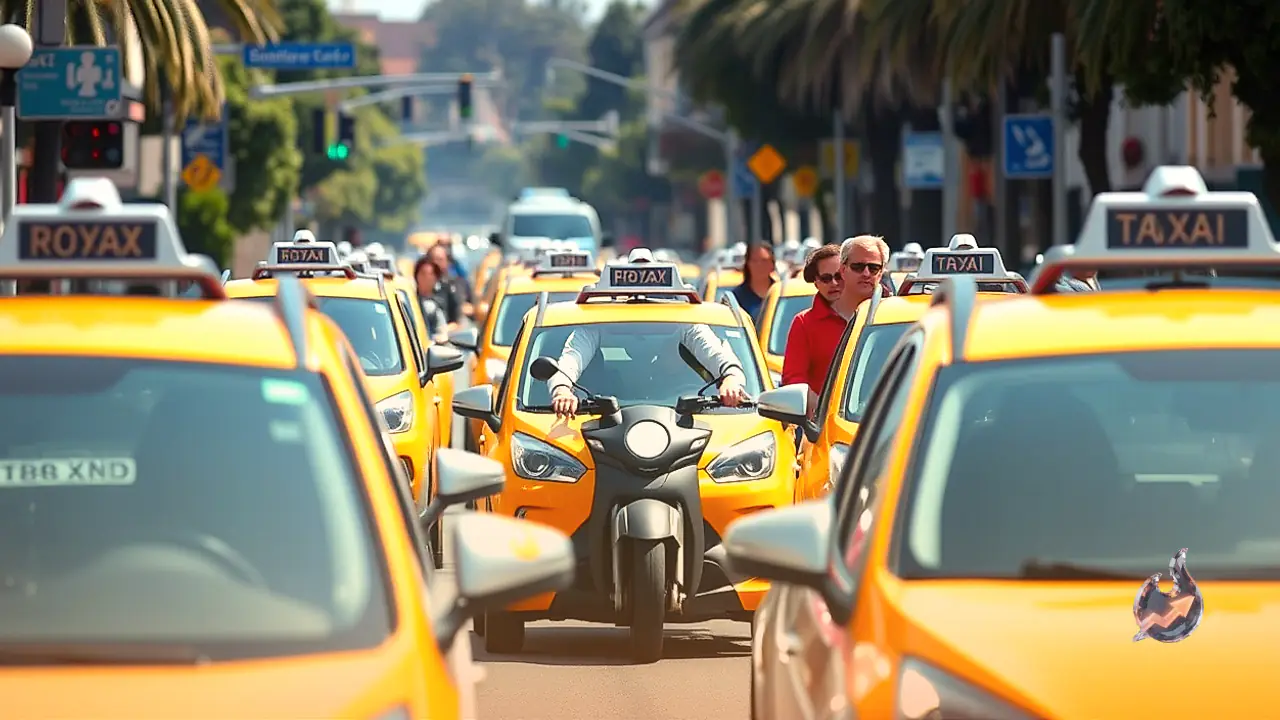

















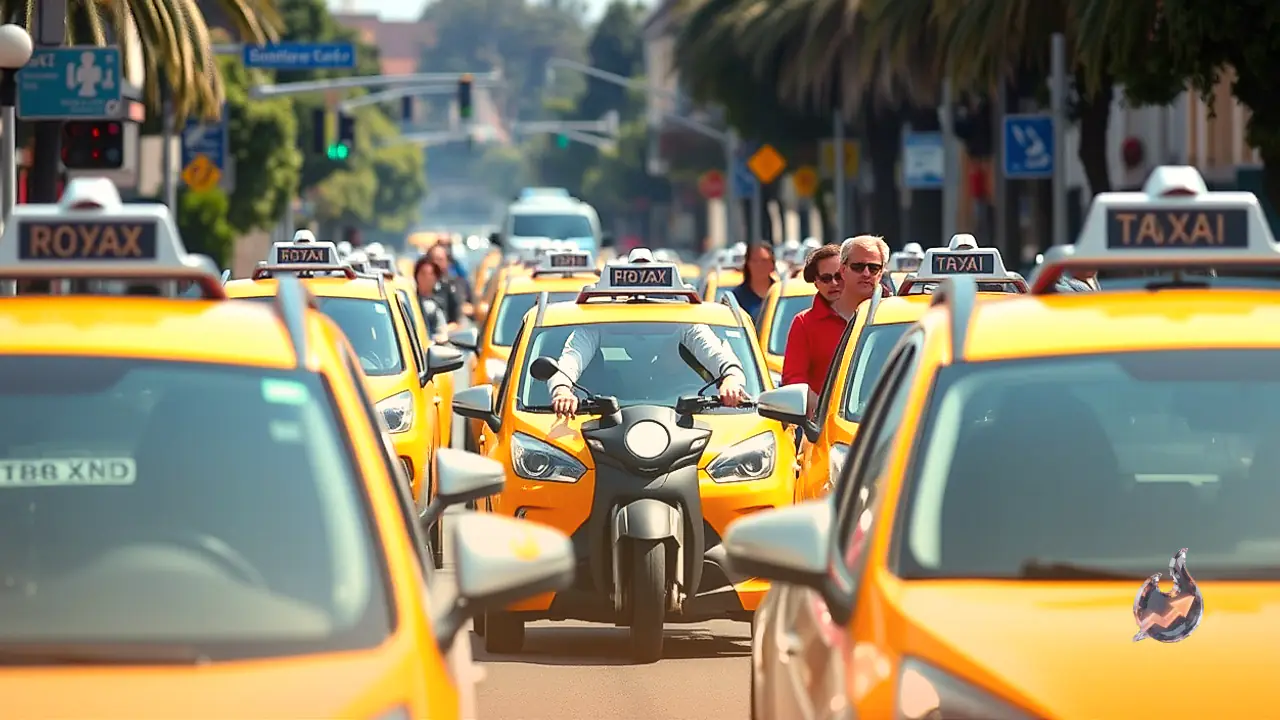

California has implemented a stringent regulatory framework aimed at managing the presence of autonomous vehicles on public streets. Governor Gavin Newsom signed Senate Bill 1246 into law, creating a set of comprehensive safety and operational mandates for AV operators. The legislation targets incidents where driverless vehicles break down, stop unexpectedly, or hinder the operations of police and emergency personnel, establishing formal mechanisms to ensure corporate accountability when vehicle disruptions take place.
Under the newly enacted provisions, companies developing and deploying autonomous vehicle technology, including Tesla, Waymo, and Zoox, must establish localized response capabilities. Whenever a robotaxi experiences a failure or impedes public roads, the operating company is required to supply local, on-the-ground support to emergency personnel. Furthermore, the statute introduces direct financial penalties if an autonomous vehicle obstructs police officers or firefighters for longer than 30 minutes.
Remote Operator Requirements and Local Incident Teams
Senate Bill 1246 also establishes precise personnel standards for remote vehicle operation. Autonomous vehicle companies are legally permitted to employ remote drivers only if those operators are located inside the United States and hold valid U.S. driver’s licenses. During widespread system breakdowns, vehicle manufacturers and operators must immediately inform municipalities, towns, and surrounding jurisdictions of the exact location and operational status of every impacted vehicle. The law additionally orders operators to station dedicated local incident technicians capable of responding directly to accidents and physical road obstructions caused by autonomous fleets.
The California Department of Motor Vehicles, functioning as the primary regulator of autonomous vehicles in the state, will establish the remaining technical and administrative standards before the law formally takes effect in July 2028. While questions remain regarding whether the regulations will completely stop robotaxis from blocking emergency crews, the framework is structured to limit traffic disruption and enforce clear legal accountability. The initiative also raises the question of whether other U.S. states will adopt similar oversight measures or wait for uniform federal standards.
Commercial Fleet Deals and Defense Tech Funding
Significant commercial momentum is emerging across electric truck manufacturing and specialized mobility technology. Electric vehicle startup Harbinger finalized a $300 million supply agreement with FedEx, committing to provide 2,000 electric commercial trucks. Israeli travel technology platform HyperGuest secured $25 million in funding from AMI, the private equity investment arm of Apax Partners.
Electric seaglider manufacturer REGENT Craft broadened its defense partnership with the U.S. Marine Corps Warfighting Lab, bringing the aggregate contract value to $19.25 million. Quartermaster, a maritime intelligence company operating out of Arlington, Virginia, completed a $140 million Series B funding round. The round included approximately $100 million in equity capital supplied by Insight Partners, Overmatch Ventures, and First Round Capital, alongside a $40 million debt facility provided by investment bank Stifel. French fleet management software provider Voltaback raised €2.8 million from European investment entity Serena.
Long-Haul Autonomous Freight and Consumer Fleet Developments
Commercial freight automation is moving toward large-scale highway deployment. Aurora confirmed plans to operate 30,000 driverless trucks on public roads by the close of 2030, with Chief Financial Officer David Maday expressing confidence in the operational roadmap. In consumer automotive manufacturing, BMW revealed its 2027 3 Series lineup, deploying identical vehicle designs across internal combustion and electric powertrains, with the electric model priced $4,400 lower than its gasoline-powered counterpart.
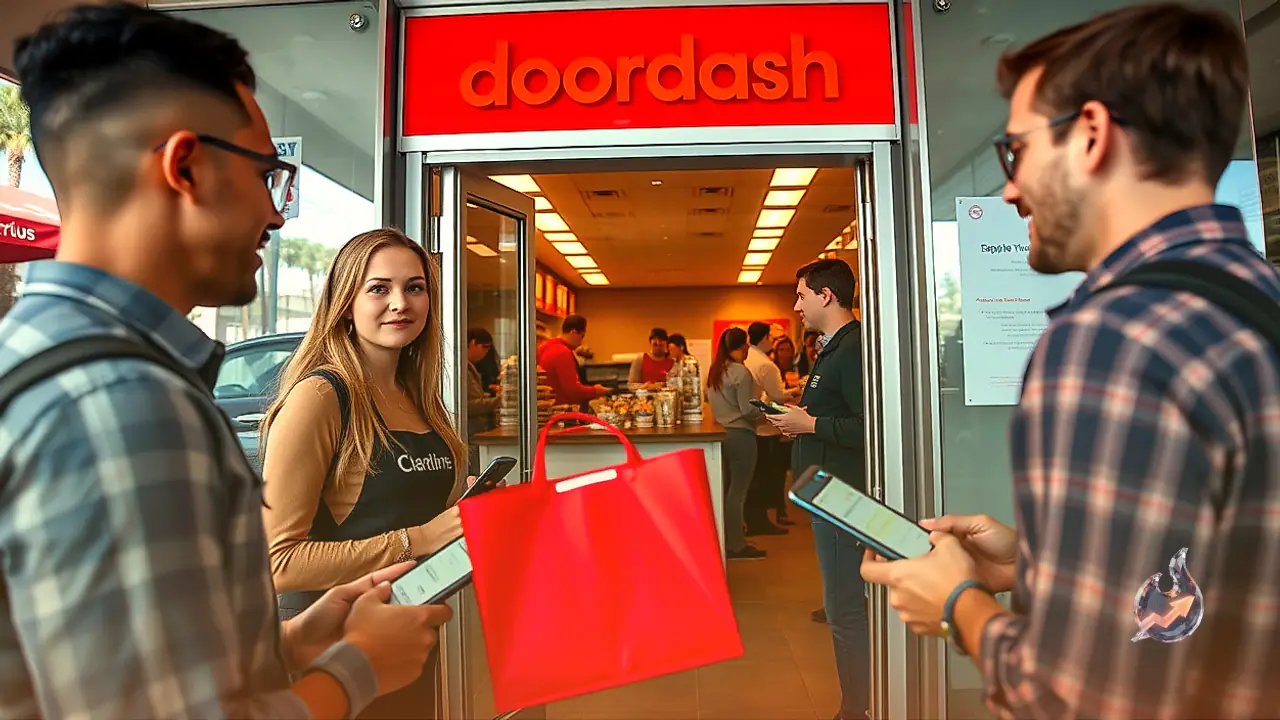
DoorDash detailed the structural architecture behind its DoorDash Air drone delivery business, emphasizing autonomous aerial drones paired with proprietary ground infrastructure. Freight automation firm Kodiak announced a commercial partnership with Ikea, under which it will initiate driverless freight operations on public corridors later this year. Those autonomous trucks will move Ikea freight without human operators inside the vehicle cabin across a 219-mile stretch of Interstate 45 connecting Houston and Dallas.
Labor Law Litigation, Data Privacy Findings, and Space Milestones
Rideshare platform Lyft settled a major driver classification lawsuit by agreeing to pay $272.5 million. The lawsuit claimed the company violated California labor statutes by designating drivers as independent contractors rather than payroll employees prior to the passage of Proposition 22, the state ballot measure allowing ride-hailing services to classify workers as independent contractors.
Automotive data security faced scrutiny following an investigation by Northeastern University, which evaluated 21 modern vehicles across 17 manufacturers and 30 paired mobile applications. The analysis revealed that connected vehicles collect comprehensive user data and transmit information to major technology corporations, including Adobe, Contentsquare, Google, Microsoft, Meta, Snap, and Yahoo. In aerospace, SpaceX marked a technical milestone as its Starship vehicle achieved Earth orbit for the first time, navigating significant technical hurdles during the flight profile.
Production Scale, Product Recalls, and Capital Injections
Electric vehicle manufacturer Rivian reported a record sales quarter driven by customer deliveries of its R2 SUV, reiterating its annual production projection of 65,000 to 70,000 vehicles. Alongside its delivery momentum, Rivian initiated a safety recall on the R2 SUV due to inadequately torqued fasteners on the vehicle’s high-voltage battery assembly, a defect that could trigger a sudden loss of drive power.
Tesla delivered over 480,000 electric vehicles during the third quarter, securing its second consecutive period of strong quarterly delivery volume following slower production early in the year. The automaker postponed its planned Roadster 2 event citing adverse weather conditions. As Chief Executive Officer Elon Musk works to position Tesla primarily around artificial intelligence and robotics rather than traditional automotive production, the execution timeline of his broader autonomy vision remains under review. To support development across programs like the Optimus humanoid robot and the Cybercab autonomous taxi, Tesla established $30 billion in new credit facilities.
Industry leaders are scheduled to address these ongoing transportation and robotics developments at upcoming industry forums, including an appearance by Rivian CEO RJ Scaringe on October 13, alongside panel discussions featuring GM robotics strategy director Mikell Taylor, Shield AI CTO Nathan Michael, Waabi founder and CEO Raquel Urtasun, Also CEO Chris Yu, General Catalyst managing director Yuri Sagalov, Baillie Gifford investment manager Shan Shan, and engineering leaders from Cerebras, Nvidia, OpenAI, and Replit.