





















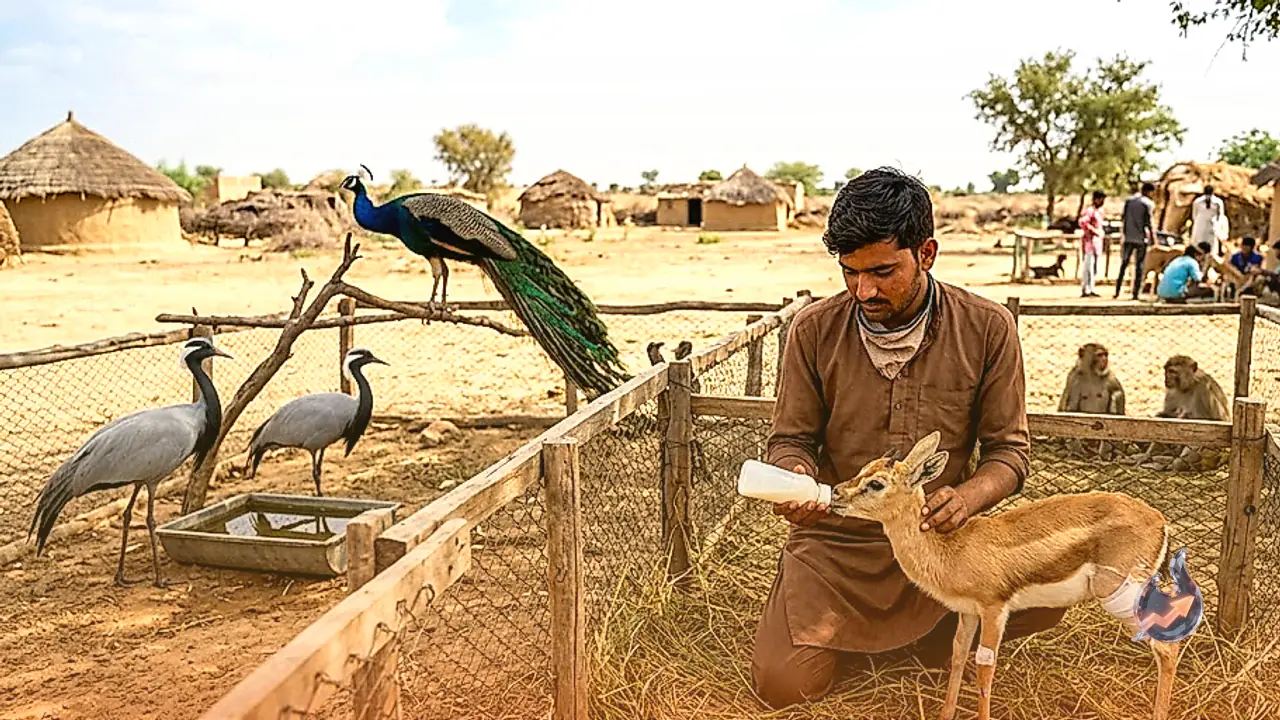

In the Katarla village of Barmer district, Rajasthan, a community initiative born during the height of the COVID-19 pandemic has grown into a major refuge for distressed desert wildlife. What started as an emergency effort by local youths to save helpless animals has now expanded into the Amrita Devi Wildlife Rescue Centre, providing medical treatment and sanctuary to over 1,000 animals and birds.
Villagers Step In After Lack of Official Support
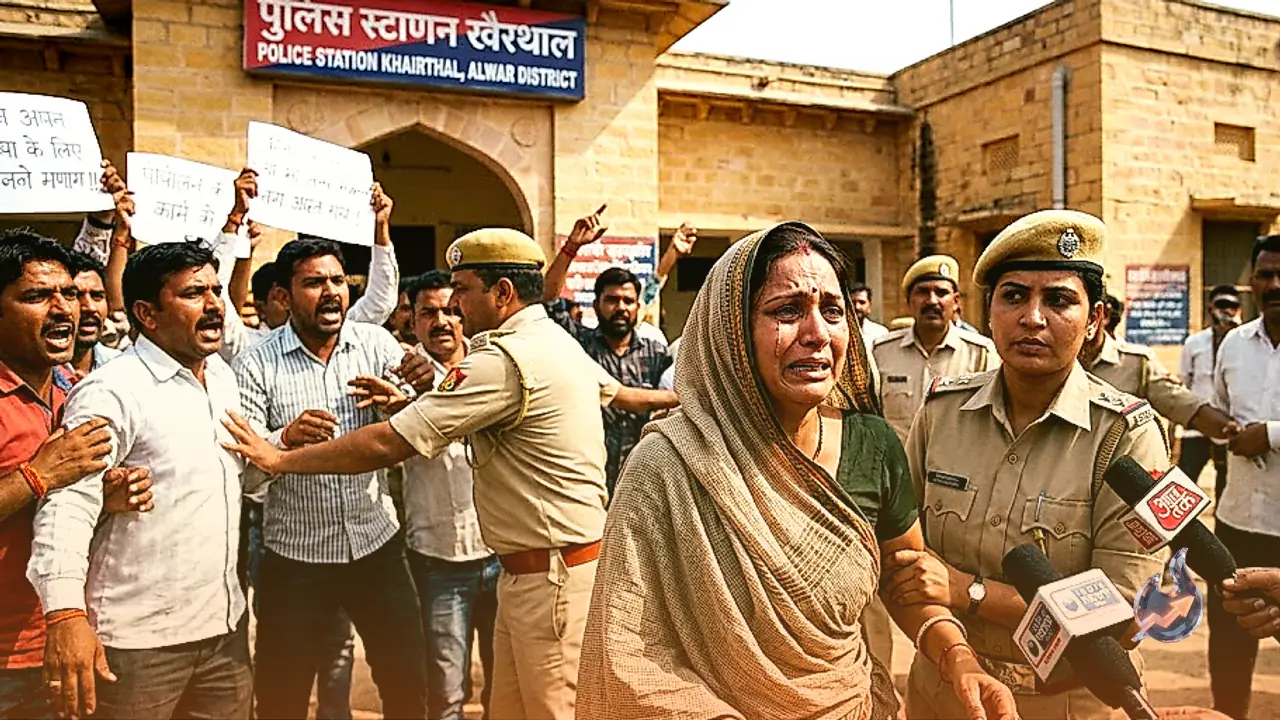
The sanctuary was formed during the coronavirus pandemic, when local youths noticed that numerous injured and sick animals were dying in the region due to a total lack of timely veterinary care. The turning point came following a deer poaching incident in Katarla village. Shocked by the event, residents appealed to the police and local administration to intervene and establish a formal rescue facility to protect local fauna.
When official help failed to materialize, the community decided to take matters into their own hands. Katarla resident Sagram Khileri donated one bigha of land along the roadside to house the facility. The community then formally established the Amrita Devi Wildlife Conservation Institute. According to Jagdish Bhadu, president of the institute, the lack of government assistance drove villagers to unite and build the organization themselves. Today, the facility operates continuously through the active cooperation of 29 local residents and financial contributions from regional donors and philanthropists.
A Safe Haven for Over 1,000 Desert Creatures
Situated just 8 kilometers from the Dhorimanna sub-divisional headquarters, the rescue center now serves as a critical sanctuary in the arid desert region. The center currently shelters more than 1,000 animals and birds. Its current resident population includes approximately 125 deer, 400 pigeons, 15 rabbits, 1 duck, 2 swans, alongside several turtles, peacocks, and various other local species. Whenever an animal is reported injured or stranded anywhere in the surrounding areas, local volunteers respond to rescue and transport it to the shelter.
Medical Treatment, Wild Release, and Permanent Care
According to Ramjeevan, a long-serving caretaker at the shelter, most animals brought to the center have suffered injuries from vehicular accidents on nearby roads, attacks by wild predators, or poaching attempts. Upon arrival, the animals receive dedicated medical care and nursing. Once they recover fully and regain their strength, healthy animals are released back into their natural habitats.
However, animals that suffer permanent physical disabilities or severe injuries that leave them incapable of surviving independently in the wild are given permanent shelter. For these creatures, the rescue center serves as a lifelong home where they receive continuous care, food, and protection.