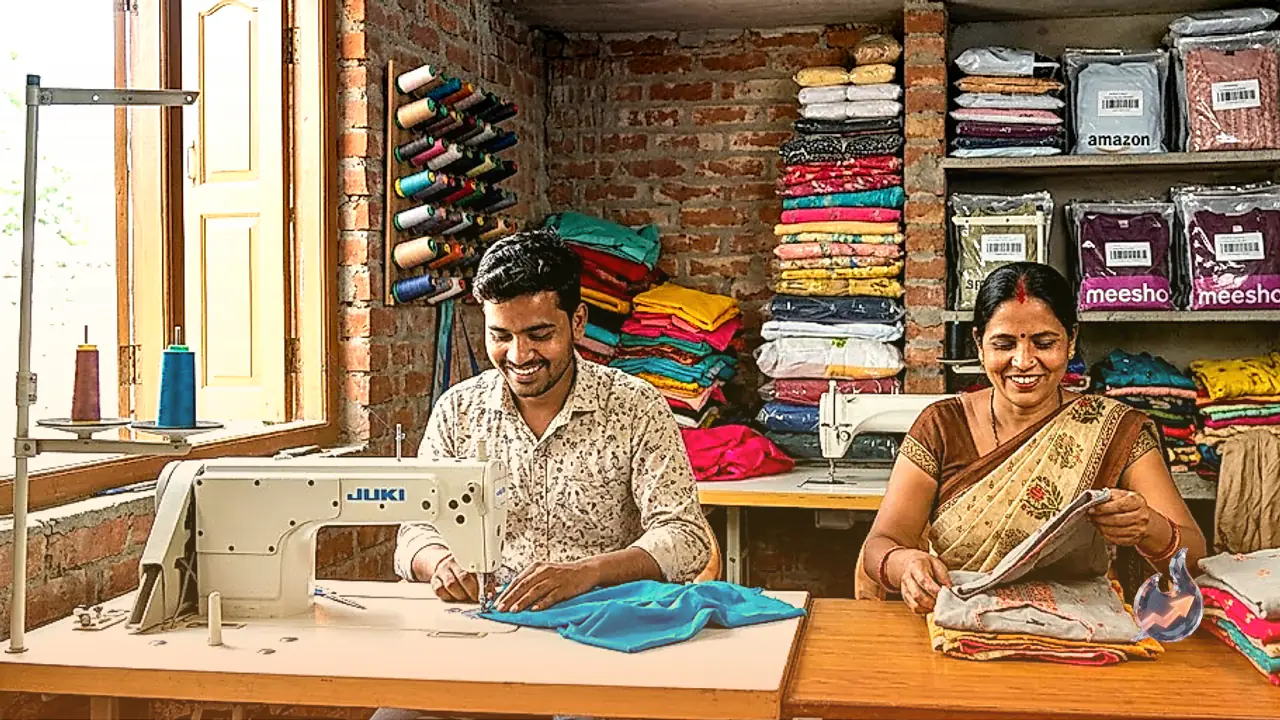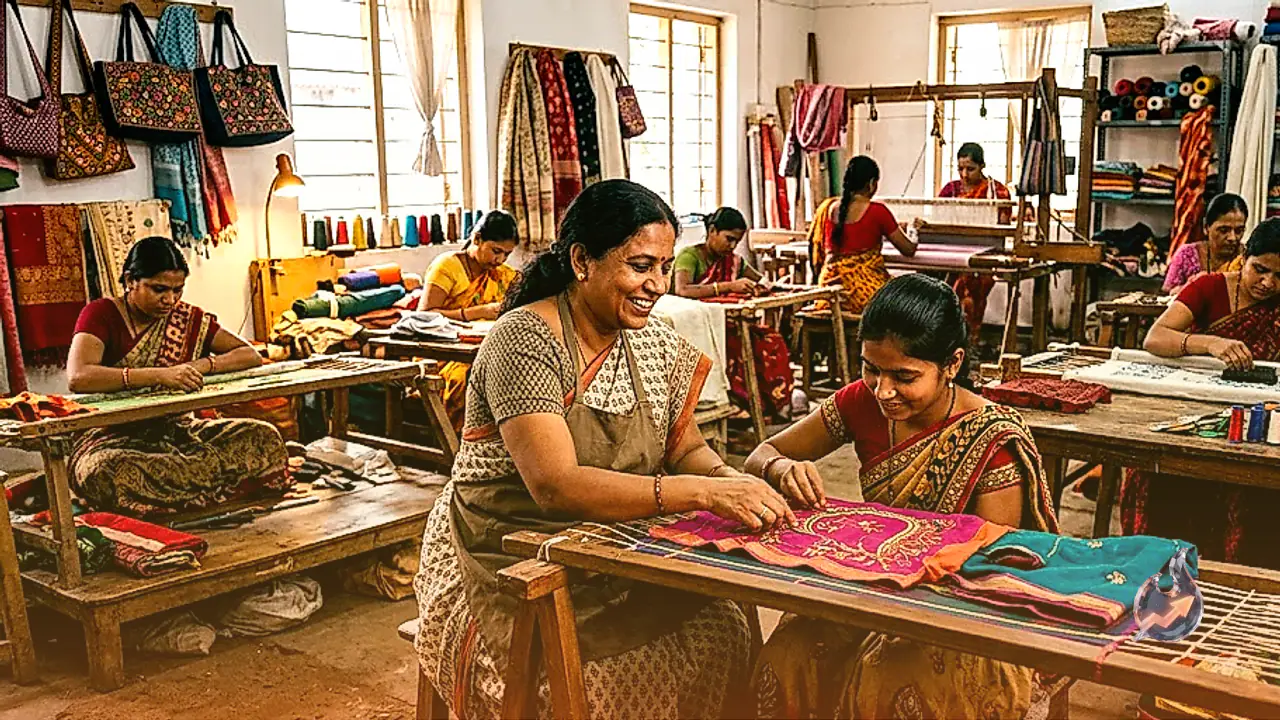























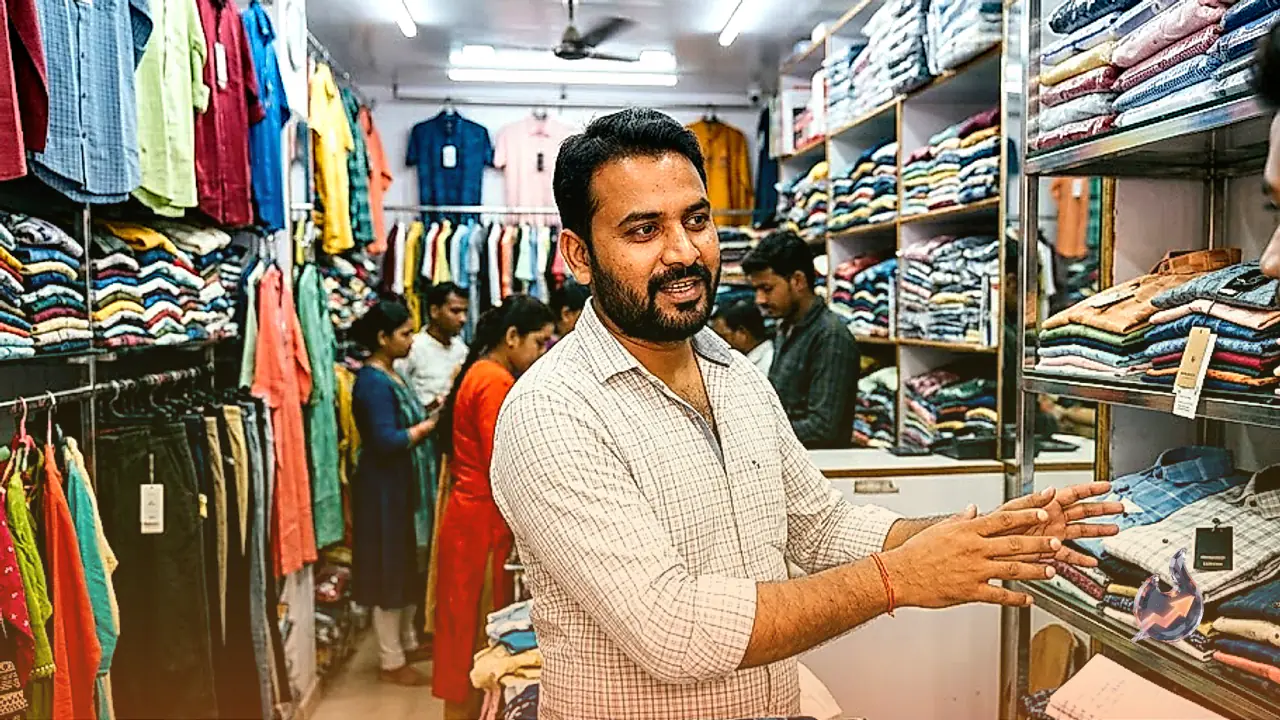

Venturing into business is one of the most popular paths to financial independence, yet capital loss often occurs when people invest without structured planning. For entrepreneurs seeking a high-demand sector with controlled risk, entering the retail apparel market, particularly readymade clothing, offers strong income prospects. Chandan Kumar, who runs a garment business in the Jamui district, started his commercial journey on a very small scale. Today, he operates multiple outlets within Khaira Bazar, with his venture generating an annual turnover of more than 1 crore rupees.
Starting Small With Low Capital and Compact Retail Space
A widespread assumption among prospective shop owners is that retail apparel requires overwhelming initial investment. Chandan Kumar points out that entering this trade does not demand huge funding right away. A modest capital outlay of 2 lakh to 3 lakh rupees is enough to get a compact outlet running. For space requirements, an area measuring 10 by 10 feet or 10 by 20 feet is entirely sufficient during the initial phase. A comprehensive budget of around 2.5 lakh to 3 lakh rupees easily covers preliminary store setup and initial inventory. Once footfall consolidates and cash flow stabilizes, reinvesting revenues helps scale the outlet organically.
The Advantage of Focusing on a Single Apparel Category
New retailers frequently stumble by trying to become an all-in-one store from day one. In readymade retail, options span across distinct segments, including dedicated stores for children, women, and men, alongside separate demands for unstitched fabric rolls that require tailoring. Chandan Kumar observes that stocking everything under one roof quickly exhausts limited working capital, leaving inventory depleted across all sections.
Instead of stretching finances thin, a new owner should concentrate purely on one defined segment. For instance, launching an outlet dedicated solely to kids wear allows the shopkeeper to offer deep variety within that specific category on a modest budget. Targeting a single specialized demographic keeps operational overhead manageable and prevents inventory deadweight.
Assessing Local Purchasing Power and Market Demand
Carefully analyzing the targeted locality is a mandatory prerequisite before setting up shop. Every market functions at a specific price tier and consumer pattern. In a commercial center where shoppers prefer high-end garments, opening a budget-tier shop rarely yields good returns. Conversely, in markets dominated by budget-conscious shoppers with minimal demand for expensive branded lines, local non-branded apparel generates much higher turnover. Chandan Kumar recommends spending time observing active retail shops in the chosen market to map out consumer behavior, price points, and sales patterns before securing a retail space.
Sourcing Inventory Directly From Major Wholesale Hubs
Direct wholesale sourcing is essential for securing healthy retail profit margins. Chandan Kumar explains that new shop owners can source their readymade collections directly from primary wholesale hubs located in Kolkata and Delhi. Procuring goods from these established commercial centers lowers unit costs and maximizes profitability at retail counters. As customer trust grows and repeat sales build up, the venture can systematically expand its floor space and product lines.