


















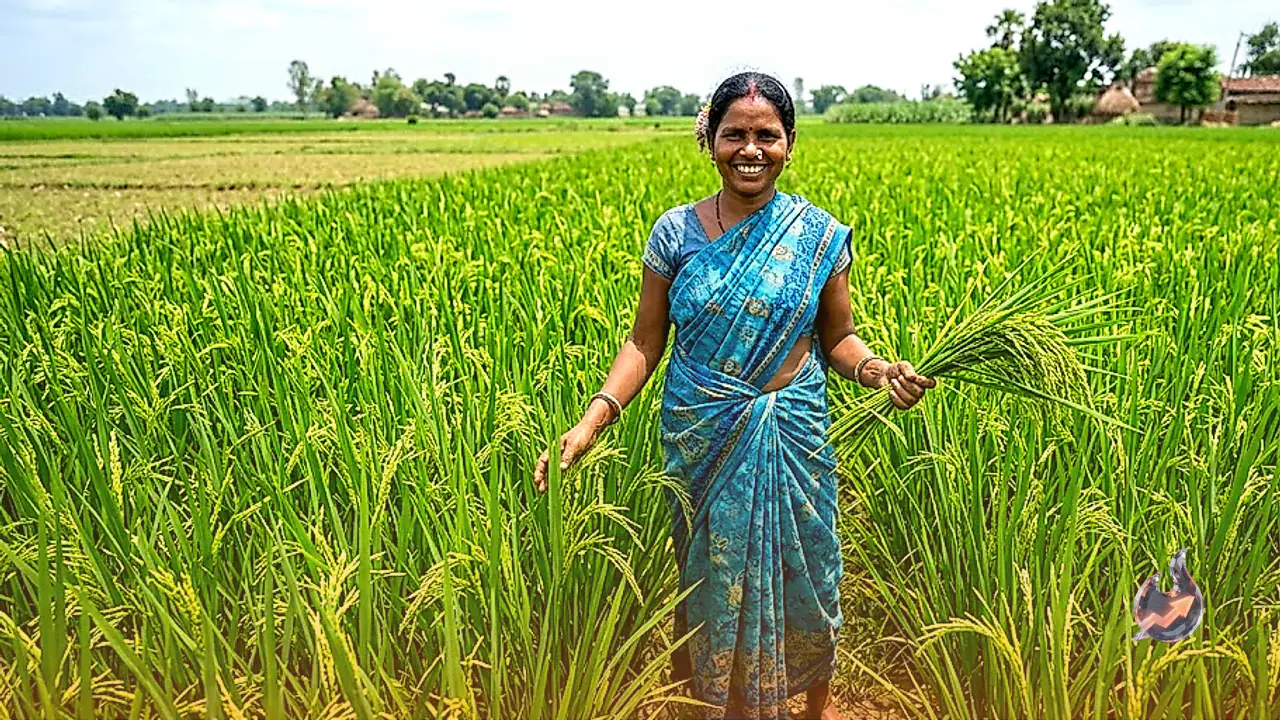

A rural village in the Bahraich district of Uttar Pradesh is demonstrating how sustainable agricultural practices can transform traditional farming economics. Lalpari, who serves the local community as a Krishi Sakhi, has produced a flourishing paddy crop on her land without relying on synthetic fertilizers or chemical pesticides. Her successful harvest proves that adopting organic methodologies can significantly trim operational expenses while delivering resilient and wholesome crops.
Testing Techniques on Her Own Farmland
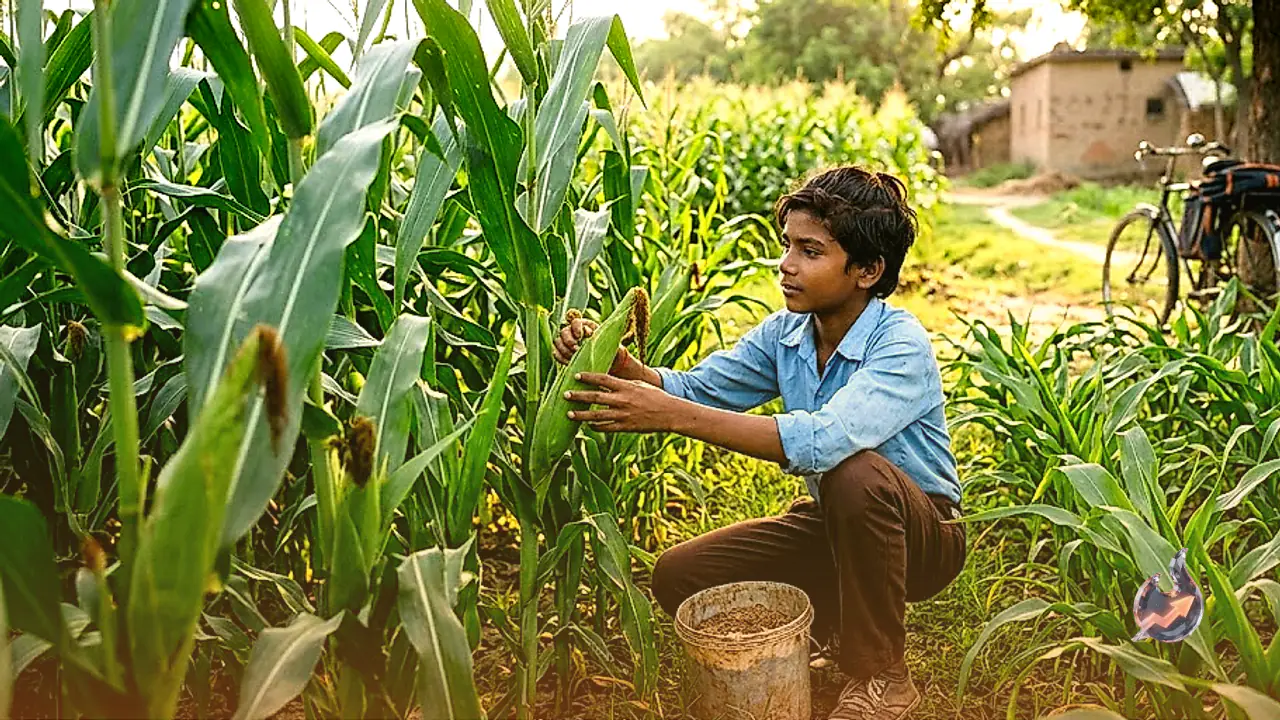
Rather than merely offering theoretical advice to fellow growers, Lalpari believes in leading by example. Before conducting workshops and training sessions for others, she first tests every natural protocol on her own property. Today, healthy green paddy spreads across more than 1 acre of her land. The individual plants show remarkable vitality, each producing between 20 and 25 tillers, which points toward a plentiful yield.
Step-by-Step Application of Ghanjeevamrit and Brahmastra
Lalpari outlined the systematic routine behind her chemical-free paddy field. Prior to transplanting the saplings, she enriched the soil by applying Ghanjeevamrit, after which the field was plowed and planting commenced. Exactly 10 days after transplantation, Jeevamrit was introduced both through irrigation water channels and via foliar sprayers across the plot. To shield the foliage from infestations and seasonal diseases, she skipped synthetic chemicals entirely, relying instead on Brahmastra, a homemade botanical pesticide. Furthermore, saplings were planted in uniform rows at measured intervals to ensure adequate ventilation, sunlight, and balanced nutrient absorption.
Drastic Reduction in Operational Farm Expenditure
The financial contrast between chemical-heavy methods and natural farming is substantial. Under conventional farming practices, an average grower spends anywhere between 8,000 and 10,000 rupees per acre strictly on synthetic fertilizers and commercial sprays. In contrast, Lalpari managed to bring her total seasonal outlay down to just 2,000 to 3,000 rupees. Because that minimal expense covered only essential land preparation and manual labor wages, her method practically represents a zero-budget agricultural model.
Safeguarding Soil Vitality and Public Health
According to Lalpari, agricultural chemicals introduce severe health vulnerabilities for consumers. She emphasizes that farming makes little sense if the food grown degrades the well-being of the people consuming it. By replacing chemical inputs with organic formulations, farmers can sustain soil fertility across multiple seasons while safeguarding dietary health. Her successful demonstration now serves as a practical guide for regional farmers burdened by rising retail prices of agricultural chemicals who wish to transition to eco-friendly farming.