



















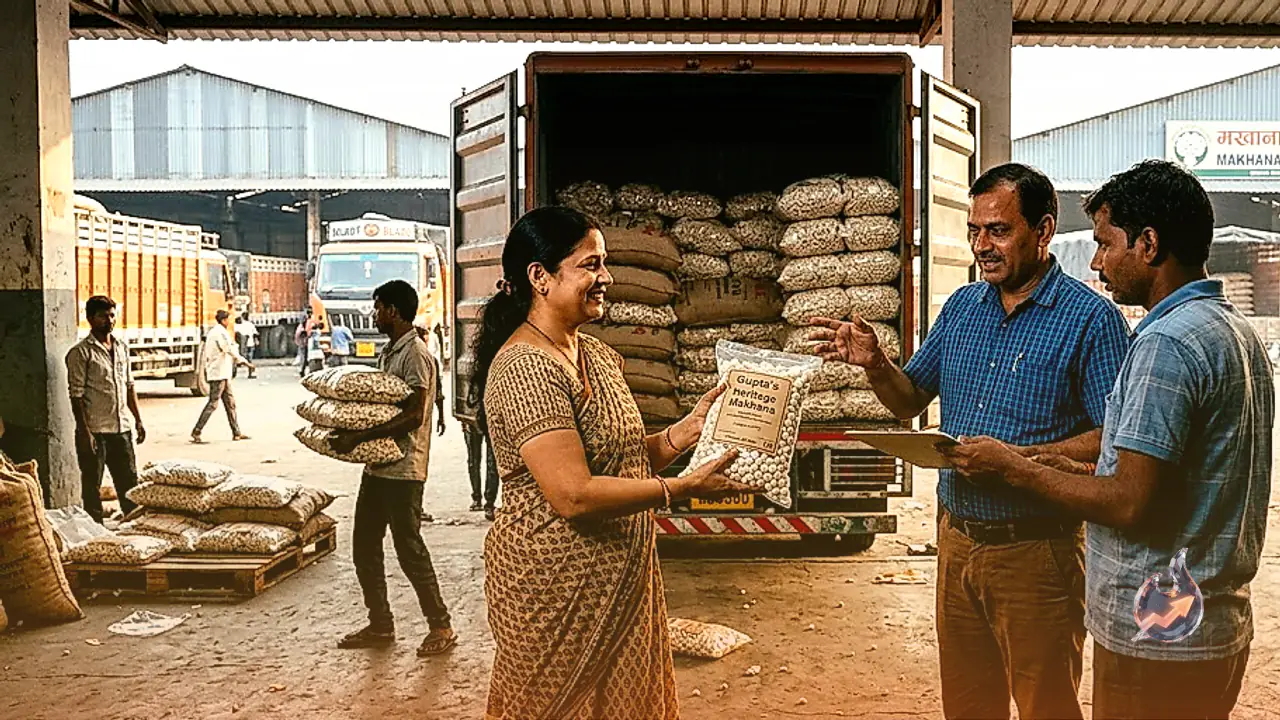

Mithilanchal in Bihar has long enjoyed national prominence for its fox nut production, sustaining generations of families who have preserved the intricate craft of harvesting and processing this aquatic crop. Among those carrying this legacy forward are Sunita Gupta and her husband Deepak Prasad Gupta, residents of Kishori Lal Chowk in Madhubani. Their family has been engaged in the fox nut trade for more than 100 years. While the commercial footprint of their ancestors was largely restricted to local mandis within Mithilanchal, the couple has completely modernized the distribution side of the enterprise, supplying finished produce to markets across various parts of the country.
Strategic Procurement of Raw Seeds Across Regional Belts
The operational rhythm of the fox nut trade demands intense seasonal procurement during select months of the year. Raw, unprocessed fox nut seeds, locally termed gauriya, must be purchased in bulk as harvests arrive. To secure sufficient inventory, the couple procures seeds not only from local ponds spread across Madhubani, but also sources extensively from nearby producing hubs such as Purnia. Once brought to the traditional processing yard, known locally as a gaddi, the raw seeds undergo manual refining. The finished, popped fox nuts are subsequently stockpiled in secure godowns, enabling consistent wholesale and retail trade throughout the calendar year regardless of harvesting off-seasons.
Capital Requirements and State Financial Backing
Managing this extensive annual cycle requires substantial front-loaded capital, as Sunita Gupta explains. Procuring raw gauriya in bulk and holding processed inventory requires deploying capital running into crores of rupees. Financial returns are realized gradually as orders materialize over the subsequent twelve months. To manage this intensive working capital requirement, the couple actively leverages credit facilities and financial assistance provided under various government schemes targeted at the fox nut sector. Given that this enterprise spans multiple generations within their family, they possess granular familiarity with seasonal price shifts and processing intricacies, which has helped them build direct relationships with wholesale traders and retail consumers well outside Bihar.
Preserving Manual Craftsmanship Over Mechanized Processing
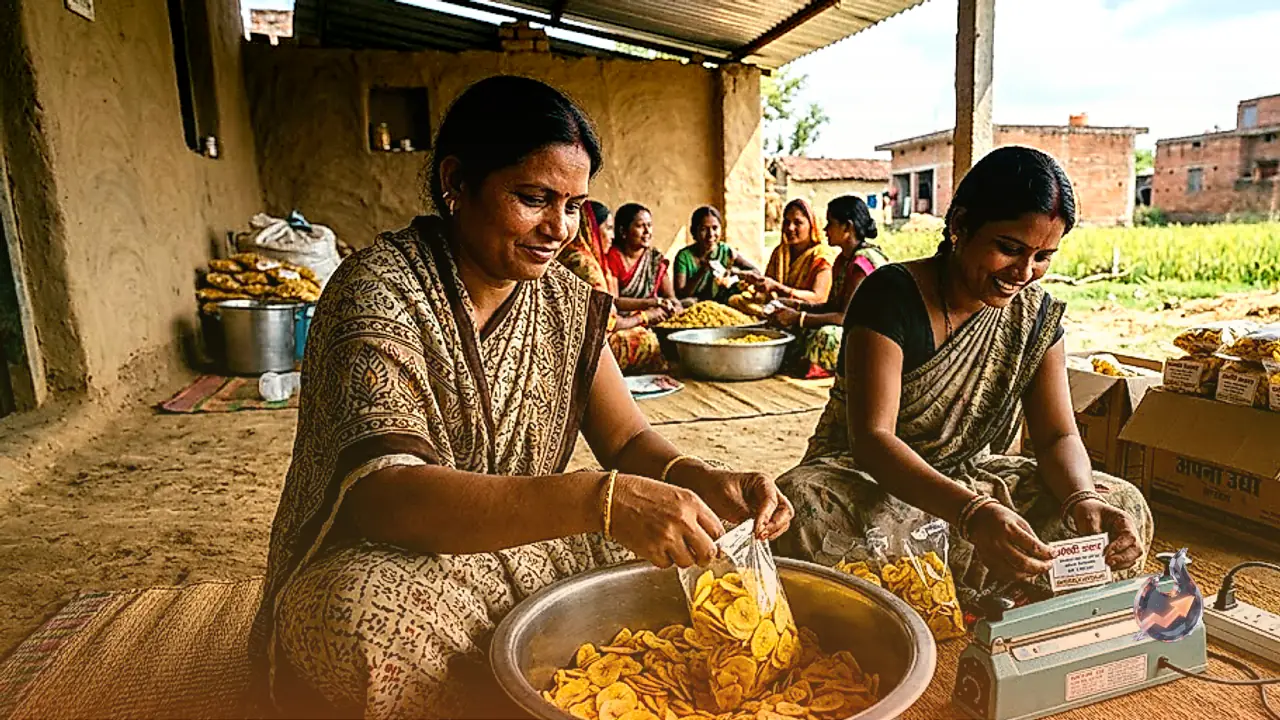
Despite the growing availability of industrial machinery in food processing, the couple deliberately adheres to time-tested manual methods. Popping the heated fox nut shells to extract the white puff is performed entirely by hand on the gaddi rather than through automated machines. This demanding technique requires experienced artisanal labor; members of seven families work from morning until evening over a duration of 5 to 6 months to process the crop. Once popped and graded, the fox nuts are packed into sturdy sacks and stored in warehouses. Consignments are then custom-packaged and dispatched in wholesale and retail batches in response to orders originating across the country.
Transforming a Heritage Workshop into a Sustainable Distribution Enterprise
Sunita and Deepak Gupta have evolved a legacy trade into an expansive commercial model without compromising the core artisanal method that defines high-grade fox nuts. By establishing a robust sourcing network across Madhubani and Purnia, maintaining adequate inventory reserves for year-round delivery, and managing working capital through formal banking channels, they have given their century-old ancestral occupation a durable national reach.