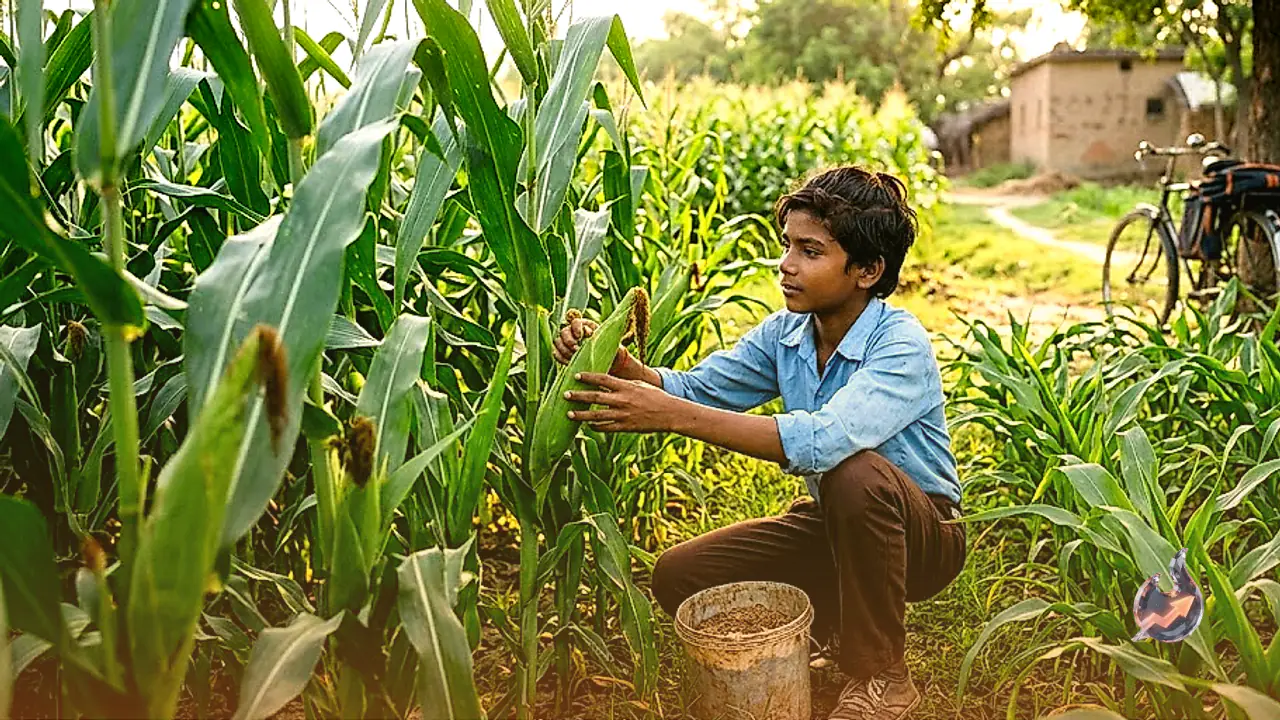






















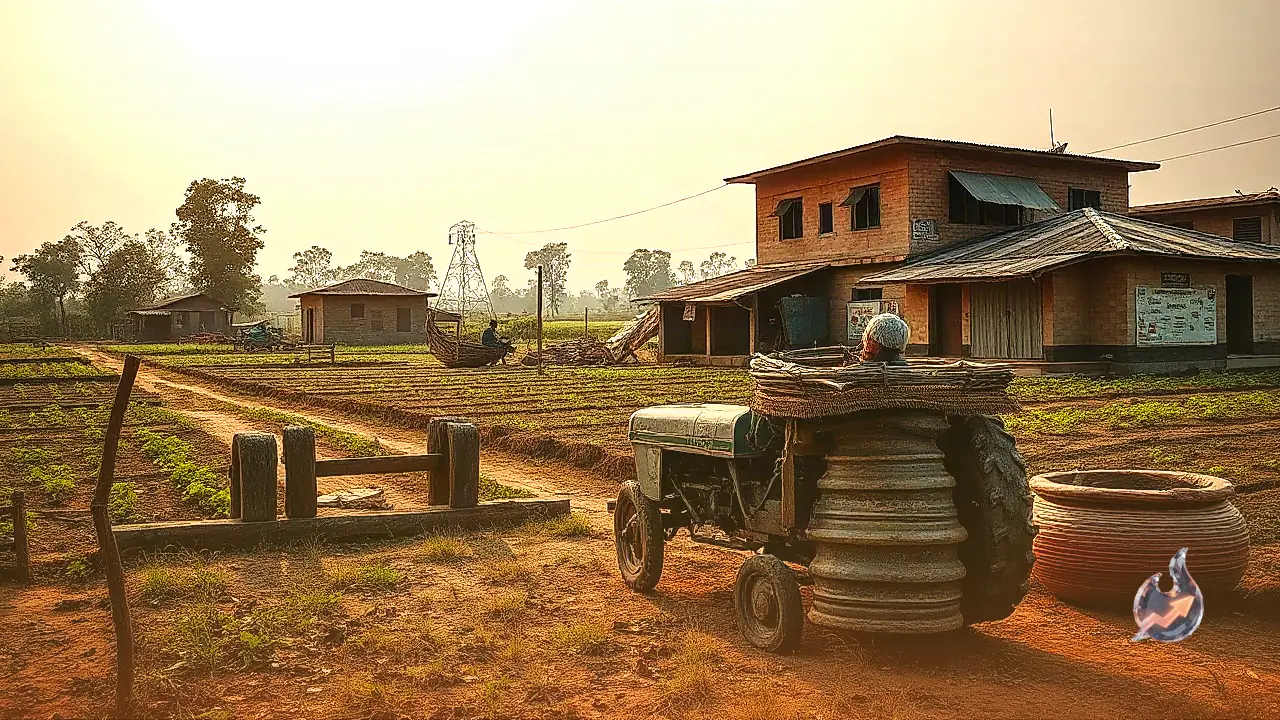

Chitrakoot district, located in the Bundelkhand region, has historically been categorized as an agriculturally backward area primarily due to severe water scarcity and lack of proper irrigation facilities. Engaging in traditional farming on this rugged and challenging terrain is often considered an uphill task for local farmers. However, breaking all these conventional barriers, Nathuram, a resident of Baihar village, has established a remarkable benchmark. By completely shunning chemical-based farming, he transitioned to natural agriculture on his 18 bighas of land, where he now cultivates a wide array of seasonal crops alongside a flourishing lemon orchard.
A New Chapter of Life Post-Retirement
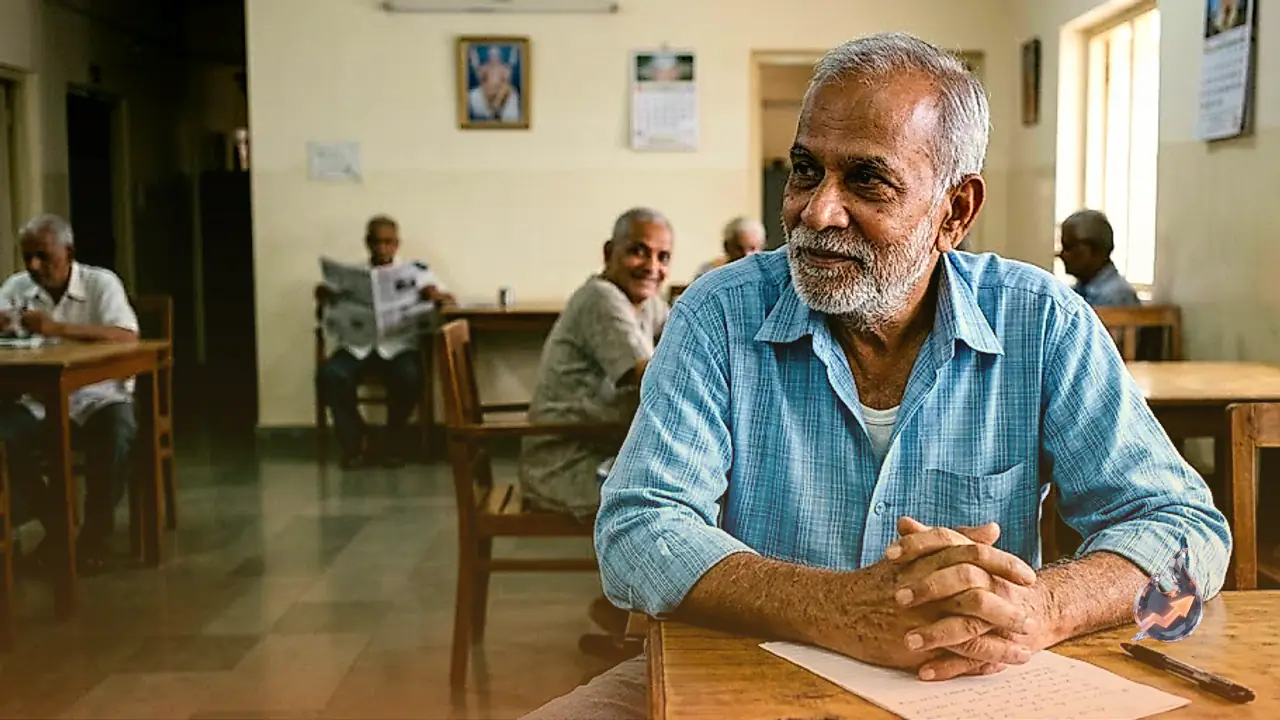
Before stepping into the world of agriculture, Nathuram dedicated his professional career as a government school teacher. Following his retirement from service, instead of leading a quiet post-retirement life, he decided to utilize his time by reconnecting with the soil and adopted farming as his primary occupation. In the year 2022, he systematically embarked on his organic farming journey across his 18 bighas of ancestral land. Currently, his farm is home to more than 150 thriving lemon trees. Interestingly, he purchased these lemon saplings at an incredibly economical rate of just Rs 5 per plant. Along with these fruit trees, he has integrated several other compatible crops to maximize land utilization.
The Turning Point: Three Days of Training
Nathuram attributes his inspiration to shift towards natural farming to a structured educational program. He participated in a three-day training seminar organized at the Government Agriculture School located in Chirgaon, Jhansi. During this intensive workshop, agricultural experts trained participants in preparing homemade bio-fertilizers, deploying natural crop nutrition methods, and executing sustainable farming techniques. Empowered by this practical knowledge, Nathuram returned to his village and decided to gradually phase out chemical fertilizers and toxic pesticides from his agricultural practices.
Formulating Homemade Jeevamrit on the Farm
To nurture his crops, Nathuram does not rely on commercial fertilizers. Instead, he formulates his own natural bio-fertilizers directly on his farm premises. By utilizing organic ingredients such as cow dung, jaggery, and other natural elements, he prepares a nutrient-rich liquid formulation known as 'Jeevamrit'. He regularly applies this organic booster to his crops and fruit plants. He points out that while organic farming demands higher physical effort and patience in the initial stages, it progressively rejuvenates the soil structure, enhances microbial activity, and eventually increases the overall crop yield.
Crop Diversification and Financial Sustainability
Nathuram’s farming strategy revolves around maintaining a high degree of crop diversity throughout the year. Rather than relying on monoculture, he rotates his crops according to the seasons. In the Rabi season, he successfully harvests wheat, mustard, and chickpeas. During the Kharif season, his fields are dedicated to the cultivation of maize, sorghum, millet, pigeon pea, and sesame. Additionally, his multi-tier orchard includes mangoes, sweet limes, and apples alongside the lemon trees. This robust combination of seasonal grains and diverse horticulture yields him a steady annual income of approximately Rs 4 lakh.
Empowering the Community with Chemical-Free Food
Nathuram highlights that organically grown agricultural produce enjoys consistent premium demand in the local markets as health-conscious consumers are willing to pay better prices for chemical-free food. Leveraging his personal success, Nathuram now actively trains and guides other farmers in his vicinity, encouraging them to adopt sustainable methods. He firmly believes that eating chemical-free food protects the human body from various modern illnesses, making the expansion of organic farming a social necessity.