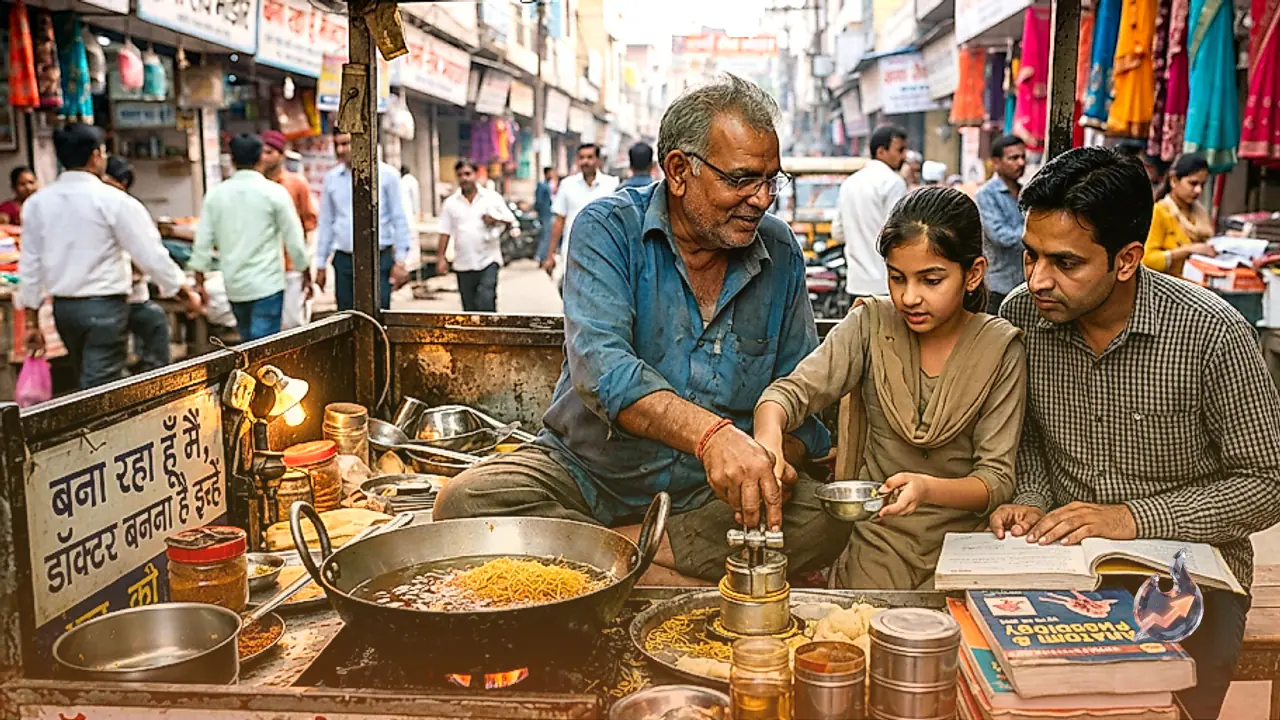

When Kshitij Anand visited his ancestral home in Bihar during the Diwali holidays, childhood memories sparked an inspiring vision for community transformation. Looking at the disused premises of what was once his family's thread unit, he decided to convert the site into a skill and employment hub for local women. However, reviving a long-dormant cottage business often presents hurdles regarding initial capital and understanding institutional support. Fortunately, several central and state government schemes are specifically structured to help citizens restore ancestral micro-enterprises and generate rural employment.
A Heritage Revived: From Thread Winding to Rural Empowerment
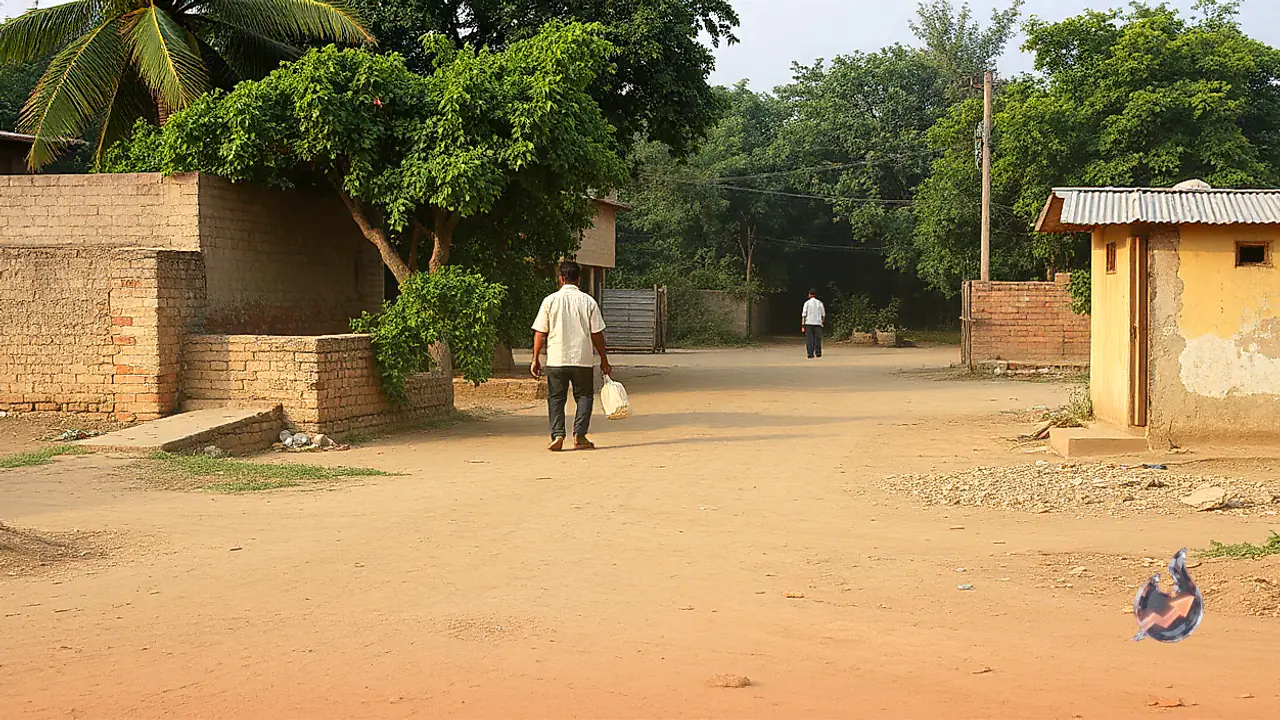
Kshitij Anand spent his early childhood in his ancestral village in Bihar under the care of his grandparents while his parents pursued medical studies. In 1987, he moved away to attend boarding school and later pursued higher education and professional milestones across various cities. Despite his busy career, he maintained a tradition of returning to his village every Diwali to reconnect with neighbors and check on the ancestral property.
Adjacent to the main house stood a small cottage industry that the locals referred to as the 'Anta Factory'. Operated jointly by his grandfather, who was primarily a farmer, and an uncle, the unit processed large hanks of thread into smaller spools for distribution to surrounding villages. Back then, the enterprise provided steady livelihoods to about 15 workers. Although operations eventually wound down over time, Anand recognized that rural Bihar urgently needs such small and medium-scale production units today. During Diwali, the family took a formal pledge to transform this ancestral structure into a Rural Women Employment and Skilling Center, aimed at preserving traditional craftsmanship while developing high-quality, market-ready consumer brands.
Building Skills at the Village Level: Key Trades and Opportunities
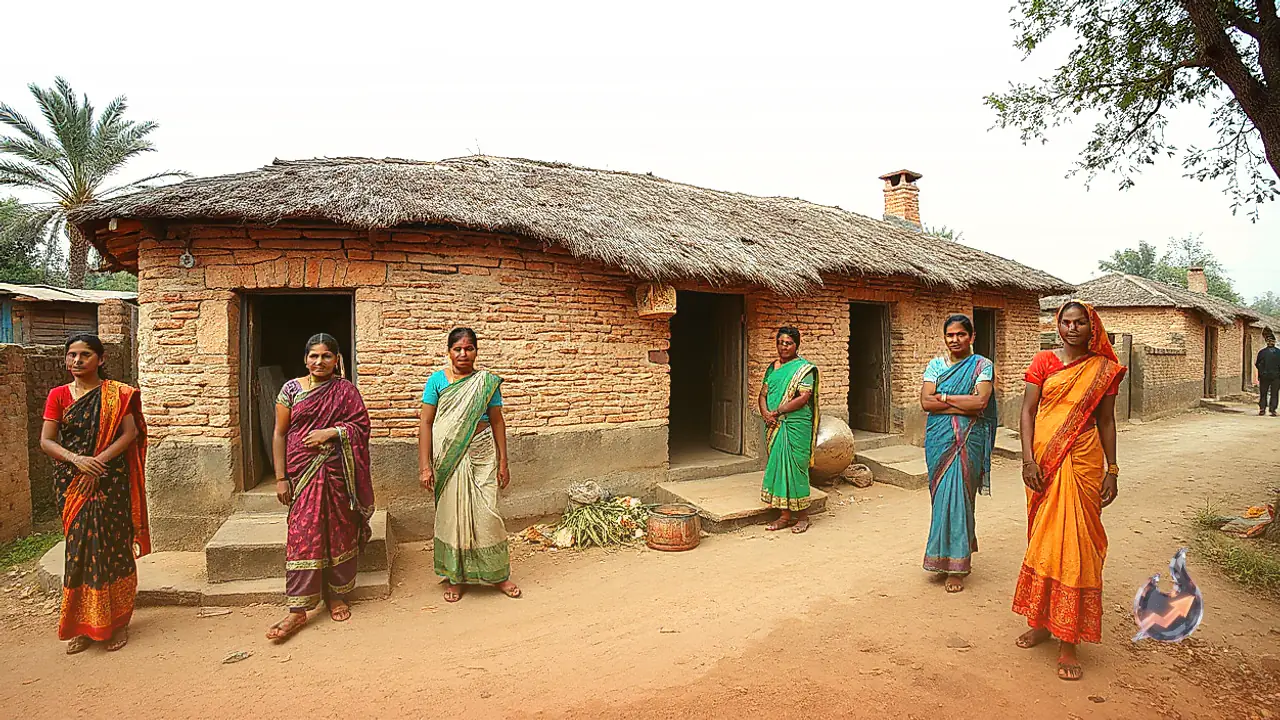
Government frameworks actively support the setup of village-level skill hubs to offer sustainable livelihood options near people's homes. Operating at the block and Panchayat levels, these centers focus on practical vocational training tailored to local market demands.
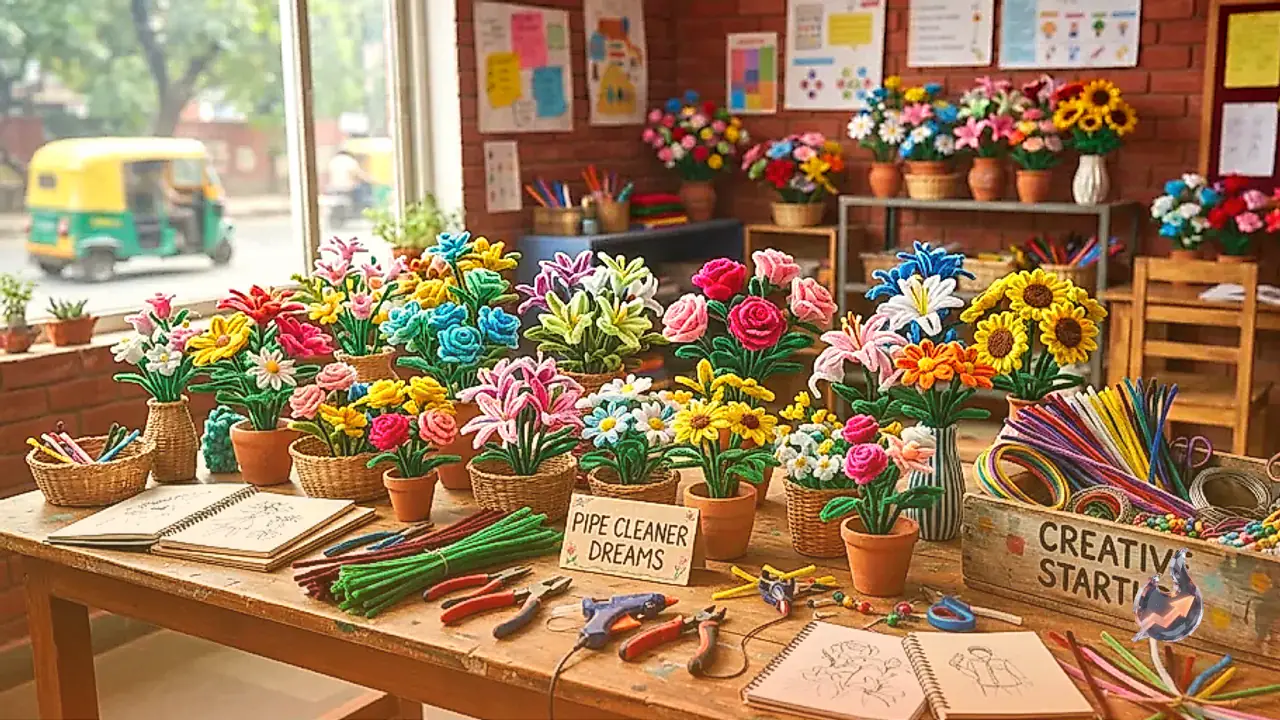
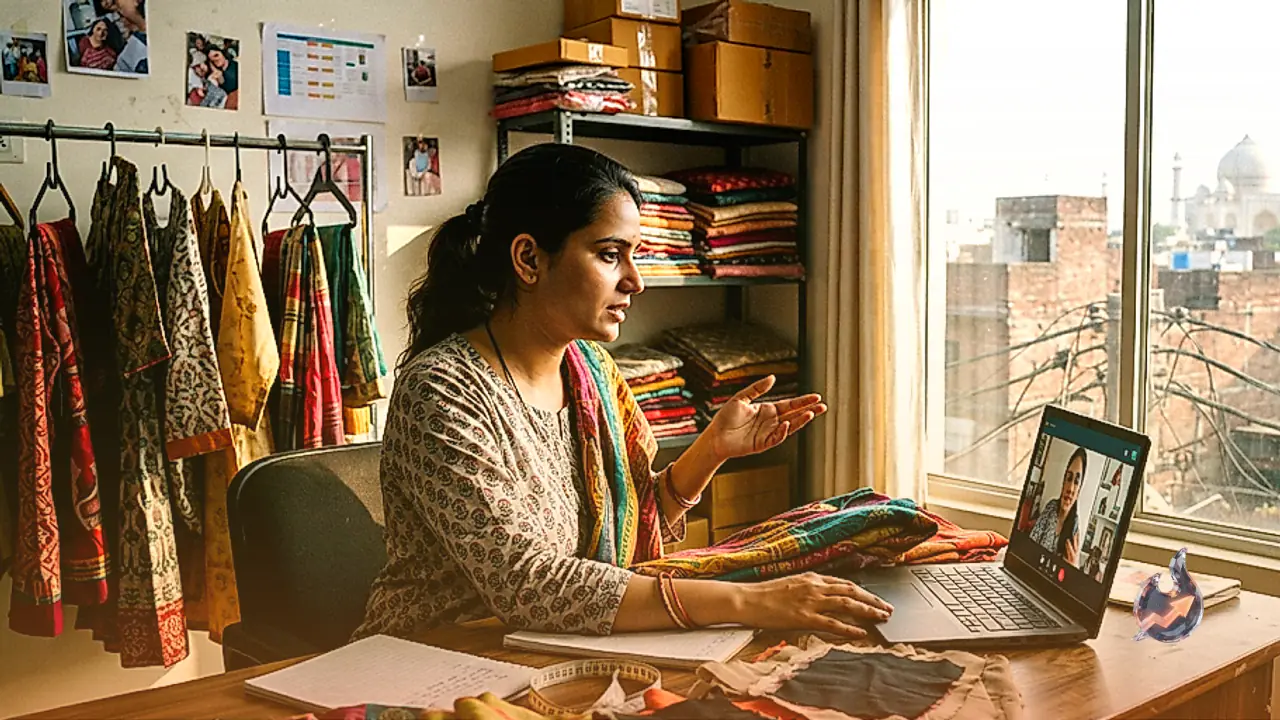
Key training domains offered through these initiatives include tailoring and embroidery, beauty care services, basic computer literacy, food processing, dairy management, mushroom cultivation, incense stick manufacturing, product packaging, and digital marketing. Upon completing these modules, participants receive assistance in launching independent micro-enterprises or joining collective production units.
Government Schemes Supporting Cottage Industry Revival
Entrepreneurs and families aiming to revive closed traditional units or establish women-centric enterprise centers can leverage multiple targeted government programs
- Deendayal Antyodaya Yojana - National Rural Livelihoods Mission (DAY-NRLM): This flagship mission organizes rural women into Self-Help Groups (SHGs), facilitating low-interest bank credit for establishing cottage units. It also provides marketing channels and trade fairs for selling produced goods.
- Rural Self Employment Training Institutes (RSETI): Managed in collaboration with banks, RSETI offers free short-term vocational training in trades like apparel design, food processing, and beauty services, followed by credit linkage for business setup.
- Rural Start-up Entrepreneurship Programme (RSEP): Designed to reactivate dormant village industries, this scheme provides financial and technical backing to connect women's SHGs directly with commercial value chains.
- Pradhan Mantri Kaushal Vikas Yojana (PMKVY): Under this skill development initiative, candidates undergo standardized, industry-aligned training courses. The program covers assessment costs, certification, and post-training placement support.
Step-by-Step Guide: Establishing Your NGO or SHG Institution
To access government grants, training subsidies, and institutional credit, founders must operate through a recognized legal entity. Interested individuals can register a non-governmental organization (NGO), Trust, Society, or Self-Help Group Federation.
Once registered, the entity can submit proposals aligned with specific government welfare schemes. These assistance packages cover trainer costs, equipment procurement, infrastructure development, and seamless facilitation of bank loans, helping turn ancestral properties into self-sustaining engines of rural growth.