




















Tired of the stifling routine of a standard 9 to 5 banking career in Bengaluru, Ranchi native Shweta Jha chose to forge an independent path anchored in her lifelong love for arts and crafts. Having spent considerable time living in South India, she closely observed and learned the intricate nuances of Kalamkari art. She decided to resign from the financial sector and transform Andhra Pradesh's centuries-old Kalamkari heritage into a creative enterprise. Today, her handcrafted garments have made their mark on international markets while transforming the lives of dozens of underprivileged artisans.
Bespoke Silk Creations and Exclusive One-of-a-Kind Pieces
Shweta's collection showcases exquisite hand-painted Kalamkari designs crafted primarily on pure silk fabrics. Her design catalogue spans tailored shirts, jackets, an assortment of salwar suits, and statement sarees. An average saree from her workshop is priced at around 25,000 rupees. The valuation reflects the extensive craftsmanship and absolute exclusivity involved in each piece. A single saree requires a minimum of 2 months of meticulous labor to complete. Shweta maintains a strict policy of never replicating a design; every single saree is produced only once, ensuring that buyers receive a completely unique work of wearable art.
A Rigorous 23-Step Hand-Painting Process Involving Milk Treatment
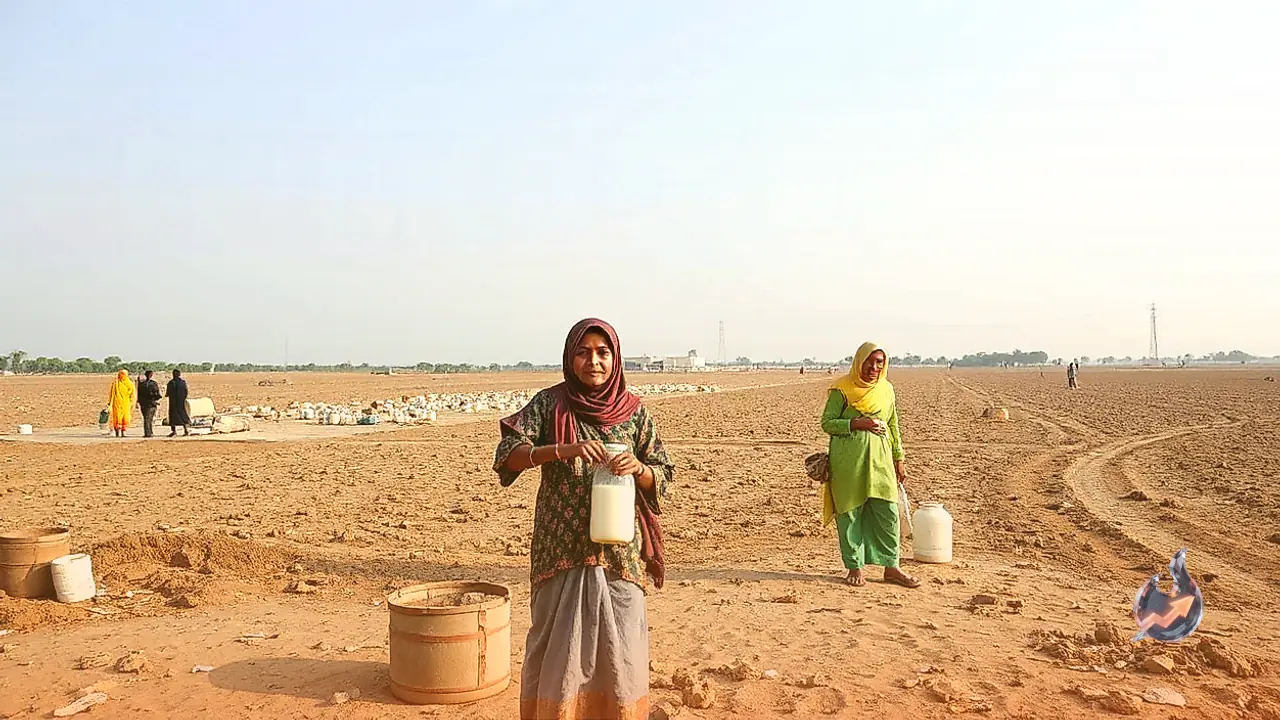
Addressing the craftsmanship that justifies the 25,000 rupee price point, Shweta explains that creating each fabric requires an elaborate 23-stage process. The journey starts with pure silk fabric, which is first immersed and treated in milk. Following this preparation, artisans begin drawing the intricate motifs entirely by hand. The freehand sketching phase alone spans 15 to 20 days. Once the outlines are drafted, artisans apply natural color pigments, wash the fabric, and repeat the cycle multiple times. This disciplined sequence of treatment, coloring, and washing across 23 stages ensures authentic texture and long-lasting pigmentation.
Sacred Motifs Rooted in Millennia-Old Artistic Traditions
Kalamkari is an ancient art form spanning thousands of years, historically dedicated to recording mythological chronicles. Shweta preserves this authentic essence through spiritually resonant iconography. Her textiles feature depictions of Lord Shiva, Lord Krishna, and detailed temple architectures. In one standout creation, narrative episodes from the Ramayana were rendered entirely by hand through visual illustrations, a task that required 3 dedicated months of work. The intricate detailing honors the foundational roots of Kalamkari as it was originally practiced centuries ago.
Global Reach in Japan and Europe While Empowering 120 Women
Beyond commercial growth, the enterprise has brought profound social upliftment to local households. Shweta currently works with a collective of 120 women who earn a stable livelihood through this venture. This includes a specialized embroidery group of 40 to 50 artisans. Many of these women previously lived in homes with leaking roofs and now enjoy financial security and self-reliance. Demand for their handmade pieces has expanded internationally across Europe and Japan, where consumers have shown deep admiration for the craftsmanship. For Shweta, the opportunity to travel globally, connect across linguistic barriers, and provide sustainable employment offers fulfillment far greater than revenue alone.