




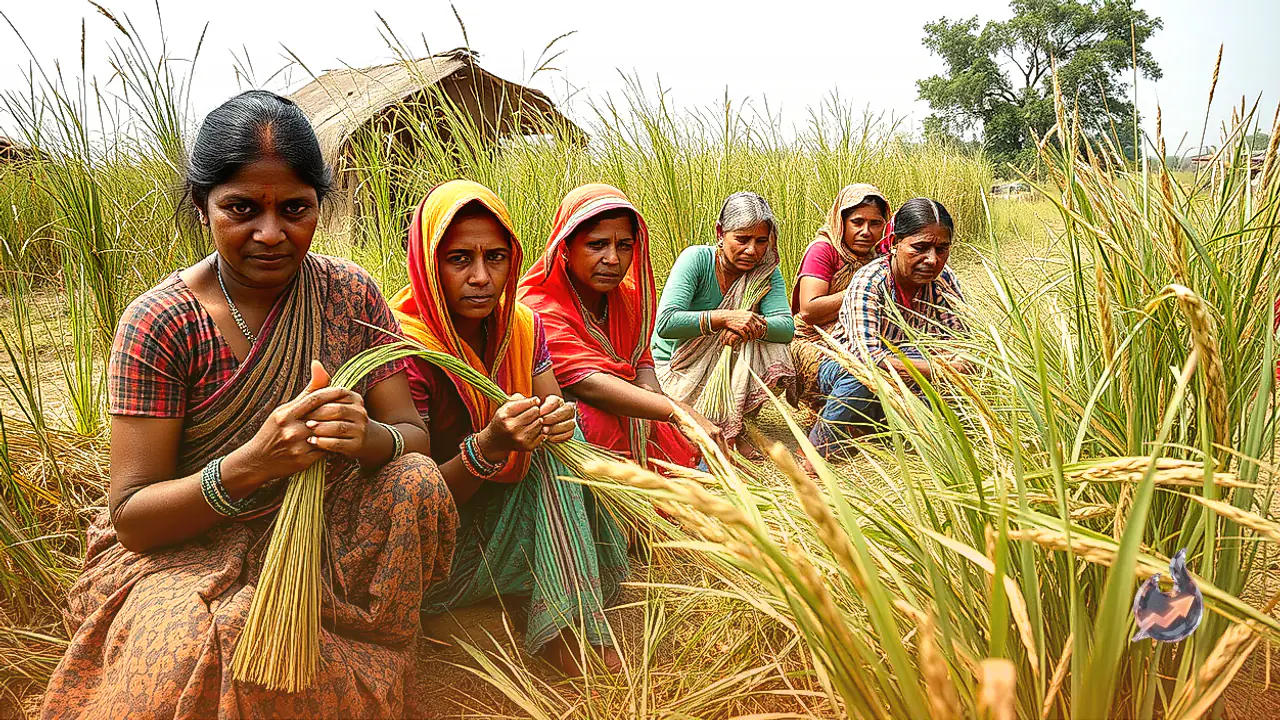


















At a time when the world is grappling with plastic pollution and shifting toward sustainable alternatives, a quiet eco-friendly revolution is unfolding in the Bhagalpur district of Bihar. In modern homes, the trend of using bamboo decor is rapidly replacing harmful synthetic and plastic materials. Leading this change are the exquisite bamboo products being crafted in the Naugachia region, which are fast becoming the preferred choice for interior decoration. These bamboo items not only add a touch of earthy elegance to living spaces but also hold deep cultural significance in Sanatan Dharma. According to traditional beliefs, keeping bamboo items in the house promotes positive energy and ensures that there are no obstacles in family growth. Driven by a blend of aesthetic appeal and ancient faith, people are increasingly embracing these meticulously crafted, environmentally friendly showpieces.
Finding Inspiration Through Social Media
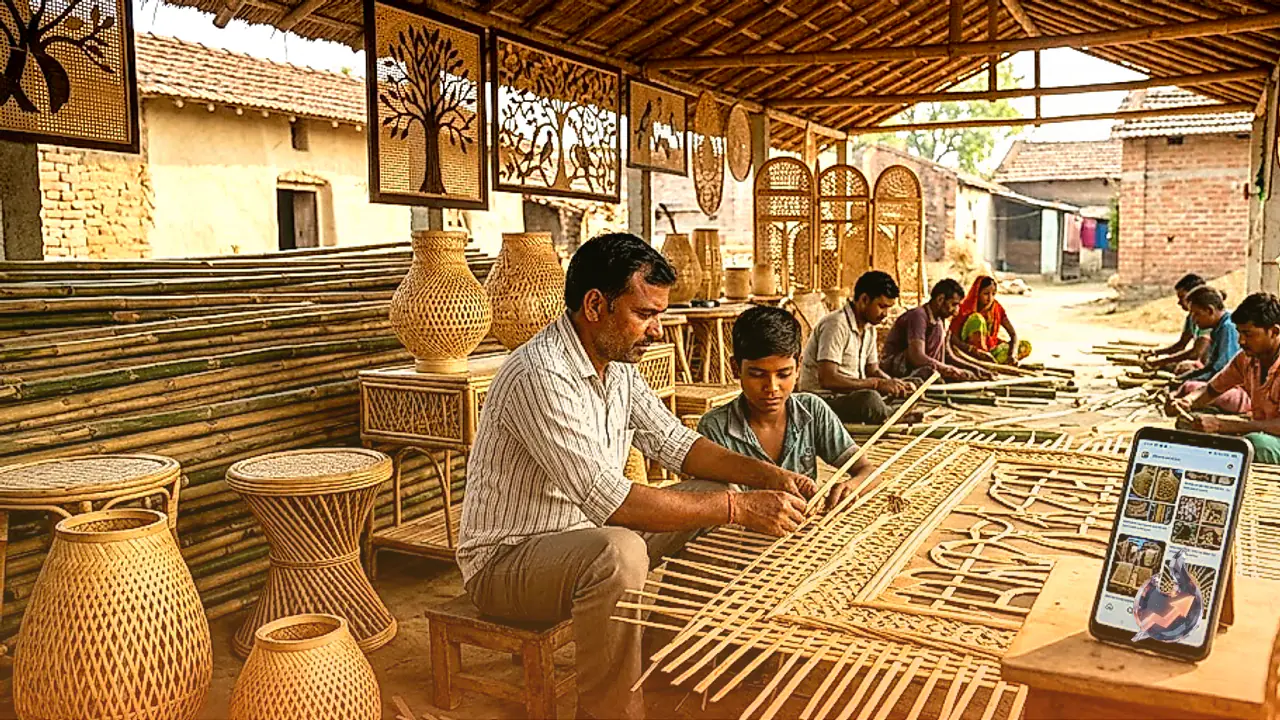
The driving force behind this artistic transformation is Chandan Singh, a dedicated and highly skilled artisan hailing from Tetari village in Naugachia. Singh has expertly combined his natural talent with the power of the internet to give bamboo crafting a completely new identity. Since his childhood, he possessed a deep fascination for playing with bamboo and shaping it into various objects. However, in the early days, his unique skills failed to garner the recognition and financial reward they deserved. Unfazed by the lack of traditional market appreciation, he turned to social media for inspiration. Browsing through his smartphone, he observed breathtaking modern designs and intricate bamboo products being made around the world. These captivating digital images sparked a new wave of creativity in him, prompting him to learn and replicate those advanced designs using local resources.
The True Cost of Fine Craftsmanship
The journey from a casual hobbyist to a master craftsman was fraught with challenges. Because bamboo is widely and easily available in rural areas, there is a common misconception that anyone can effortlessly mold it into a product. Singh’s early experiences proved otherwise. He faced immense frustration and moments of self-doubt during the initial phase. Carving, peeling, and shaping raw bamboo into delicate designer pieces demanded hours of intense labor, extreme patience, and unwavering dedication. There were times when repeated failures made his mind wander, questioning the very purpose of his hard work. Yet, he persevered. With relentless practice, his interest deepened, his hands mastered the fine craftsmanship required, and he gradually began producing a diverse range of spectacular designer items that easily rivaled factory-made plastic decor.
Rising Demand for Eco-Friendly Decor
To bring his creations to the public, Singh began showcasing his bamboo products at local fairs and exhibitions. The response was overwhelmingly positive, and demand for his eco-friendly art skyrocketed. Today, customers are actively placing special custom orders for an impressive array of lifestyle products. His catalog includes intricately woven decorative frills (Jhalar), elegant wall clocks, ambient table lamps, and stylish pen stands for office desks. The bamboo Jhalar, in particular, is witnessing massive demand as a prime choice for home decoration. Furthermore, durable shoe stands, customized designer tables, stunning illuminated decor pieces fitted with modern lights, and beautiful bamboo boats designed for drawing-room displays are flying off the shelves. These products seamlessly blend rural craftsmanship with modern interior design needs.
Transforming the Identity of Tetari Village
Singh’s remarkable success has sparked a broader economic revival in Tetari village. Historically, this village was primarily recognized for its traditional wooden furniture and timber products. Today, it has reinvented itself and is renowned nationwide for its unique bamboo artifacts. This thriving cottage industry has not only empowered Singh but is also generating vital employment opportunities for other local artisans in Naugachia. Beyond aesthetics and economics, these bamboo creations send a powerful message about environmental conservation. As completely biodegradable products, they offer a sustainable alternative in a market increasingly conscious of its ecological footprint. Both the demand and the market value of these eco-friendly bamboo goods are rising rapidly, proving that when traditional local crafts are coupled with digital inspiration, they can elevate a village's identity onto the national stage.