
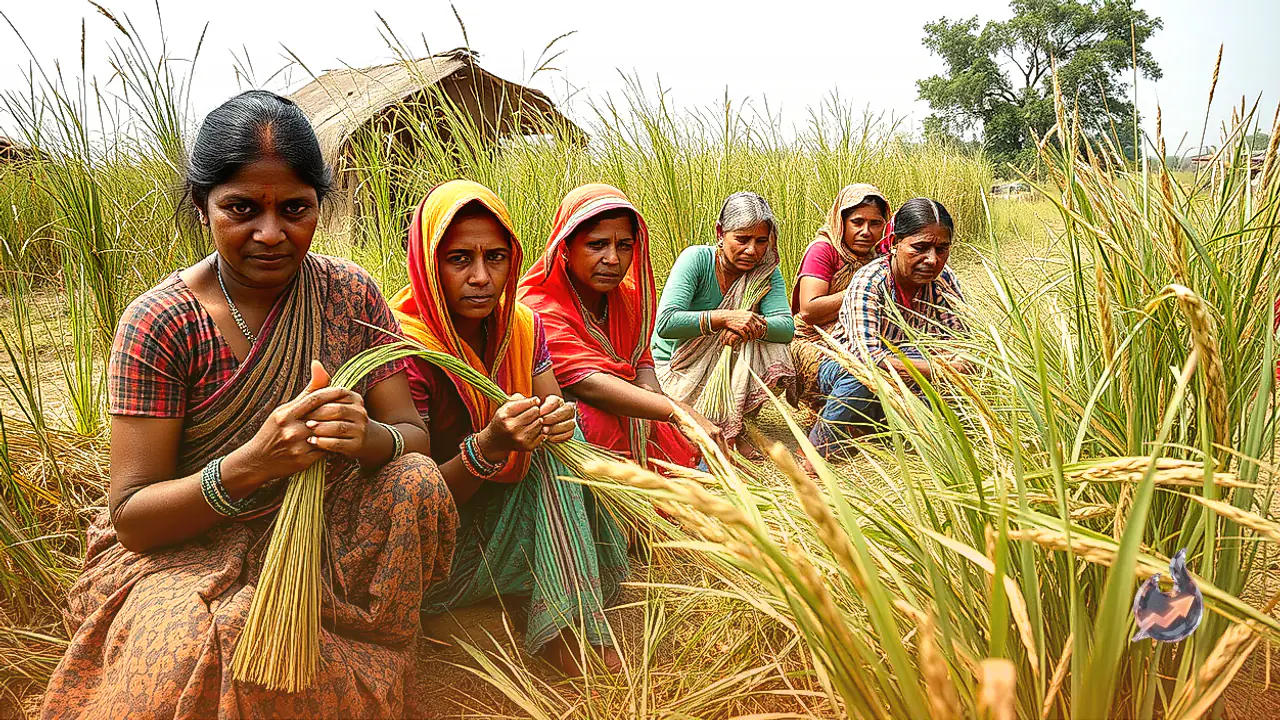
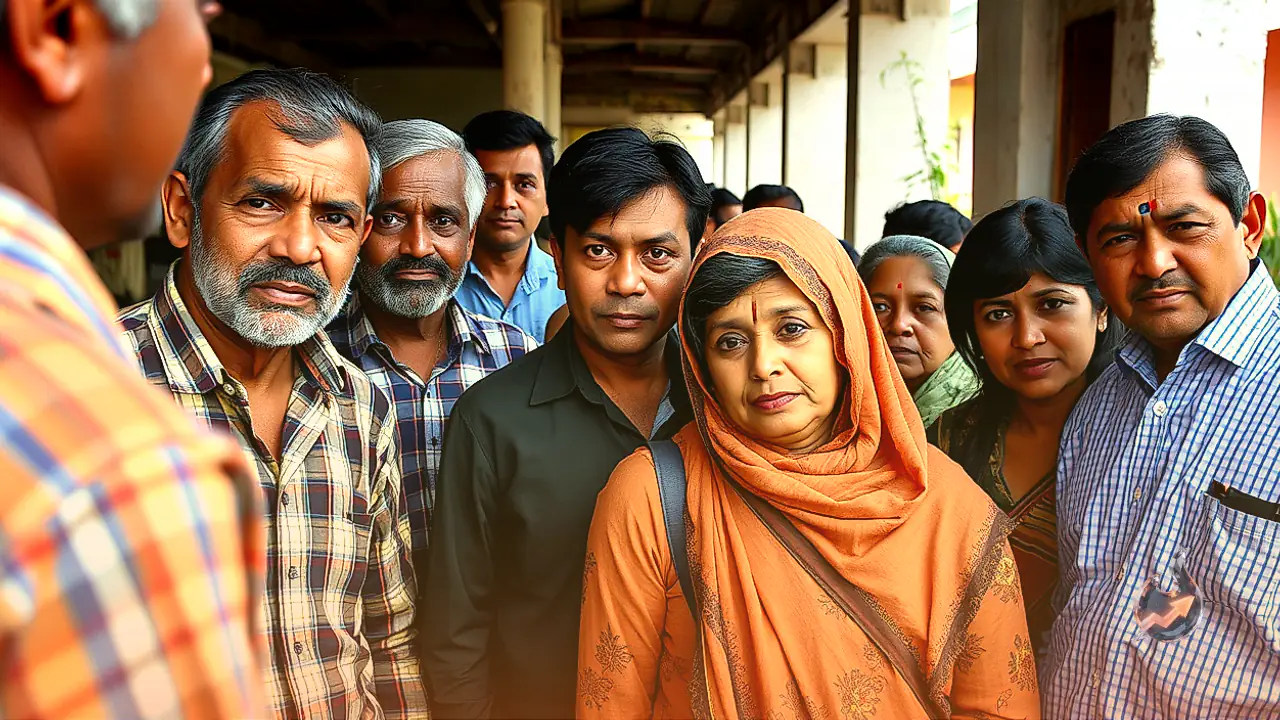

















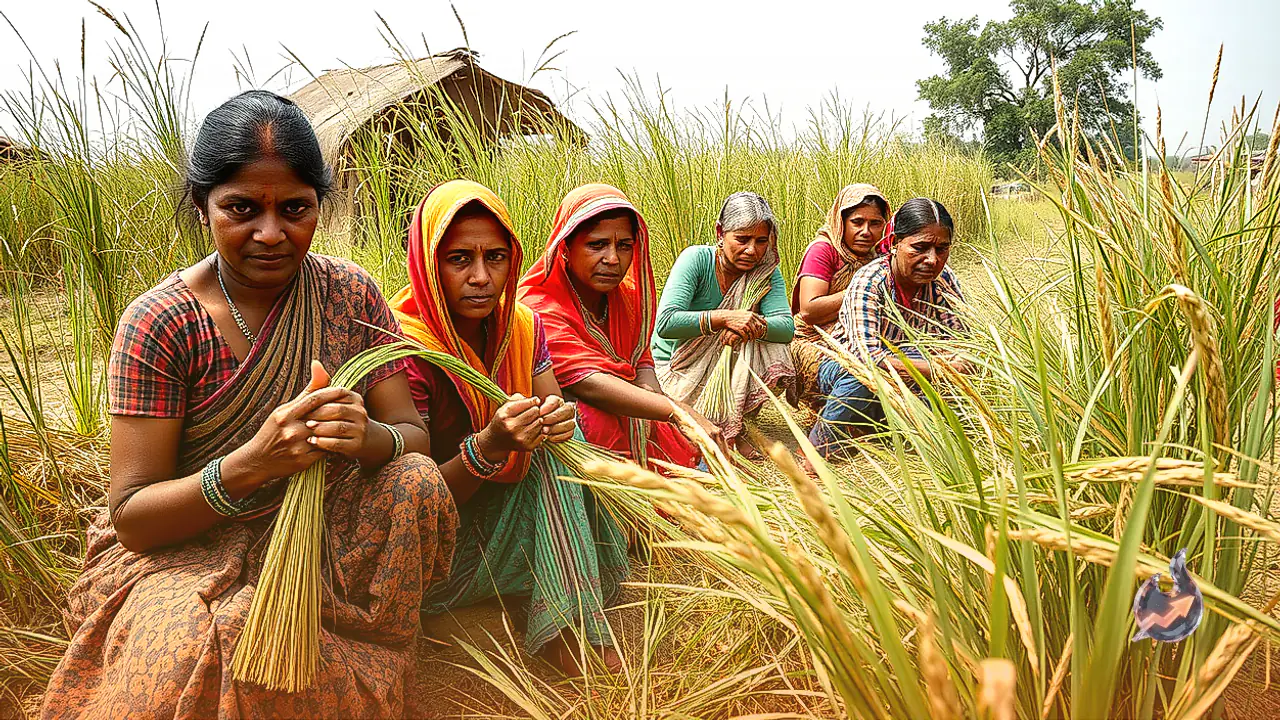

In the rural stretches of Bihar's Saran district, traditional handicraft has emerged as a reliable route to economic stability for village women. In Bareja village of Manjhi block, local homemakers are putting their customary artistry to commercial use by transforming locally harvested Sikki grass into intricate utility products and ornaments. With institutional support from the state's Jeevika initiative, these artisans are receiving vital market access and institutional credit, allowing individuals who were once completely without work to earn a steady income directly from their skills.
The meticulous process behind Sikki craftwork
Creating artifacts from Sikki grass demands patience, precise manual technique, and time-tested methods. Artisans collect the raw wild grass directly from forest areas and bring it back to their village. The collected grass is then thoroughly dried in the sun to ensure flexibility and longevity. Once dried, it undergoes a coloring process where vibrant shades are applied to the fibers. Using these treated strands, the women weave an extensive range of items entirely by hand, including earrings, bangles, hair bands, floral baskets, traditional Daudi containers, and various ornamental housewares.
Expanding across exhibition stalls and online channels
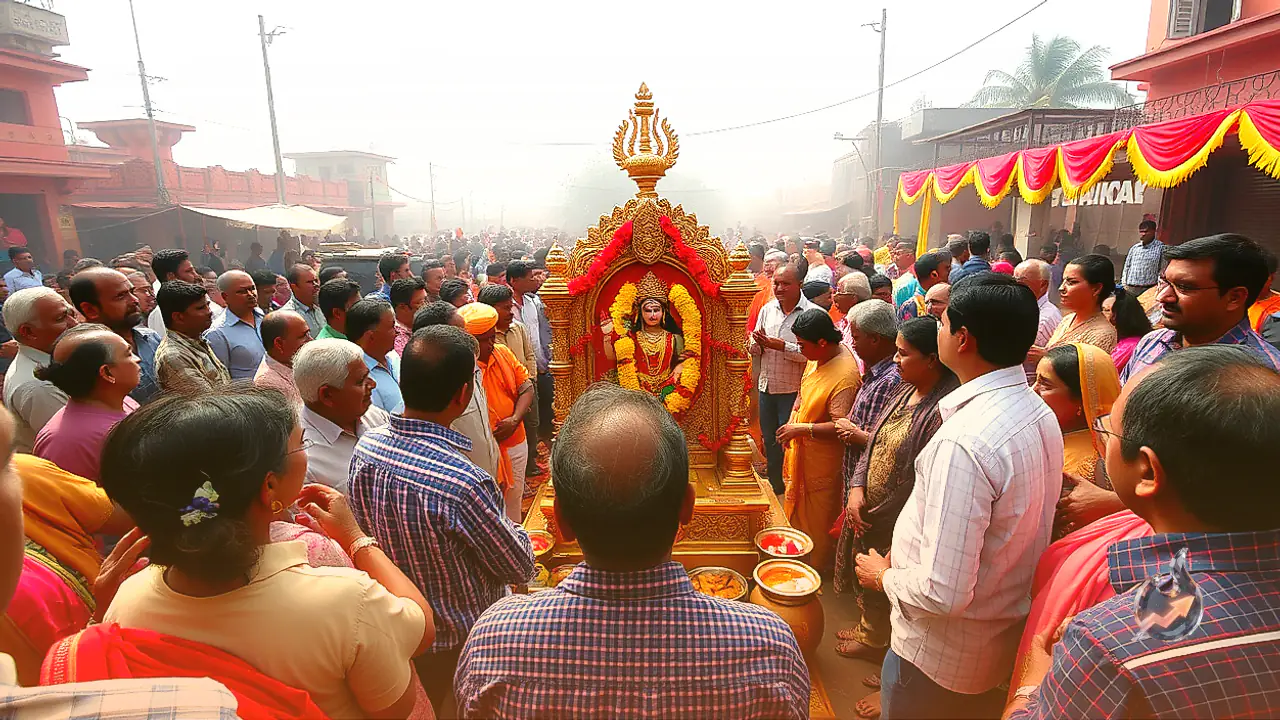
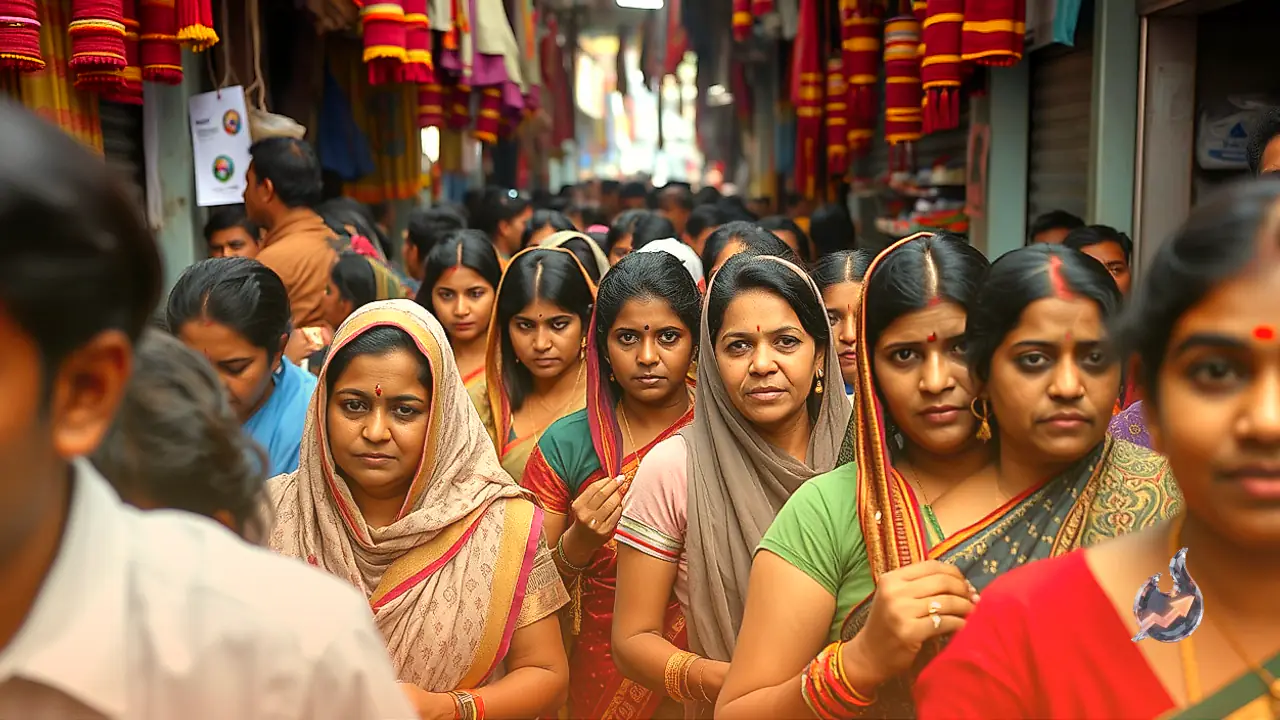
Marketing support has proved essential in connecting rural craftsmanship with urban consumers. The government arranges designated exhibition stalls for these artisans at high-footfall events such as the Saras Mela at Gandhi Maidan in Patna, the historic Sonepur fair, and other state-level exhibitions. At these gatherings, visitors purchase the handmade goods at rewarding prices. Alongside physical stalls, customer interest has extended into digital spaces. The artisans report receiving significant order volumes through online channels, helping ensure consistent sales outside the seasonal exhibition calendar.
Transitioning from household craft to commercial enterprise
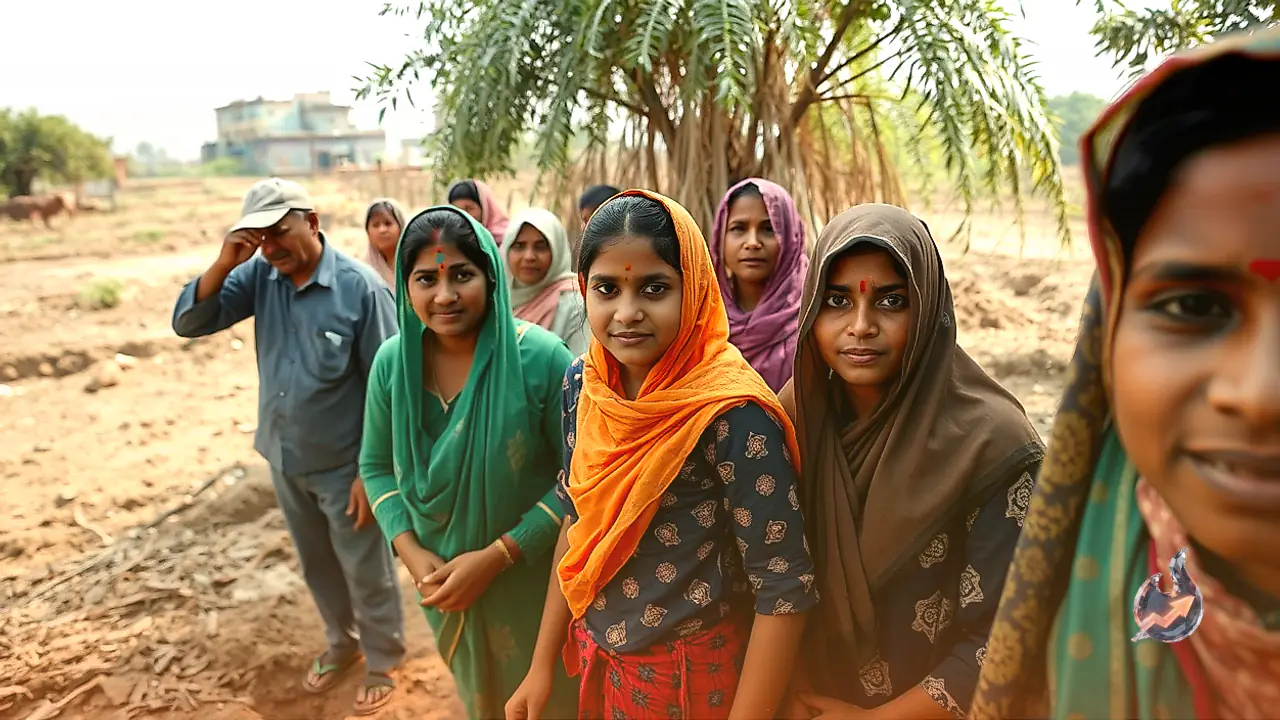
Pushpa Devi, an SJY member from Bareja panchayat, noted that the women were previously unemployed and remained confined to domestic chores. While many already possessed the skill to weave these traditional pieces, the items were made solely for personal household utility, with no awareness of how to monetize their talents. Joining the Sikki PG network provided the necessary framework to turn domestic craftsmanship into an enterprise. Jeevika Didis were also extended financial loans to help fund production activities and scale their work effectively.
Sales of 45,000 rupees bring domestic stability
Direct access to retail markets has delivered tangible economic returns to the rural collective. Pushpa Devi highlighted that during the recent Saras Mela alone, sales reached 45,000 rupees. The income generated from these sales allows the artisans to manage household finances comfortably and support their families. More than two dozen women from Bareja village are actively expanding their production to reach wider urban markets, establishing a sustainable cottage industry rooted in indigenous craft.