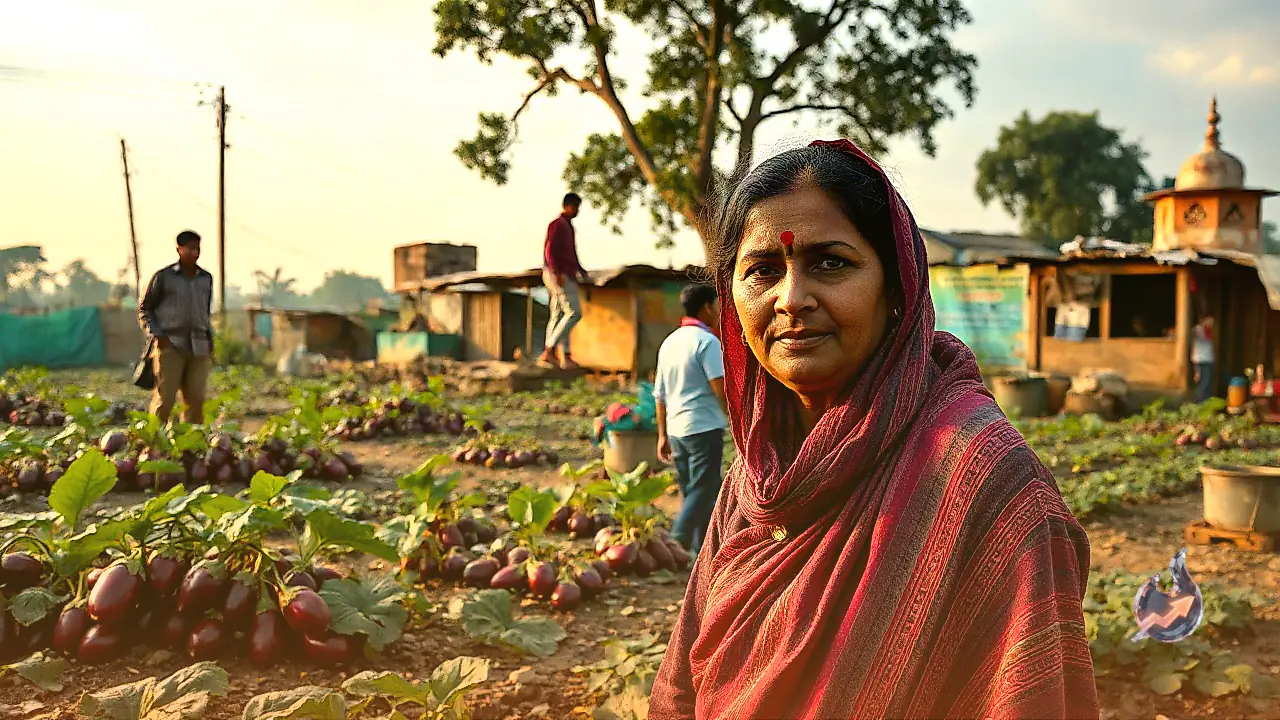























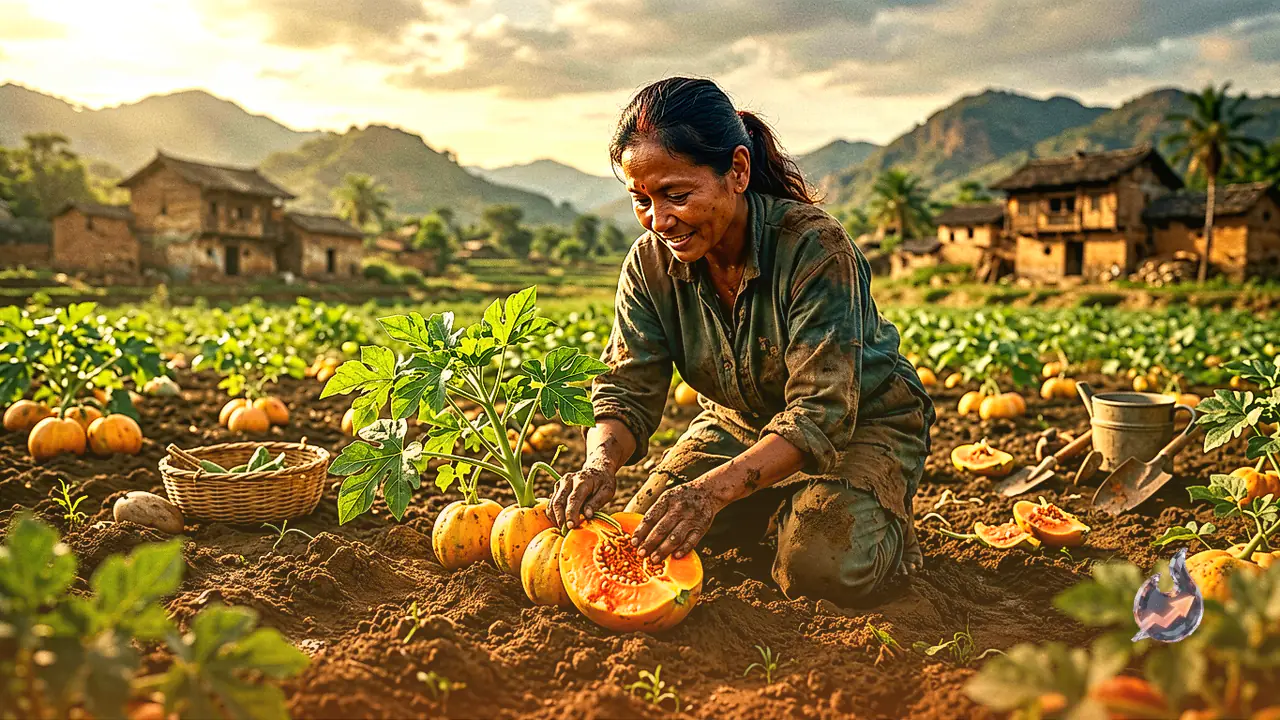

Reena Devi, a progressive woman farmer from Palamu district in Jharkhand, has taken a decisive step toward transforming her agricultural earnings by moving beyond conventional farming methods. Rather than relying exclusively on traditional cereal crops, she has incorporated papaya cultivation into her agricultural plan. By introducing fruit crops into a compact parcel of land, she aims to generate a substantial and steady stream of supplementary income, offering a practical model for smallholder farmers across the region.
Technical Guidance from Krishi Vigyan Kendra and Strategic Crop Selection
Before launching her new farming initiative, Reena Devi sought expert counsel to ensure sustainable yield and proper crop management. She consulted agricultural experts at the Krishi Vigyan Kendra in Chiyanki, learning modern technical practices and scientific cultivation methods tailored for fruit production. Armed with this specialized training, she prepared a land area of approximately five kattha to begin cultivating high-quality papaya plants.
The choice of papaya as an additional crop was guided by its strong commercial advantages. Papaya ranks among the fastest-yielding fruit crops, requiring a relatively short period from planting to harvest. Furthermore, fresh papaya enjoys consistent and high consumer demand in local markets, ensuring that harvested produce can be sold quickly without suffering post-harvest delays or transport losses.
Financial Breakdown and Revenue Calculations from Five Kattha Land
Reena Devi has mapped out a detailed economic forecast based on her five-kattha plot. Each harvesting cycle is expected to produce more than five quintals of papaya. Assuming an average market sale price of 50 rupees per kilogram, a five-quintal harvest yields an immediate revenue of approximately 25 thousand rupees.
During periods of favorable market demand when prices surge, total earnings from the same plot can easily reach 30 thousand rupees or higher. Reena Devi noted, "Combining traditional crops with fruit cultivation provides farmers with a reliable source of additional income." Because papaya trees yield fruit repeatedly over an extended cycle, they create a continuous cash flow for the farm household.
Moving Beyond Grains Toward Climate-Smart Commercial Agriculture
Reena Devi's approach aligns closely with guidance from agricultural specialists, who emphasize selecting crops based on local agro-climatic conditions and market dynamics. Confining agricultural activities strictly to grain production often caps a farmer's income potential and leaves them vulnerable to weather variations. Integrating commercial fruits, vegetables, and high-value crops significantly expands profit margins while diversifying risk.
In Palamu, where soil and weather conditions favor hardy fruit crops, papaya cultivation serves as an effective pathway to economic resilience. Reena Devi's success underscores how small landholdings, when managed with scientific guidance and market awareness, can become highly profitable enterprise units.