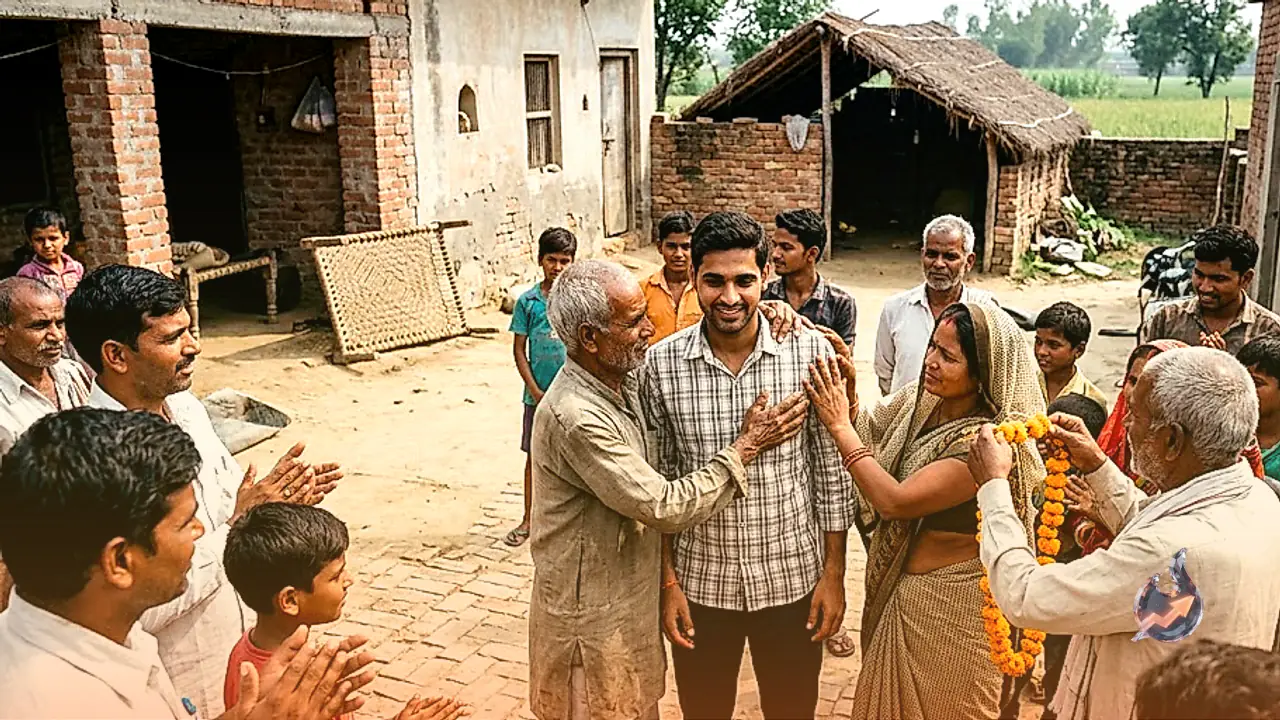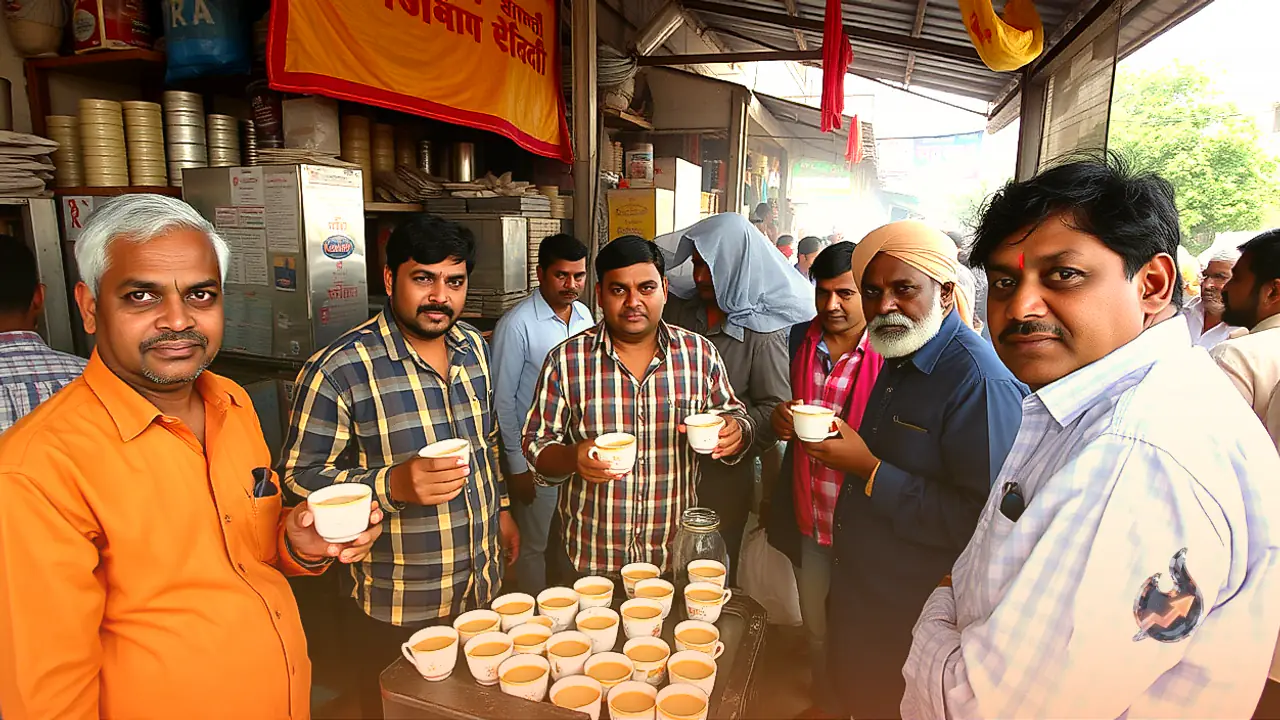




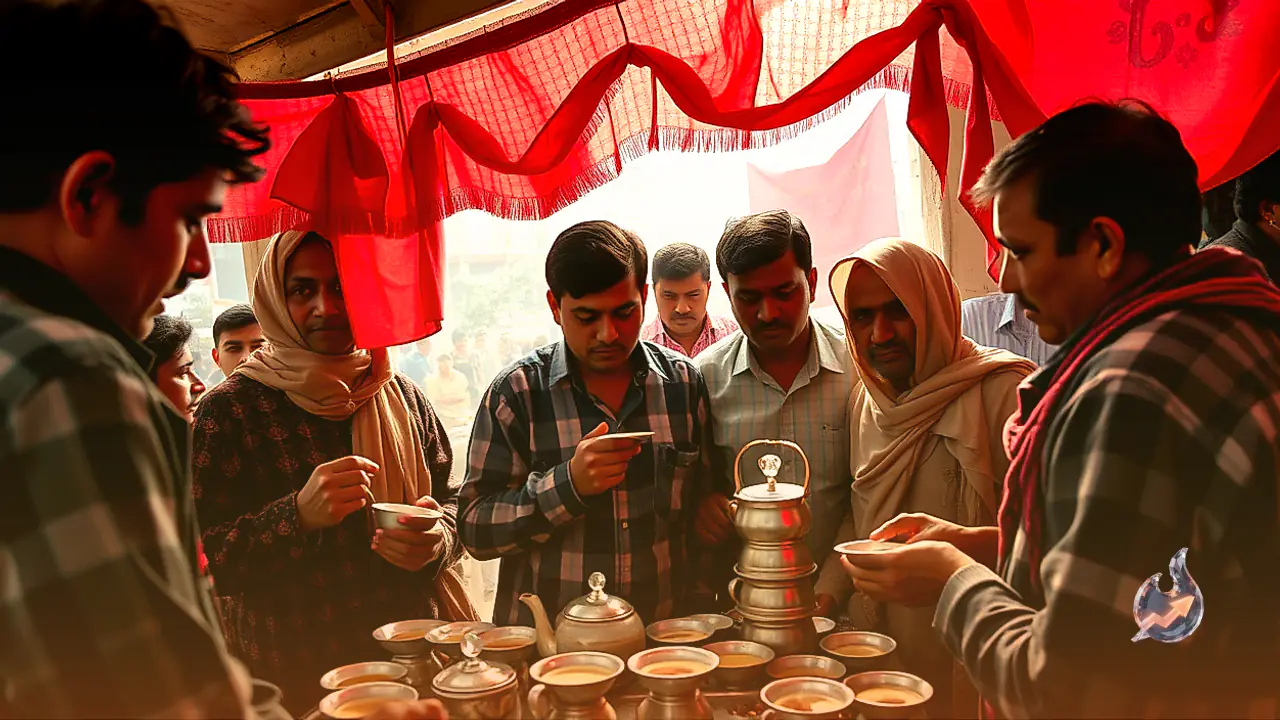
















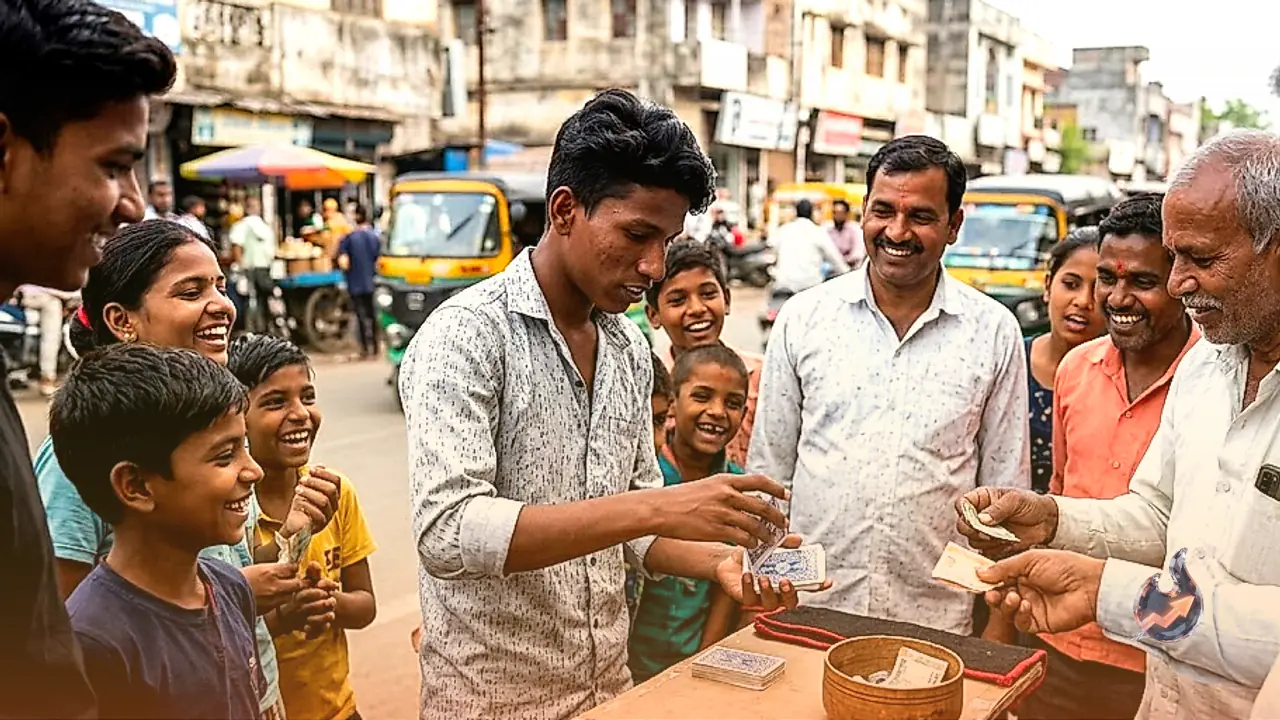

In Sagar, Madhya Pradesh, a 16-year-old street performer is drawing curious onlookers with a sleight-of-hand act that looks straight out of a magic show. Passersby near schools and roadside tea stalls across India often spot children performing similar tricks. If someone pays, the children pocket the coins; if not, they simply gather their belongings into a cloth bag and move on to the next spot without complaint. Few ever stop to ask where these children come from, who trains them, or how much they actually earn in a day. A conversation with a boy named Tanjeem, who has been camped in Sagar for four days, answers exactly that.
A Skill His Father Taught Him In Six Weeks
Tanjeem belongs to Baran district in Rajasthan, near Kota. He is one of five siblings, and none of them, including him, ever went to school; he cannot even write his own name. That lack of schooling meant formal job prospects were never really within reach, which made the skill his father decided to hand down all the more valuable. Three years ago, his father set out to teach him this hand trick, and after roughly a month and a half of practice, Tanjeem had mastered it. He was just 13 years old at the time. That skill has since become his main source of income.
From Rajasthan's Districts To Madhya Pradesh
In the early months after learning the act, Tanjeem performed across different districts within Rajasthan. Over time, his travels took him further, through several districts of Maharashtra, Chhattisgarh and Uttar Pradesh, before he reached Madhya Pradesh. The constant movement means he rarely stays anywhere for long, following wherever there are schools, tea stalls and a steady flow of footfall. He has now spent four days in Sagar, where he performs near schools and at roadside tea stalls on the chowpatty. Onlookers hand him Rs 10 or Rs 20 at a time, and by the end of the day, Tanjeem earns anywhere between Rs 500 and Rs 1,000.
A Family Trade Spanning Four Generations
Tanjeem says three of his brothers used to perform this act with him earlier, but they gave it up after getting married. Now it is just his father and him who carry on the tradition. This is not something the family picked up recently, it is a hereditary trade that has been passed down for four generations.
What Exactly Is Indrajaal?
Tanjeem calls this act Indrajaal, a Hindi word often used for an illusion so convincing it feels like sorcery, and that is precisely the effect he and his father are going for. There is no actual magic involved, it is entirely sleight of hand built on years of practice. The illusion the performer creates looks completely real to the audience, because they cannot tell exactly when or how the trick is executed. That is what convinces onlookers they are witnessing real magic, when in fact it is a craft refined over generations.
Mobile Phones Are Shrinking The Crowds
Tanjeem also points out that crowds used to gather in large numbers whenever he performed earlier. That number has been steadily shrinking. He blames mobile phones, which now hold the attention of children, young people and adults alike, leaving fewer people willing to stop and watch an act like his. Fewer spectators inevitably means fewer coins, adding pressure on a family trade that has already shrunk from four performers to just two.